11 Types of Bichiya Designs: Daily Wear to Bridal Styles
Choosing a bichiya? See 11 popular toe ring designs, from office-friendly minimal bands to festive bridal sets, with tips to pick the right one.
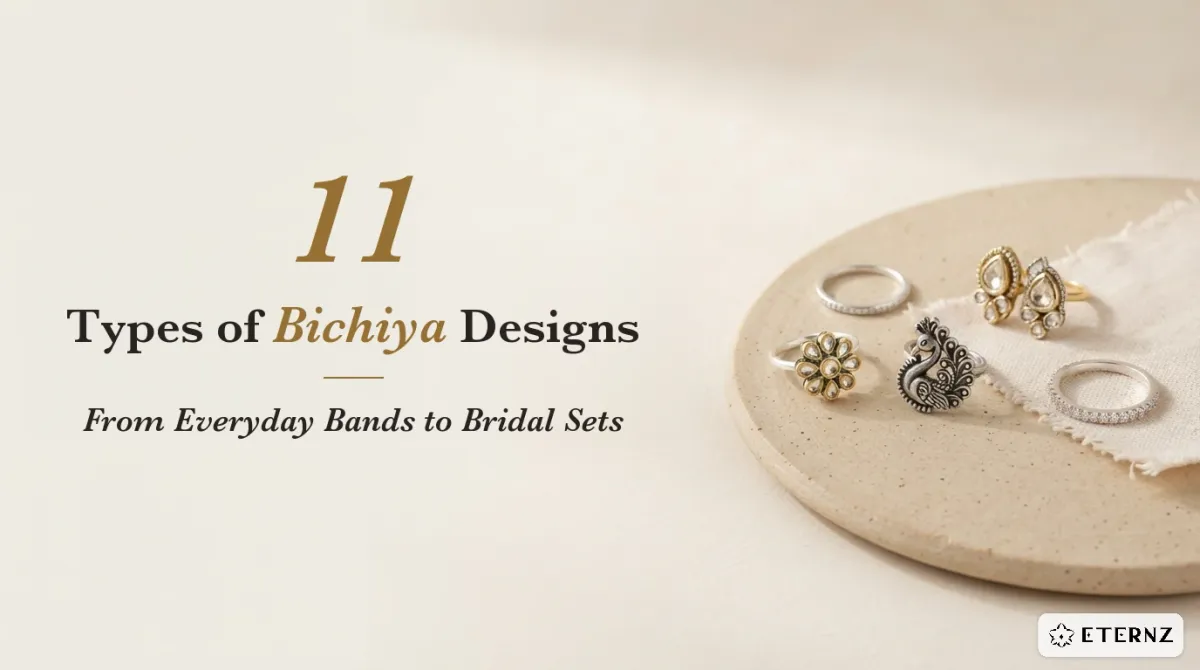
The main types of bichiya designs are plain silver bands, adjustable open bands, floral, modern motif, stone-studded, oxidised, meenakari, ghungroo, coiled, three-toe chain sets and bichiya joined to an anklet. Plain, adjustable, floral and small motif designs are made for everyday wear. Ghungroo, chain-linked and meenakari designs belong to weddings, festivals and the first few months of married life.
Below, you'll find what each design looks like, who it suits, and how bichiya styles change from Maharashtra to Tamil Nadu.
Before we start, let me tell you about Eternz, a trusted jewellery marketplace featuring 400+ jewellery brands, with authenticity certification on every piece and fast, same-day delivery in major cities. First-time users can also save with ETERNZ5 for up to ₹50 off on ₹499+, ETERNZ10 for up to ₹100 off on ₹999+, or ETERNZ300 for up to ₹300 off on ₹2,500+, valid on both the app and website.
What Is a Bichiya?
A bichiya is a toe ring, traditionally worn by married Hindu women on the second toe of both feet. It is usually bought as a pair and is one of the quiet signs of marriage, like sindoor or a mangalsutra.
It goes by many names across India: bichiya or bichhiya in the north, jodvi in Maharashtra, metti in Tamil Nadu. Most bichiyas are made of silver, because many families avoid wearing gold below the waist.
Bichiya Designs at a Glance
If you're short on time, this table shows every toe ring design and where it fits best.
| Design | What it looks like | Best for | Daily or festive? |
|---|---|---|---|
| Plain silver band | Smooth or lightly textured ring | Everyday, office | Daily |
| Adjustable open band | Ring with an open back that you press to fit | First-time buyers, gifting | Daily |
| Floral | Flower or petal on top | Casual and ethnic wear | Both |
| Modern motif | Butterfly, heart, leaf, star | Young brides, western outfits | Daily |
| Stone-studded | CZ or coloured stones | Parties, festive days | Both |
| Oxidised | Darkened silver, antique look | Cotton sarees, kurtas | Both |
| Meenakari or enamel | Coloured enamel on silver | Festive and wedding wear | Festive |
| Ghungroo | Tiny bells hanging from the ring | Weddings, pujas, festivals | Festive |
| Coiled | Silver wire wound in a spiral | Traditional and regional looks | Both |
| Three-toe chain set | Three rings joined by small chains | Brides | Festive |
| Bichiya with anklet chain | Toe ring linked to a payal | Brides, mehndi, sangeet | Festive |
11 Types of Bichiya Designs
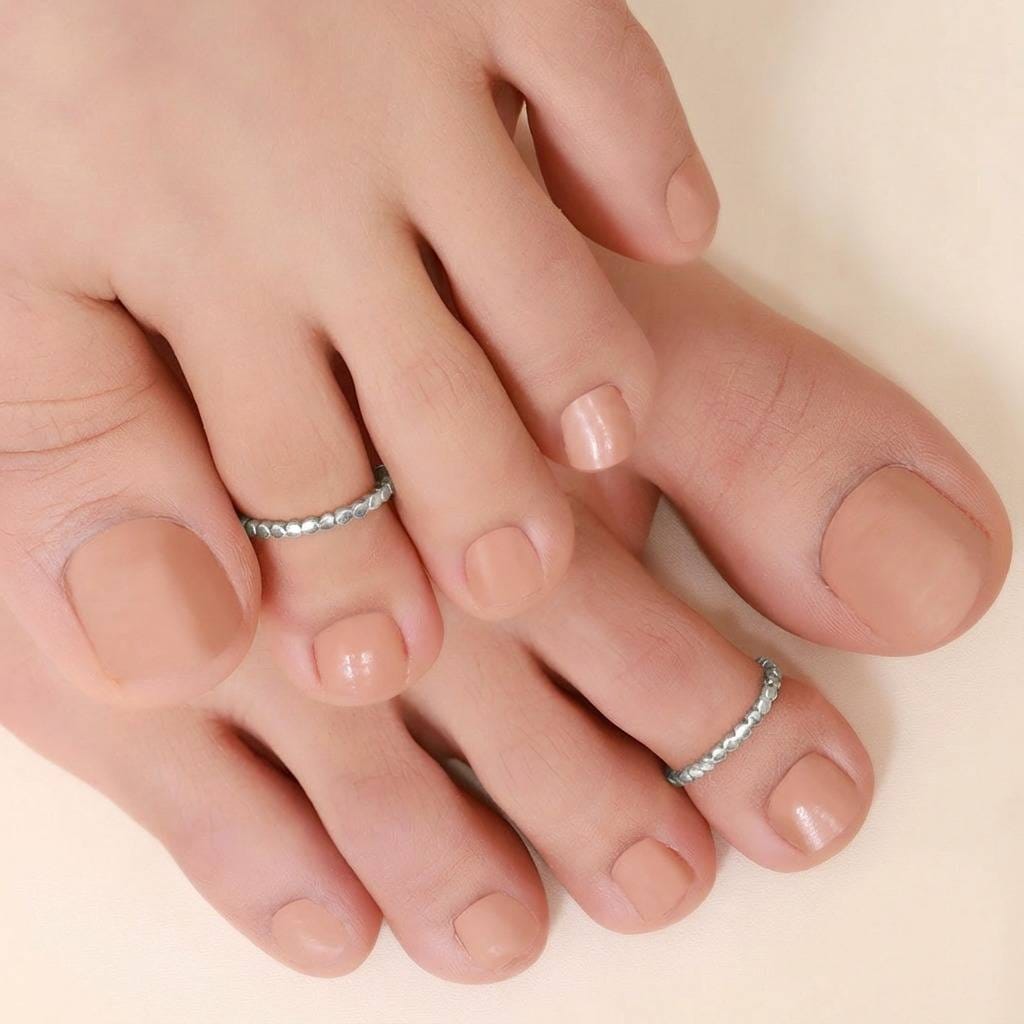
1. Plain Silver Band Bichiya
This is the bichiya most mothers and grandmothers wore every single day: a simple round band of silver, sometimes with a fine twist or texture. It has no stones to fall out and nothing to snag on a dupatta, which is exactly why it lasts for years.
- Best for: daily wear, working women, anyone who wants the tradition without the fuss
- Wear with: everything, from a cotton saree to jeans and flats
2. Adjustable Open Band Bichiya
An adjustable bichiya has a small opening at the back, so you can gently press it tighter or open it a little to fit your toe. It solves the most common toe ring problem: most of us simply don't know our toe size.
- Best for: first-time buyers, gifting, and feet that swell a little in summer
- Wear with: daily outfits, since it's easy to slip on and off
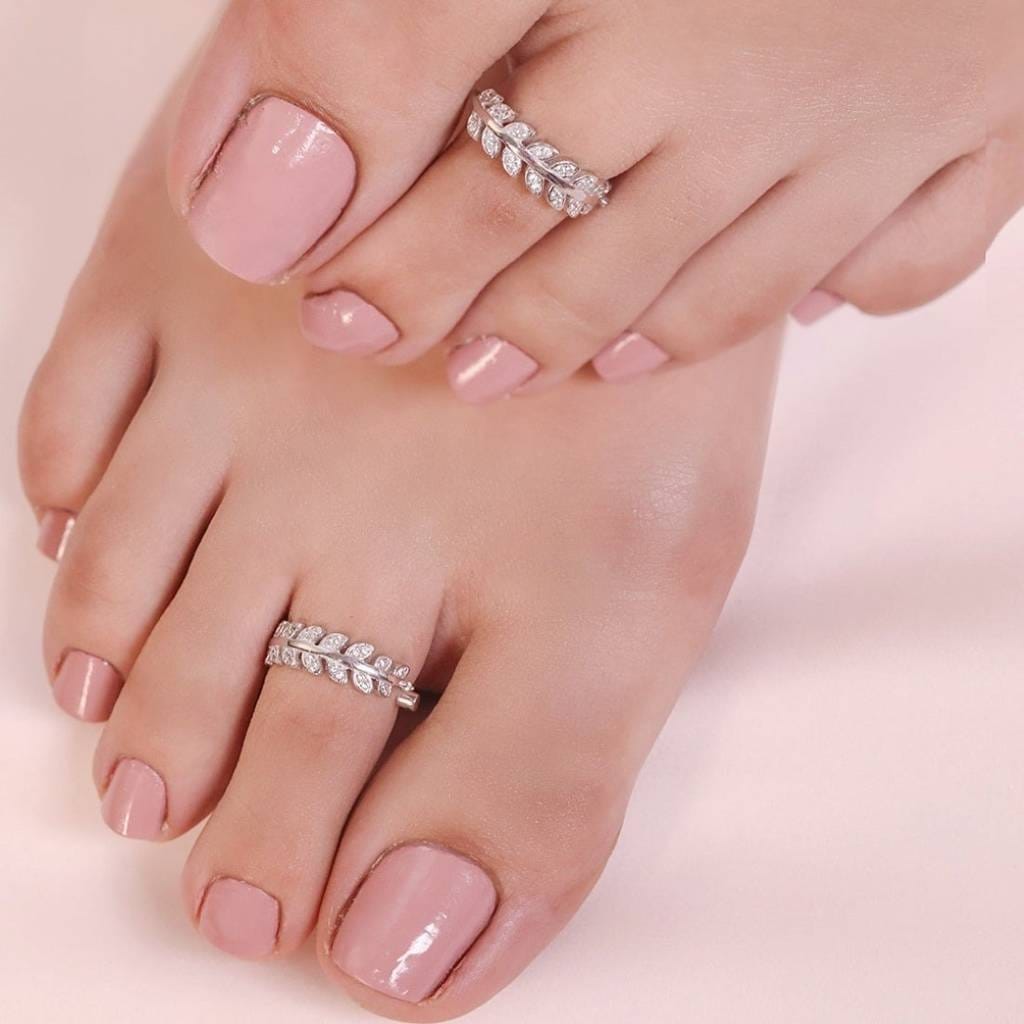
Quick tip: Slide the bichiya onto your second toe and stop below the first joint. It should sit snug enough not to spin all the way round, but never leave a red mark by evening.
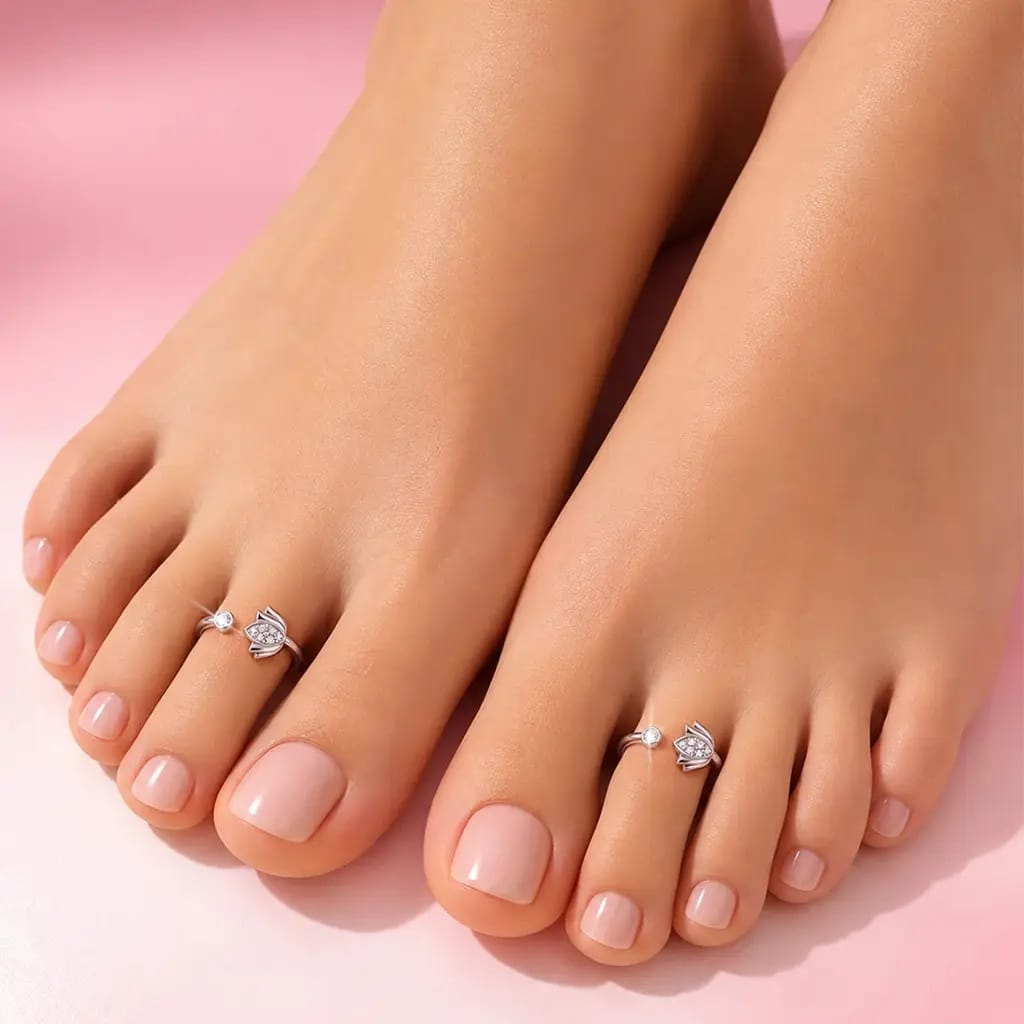
3. Floral Bichiya
A flower, a bunch of petals or a tiny lotus sits on top of the band. Floral bichiyas are the most popular design in India, because they feel feminine and traditional at the same time.
- Best for: casual days, ethnic wear and festive mornings
- Wear with: pastel kurtas, chiffon sarees and open sandals
4. Modern Motif Bichiya
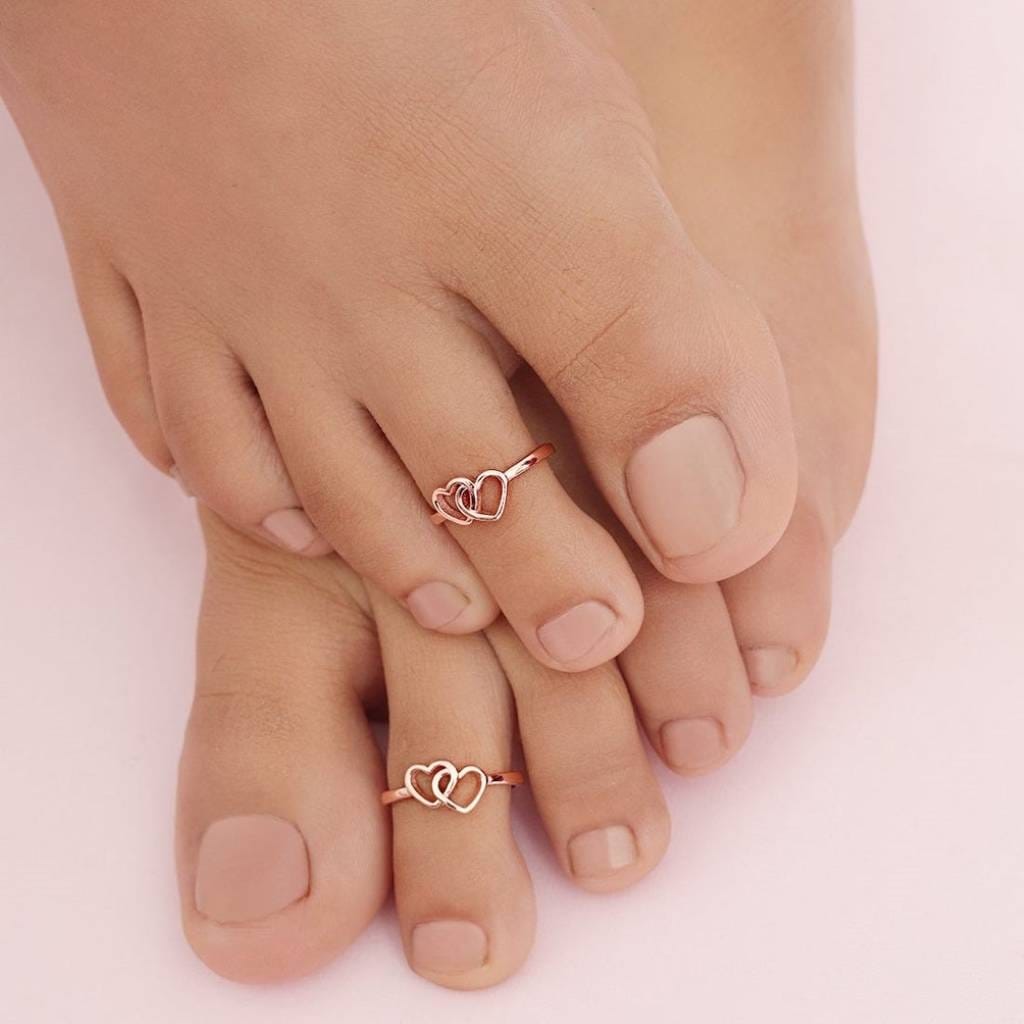
Butterflies, hearts, leaves, stars and even tiny seashells: this is how the new generation of brides wears tradition. The motifs are small and playful, often in silver, rose gold or gold tone.
- Best for: young brides, college-goers and anyone who wears western clothes often
- Wear with: dresses, cropped trousers, shorts and strappy sandals
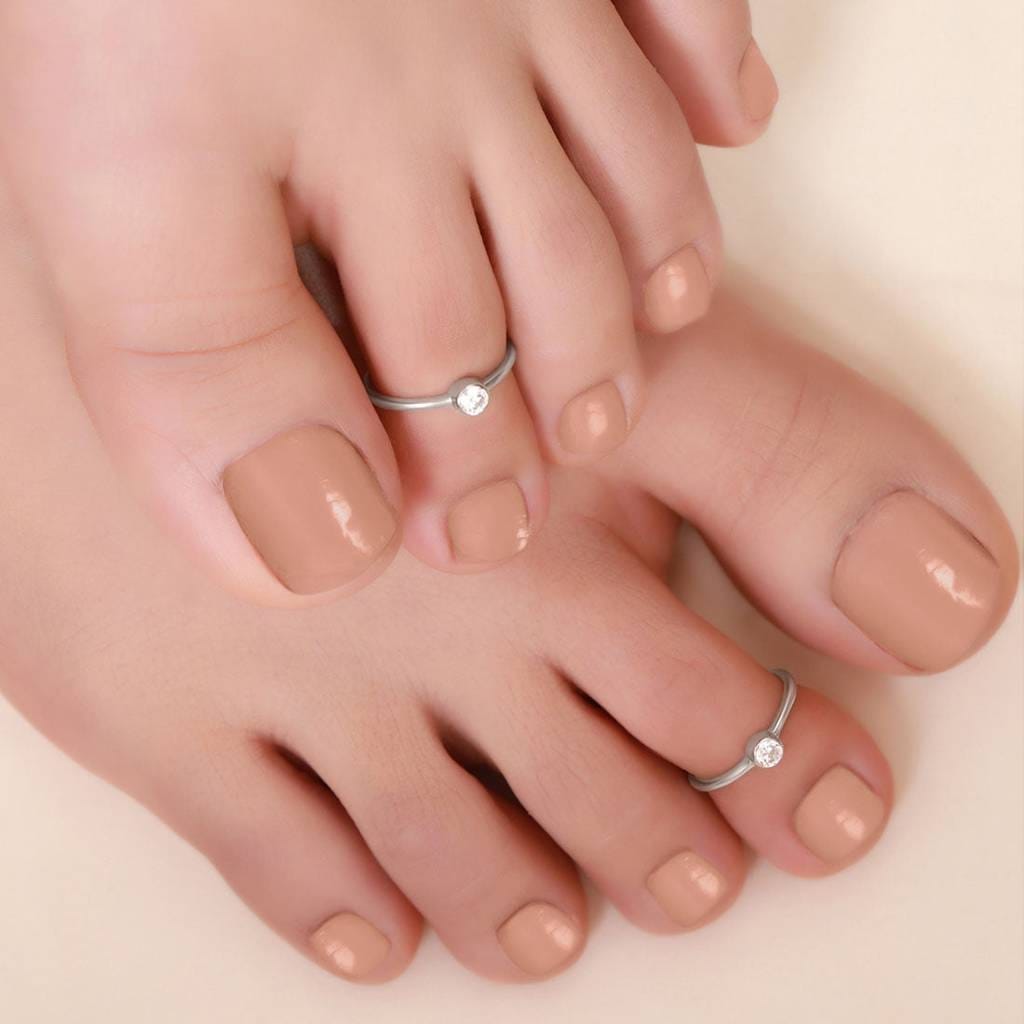
5. Stone-Studded Bichiya
These bichiyas carry a little sparkle: a single solitaire-style CZ, a row of small stones, or coloured stones in ruby red, emerald green or amethyst purple. They catch the light every time you step out of the house.
- Best for: parties, festivals and matching your outfit's colour
- Wear with: silk sarees, lehengas and heels with an open toe
- Keep in mind: check the stone settings now and then, since daily rubbing can loosen small stones
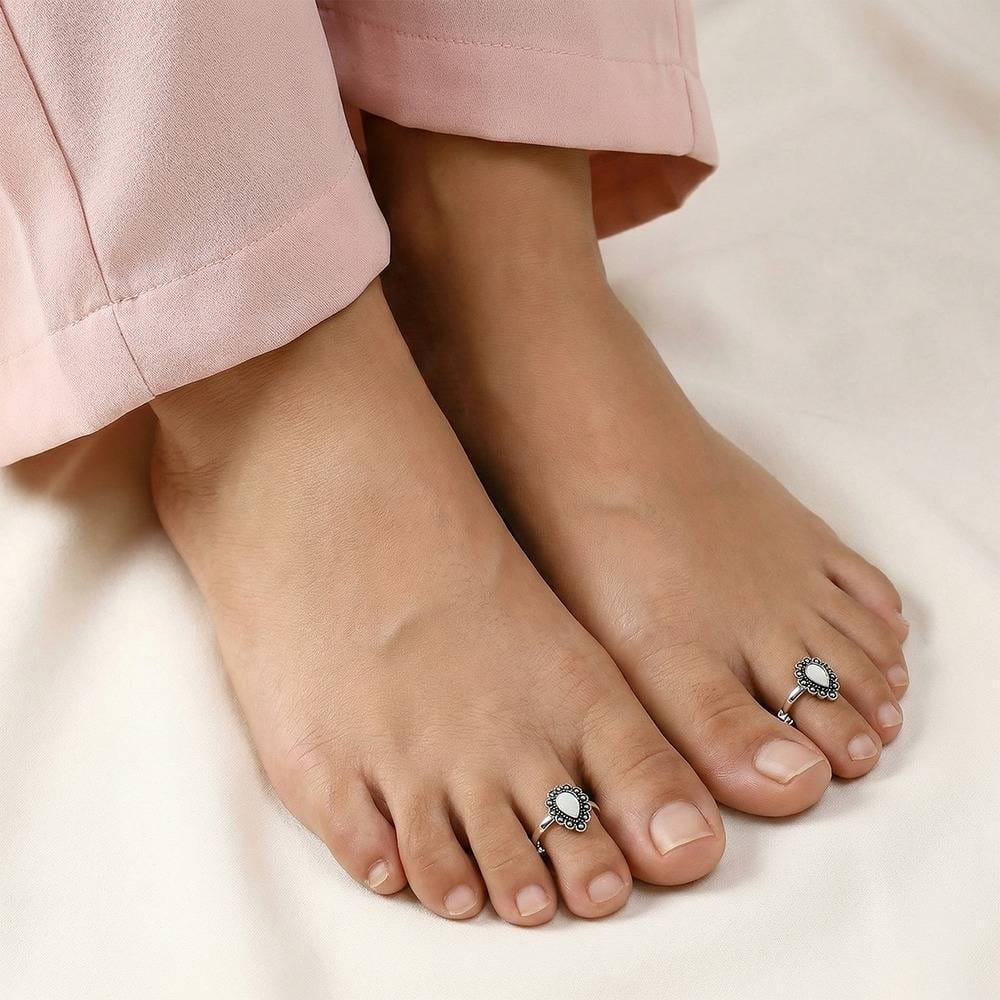
6. Oxidised Bichiya
Oxidised silver is darkened on purpose, so the design looks old, earthy and handcrafted. Peacocks, braids, vines and tribal patterns look especially beautiful in this finish.
- Best for: anyone who loves oxidised jhumkas and handloom sarees
- Wear with: cotton sarees, block-print kurtas and kolhapuris
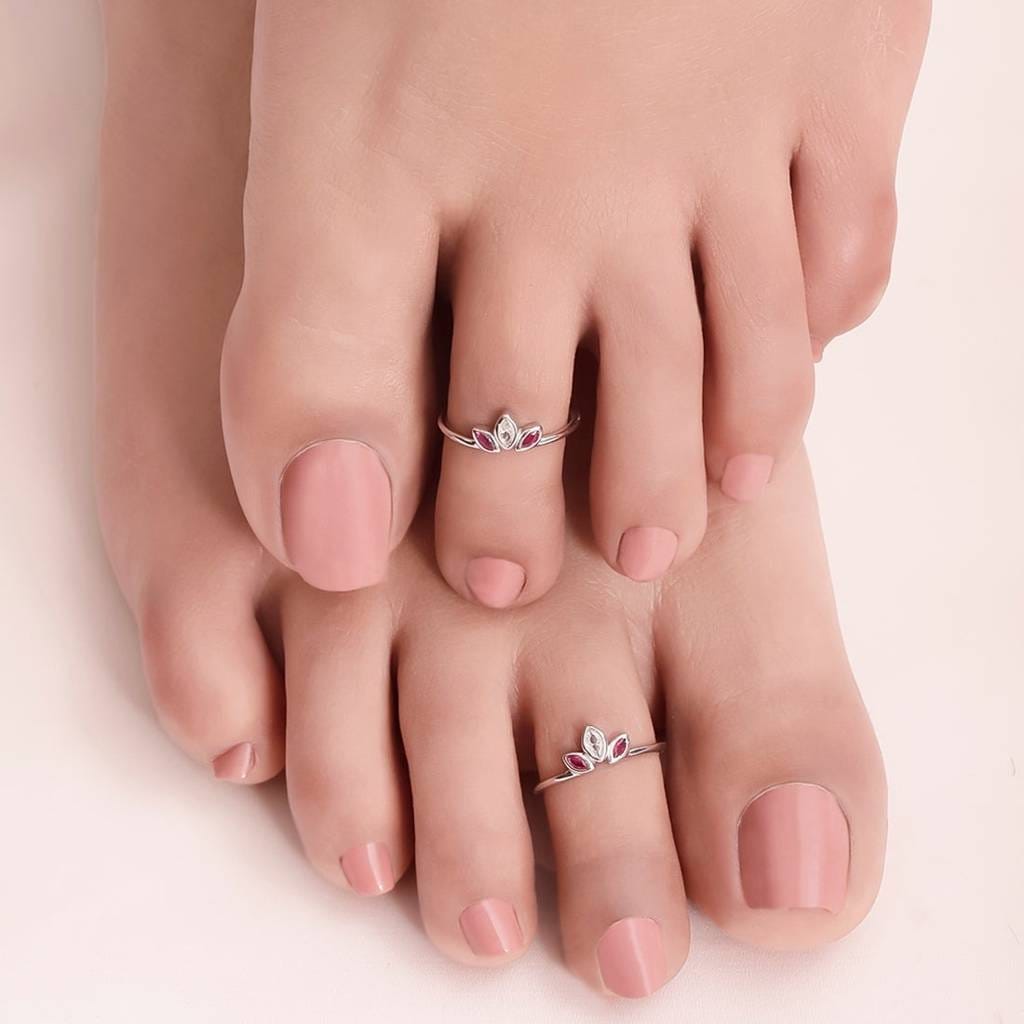
7. Meenakari or Enamel Bichiya
Meenakari is the old craft of filling metal designs with coloured enamel, the same art you see on Rajasthani jewellery. On a bichiya, it adds small pops of pink, blue or green to the silver.
- Best for: festive wear, haldi and mehndi functions
- Wear with: bright lehengas, bandhani and leheriya outfits
8. Ghungroo Bichiya
Tiny silver bells hang from the ring and make a soft chhan-chhan as you walk. In many homes, that sound is part of the new bride's welcome.
- Best for: weddings, pujas, Karwa Chauth and festivals
- Wear with: a matching ghungroo payal for the complete sound
- Keep in mind: the bells can catch on carpets and bedsheets, so keep this pair for special days
9. Coiled Bichiya
A thin silver wire is wound round and round in a spiral, so the ring covers more of the toe. Coiled toe rings are often seen in traditional Rajasthani and Maharashtrian jewellery.
- Best for: traditional looks and anyone who wants a bolder bichiya
- Wear with: Rajasthani poshak, Maharashtrian nauvari sarees and festive ethnic wear
10. Three-Toe Chain-Linked Set
Three toe rings are joined by delicate chains, so they spread across three toes like a small piece of foot jewellery. This set is popular in parts of Madhya Pradesh and Andhra Pradesh, and with brides who want a dramatic look.
- Best for: brides, wedding photoshoots and big family functions
- Wear with: a heavy lehenga or bridal saree where the feet will be photographed
11. Bichiya With Anklet Chain
Here, the toe ring is joined to an anklet by a chain that runs over the top of the foot, a little like a hathphool for your feet. It turns the toe ring and payal into one piece.
- Best for: brides, mehndi and sangeet, and beach or destination weddings
- Wear with: bare feet or flat sandals, so the chain stays visible
If you'd rather build the look yourself, pair a simple bichiya with a delicate chain anklet. Our guide on wearing anklets and toe rings together shows how to balance them.
Regional Bichiya Styles Across India
The bichiya changes its name and its look as you travel across India. These traditions vary from family to family, but a few regional styles stand out:
- Maharashtra (jodvi): Brides often wear a pair of silver toe rings called jodvi, along with traditional jewellery like the nath and green glass bangles.
- Tamil Nadu (metti): Silver metti are part of the wedding itself. In many Tamil weddings, the groom places the metti on the bride's toes during the ceremony, and South Indian designs tend to be slightly heavier, sometimes with temple-inspired details.
- Rajasthan: Oxidised finishes, coiled designs and bold tribal patterns are common, often worn with heavy silver payals.
- North India: Bichiyas are usually simpler silver bands or small floral designs, light enough to wear every day after the wedding.
Did you know? In many Maharashtrian families, the jodvi is gifted to the new bride by her mother-in-law, as a welcome into the family.
Bridal vs Daily Wear Bichiya: Which Design Suits You?
Many women buy two kinds of bichiya: a heavier pair for the wedding and the first few festivals, and a lighter pair for everyday life after.
| Bridal bichiya | Daily wear bichiya | |
|---|---|---|
| Designs | Ghungroo, meenakari, three-toe sets, anklet-chain sets | Plain bands, adjustable, small floral or motif |
| Weight | Heavier, more detailed | Light, flat |
| Comfort | Fine for a few hours | Comfortable all day, even in shoes |
| Pairs well with | Heavy payals, bridal lehenga or saree | Simple anklets, everyday footwear |
| When to wear | Wedding, pujas, festivals | Office, home, travel |
For brides putting together the full look, browse the wedding jewellery edit, and keep a light daily pair ready for the weeks after the wedding.
Easy way to remember: Bells and chains for the wedding, bands and blooms for every day.
How to Choose the Right Bichiya Design
A beautiful bichiya that hurts by lunchtime will end up in a drawer. Run through these quick checks before you buy:
- Think about your day. If you walk a lot, take the metro or wear closed shoes to work, choose a flat plain or adjustable design.
- Match your other jewellery. Silver bichiya goes best with silver payals. Oxidised looks right with oxidised jewellery, and rose gold tone with rose gold.
- Pick adjustable if you're unsure of size. It's also the safest choice for gifting.
- Check for the silver stamp. Real sterling silver toe rings usually carry a 925 mark. It means 92.5% pure silver.
- Mind your skin. If you have sensitive skin, stick to 925 silver and avoid cheap plated metal.
For sizing help and a deeper look at metals, see our ultimate guide to toe rings for women.
Good to know: 925 sterling silver is 92.5% pure silver mixed with a little copper for strength. Pure silver alone would be too soft to hold a toe ring's shape.
Conclusion
From your grandmother's plain silver band to a bride's tinkling ghungroo set, every bichiya design tells a small story about the woman wearing it. Choose a festive pair for the big days and a light, comfortable pair for the everyday ones, and let them carry you through both. When you're ready to pick yours, the full range of toe rings has everything from simple bands to floral and stone-studded designs.
Frequently Asked Questions
1. How many bichiya should a married woman wear?
Traditionally, one bichiya on the second toe of each foot, so a pair in total. Some women, especially brides, add rings on the third and fourth toes too, and there is no fixed limit in modern styling.
2. Which toe is the bichiya worn on?
A bichiya is traditionally worn on the second toe, the one next to the big toe, on both feet. Some women also wear extra rings on the third toe for a fuller look.
3. Which bichiya design is best for daily wear?
A plain silver band or a small adjustable design is best for daily wear. They are flat, light and comfortable even in closed shoes, and have no bells or stones to catch on things.
4. Can unmarried girls wear bichiya?
Traditionally, bichiya is worn by married women, but many unmarried girls now wear toe rings as a fashion accessory. Modern motif designs like butterflies and hearts are especially popular for this.
5. Why is bichiya made of silver and not gold?
Many Hindu families avoid wearing gold below the waist, because gold is linked to Goddess Lakshmi. That's why bichiya, like payal, is traditionally made of silver.
6. What is a bichiya called in Marathi and Tamil?
In Marathi, toe rings are called jodvi, and in Tamil they are called metti. Both are worn by married women and are an important part of wedding jewellery in those regions.
7. Are adjustable bichiya good?
Yes. Adjustable bichiya fit most toes, are easy to resize at home and are the safest choice when you don't know your size or are buying a gift.
8. Can I wear a bichiya with shoes?
Yes, if you choose a flat design like a plain band or a small floral bichiya. Avoid ghungroo, stone-heavy or chain-linked designs in closed shoes, since they can press into the toe.
9. How do I clean a silver bichiya?
Wash it in warm water with a little mild soap, scrub gently with a soft toothbrush, and dry it fully. For dull silver, a silver polishing cloth brings the shine back without scratching the design.