How to Get the Full Bridal Look on a Budget: 10 Ideas
Planning bridal jewellery on a budget? These 10 ideas show where to spend, where to save, and how to make budget pieces look expensive.
You can look completely bridal on a budget. The trick is to spend on what the camera sees most, your necklace and earrings on the wedding day, and save on everything else. Budget bridal jewellery today is not the shiny, fake-looking stuff of a decade ago: gold-plated kundan, polki-look sets, lab-grown stones and well-made oxidised silver photograph beautifully. Add a little planning, like reusing pieces across functions, and your money goes much further.
Here are 10 ideas, in the order you will need them, from the big wedding-day decisions to the pieces you will wear long after.
Before we start, let me tell you about Eternz, a trusted jewellery marketplace featuring 400+ jewellery brands, with authenticity certification on every piece and fast, same-day delivery in major cities. First-time users can also save with ETERNZ5 for up to ₹50 off on ₹499+, ETERNZ10 for up to ₹100 off on ₹999+, or ETERNZ300 for up to ₹300 off on ₹2,500+, valid on both the app and website.
Use this table to jump to the ideas that matter most to you:
| Idea | Best for | Where it saves you money |
|---|---|---|
| 1. One heavy set, everything else light | The whole wedding | Fewer expensive sets |
| 2. Gold-plated kundan or polki-look sets | Wedding day | The biggest single purchase |
| 3. Big earrings instead of a necklace | Sangeet, reception, high-neck blouses | A whole necklace |
| 4. Convertible sets | Several functions | Buying two sets |
| 5. Lab-grown diamonds | Reception | The diamond look |
| 6. Oxidised silver | Haldi, mehendi | Pieces at risk of stains |
| 7. Heirloom plus new | Wedding day | Most of the wedding set |
| 8. Gold vermeil | Pieces you will re-wear | Replating and replacing |
| 9. Spend on daily pieces | After the wedding | Pieces that sit in a locker |
| 10. 14K or 18K gold | Real gold buys | Gold you can't wear daily |
1. Choose One Heavy Set and Keep Everything Else Light
The easiest way to save is to decide, before you shop, that only one set gets to be grand.
Why it saves: Most of the money in bridal jewellery goes into heavy sets. When only the wedding-day set is heavy, every other function can be covered with lighter, cheaper and more wearable pieces.
- The wedding-day set: This is the one in your album and the one your family will remember. Put most of your jewellery budget here.
- The functions: Haldi, mehendi and sangeet are louder, messier and more about dancing than posing. Light pieces suit them better anyway.
- The reception: A statement necklace or big earrings, not a second heavy set.
- The count: Most brides need 3 to 5 sets in total. This guide on how many jewellery sets you need helps you work out your number.
Pro tip: Write a jewellery budget for the wedding day first, and only then split what is left across the other functions. Doing it the other way round is how the wedding-day set ends up squeezed.
2. Pick Gold-Plated Kundan or Polki-Look Sets for the Wedding Day
A well-made gold-plated kundan or polki-look set gives you the full bridal look in photos for a fraction of what real gold costs.
Why it saves: Kundan and polki-look jewellery gets its grandeur from the stones and the design, not the weight of gold. Plated versions keep that design and drop most of the cost.
- Choose the base metal: Brass and copper bases hold their shape well for heavy sets. Check the product details for the base metal and the finish.
- Look at the setting: Stones that sit neatly in their frames, with no gaps or glue marks, look far more expensive.
- Choose the full set: Sets that come with a matching maang tikka save you hunting for one that fits the colour.
- Match it to your outfit: Pick the stone colour from your lehenga's border, not its main colour.
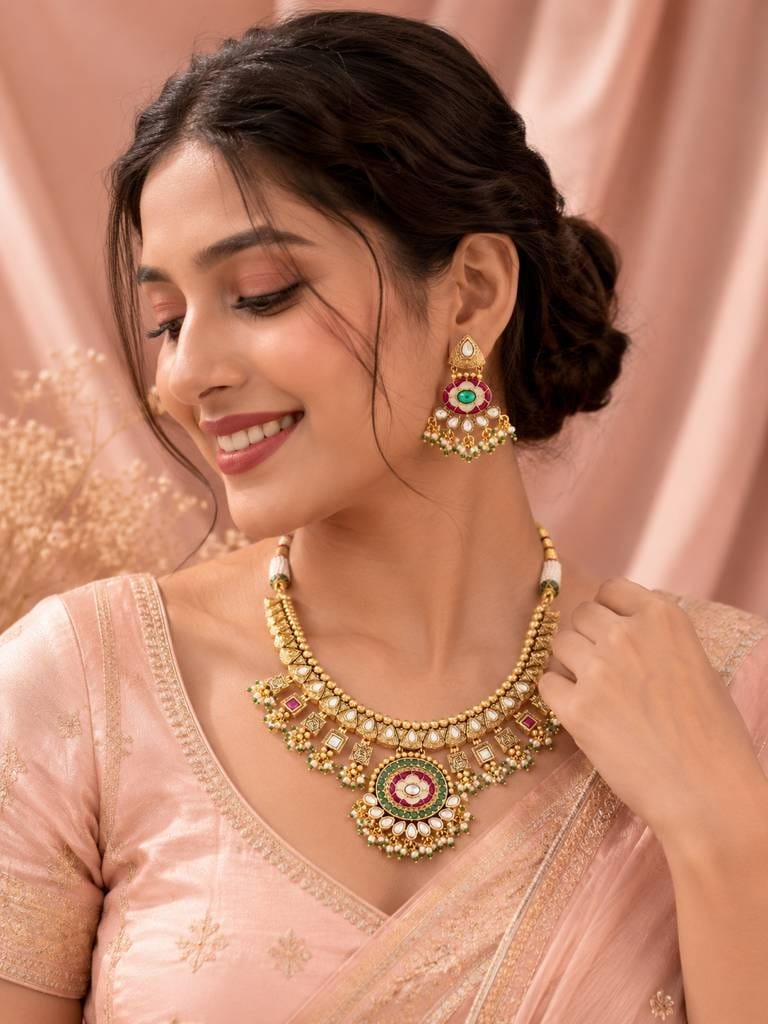
Here is a plated polki-kundan set with matching earrings that fits this idea well:
Pro tip: Zoom into the product photos at the back of the necklace and the earring hooks. Cheap sets cut corners where you don't look first. Good ones are neat all round.
Good to know: Polki uses uncut diamonds, while kundan uses glass or stones set in gold foil. A "polki-look" set gives you the uncut sparkle at a much lower cost. This comparison of polki vs kundan explains the difference in detail.
3. Let Big Earrings Do the Work Instead of a Necklace
For some looks, you can skip the necklace completely and put the money into one pair of show-stopping earrings.
Why it saves: A statement earring pair costs far less than a full necklace set, and earrings sit right beside your face in every close-up photo.
- When it works best: With high-neck or collar blouses, heavily embroidered necklines, and off-shoulder reception gowns.
- What to choose: Long chandbalis, layered jhumkas or shoulder-grazing statement earrings.
- What to add: A maang tikka in the same style finishes the look without a necklace.
- What to check: The earring weight in the product details, especially for a long ceremony.
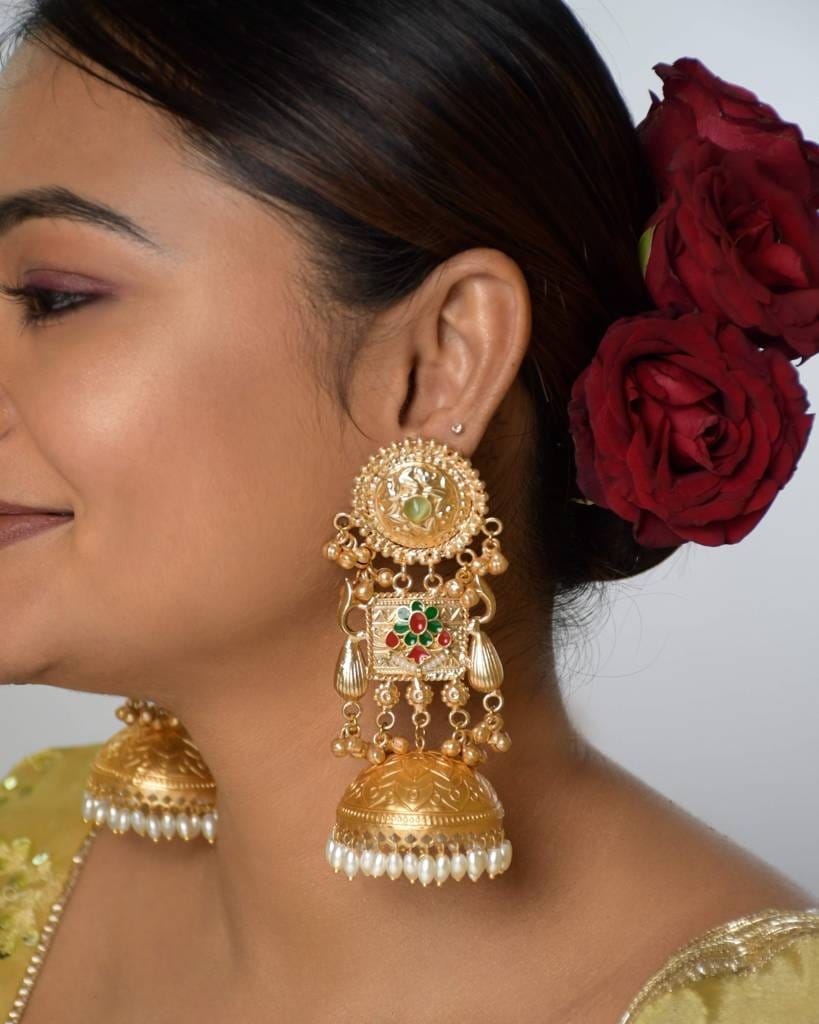
Here is a pair of long kundan earrings that can carry the look on their own:
Pro tip: If your earrings are heavy, a thin ear chain clipped into your hair takes the weight off your earlobes and adds to the look.
4. Buy a Convertible Set That Works More Than Once
Some sets come apart or change shape, so one purchase can look like two.
Why it saves: A choker that also works as a short necklace, or a tikka that pins into a bun, gives you a second look without a second set.
- Choker plus long necklace: Wear both on the wedding day, then the choker alone at the reception.
- Detachable drops: Some earrings have removable jhumka drops, so they work as studs later.
- Tikka as a hair piece: A maang tikka can be pinned into a bun or a side braid for a different look.
- Neutral stones: White, pearl and polki-look stones go with more outfits than bright red or green.
Look in choker sets and long necklaces for pairs you can wear together and apart.
Pro tip: Before you order, picture each piece of the set worn alone. If you would happily wear each piece on its own, the set will work hard for you.
5. Go Lab-Grown for the Diamond Look at the Reception
If you want real diamond sparkle for the reception, lab-grown diamonds cost far less than mined ones.
Why it saves: A lab-grown diamond is a real diamond, grown in a lab rather than mined. It looks the same, but the price is much lower than a mined diamond of the same size.
- Where it fits: The reception, a cocktail night, or a pastel lehenga where yellow gold looks too strong.
- What to choose: Drop earrings or a slim necklace give the most sparkle for your spend.
- What to check: The certificate, such as IGI, and whether the metal is gold or gold-plated silver.
- How it lasts: These are pieces you can wear again, at work dinners and family functions.
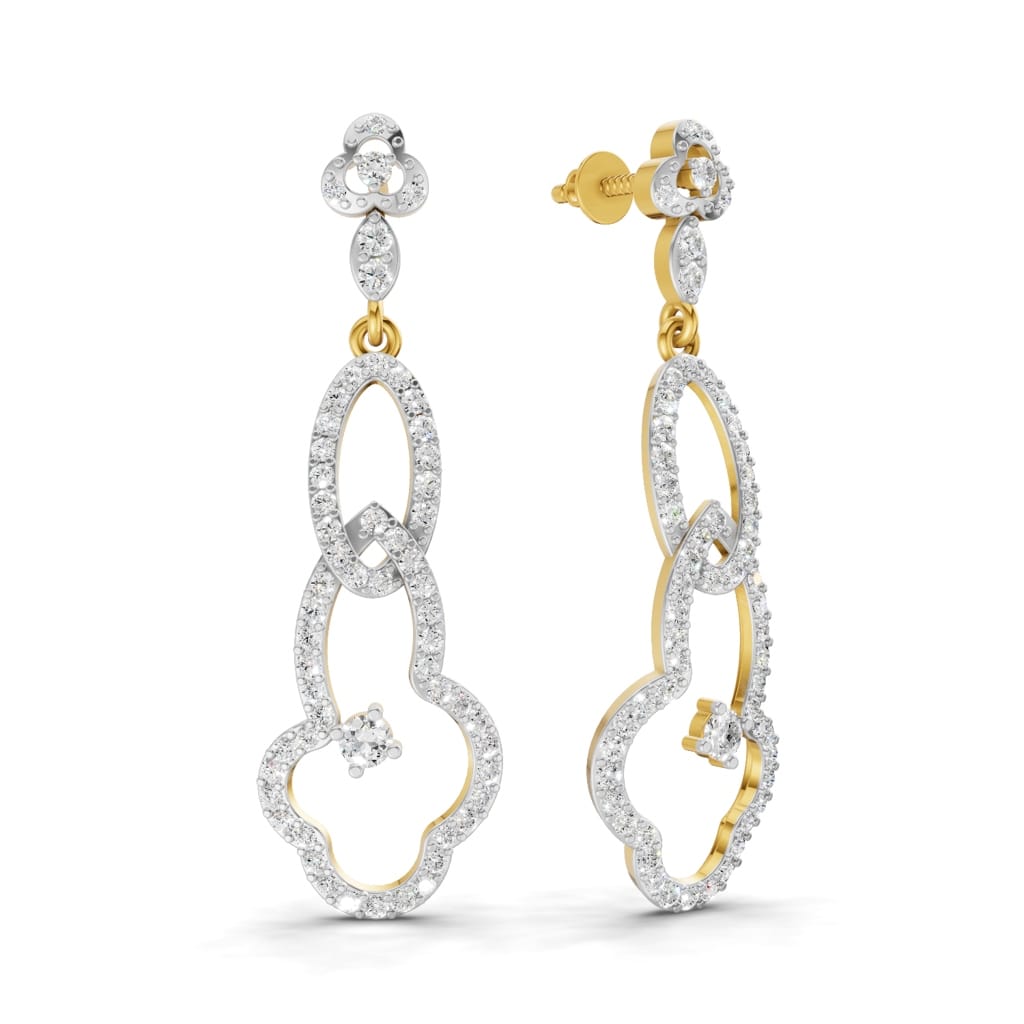
Here is a pair of lab-grown diamond drop earrings. Check the metal and the certificate in the product details before you order:
Browse more lab-grown diamond jewellery, and if you are wondering about value, read are lab-grown diamonds a good investment.
Did you know? Lab-grown diamonds have the same chemical makeup as mined diamonds. You can't tell them apart by eye. Only a lab test can.
6. Use Oxidised Silver for Haldi and Mehendi
These are the two messiest functions of the wedding, so they are the last place to spend on expensive jewellery.
Why it saves: Oxidised jewellery sets cost little, look fresh with yellow and green outfits, and you won't worry when turmeric or mehendi gets on them.
- For haldi: Small oxidised earrings and a light necklace. Keep real gold away from the turmeric paste.
- For mehendi: A hair chain, oxidised jhumkas and bangles. Skip rings until the mehendi dries.
- For colour: Oxidised pieces with pink and green stones pick up mehendi outfit colours well.
- For later: These pieces become your kurta and casual festive jewellery after the wedding.
Pro tip: Wipe oxidised pieces with a dry cloth after haldi. Water and turmeric left overnight can dull the finish.
7. Mix Heirloom Pieces With New Ones
Your mother's or grandmother's jewellery can be the heart of your wedding look, which means you only buy what is missing.
Why it saves: If an heirloom necklace covers the wedding-day neck, you only need to buy earrings, a tikka or bangles to complete it.
- Start with the heirloom: Let it decide the metal tone and the stone colours for the rest.
- Add new pieces that match: A maang tikka or earrings in the same tone tie old and new together.
- Freshen it up: A gentle clean brings back the shine before the wedding.
- Make it meaningful: Wearing family jewellery is one of the most loved parts of many bridal looks, not a compromise.
Pro tip: Check heirloom and new pieces side by side in daylight. Old gold is often warmer in colour, and the difference shows in photos.
8. Choose Gold Vermeil Over Plain Plating for Pieces You Will Re-Wear
For the pieces you plan to keep wearing after the wedding, gold vermeil lasts much longer than ordinary gold plating.
Why it saves: Gold vermeil is sterling silver with a thicker layer of gold. It costs more than plated jewellery, but it lasts longer, so you don't keep replacing pieces that have faded.
- Best for: Earrings, bangles, chains and light necklaces you will wear to work and family events.
- Not needed for: Heavy one-time sets, like the wedding-day choker, which you will wear only a few times.
- What to check: The product details should say "gold vermeil" or "925 sterling silver with gold". Plain "gold-plated" usually means a thinner layer.
- How to care for it: Keep it away from perfume and water, and store it in a pouch.
This guide explains gold vermeil vs gold plated in more detail.
9. Spend on the Mangalsutra and Toe Rings You Will Wear Daily, Save on the Rest
A budget doesn't mean saving everywhere. It means saving on what you will wear once and spending on what you will wear every day.

Why it saves: A heavy one-time set sits in a locker for most of the year. A good mangalsutra and toe rings are worn daily for years, so they give you far more use for your money.
- Mangalsutra: Choose real gold or good-quality vermeil in a light design you can wear daily.
- Toe rings: 925 silver is the usual choice and lasts well.
- Everyday studs: One small pair you can wear daily is worth more than a third pair of heavy earrings.
- What to skip instead: A second heavy necklace for the reception.
For what new brides actually wear day to day, see the guide on jewellery to wear after marriage.
Pro tip: If you are torn between two splurges, ask yourself which one you would still be wearing a year from now.
10. Buy Real Gold in Lighter 14K or 18K Instead of Heavy 22K
If your family wants some real gold in your trousseau, 14K and 18K pieces give you real, hallmarked gold at a lower cost than 22K.
Why it saves: 22K gold is about 91.6% pure gold, 18K is 75% and 14K is about 58.5%. Less gold means a lower cost, and the harder alloy also makes the piece sturdier for daily wear.
- Best for: Pieces you will wear often, like the mangalsutra, studs, slim bangles and rings.
- What to look at: 18K gold jewellery for a richer colour, and 14K gold jewellery for sturdier daily pieces.
- What to check: The BIS hallmark and HUID code on every gold piece. This guide to gold hallmarking in India shows what to look for.
- The trend: Many brides now choose lighter gold. This piece on why brides are moving from heavy gold to neo-heritage pieces explains why.
If you are comparing purities, read 10K vs 14K vs 18K gold.
The one-liner to remember: The camera remembers your face and your necklace. Spend there, and save everywhere else.
Where Not to Cut Corners on Bridal Jewellery
Saving money is smart, but a few things are not worth saving on, because they decide whether you are comfortable for a 10-hour day.
- Skin-safe metal: If your skin reacts to some metals, look for nickel-free or sterling silver pieces. An itchy neck through the pheras is not worth the saving.
- Strong clasps and hooks: Heavy necklaces need sturdy hooks or a proper dori, and bangles need clasps that won't open while you dance.
- Earring backs: Heavy jhumkas need a secure back, or a support chain, to stay put.
- Daily-wear pieces: As in idea 9, the mangalsutra and toe rings are worth spending on.
Quick tip: Do a full trial with makeup, hair and bright lighting at least a week before the wedding. Cheap-looking stones show up most under flash, and you still have time to swap a piece.
How to Make Budget Bridal Jewellery Look Expensive
The way you wear and style budget jewellery matters as much as what you paid for it.
- Keep one metal tone. Mixing yellow gold-tone, rose and silver in one look is what makes jewellery look cheap. One tone looks deliberate.
- Don't stack too many sparkling stones. One statement area, like the necklace or the earrings, looks richer than sparkle everywhere.
- Clean before the shoot. A soft cloth on every piece before the photos makes plated metal shine.
- Store each set separately. Pouches stop scratches and tangles that make pieces look worn.
For more tricks, see these five genius jewellery hacks and how to look expensive on a budget.
What to Buy at Each Budget Level
Here is how these ideas come together, whether your budget is small, mid or a little more relaxed:
| Budget level | Wedding-day set | Function jewellery | Pieces you will keep |
|---|---|---|---|
| Small | Gold-plated kundan or polki-look set, or an heirloom plus new earrings | Oxidised sets and one statement earring pair, reused across functions | Silver toe rings and a light plated mangalsutra |
| Mid | A good polki-look or kundan set with a matching tikka | One statement set, plus lab-grown earrings for the reception | A 14K mangalsutra and silver toe rings |
| Splurge | Real polki or an 18K gold set | Lab-grown diamond pieces and vermeil for the functions | An 18K mangalsutra, studs and slim bangles |
Conclusion
A budget-conscious bride doesn't have to look like one. Put your money into the wedding-day necklace and earrings and the pieces you will wear every day, and let plated, oxidised, lab-grown and reused pieces do the rest. Your photos will show a bride who looks complete, not one who cut corners.
When you are ready, start with the wedding jewellery edit on Eternz, or browse bridal jewellery sets by style. If your list is still too long, these jewellery pieces you can skip will help you cut it down, and the bridal jewellery checklist shows what you need for each function.
Frequently Asked Questions
1. Is artificial jewellery okay for a bride?
Yes. Many brides wear gold-plated kundan, polki-look or temple sets on their wedding day, and they look beautiful in photos. Choose sets with neat stone settings and a good finish, and keep one metal tone across the look.
2. Does kundan jewellery look real in photos?
Good kundan jewellery photographs very well, because the camera sees the stones and the design more than the metal. Look for neat settings with no gaps or glue marks. Do a trial photo in good light before the wedding.
3. Is gold-plated jewellery good for a wedding?
Yes, for the heavy pieces you will wear only a few times. For pieces you will wear often after the wedding, choose gold vermeil or real 14K or 18K gold, because ordinary plating wears off with daily use.
4. Can I wear lab-grown diamonds as a bride?
Yes. Lab-grown diamonds are real diamonds, and they suit receptions, pastel outfits and engagement looks. Check for a certificate such as IGI, and check whether the metal is gold or gold-plated silver.
5. How do I stop plated jewellery from turning black?
Keep it away from water, perfume and sweat for long periods. Wipe it with a soft dry cloth after wearing, and store each piece in its own pouch or airtight bag.
6. Is 18K gold good for bridal jewellery?
Yes, especially for pieces you will wear often, like the mangalsutra, studs and bangles. It is 75% gold, sturdier than 22K, and costs less. Always check the BIS hallmark and HUID code.
7. What is the cheapest way to get a temple jewellery look?
Choose a gold-plated temple jewellery set instead of a real gold one. Add a long haram and a matha patti from the same style. Keep the metal tone the same across every piece.
8. Can I rent bridal jewellery instead of buying?
Renting suits very heavy pieces you will wear only once. For everything else, buying a plated or polki-look set means you keep it for future festivals and family weddings. Compare the rental cost with the price of buying before you decide.