Why Indians Buy Gold on Dhanteras: History, Significance & Traditions
Discover why Indians buy gold on Dhanteras. Explore the history, religious beliefs, cultural significance and traditions that make gold purchases auspicious.
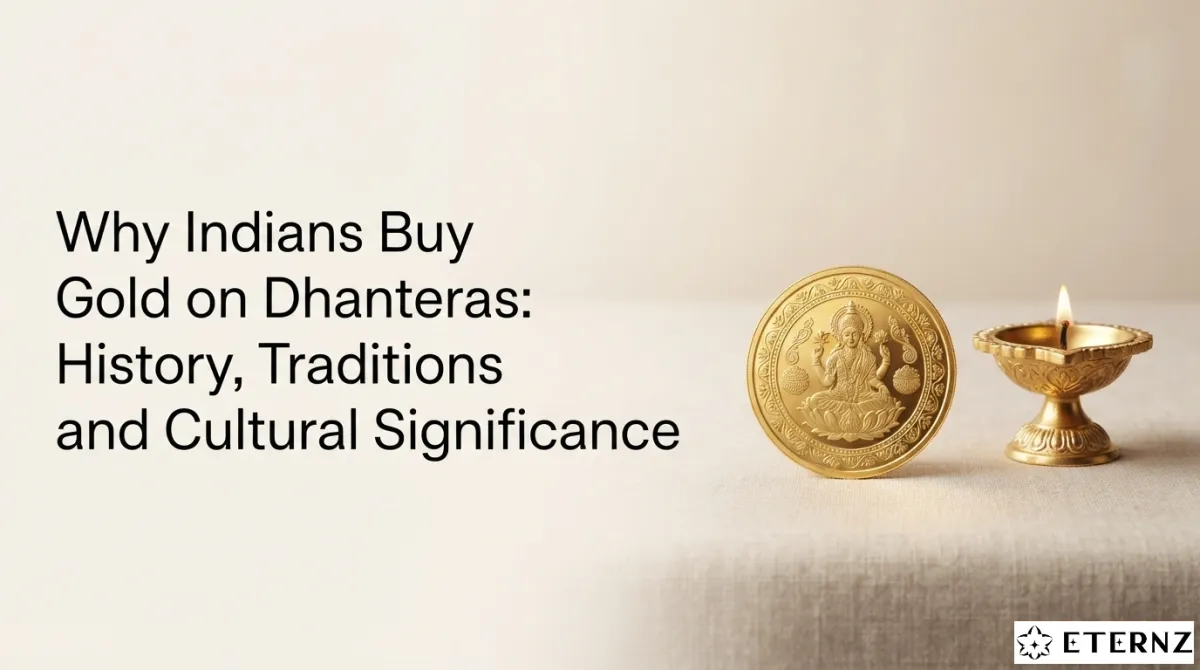
Indians buy gold on Dhanteras because the day is devoted to wealth and protection. "Dhan" means wealth, and Dhanteras is the day families worship Goddess Lakshmi and Lord Kubera, the god of riches. A popular legend also tells of a young bride who used a heap of gold and the light of lamps to save her husband from death, which is why gold, silver and lamps are all part of the day.
Over centuries, that belief joined a practical habit: for Indian families, gold has always been savings, security and something to pass down. Dhanteras 2026 falls on Friday, 6 November.
Before we start, let me tell you about Eternz, a trusted jewelry marketplace featuring 400+ jewelry brands, with authenticity certification on every piece and fast, same-day delivery in major cities. First-time users can also save with ETERNZ5 for up to ₹50 off on ₹499+, ETERNZ10 for up to ₹100 off on ₹999+, or ETERNZ300 for up to ₹300 off on ₹2,500+, valid on both the app and website.
Dhanteras at a Glance
| Detail | |
|---|---|
| Dhanteras 2026 | Friday, 6 November 2026 |
| Other names | Dhantrayodashi, Dhanatrayodashi, Dhanvantari Jayanti |
| Meaning of the name | Dhan (wealth) + Teras (the 13th lunar day) |
| Lunar day | Trayodashi of Krishna Paksha (the waning moon) |
| Place in Diwali | The first day of the five-day Diwali festival |
| Deities worshipped | Goddess Lakshmi, Lord Kubera, Lord Dhanvantari, and Yama with a lamp at dusk |
| Main customs | Buying gold, silver or utensils, Lakshmi-Kubera puja, lighting the Yama Deepam |
| Puja muhurat 2026 (New Delhi) | 6:02 PM to 7:57 PM |
| Diwali Lakshmi Puja 2026 | Sunday, 8 November 2026 |
What Is Dhanteras and When Is It in 2026?
Dhanteras is the first day of Diwali. It falls on Trayodashi, the 13th day of the waning moon, two days before the new moon night of Lakshmi Puja.
The month has two names, depending on which Hindu calendar a region follows. In North India, where months end on the full moon, it is the Kartik month. In much of West and South India, where months end on the new moon, the same day falls in Ashvin. It is the same day either way, just named differently.
Dhanteras 2026 timings (New Delhi, as per Drik Panchang):
- Date: Friday, 6 November 2026
- Trayodashi tithi: 10:30 AM on 6 November to 10:47 AM on 7 November
- Dhanteras puja muhurat: 6:02 PM to 7:57 PM
- Pradosh Kaal: 5:33 PM to 8:09 PM
- Yama Deepam: at dusk on 6 November
Because Dhanteras follows the lunar calendar, its date moves every year, usually between mid-October and mid-November. In 2025, it fell on 18 October. In 2024, it was 29 October.
The Legends Behind Dhanteras
Dhanteras brings together several stories. Each one explains a different part of the day: the worship, the buying of metal, and the lamps.
Dhanvantari and the churning of the ocean
In the story of the Samudra Manthan, the gods and demons churned the cosmic ocean to find amrit, the nectar of immortality. Lord Dhanvantari, the physician of the gods and the god of Ayurveda, rose from the ocean holding a pot (kalash) of amrit. This is believed to have happened on Trayodashi, so Dhanteras is also Dhanvantari Jayanti, his birthday.
Many families link the custom of buying a new metal pot or utensil on Dhanteras to the pot Dhanvantari carried. It is one reason utensils sit alongside gold on the shopping list.
Goddess Lakshmi and Lord Kubera
Goddess Lakshmi, the goddess of wealth and good fortune, is also believed to have emerged from the same churning of the ocean. On Dhanteras, she is worshipped together with Lord Kubera, the treasurer of the gods.
This is the heart of why gold is bought on the day. Gold is closely linked to Lakshmi, and bringing new gold or silver home on Dhanteras is seen as welcoming her before the main Lakshmi Puja on Diwali night. Drik Panchang notes that the puja is best done during Pradosh Kaal, the period just after sunset.
The story of King Hima's son
The legend most often told to explain gold on Dhanteras is about King Hima's son. His horoscope said he would die of a snakebite on the fourth day after his marriage.
His young wife refused to accept this. On that night:
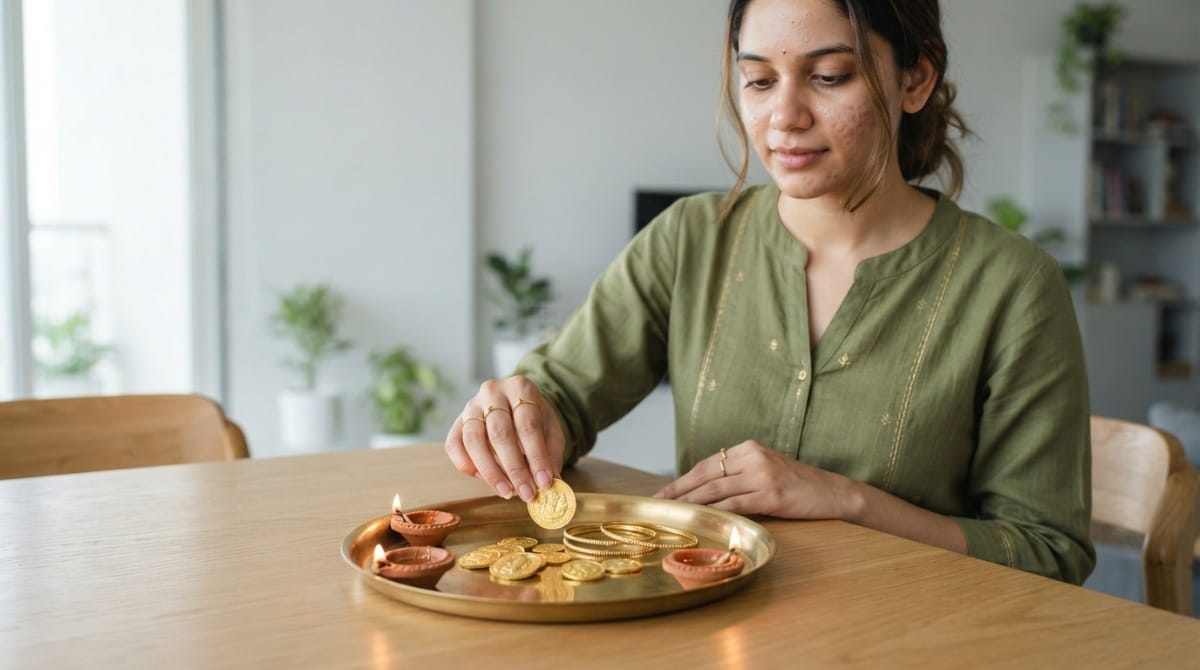
- she piled her gold ornaments and gold and silver coins at the door of their room,
- she lit lamps all around, so the whole room glowed,
- she kept her husband awake all night by telling stories and singing songs.
When Yama, the god of death, arrived in the form of a serpent, he was dazzled by the shining heap of gold and the bright lamps. He could not enter. He sat on the heap of gold, listening to her songs, and left quietly at dawn. The prince was saved. Retellings differ in the small details, but the heart of the story stays the same.
This story ties together the three things families still do on Dhanteras: bring home gold or silver, light lamps, and pray for the long life of the family.
Yama Deepam: a lamp for the god of death
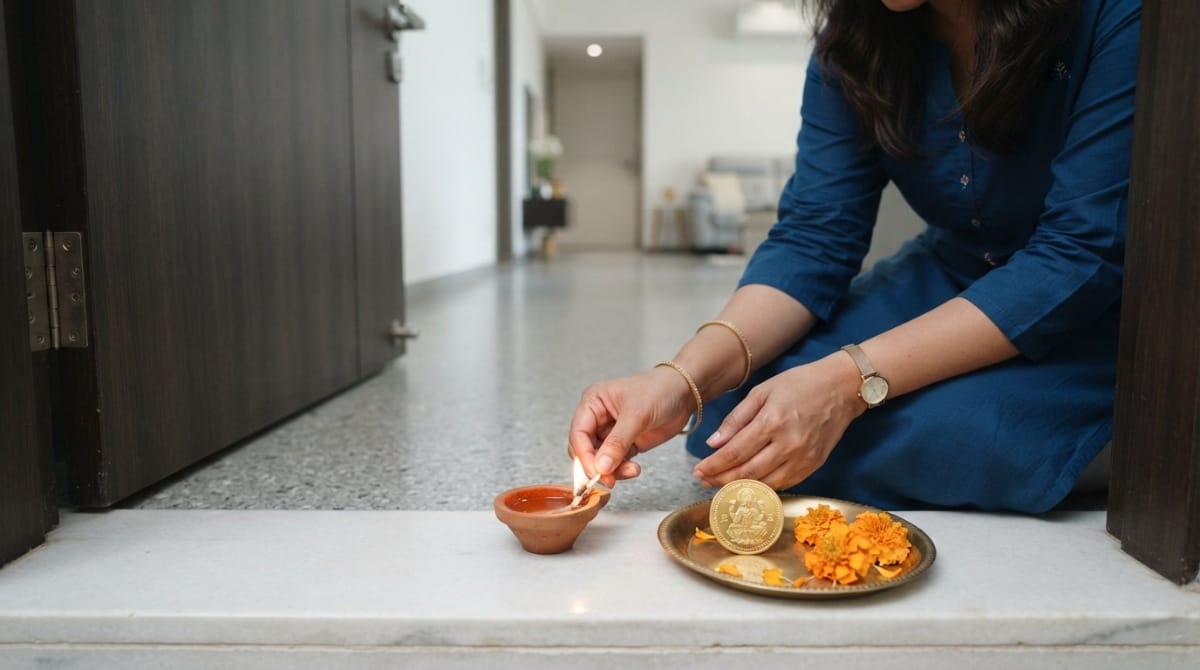
Following the same idea, many families light a lamp for Yama on Dhanteras evening. It is called Yama Deepam or Yamadeepdaan.
- When: at dusk on Trayodashi. In 2026, Drik Panchang gives the evening window in New Delhi as 5:33 PM to 6:51 PM.
- Where: outside the home, usually near the main door.
- Which way: the lamp faces south, the direction linked to Yama. This is one of the few times a lamp is placed facing south on purpose.
- Why: to pray that no family member meets an untimely death.
Some families light 13 diyas made of wheat flour. Others light just one. Customs vary, so follow what your elders do.
Quick fact: In Jain tradition, the day is known as Dhanyateras. It is linked to Lord Mahavira's final days before his nirvana, which Jains mark on Diwali.
Why Gold Specifically? What It Stands For on This Day
So why gold and not just any purchase? Several beliefs come together.
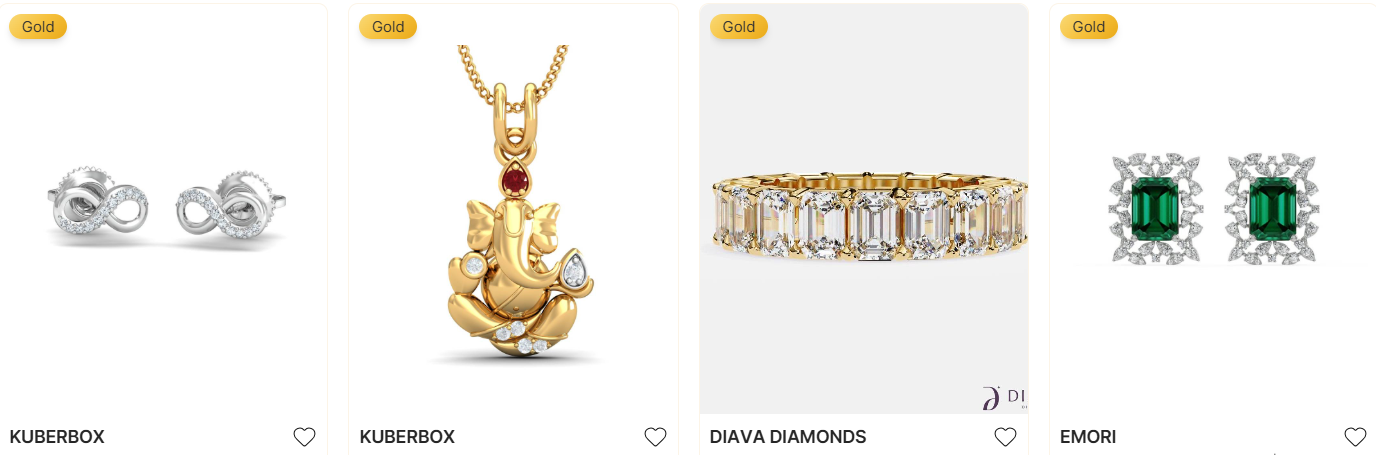
- Gold is a form of Lakshmi. Buying gold on her day is seen as inviting wealth and good fortune into the home for the year ahead.
- It is the first purchase of Diwali. Dhanteras marks a new beginning. Families like to start the festive season with something lasting and valuable.
- Wealth bought today is believed to grow. A common folk belief, quoted even by traders' body CAIT, says that what you buy on Dhanteras multiplies thirteen times, a nod to the 13th lunar day.
- Gold protects. In the King Hima story, gold literally keeps death away. Many people still see gold and silver as protective metals.
- It lasts. Gold doesn't rust or tarnish, so it stands for wealth that stays with the family.
Gold is not the only choice. Silver coins, silver idols of Lakshmi and Ganesh, and steel, brass or copper utensils are all traditional too. Many families buy a pair of Lakshmi-Ganesh idols or coins on Dhanteras and use them in the Diwali puja two days later. For a closer look at the full Dhanteras shopping basket, with data, see what people buy on Dhanteras and Diwali.
How Dhanteras Is Celebrated Across India
The core of Dhanteras is the same across the country, but the details change from region to region.
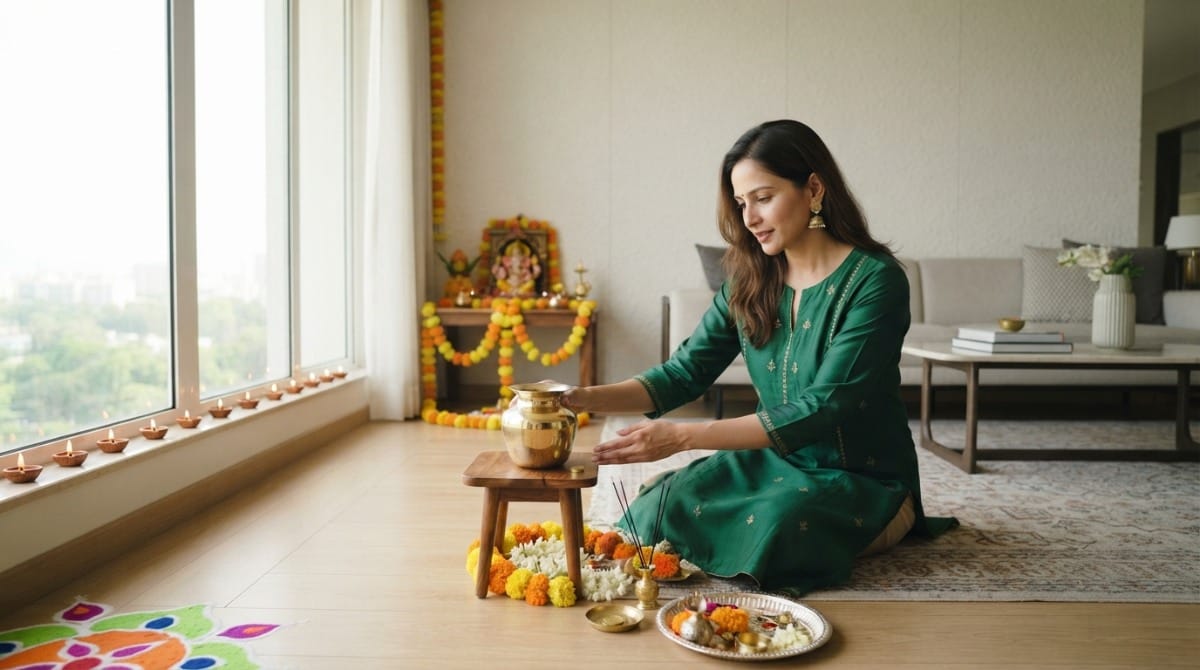
- North India: families clean and decorate the home, buy gold, silver or utensils, and do Lakshmi-Kubera puja in the evening. Many also buy a new broom, which is believed to sweep away poverty and welcome Lakshmi. The Yama Deepam is lit at dusk.
- Maharashtra: a simple offering of dried coriander seeds (dhane) pounded with jaggery is made on Dhanteras. Coriander seeds are a sign of growth and prosperity, and some families keep them with their money or sow them after Diwali.
- Gujarat and trading communities: business families worship their new account books in Chopda Pujan on Diwali, and the Gujarati New Year follows soon after. Buying gold and silver on Dhanteras is part of this fresh start.
- Doctors and Ayurveda practitioners: many honour Lord Dhanvantari on this day with special prayers.
- South India: Deepavali customs here focus more on Naraka Chaturdashi, when families take an oil bath before sunrise. Many families in southern cities also buy gold or silver on Dhanteras.
Dhanteras and Ayurveda: From Ayurveda Day to 23 September
Because Dhanteras is Dhanvantari Jayanti, the Government of India chose it as National Ayurveda Day in 2016. The first Ayurveda Day was celebrated on 28 October 2016, on that year's Dhanteras.
That link changed in 2025. Since Dhanteras moves between mid-October and mid-November every year, the government fixed Ayurveda Day on 23 September every year from 2025, through a gazette notification dated 23 March 2025. Dhanteras is still celebrated as Dhanvantari Jayanti in religious tradition, but it is no longer the official Ayurveda Day.
Beyond Religion: Why Gold Matters So Much to Indian Families
The beliefs explain why gold is bought on Dhanteras. But why does gold carry so much weight in India in the first place? The answer is part culture, part economics.

It is family savings. For generations, gold has been how Indian families save. It is easy to store, easy to sell anywhere in the country, and can be pledged for a loan in an emergency. This matters most in villages and small towns, which have long accounted for a large share of India's gold demand.
It is a woman's security. Gold given to a bride at her wedding is part of her stridhan, property that belongs to her. For many women, it has been a personal safety net. A daily-wear gold mangalsutra or a pair of gold bangles is often both jewellery and savings.
It is passed down. Jewellery moves from mother to daughter and from one generation to the next. Old pieces are often melted and remade for a new wedding.
The scale is huge:
| Fact | Figure | Source |
|---|---|---|
| Gold held by Indian households | An estimated 25,000 tonnes | World Gold Council |
| India's rank among gold consumers | Second largest in the world, after China | Ministry of Commerce data via PTI |
| India's gold demand in 2024 | 802.8 tonnes | World Gold Council |
| India's gold demand in 2025 | 710.9 tonnes, down 11% as prices hit records | World Gold Council |
| Gold imported in 2025-26 | 721 tonnes, at a record value | Ministry of Commerce data |
It is tied to the wedding season. The Indian wedding season runs from about November to March, right after Diwali. Many families make their first wedding gold purchases on Dhanteras because the day is auspicious.
How Dhanteras Gold Buying Has Changed in Recent Years
The tradition is old, but how people follow it is changing, especially as gold prices have hit record highs.
- More coins and bars, less heavy jewellery. World Gold Council data shows India's October to December jewellery demand falling every year from 2023 to 2025, while demand for gold coins and bars rose every year.
- Lighter jewellery. Jewellers report a clear shift towards lightweight pieces, like small gold earrings, thin chains and simple pendants, so families can keep the tradition at a lower weight.
- A big rise in silver. In 2025, trade bodies reported silver coin sales up sharply on Dhanteras, as more buyers chose silver idols and coins as their auspicious purchase.
- Digital gold. Buying small amounts of gold through apps has grown fast, though many families still prefer something they can hold for the puja.
- Old gold exchanged for new. Many families now trade in old jewellery for new pieces instead of buying only fresh gold.
If you are deciding between a coin and a piece of jewellery, our comparison of gold coins vs jewellery explains which one holds value better. To see how prices themselves have moved, read gold and silver prices on Dhanteras from 2022 to 2026.
How to Keep the Dhanteras Tradition Today
You don't need to buy a lot of gold to follow the tradition. What matters is the intention and buying something genuine.
- Start small if you want to. A silver coin, a small gold coin, or a light piece of jewellery all count as an auspicious Dhanteras purchase.
- Buy for the puja. A pair of Lakshmi-Ganesh gold idols or coins, or silver ones, can be worshipped on Diwali and kept for years.
- Buy something you will use. A daily-wear piece carries the blessing of the day every time it is worn.
- Check the hallmark. Make sure gold jewellery carries the BIS logo, purity grade and HUID, and verify the HUID in the BIS Care app. Our complete guide to gold hallmarking in India walks you through it.
- Think about timing and value. If you are also thinking of gold as savings, read is Dhanteras 2026 a good time to buy gold or silver before you decide how much to buy.
- Light the Yama Deepam. The lamp is as much a part of Dhanteras as the gold.
Quick tip: If you are buying online for Dhanteras, check the delivery date on the product page before ordering, so your purchase reaches you in time for the evening puja.
Conclusion
Gold on Dhanteras is about more than shopping. It carries the story of a wife who used gold and light to protect her husband, the worship of Lakshmi and Kubera, and the very practical Indian habit of saving in gold for the family's future. Whether you buy a coin, an idol or a small piece of jewellery this year, you are keeping a tradition that is centuries old. If you want a lasting piece for the occasion, browse our gold necklaces and check the hallmark before you buy.
Frequently Asked Questions
1. Why do we buy gold on Dhanteras?
Dhanteras is devoted to wealth, and gold is linked to Goddess Lakshmi. Buying gold on this day is believed to invite wealth and good fortune for the year. A popular legend also tells of a bride who saved her husband from Yama with a heap of gold and lamps.
2. What is the meaning of Dhanteras?
Dhanteras comes from "Dhan", meaning wealth, and "Teras", meaning the 13th day. It falls on Trayodashi, the 13th day of the waning moon, and is the first day of Diwali.
3. When is Dhanteras in 2026?
Dhanteras 2026 is on Friday, 6 November. In New Delhi, the Trayodashi tithi runs from 10:30 AM on 6 November to 10:47 AM on 7 November, and the puja muhurat is 6:02 PM to 7:57 PM, as per Drik Panchang.
4. What is the story behind Dhanteras?
The best-known story is about King Hima's son, who was fated to die of a snakebite. His wife piled gold and silver at the door, lit lamps and kept him awake, and Yama, dazzled by the glitter, left without taking him. Dhanteras is also linked to Lord Dhanvantari and Goddess Lakshmi rising from the churning of the ocean.
5. Which god is worshipped on Dhanteras?
Goddess Lakshmi and Lord Kubera are worshipped for wealth. Lord Dhanvantari, the god of Ayurveda, is honoured because Dhanteras is his birthday. A lamp is also lit for Yama, the god of death, at dusk.
6. What is Yama Deepam on Dhanteras?
Yama Deepam is a lamp lit outside the home at dusk on Dhanteras, facing south, for Yama, the god of death. It is a prayer that no family member meets an untimely death. Some families light 13 diyas, others light one.
7. Is Dhanteras still National Ayurveda Day?
No. Dhanteras was National Ayurveda Day from 2016 to 2024. From 2025, the government fixed Ayurveda Day on 23 September every year, because the Dhanteras date changes each year.
8. Is it okay to buy silver instead of gold on Dhanteras?
Yes. Silver coins, silver idols of Lakshmi and Ganesh, and silver utensils are all traditional Dhanteras purchases. Many families choose silver because it is more affordable and still auspicious.
9. What else is bought on Dhanteras besides gold?
Families also buy silver, steel, brass or copper utensils, brooms, Lakshmi-Ganesh idols, clay lamps and puja items. Many also buy vehicles and electronics, since the day is seen as lucky for big purchases.
10. Why is a broom bought on Dhanteras?
A new broom is believed to sweep away poverty and bad luck and welcome Goddess Lakshmi, who is linked to cleanliness. It is a common folk custom in many parts of India.