Yellow Gold vs. Rose Gold: Differences, Durability, and Style Guide
Discover the key differences between yellow and rose gold. Learn about their metal composition, durability, price, and how to choose the right one for your skin tone.
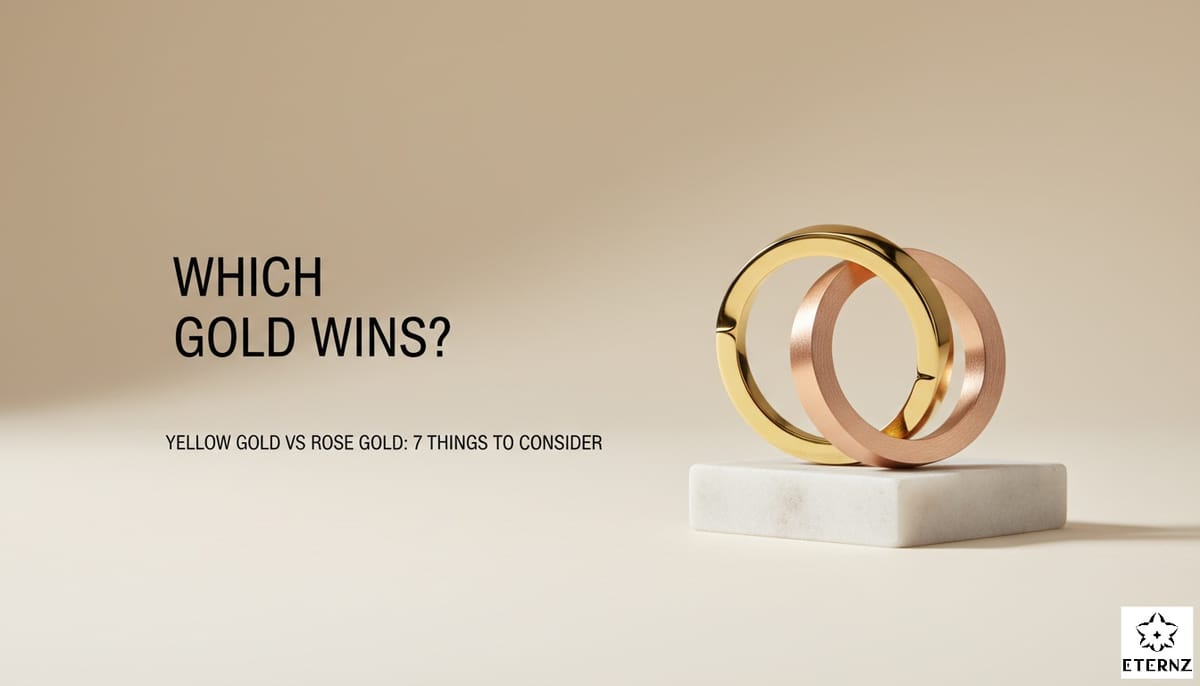
Yellow gold is the classic choice made by mixing pure gold with silver and zinc, while rose gold gets its romantic pink hue from a high percentage of copper. Both are real gold, but they differ in how they look, how long they last, and which skin tones they flatter most.
Choosing between yellow gold and rose gold is more than just a color choice; it is a decision about how your jewelry will age and how it fits your daily life. While yellow gold is the traditional favorite in India for its "pure" look, rose gold has become a modern staple for its durability and unique vintage feel.
What are the main differences in metal composition?
Yellow gold and rose gold are made by mixing pure 24 karat gold with other "helper" metals to make the jewelry strong enough to wear. Yellow gold typically uses silver and zinc to keep its sunny glow, while rose gold uses a heavy amount of copper to create its signature pink or reddish tint.
Pure gold is very soft, like a piece of chocolate that has been sitting in the sun. If you made a ring out of 100% pure gold, it would bend out of shape the first time you clapped your hands. To fix this, jewelers mix it with other metals. This mixture is called an "alloy."
- Yellow Gold Ingredients: Pure gold mixed with silver, copper, and zinc.
- Rose Gold Ingredients: Pure gold mixed with a lot of copper and a tiny bit of silver.
- The 18k Rule: In India, 18k gold (whether yellow or rose) always contains 75% pure gold. The remaining 25% is where the magic happens to change the color.
Do you know? Actually, rose gold was once known as "Russian Gold" because it was popular in 19th century Russia.
| Feature | Yellow Gold Composition | Rose Gold Composition |
|---|---|---|
| Primary Base | 75% Pure Gold (for 18k) | 75% Pure Gold (for 18k) |
| Secondary Metal | Silver and Zinc | High Copper content |
| Color Origin | Natural gold color maintained | Copper oxidation gives the pink tint |
| Historical Popularity | Timeless and Traditional | Vintage and Victorian |
Why is rose gold stronger than yellow gold?
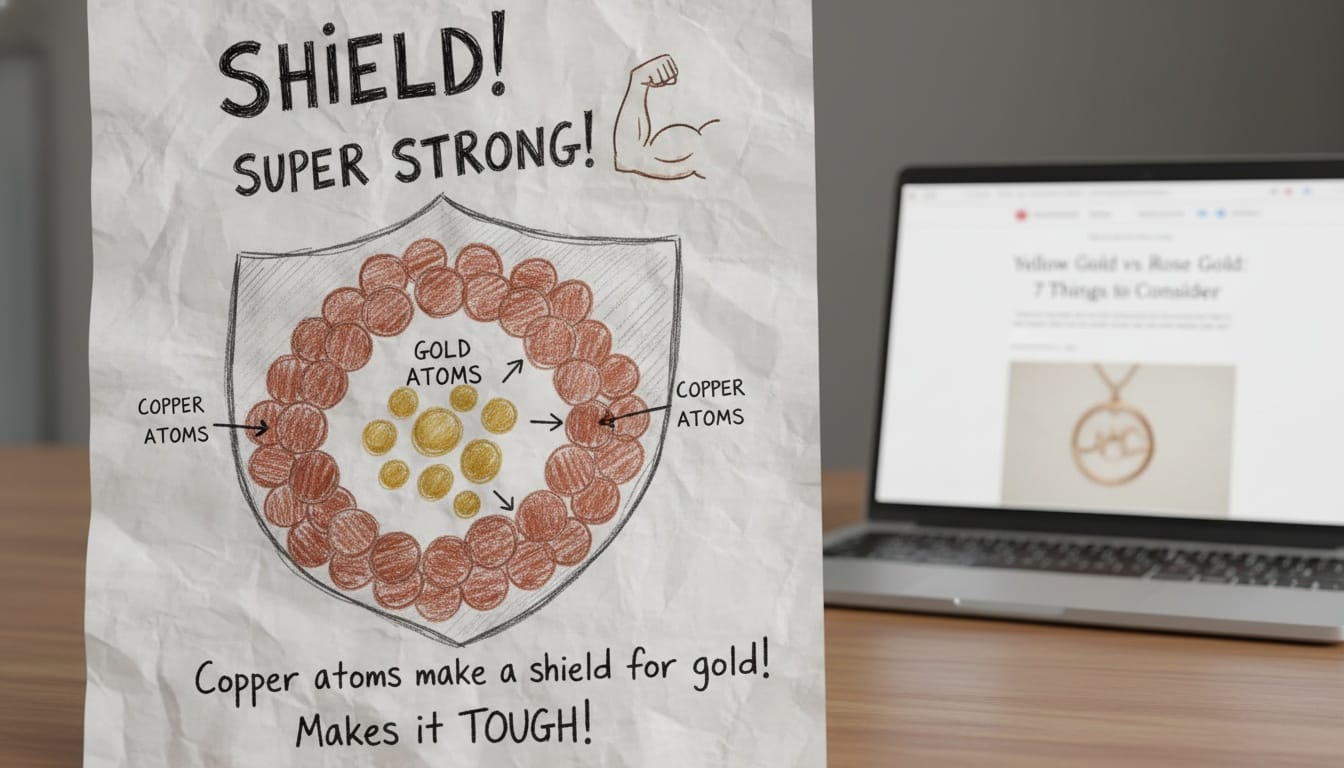
Rose gold is physically tougher and more resistant to scratches than yellow gold because copper is a very hard metal. While yellow gold is durable enough for daily wear, the copper "bodyguard" in rose gold makes it one of the most resilient precious metal choices for active lifestyles.
Think of pure gold as a soft sponge. If you want that sponge to hold a heavy weight, you need to poke some stiff wires through it. Copper acts like those stiff wires. Since rose gold uses more copper than yellow gold does, the final metal is harder.
- Scratch Resistance: Rose gold can handle bumps against tables or keys in a pocket better than yellow gold.
- Shape Retention: It is less likely to "thin out" or bend over several decades.
- Daily Activity: If you work with your hands or go to the gym, rose gold is less likely to show wear and tear quickly.
How do you match gold color to Indian skin tones?
Yellow gold looks best on people with warm skin undertones, which are common in many Indian complexions, because it highlights the golden glow of the skin. Rose gold is a "universal" metal that looks beautiful on almost everyone, but it especially pops on people with cool or neutral undertones. For a deeper dive, check out our guide on how to match jewellery to your skin tone.
To find your undertone, look at the veins on your wrist in natural sunlight. If they look green, you have a warm undertone. If they look blue or purple, you have a cool undertone. If you cannot quite tell, you are likely neutral.
- Warm Undertones: Yellow gold makes your skin look vibrant and healthy.
- Cool Undertones: Rose gold provides a soft contrast that does not look too "harsh" against pale or olive skin.
- Neutral Undertones: You are the lucky ones! You can wear yellow, rose, or white gold and look great in all of them.
So, here is the kicker: Most people think only one metal will suit them, but the truth is, confidence is the biggest factor. If you love it, wear it.
Which gold requires more maintenance over time?
Yellow gold is easier to polish and repair, whereas rose gold can be slightly more difficult to resize because of its hardness. However, rose gold does not tarnish or change color over time; in fact, many people think it looks even better as it ages and develops a slight "patina."
Maintenance is like taking care of a car. Some cars need frequent washing, while others just need a check-up once a year.
- Yellow Gold Care: Needs regular polishing to keep the shine. It can be easily resized by any local jeweler in India.
- Rose Gold Care: Does not need "dipping" (unlike white gold). However, because it is so hard, resizing a rose gold ring requires a jeweler with specific tools to avoid cracking the metal.
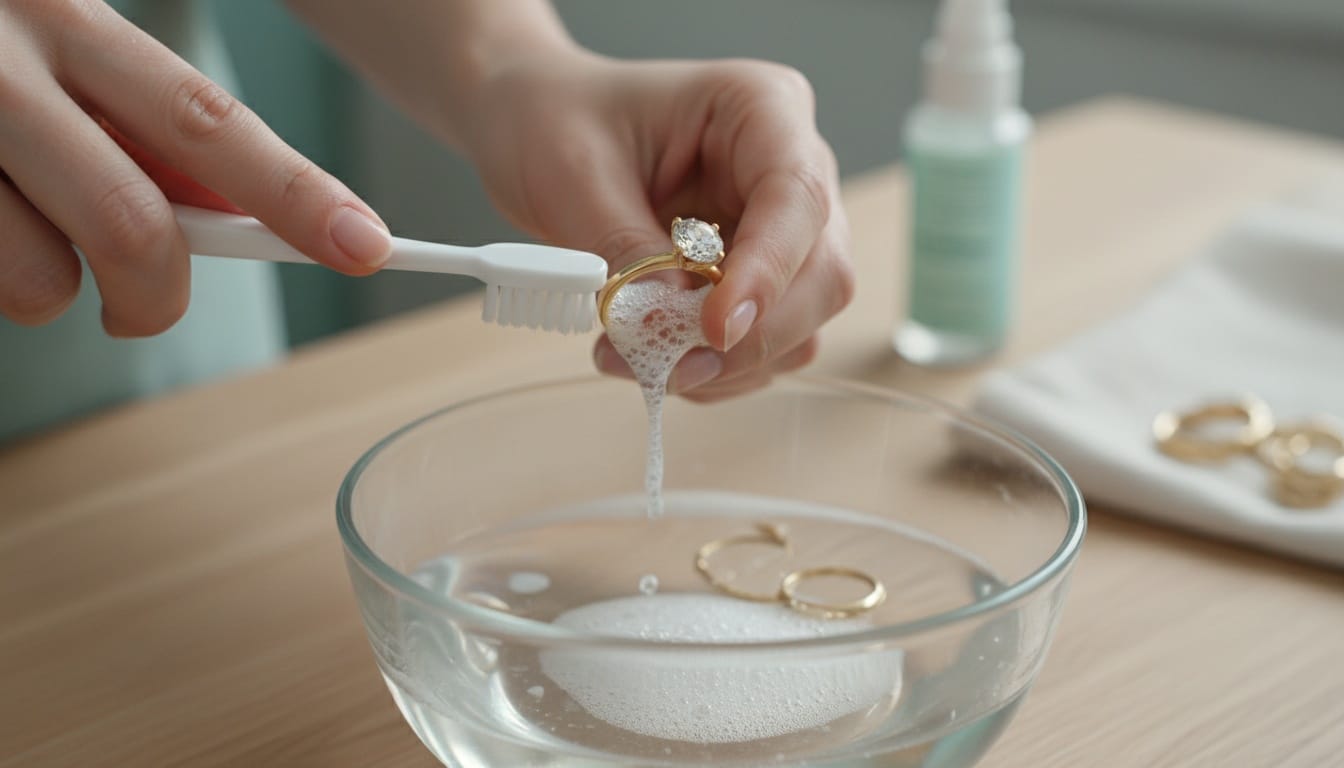
- Cleaning: Both can be cleaned at home with warm water and a drop of mild dish soap. Make sure to read about common jewelry cleaning mistakes to avoid so you don't damage your precious pieces.
How does the price and resale value compare?
In India, the price of yellow gold and rose gold is identical because the value is based on the pure gold content, not the color. When you sell gold back to a jeweler, they calculate the value based on the weight of the pure 24k gold inside the piece, regardless of whether it looks yellow or pink.
Many people worry that rose gold is a "trend" that will lose value. That is not true. Gold is gold. If you have an 18k yellow gold ring and an 18k rose gold ring of the same weight, their "melt value" is exactly the same.
- The Hallmark Factor: Always look for the BIS Hallmark on both yellow and rose gold. This ensures the 18k or 22k purity is real.
- Labor Costs: Sometimes, rose gold jewelry might have a slightly higher "making charge" because the metal is harder to work with for the craftsman.
- Investment: For pure investment, Indians usually buy 24k yellow gold coins. For jewelry, 18k or 14k rose and yellow gold are the standards.
| Factor | Yellow Gold Value | Rose Gold Value |
|---|---|---|
| Market Price | Based on daily gold rate | Based on daily gold rate |
| Resale Ease | Very high in India | High (widely accepted now) |
| Making Charges | Standard | Can be 5-10% higher for complex designs |
| Purity Options | 14k, 18k, 22k | Mostly 14k and 18k |
Is rose gold or yellow gold better for sensitive skin?
Yellow gold is generally safer for people with sensitive skin or metal allergies because it contains less copper and usually no nickel. Rose gold has a very high copper content, which can occasionally cause a harmless green mark on the skin or an itchy reaction for people who are highly allergic to copper.
If you have ever worn a piece of "fake" jewelry and your finger turned green, that was the copper reacting with your sweat. Even though rose gold is high quality, it still contains copper.
- The "Green Finger" Effect: This is not a sign of low quality; it is just chemistry. Some people's skin acidity reacts with copper.
- Hypoallergenic Choices: If you have very sensitive skin, 18k yellow gold is a safer bet than rose gold.
- Allergy Tip: Check if your rose gold contains nickel, as that is the most common cause of skin rashes. High-quality rose gold usually swaps nickel for safer metals.
Pro Tip: Do you know how to stop that green mark? A clear coat of nail polish on the inside of a ring can create a barrier between the metal and your skin.
Which style is better for traditional Indian weddings?
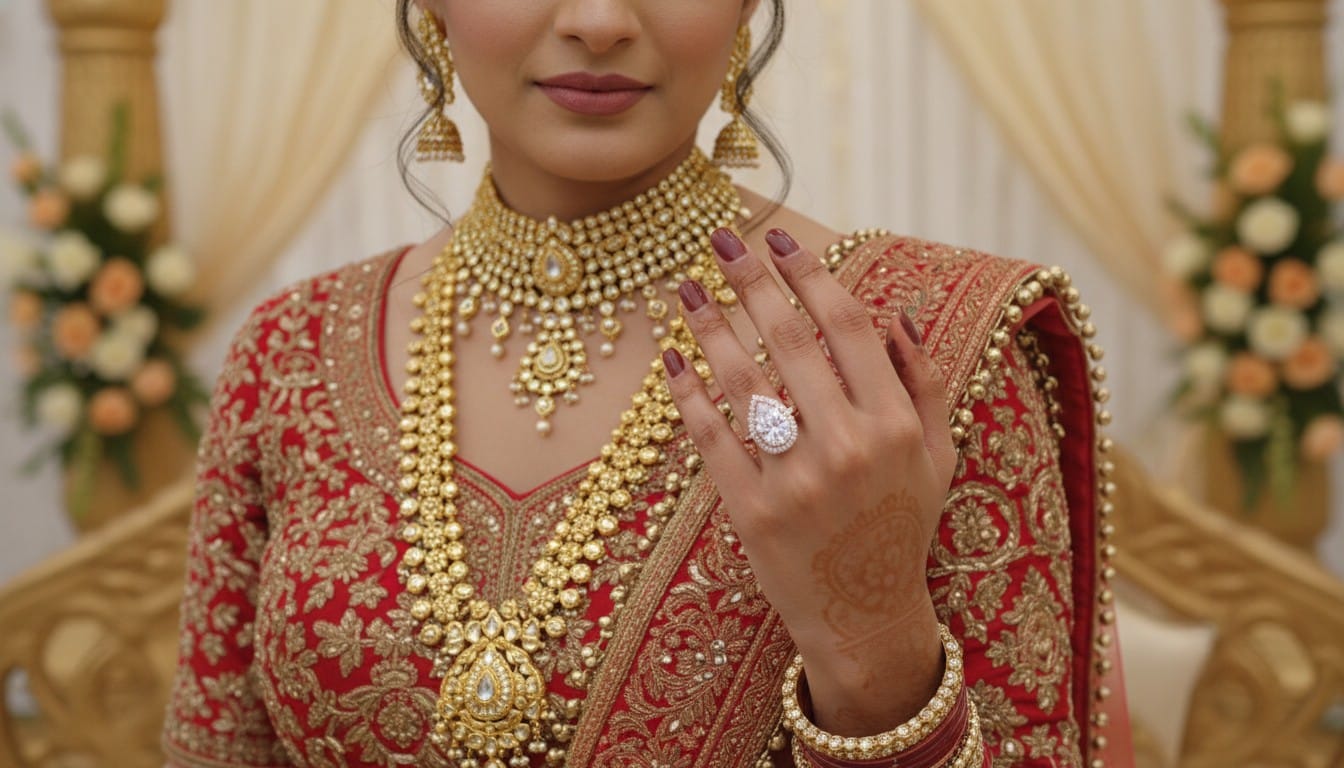
Yellow gold remains the king of traditional Indian weddings because it matches the heavy embroidery of red and gold lehengas and sarees. You can explore stunning gold necklace sets that perfectly complement bridal wear. Rose gold is the preferred choice for modern "cocktail" jewelry, engagement rings, and office wear because it looks more subtle and contemporary.
Indian weddings are full of bright colors. Yellow gold complements these colors perfectly. However, the trend is shifting for the "reception" look or for younger brides who want something different from their mother's jewelry box.
- Yellow Gold: Best for Temple jewelry, Kundan, and Polki sets. Learn more about the differences in our guide on Polki vs Kundan jewelry.
- Rose Gold: Best for Diamond settings. The pinkish tint makes diamonds look larger and more "blush-colored" compared to the stark contrast of yellow gold.
- Mixing Metals: It is now very trendy to wear both! You can stack a yellow gold bangle with a rose gold watch for a "layered" look.
Making the Final Choice: A Quick Guide
Deciding between these two is like choosing between a classic sunset (yellow) and a soft sunrise (rose). Both are beautiful, but they set a different mood.
Choose Yellow Gold if:
- You love the traditional Indian "Gold" look.
- You have warm skin undertones.
- You want the easiest possible resale and repair experience.
- You are buying heavy bridal sets or coins.
Choose Rose Gold if:
- You want something unique that stands out from the crowd.
- You have an active lifestyle and need a tougher metal.
- You are buying diamond jewelry (diamonds look stunning in rose gold).
- You prefer a vintage or romantic aesthetic.
Worth thinking about: Why not own both? Having a mix allows you to experiment with your style depending on your mood and outfit.
Why Eternz is the Best Place for Your Gold Choice
Choosing the right gold is a big step, but where you buy it matters just as much. At Eternz, we make sure you do not have to guess. We bring together over 300+ trusted brands in one place, ensuring every piece is authentic and certified.
If you are unsure whether yellow or rose gold looks better on you, use our Virtual Try-on feature. It lets you see the jewelry on your own hand or neck using your phone's camera!
We know that when you find the perfect piece, you want it right away. That is why we offer same-day delivery in selected cities like Bengaluru, Delhi, Noida, and Mumbai.
Ready to start your collection? Use code "WELCOME20" for a discount on your first order. Whether it is the sunny glow of yellow gold or the romantic blush of rose gold, find your perfect match at Eternz.
Frequently Asked Questions
1. Is rose gold more durable than yellow gold?
Yes, rose gold is physically tougher and more scratch-resistant than yellow gold because the high copper content acts as a hardening agent for the alloy.
2. Will rose gold lose its value over time compared to yellow gold?
No, both yellow and rose gold of the same karat (like 18k) have identical resale value because the market price is based on the weight of the pure gold content.
3. Which gold color is better for Indian skin tones?
Yellow gold highlights the warm undertones common in many Indian complexions, whereas rose gold is considered a universal metal that complements cool, neutral, and warm skin tones equally.
4. Is rose gold safe for sensitive skin?
Yellow gold is generally safer for highly sensitive skin because rose gold contains a significant amount of copper, which can sometimes cause irritation or a harmless green mark on certain skin types.
5. Which gold is better for traditional Indian wedding jewelry?
Yellow gold is the classic choice for traditional bridal sets like Kundan or Temple jewelry, while rose gold is increasingly popular for modern engagement rings and diamond settings.
6. Can I wear both yellow and rose gold together?
Absolutely! Mixing metals is a major trend. It adds depth to your look and shows that you have a curated, personal style. Just try to keep the overall aesthetic balanced.
7. How can I clean my gold jewelry at home safely?
You can use warm water, a few drops of mild dish soap, and a very soft toothbrush. Gently scrub the piece, rinse it, and pat it dry with a soft cloth. Avoid harsh chemicals.