Top 10 Indian Jewelry Trends for 2026: Lab-Grown, Neo-Heritage & More
Get ready to sparkle in 2026! India's jewelry scene is evolving from heavy investment pieces to wearable, expressive luxury that's ethical, versatile, and personal.
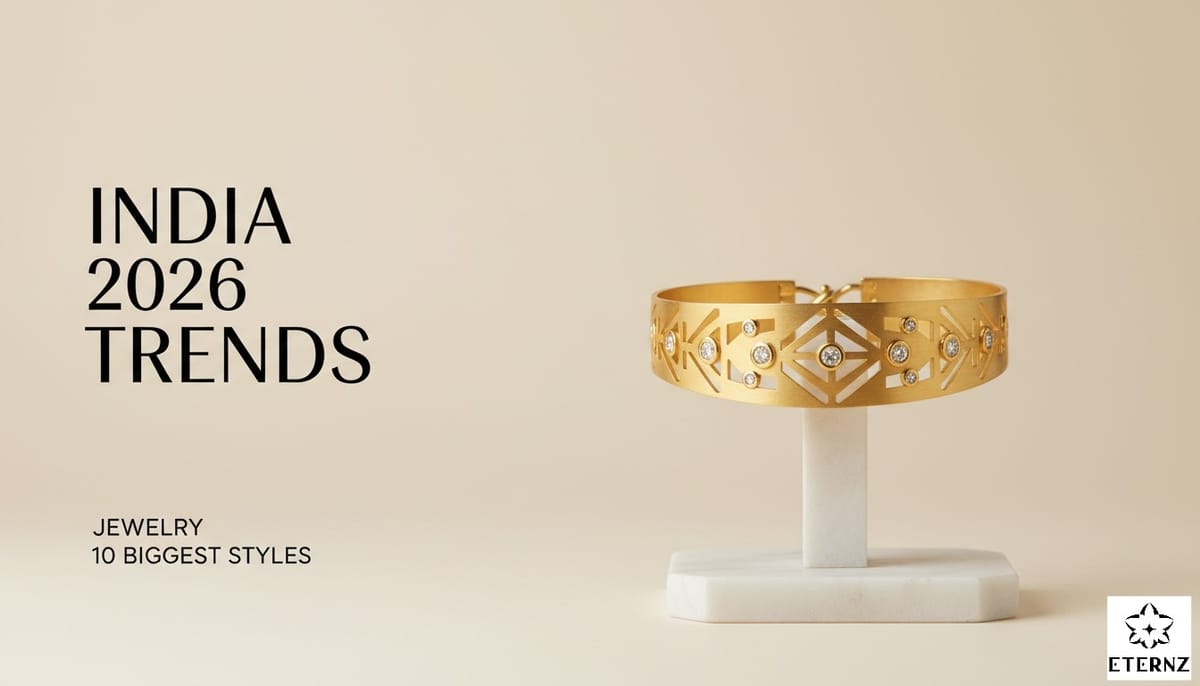
As we step into 2026, the Indian jewelry landscape transforms dramatically. Consumers shift from heavy, investment-focused pieces to accessible, versatile, and expressive luxury that aligns with modern lifestyles, sustainability, and personal style.
Lab-grown diamonds lead this revolution, making everyday sparkle affordable and ethical, while innovations in gold, gemstones, and designs cater to daily wear, fusion aesthetics, and inclusivity.
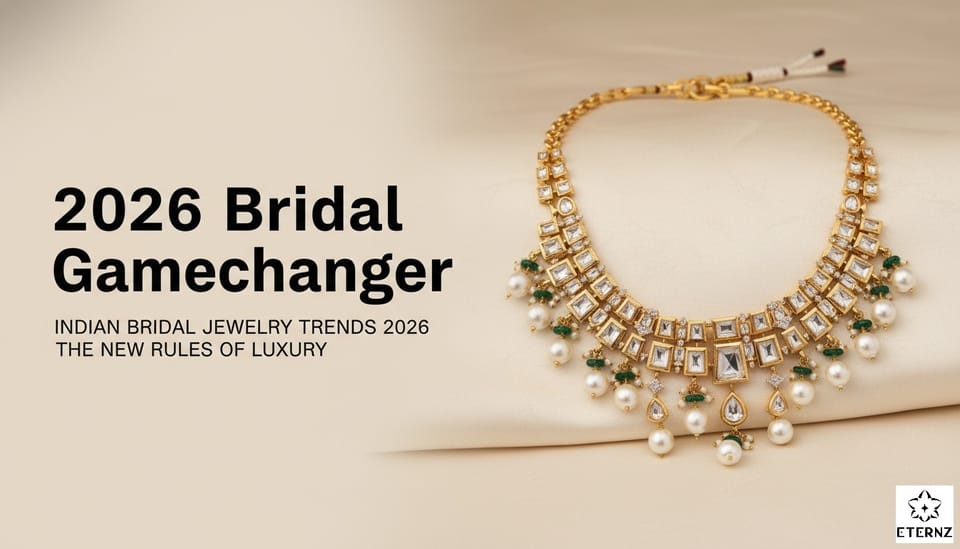
Discover the Indian bridal jewelry trends 2026 that blend heritage with modern style. From modular gold sets and Polki diamonds to colored gemstones and temple designs.
In this article, we explore the top 10 trends shaping India's jewelry scene in 2026:
- The rise of daily-wear lab-grown diamonds
- Lightweight neo-heritage gold
- Soft pastel Polki
- Stacking and layering
- The men's jewelry boom
- Vibrant colored gemstones
- Indo-Western fusion pieces
- Sustainable practices
- Gender-fluid designs
- Hyper-personalized storytelling
1. The "Daily Diamond" Revolution: Lab-Grown Takes Center Stage
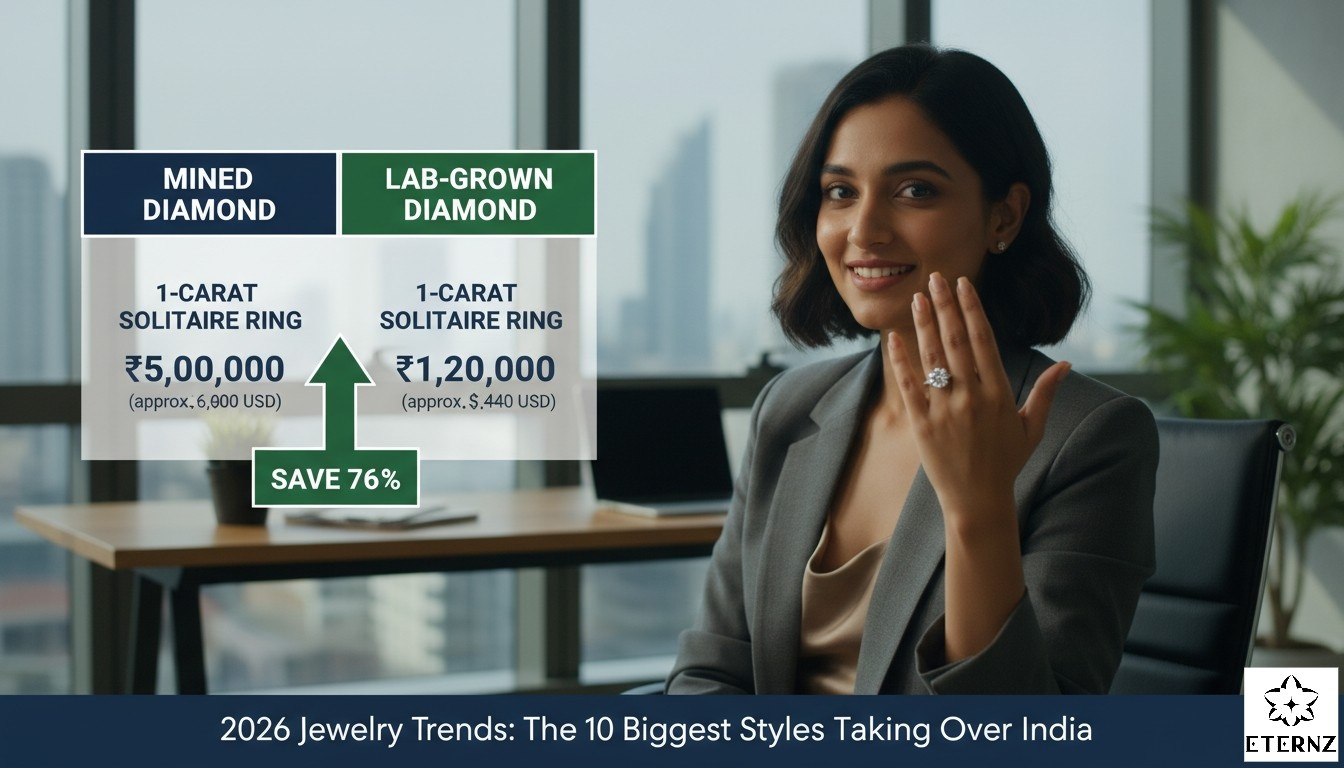
In 2026, lab-grown diamonds (LGDs) will dominate the Indian market as the "smart luxury" choice, shifting diamond jewelry from occasional wear to an everyday staple. With costs 60-80% lower than mined diamonds and identical chemical structures, Indian consumers are rapidly adopting LGDs for office wear, gifting, and lightweight daily accessories.
The hesitation surrounding lab-grown diamonds has completely evaporated. By 2026, India is projected to be a global hub for LGD consumption, not just production. The stigma of "artificial" is gone, replaced by the appreciation of "ethical luxury." This trend is driven heavily by millennials and Gen Z buyers who prioritize size, sparkle, and sustainability over resale value.
Key Shifts in Diamond Consumption:
- Solitaires for Everyone: 1-carat solitaire rings and studs, once aspiring luxury items, are becoming accessible entry-level purchases.
- Fancy Cuts: Buyers are moving beyond the Round Brilliant cut. Ovals, Emeralds, and Radiants are trending for their modern, elongated look that maximizes carat weight.
- Daily Durability: Designs are shifting to bezel settings and flush mounts that won't snag on sarees or office wear, making diamonds practical for the 9-to-5 grind.
Want to know and understand Lab-Grown Diamonds? Read this guide.
 Harshita
2. Neo-Heritage Gold: Temple Jewelry on a Diet
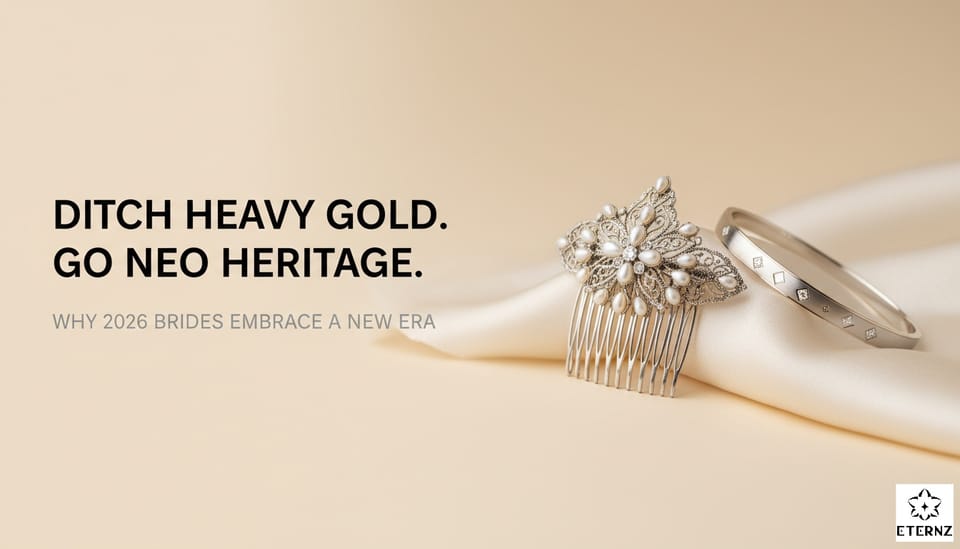
Traditional heavy temple jewelry is being reimagined as "Neo-Heritage"—lightweight, hollow-gold designs that preserve intricate craftsmanship without the heavy grammage. This trend allows modern Indian women to wear culturally significant motifs like Lakshmi coins and peacocks comfortably to work or casual brunch dates.
Gold remains the heartbeat of Indian jewelry, but the weight is changing. With gold prices hitting historic highs, innovation in manufacturing (such as 3D casting and electroforming) allows jewelers to create voluminous-looking pieces that are surprisingly light.
- Matte Finishes: The high-shine yellow gold is giving way to matte, antique, and "geru" finishes that look more understated and sophisticated.
- Detachable Elements: Long haars that detach into chokers or pendants are huge. Versatility is the key driver for the 2026 gold buyer.
3. Pastel Polki & Kundan: The Soft Era
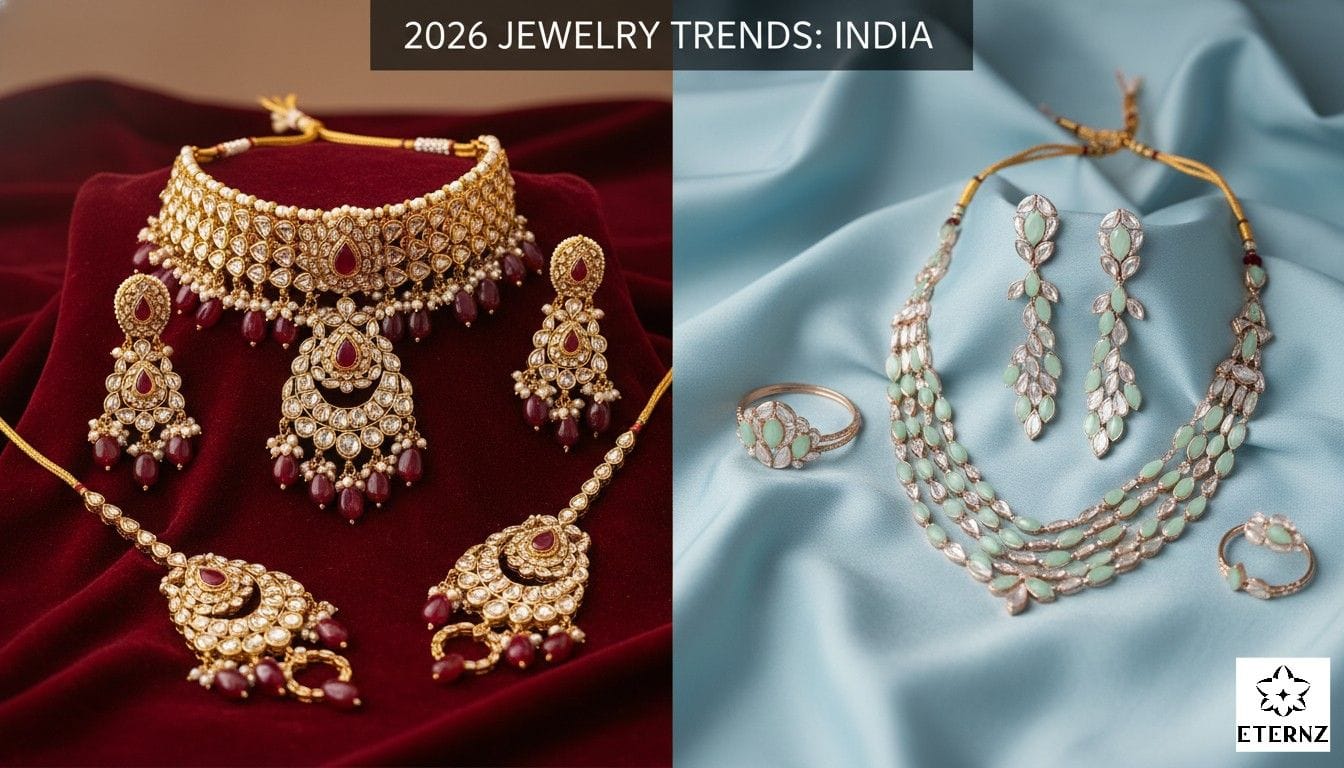
The bridal favorite is getting a soft makeover; 2026 will see Polki and Kundan sets moving away from deep reds and greens to pastel palettes like mint, powder blue, and blush pink. These softer hues make heavy bridal sets wearable for post-wedding soirées and fusion events, extending the life of the jewelry beyond the big day.
Bridal jewelry is often locked away in bank lockers, but the "Pastel Polki" trend aims to change that. By using lighter colored semi-precious stones (like Russian emeralds, morganites, and rose quartz) alongside uncut diamonds, designers are creating pieces that pair just as well with a pastel chiffon saree as they do with a heavy bridal lehenga.
Why Pastels are Winning:
- Versatility: Matches the trending pastel bridal outfits (ivory, beige, dusty pink).
- Re-wearability: Easier to style with western gowns or lighter ethnic wear later.
- Modern Aesthetics: Looks less "dated" and more contemporary for the Instagram generation.
4. The "Stack & Layer" Aesthetic
Minimalism is evolving into "maximalist minimalism," where wearing multiple delicate pieces together creates a unique, personalized statement. In 2026, Indian women are curating "neck messes" and "ring stacks" mixing metals, textures, and lengths to tell a personal style story.
Gone are the days of buying a single matching set. The 2026 consumer wants to mix a rose gold watch with a silver bracelet and a yellow gold chain. This trend is heavily influenced by global fashion but adapted for the Indian market with thinner Mangalsutras layered with zodiac pendants and tennis necklaces.
The Ultimate Stacking Guide:
- Necklaces: Start with a 14-inch choker, add a 16-inch pendant, and finish with an 18-inch heavier chain.
- Rings: Mix thin bands with one chunky signet ring or a gemstone ring on the index finger.
- Wrists: A tennis bracelet paired with a structured bangle and a smartwatch is the definitive "IT girl" look for 2026.
Want to know and master jewelry layering & stacking in 2026? Read this guide.
 Deepak Raj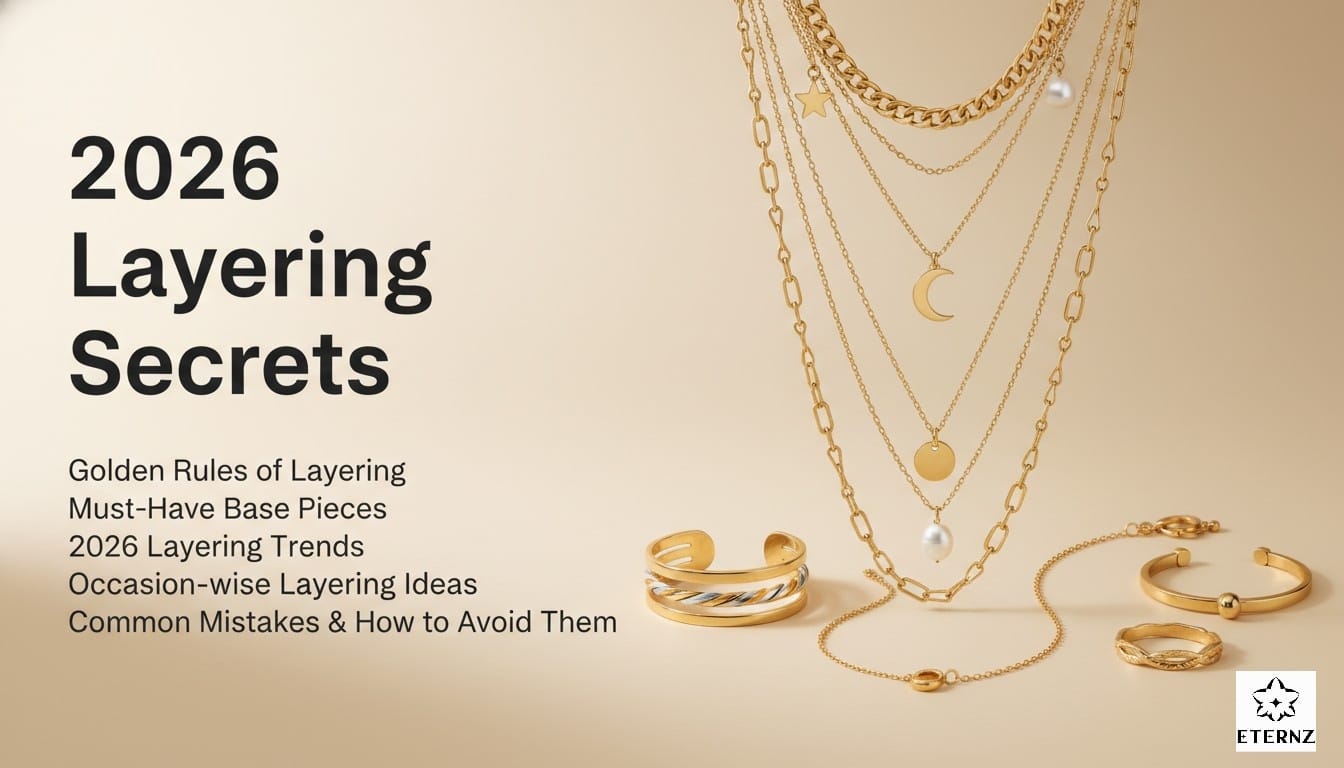
5. Men's Jewelry Renaissance: Beyond the Ring
Men’s jewelry in India is exploding beyond simple engagement rings and gold chains; 2026 will see a surge in pearl strands, structural bracelets, and brooches for men. Fueled by celebrity fashion and pop culture, men are embracing jewelry as a core form of self-expression rather than just a status symbol.
The "Ranveer Singh effect" has matured into a mainstream acceptance of men's accessories. It is no longer taboo for men to wear pearls or diamonds.
Top Men's Categories for 2026:
- Pearl Necklaces: Single strands of white or black pearls worn with open-collar shirts or kurtas.
- Brooches: ornate, gem-studded brooches for blazer lapels and bandhgalas are replacing the pocket square.
- Wristwear: Leather stacked with silver cuffs or beads.
6. Gemstone Dopamine: The "Color Theory" Shift
Moving away from all-white diamond looks, 2026 brings a "Dopamine Decor" approach to jewelry with vibrant, mood-boosting colored gemstones taking center stage. Rubies, Emeralds, Sapphires, and Spinels are being used not just as accents, but as the hero stones in cocktail rings and statement earrings.
Indian consumers are rediscovering the astrological and aesthetic power of color. This isn't just about Navratna; it's about single, bold pops of color. A bright emerald ring or deep blue sapphire studs are becoming the preferred way to break the monotony of neutral workwear.
Trending Gemstones:
- Tanzanite: For its violet-blue versatility.
- Morganite: The "millennial pink" stone that pairs perfectly with rose gold.
- Yellow Sapphire: Making a comeback in modern cuts like Emerald and Cushion.
7. Fusion Statement Pieces: Indo-Western Hybridity
Fusion jewelry that seamlessly blends Indian craftsmanship (like Meenakari or Jadau) with Western silhouettes (like geometric cuffs or ear jackets) is a top trend for the global Indian woman. These pieces bridge the gap between "ethnic wear" and "western wear," offering a single solution for diverse wardrobes.
Imagine a Victorian-style choker with traditional Indian enameling, or Art Deco earrings set with Polki diamonds. This hybridity solves the biggest pain point for Indian women: jewelry that only works with one type of outfit.
- The Ear Jacket: A stud in front, with a decorative fan or drop behind the ear lobe, often featuring Indian motifs.
- The Palm Cuff: A modern take on the Haathphool, designed to sit firmly on the palm or back of the hand without restricting movement.
8. Sustainable & Ethical Luxury
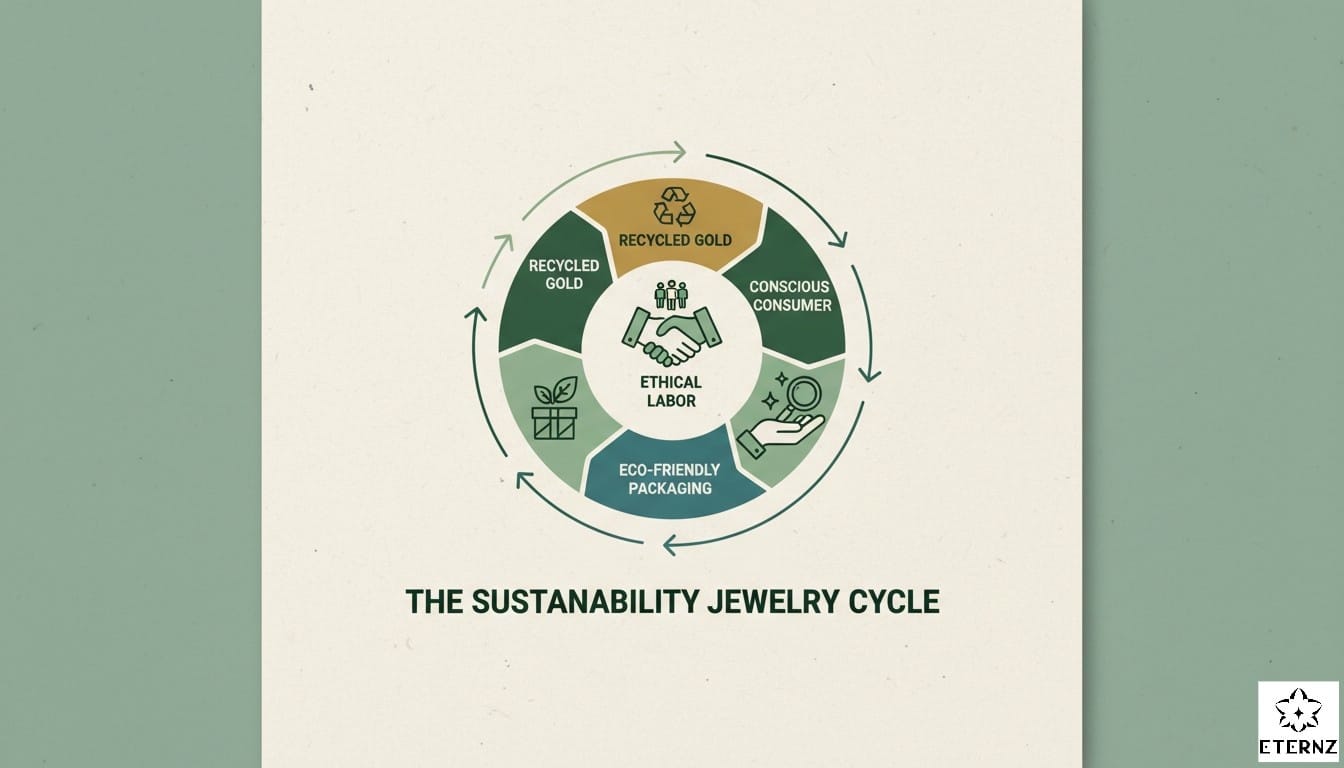
Conscious consumerism has reached the jewelry sector; in 2026, buyers are demanding transparency regarding gold sourcing, fair wages for artisans, and the environmental footprint of their pieces. Recycled gold and "conflict-free" certifications are no longer niche marketing terms but baseline requirements for premium brands.
The Indian consumer is asking, "Where did this come from?" Brands that offer "Fairmined" gold or support artisan communities with transparent supply chains are seeing higher loyalty. This trend is particularly strong in the Tier-1 cities among educated, affluent buyers.
9. Gender-Fluid & Unisex Designs
Breaking binary norms, unisex jewelry collections featuring clean lines, geometric shapes, and neutral metals (platinum, white gold, oxidized silver) are gaining traction. These pieces are designed to be shared between partners, maximizing utility and challenging traditional gendered aesthetics.
Couples are increasingly shopping for "shareable" luxury. A chunky silver chain or a simple diamond stud is bought with the intention that both partners can style it.
- Design Language: Industrial, architectural, minimal.
- Key Metals: Titanium, Platinum, Oxidized Silver.
- Target: Gen Z couples and fashion-forward millennials.
10. Personalized Storytelling: Charms and Initials
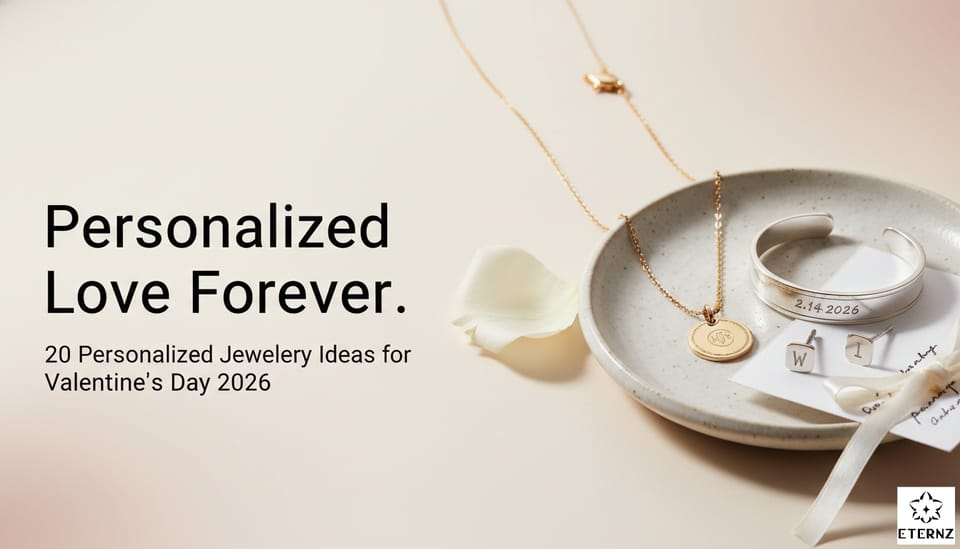
Hyper-personalization is the emotional hook of 2026; jewelry that tells a personal story through initials, zodiac signs, birthstones, and custom charms is outselling generic designs. Consumers want pieces that serve as talismans of their individual identity or relationships.
This goes beyond a simple name necklace. It's about "Charm Bracelets" where every charm represents a milestone (a house, a baby, a promotion) or "Zodiac Constellation" pendants that are subtle yet personal.
Popular Personalization Styles:
- Hidden Messages: Engravings on the inside of rings or bracelets.
- Birthstone Stacking: Rings representing the birthstones of children or partners stacked together.
Conclusion: The Future is Personal and Accessible
The jewelry landscape of India in 2026 is defined by a massive shift from "investment-only" heavy gold to "wearable, expressive" luxury. Whether it is the guilt-free sparkle of lab-grown diamonds or the smart engineering of lightweight gold, the Indian consumer is prioritizing versatility, comfort, and individuality.
Ready to explore these 2026 trends yourself?
Discover the future of jewelry on Eternz, India's premier curated jewelry marketplace.
- Shop Smart: Explore collections from 250+ trusted brands all in one place. And same day delivery also available in select cities like Bengaluru, Delhi, Noida, Mumbai etc.
- Shop Safe: Every piece comes with an authenticity certification, ensuring your gold and diamonds are genuine.
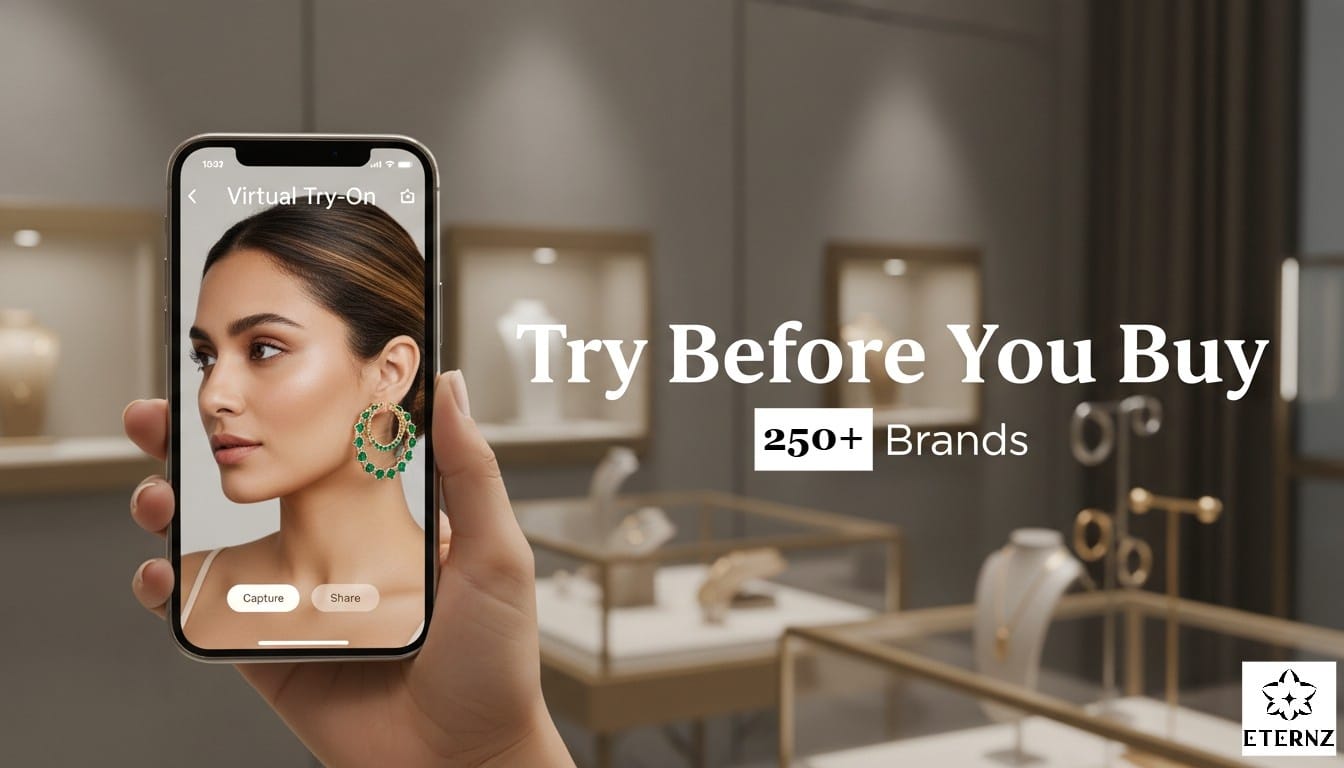
- Shop Sure: Use their cutting-edge Virtual Try-on feature to see exactly how that necklace or earring looks on you before you buy.
Exclusive Offer: Start your collection today. Use code WELCOME10 for a flat discount on your first order at Eternz.
Frequently Asked Questions
1. What are the key shifts in diamond consumption in India in 2026?
Lab grown diamonds are emerging as the preferred smart luxury choice in India. Diamond jewelry is shifting from occasional wear to everyday use, with strong demand for durable designs, practical settings, and fancy cuts suited for daily styling.
2. How is traditional Indian gold jewelry evolving in 2026?
Traditional heavy temple jewelry is being reinterpreted as neo heritage jewelry. Lightweight and hollow gold constructions retain intricate craftsmanship while improving wearability. Matte finishes and detachable elements are gaining popularity for added versatility.
3. What is the Pastel Polki trend in Indian bridal jewelry?
Pastel Polki reflects a shift away from deep red and green tones toward softer shades like mint, powder blue, and blush pink. This evolution allows bridal Polki and Kundan sets to be worn beyond the wedding, especially for post wedding functions and fusion looks.
4. What are the emerging trends in men’s jewelry in India in 2026?
Men’s jewelry is expanding beyond traditional rings and chains. Pearl strands, structural bracelets, and brooches are becoming mainstream, with jewelry increasingly seen as a form of personal expression influenced by celebrity and fashion culture.
5. What role does sustainability play in Indian jewelry trends in 2026?
Sustainability has become a core expectation rather than an added value. Buyers seek transparency in gold sourcing, fair artisan wages, and environmental impact. Recycled gold and conflict free certifications are now considered essential standards.