Sterling Silver vs 925 Silver: Are They the Same Thing?
Is there a difference between Sterling Silver vs 925 silver? Learn why these terms are identical, how to spot real quality, and how to test your jewelry. Read more!
Sterling silver and 925 silver are exactly the same thing, and the two names are used interchangeably to describe a specific blend of metals. This blend consists of 92.5% pure silver and 7.5% of a harder metal, usually copper, to make the jewelry strong enough for everyday wear. When people ask about Sterling Silver vs 925 silver, they are usually looking for a difference that does not exist because both terms refer to the same quality standard for high-end silver jewelry.
Before we start, let me tell you about Eternz: a trusted jewelry marketplace featuring 350+ jewelry brands. Every piece comes with authenticity certification. They offer fast, same-day delivery in major cities, along with special first-time buyer discounts use WELCOME20 on the app (20% off) and WELCOME15 on the website (15% off).
Sterling Silver vs 925 Silver: Is There a Real Difference?
Sterling silver and 925 silver are identical in every way, as they both contain 92.5% pure silver. The term "sterling" is the name given to this specific mixture, while "925" is the numerical stamp used to prove the metal meets that quality. There is no difference in value, weight, or appearance between a piece labeled sterling and one labeled 925.
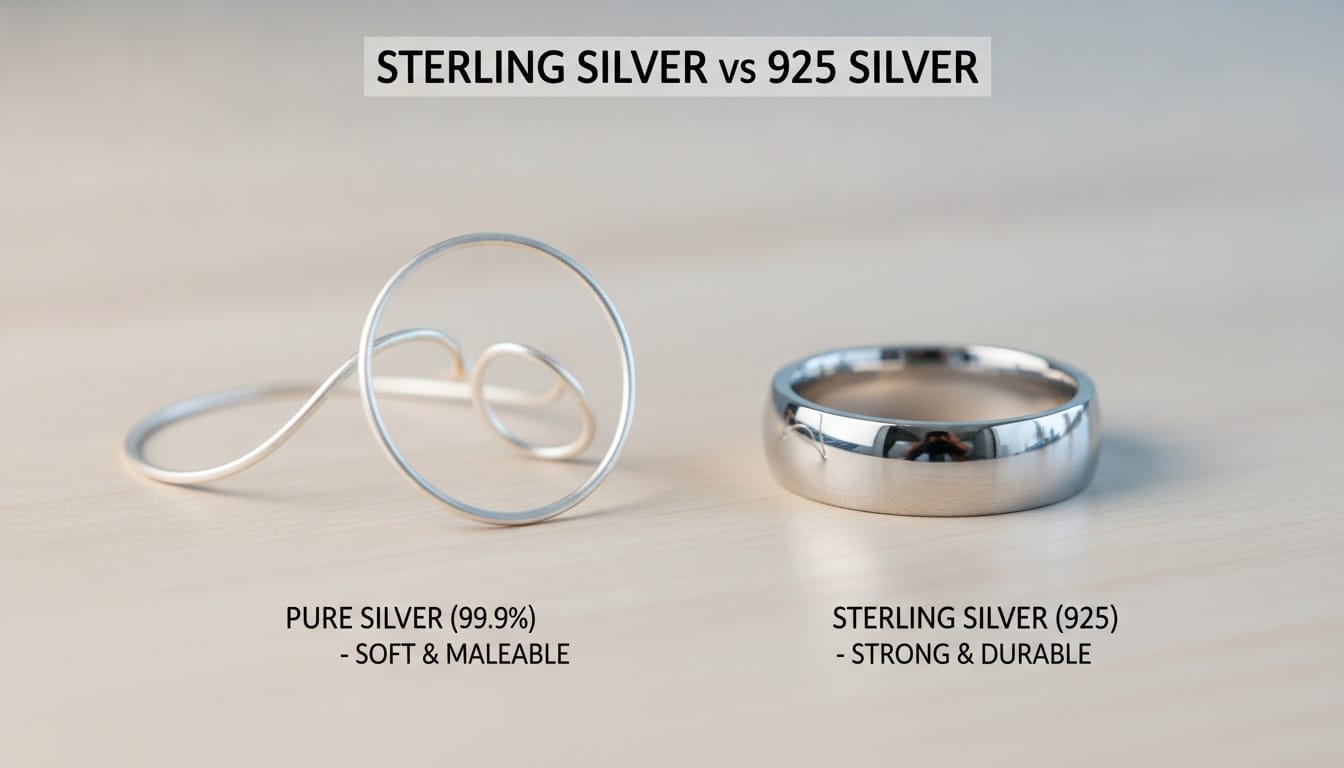
If you are shopping for a necklace or a ring, you might see one shop call it "Sterling" and another call it "925." This can be confusing, but it is like calling a carbonated drink "soda" or "pop." Both names point to the same object. The reason we use this specific mixture is that pure silver is actually very soft. If you had a ring made of 100% pure silver, you could probably squish it with your fingers. To make it tough, jewelers add a little bit of copper.
Think of it like making a cake. If you only use flour, you just have a pile of powder. You need to add water and eggs to make it hold a shape. In this case, the silver is the flour, and the copper is the "glue" that keeps the jewelry from bending or breaking.
- Identical Quality: Both represent the same 92.5% purity level.
- Global Standard: This is the most popular type of silver used in the world.
- Legal Meaning: In many countries, a piece cannot be called "sterling" unless it has at least 92.5% silver.
- Durability: The addition of 7.5% copper makes the metal hard enough for rings and bracelets.
Why Pure Silver Isn't Good for Jewelry
Pure silver, also called "fine silver," is generally too soft for making items that you wear every day. Because it is so delicate, pure silver jewelry would scratch, bend out of shape, and break very easily. Adding a small amount of other metals creates an alloy that keeps the beauty of silver but adds the strength of steel.
Imagine trying to build a house out of wet clay. It looks nice, but as soon as you lean on a wall, it leaves a dent. Pure silver is like that wet clay. It is 99.9% pure, which sounds great, but it is only used for things like silver bars or coins that sit in a safe. Jewelers need something that can survive being bumped against a table or caught on a sweater.
By mixing in 7.5% of another metal, usually copper, the silver becomes much more durable. This mixture is what we call an "alloy." It is the secret recipe that allows your favorite silver earrings to keep their shape for decades.
| Metal Type | Silver Purity | Common Use | Durability |
|---|---|---|---|
| Fine Silver | 99.9% | Investment bars, coins | Very Low (Soft) |
| Sterling Silver | 92.5% | High-end jewelry, forks | High (Strong) |
| Silver Plated | < 1% | Cheap fashion jewelry | Low (Wears off) |
| Nickel Silver | 0% | Cheap costume jewelry | High (But causes rashes) |
What Does the 925 Stamp Really Mean?
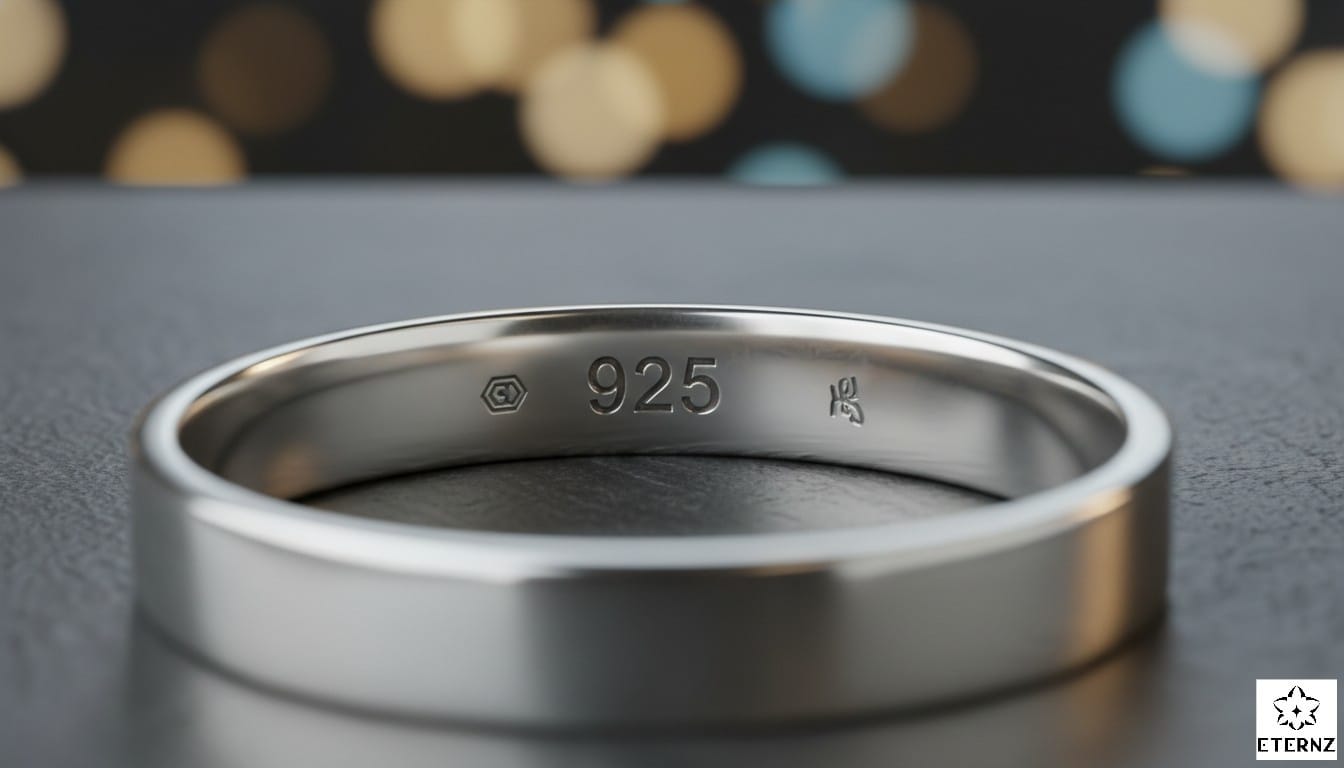
The "925" stamp is a quality mark that tells you exactly how much pure silver is in a piece of metal. It stands for 925 parts out of 1000, which is the same as saying 92.5 percent. This stamp is like a tiny ID card that proves the jewelry is authentic and not a cheap fake made of copper or nickel.
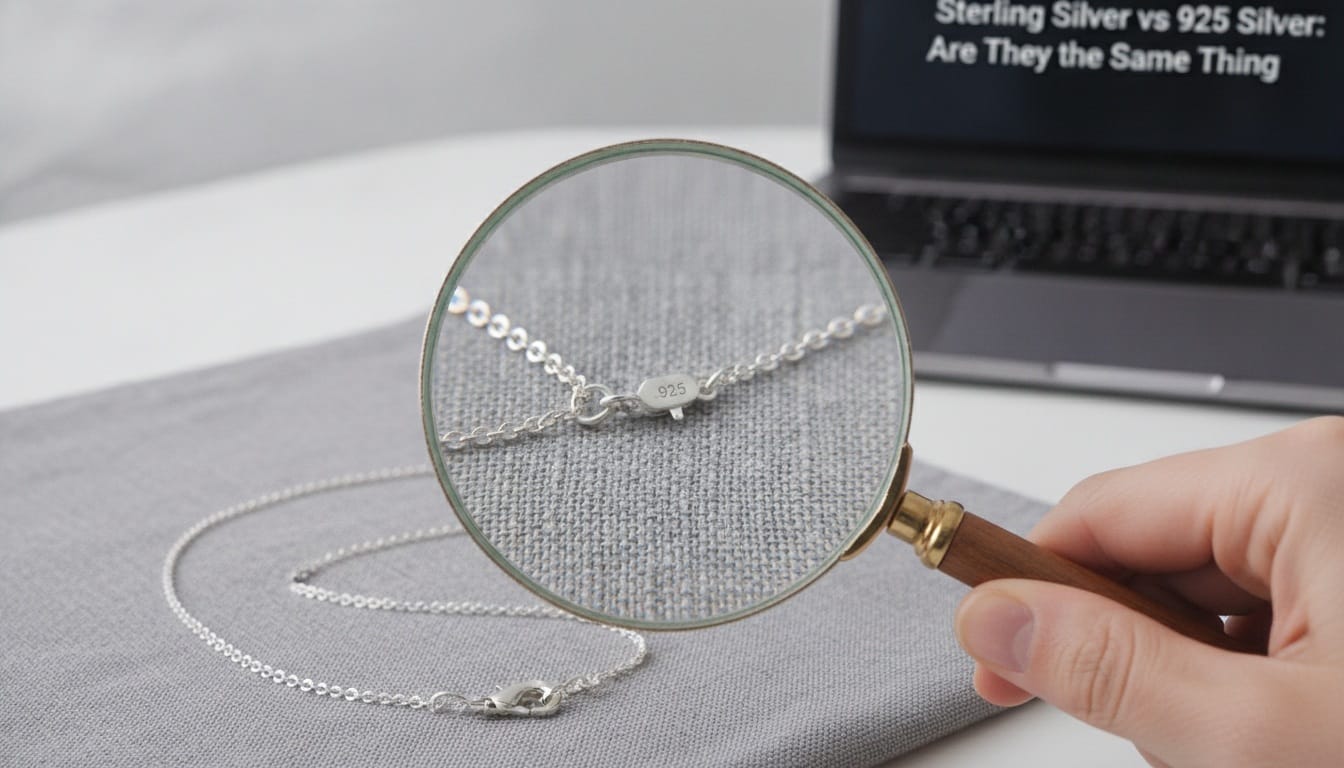
When you look at a piece of silver through a magnifying glass, you might see a tiny number "925." This is called a hallmark. It is a legal requirement in many places for jewelry makers to stamp their work. This way, if you pay for silver, you know you are getting silver. If a ring is made of 1000 parts, 925 of those parts must be silver for it to get this stamp. The other 75 parts are the "strength" metals like copper.
- Trust Factor: The stamp helps buyers know they aren't getting scammed.
- International Rule: Almost every country recognizes the 925 mark.
- Quality Control: It shows that a professional jeweler tested the metal.
- Value: Stamped jewelry usually holds its value better than unstamped pieces. You can read more about why 925 sterling silver is perfect for everyday luxury in India to understand this better.
How to Find the 925 Stamp
To find the 925 stamp, you should look on the "hidden" parts of the jewelry where it won't be seen by others. On a ring, it is usually on the inside of the band; on a necklace, it is often on the tiny clasp or a small tag near the lock. Sometimes these stamps are so small you need a bright light and a magnifying glass to see them.
If you cannot find a stamp, it does not always mean the jewelry is fake. Sometimes, very old jewelry was made before stamping was common. Also, if a piece of jewelry is very thin or delicate, there might not be enough room for a stamp. However, for most modern jewelry, the absence of a "925" or "Sterling" mark is a sign that you should be careful and test it. If you are buying jewelry online in India, always check the product description for hallmark confirmation before purchasing.
Comparing Pure Silver, Sterling Silver, and Silver Plated
The main difference between these three types of silver is how much actual silver is used and how long the item will last. Sterling silver is the "sweet spot" because it has a lot of silver but stays strong, while silver plated items only have a microscopic layer of silver on top of a cheap metal. Pure silver is the most valuable but the least useful for wearing.
Silver plated jewelry is like a piece of wood painted to look like gold. It looks great on day one, but as you wear it, the "paint" (the silver layer) rubs off. Once that happens, the cheap metal underneath (usually brass or copper) shows through. This can turn your skin green or cause an itchy rash — a problem explained in detail in this guide on why your ring is turning your finger green and how to fix it. Sterling silver, on the other hand, is the same metal all the way through. If you scratched a sterling silver ring, you would just find more sterling silver underneath.
| Feature | Fine Silver (999) | Sterling Silver (925) | Silver Plated |
|---|---|---|---|
| Silver Content | 99.9% | 92.5% | Less than 0.5% |
| Strength | Very Soft | Hard and Durable | Varies (Metal core) |
| Skin Safety | Hypoallergenic | Usually Safe | Can cause rashes |
| Price | Expensive | Moderate | Very Cheap |
| Lifespan | Lifetime (but dents) | Lifetime | 1–2 years |
If you are still deciding between silver and gold for your everyday pieces, this comparison of gold plated vs sterling silver jewelry for daily wear breaks down exactly what suits different lifestyles and budgets.
How to Tell if Your Silver is Real
You can tell if your silver is real by performing a few simple tests at home, such as the magnet test or the ice test. Real silver is not magnetic, so if a strong magnet sticks to your jewelry, it is likely made of a different metal like steel. Another fun test involves ice; silver is an amazing heat conductor, so a piece of real silver will melt an ice cube much faster than other metals.
Because sterling silver is a mix of metals, people sometimes try to sell "fakes" that look like silver but are actually made of things like nickel or lead. Knowing these tests can save you from spending a lot of money on something that isn't worth much.
- The Magnet Test: Hold a strong magnet near the jewelry. If it snaps to the magnet, it is fake. Real silver does not react to magnets.
- The Ice Test: Place a small ice cube on your silver jewelry and another on a plastic lid. The ice on the silver will melt almost instantly because silver moves heat very quickly.
- The White Cloth Test: Rub a small, hidden part of the jewelry with a white cloth. If you see tiny black marks on the cloth, that is actually a good sign! It means the metal is reacting to the air, which real silver does.
- The Sound Test: Gently tap the metal with a coin. Real silver makes a high-pitched, bell-like "ping" sound that lasts for a second. Fake silver makes a dull "thud."
Pro-Tip: The "Sound Test" and "Smell Test"
A unique way to check silver quality is to use your senses of hearing and smell. High-quality sterling silver has no scent at all, whereas cheap "mystery metals" often smell like pennies or old keys. Additionally, if you drop a sterling silver coin or ring onto a hard surface, it will ring like a tiny bell, which is a sound that fake metals cannot perfectly copy.
Most people don't realize that silver is "chemically quiet." It doesn't have a strong metallic odor. If you rub a ring between your fingers and then smell your fingers, they shouldn't smell like anything. If they smell like "dirty coins," the jewelry probably has a lot of zinc or copper on the surface, meaning it isn't high-quality sterling silver.
This "ping" sound is also famous among coin collectors. It is a bright, clear tone. If you are ever at a flea market and want to check a silver spoon, a gentle tap can tell you more than a stamp ever could.
Why Does Sterling Silver Turn Black?
Sterling silver turns black because of a natural process called tarnishing, which happens when the silver reacts with sulfur in the air. This black layer is not "rust," and it does not mean your jewelry is ruined; it is just a thin coating that can be easily cleaned off. For a complete step-by-step approach, this guide on does sterling silver tarnish — the ultimate prevention and care guide covers everything from household solutions to storage habits that actually work.
Think of tarnish like dust on a bookshelf. Just because there is dust doesn't mean the book is bad. The sulfur that causes tarnish is found in many places: in the air, in certain foods like eggs, and even in some skin lotions or perfumes. When the silver meets sulfur, they "stick" together and create a black film.
- Humidity: Wet air makes tarnish happen much faster.
- Chemicals: Perfume, hairspray, and bleach are silver's biggest enemies.
- Storage: Leaving jewelry out on a nightstand will make it turn black faster than if it were in a jewelry box.
- Natural Oils: Interestingly, the oils in your skin actually help keep silver clean. The more you wear it, the shinier it stays!
Keeping Your Silver Shiny
To keep your silver jewelry shiny, you should store it in a cool, dry place and clean it occasionally with a soft cloth. You can also use a simple mix of warm water and mild dish soap to wash away any oils or dirt that might lead to tarnish. If your jewelry is already black, a special silver polishing cloth is the safest way to bring back the glow without scratching the metal.
It also helps to know the common jewelry cleaning mistakes to avoid — some everyday habits quietly damage silver faster than tarnish ever would.
One "pro-tip" for storage is to put a small piece of chalk or a silica gel packet (the little "do not eat" bags found in shoe boxes) in your jewelry box or organizer. These items soak up the moisture and sulfur in the air, acting like a shield for your silver.
- Wear it often: Your skin's natural movement polishes the metal.
- Avoid the pool: Chlorine in swimming pools can permanently damage silver.
- Last thing on: Put your jewelry on after you have applied your makeup and perfume.
- Soft storage: Keep each piece in its own small pouch so they don't scratch each other. Browse jewelry boxes designed to keep pieces separated and tarnish-free.
Is 925 Silver Worth Buying?
Yes, 925 silver is definitely worth buying because it is a "precious metal" that lasts for a lifetime if you take care of it. Unlike cheap costume jewelry that breaks or turns your skin colors, 925 silver is high-quality, hypoallergenic, and can always be polished back to its original beauty. It is an affordable way to own real jewelry that holds value over time.
When you buy sterling silver, you are making a long-term investment. While it costs more than the jewelry you might find at a fast-fashion store, it won't end up in a trash can after three months. If you're weighing your options, here's a practical breakdown of gold plated vs sterling silver for daily wear that helps you decide what actually suits your lifestyle and budget. Because it is a real metal found in the earth, it can also be melted down and recycled into something new, making it a better choice for the planet.
| Benefit | Why It Matters |
|---|---|
| Affordability | Much cheaper than gold, but still looks expensive. |
| Skin Friendly | Won't cause itchy rashes for most people. |
| Longevity | Can be passed down to your children or grandchildren. |
| Versatility | The cool white color matches almost any outfit. |
Looking to start building your silver collection? Explore silver rings, silver earrings, silver bracelets, silver bangles, and silver nose pins — all verified 925 sterling silver pieces across a range of styles and budgets.
The Future of Silver: Recycled 925
A new trend in the jewelry world is "recycled sterling silver." Since silver is an element, it can be melted down and cleaned over and over again without losing its quality. Buying recycled 925 silver is a great way to enjoy beautiful jewelry while being kind to the environment.
This means the silver in your ring today could have once been part of a silver coin 100 years ago or a silver tray from the 1950s. It is the same 92.5% purity, but it doesn't require new mining.
Whether you call it Sterling Silver or 925 Silver, you are choosing a metal that has been loved by humans for thousands of years. It is strong, beautiful, and timeless. Now that you know they are the same thing, you can shop with confidence, knowing exactly what to look for and how to keep your treasures shining for years to come.
Frequently Asked Questions
1. What is the actual difference between sterling silver and 925 silver?
There is no difference at all. Sterling silver and 925 silver are identical terms used to describe a metal alloy made of 92.5% pure silver and 7.5% of another metal, typically copper.
2. Why isn't jewelry made out of 100% pure silver?
Pure silver is too soft for jewelry making. It is easily bent, dented, and scratched. Adding 7.5% copper creates an alloy that is strong enough for daily wear while maintaining the beauty of silver.
3. How can I tell if my silver jewelry is authentic at home?
You can use the magnet test; real silver is not magnetic. You can also try the ice test, where real silver will melt ice exceptionally fast because it is a highly efficient heat conductor.
4. What does the 925 stamp on jewelry mean?
The 925 stamp is a hallmark that signifies the piece contains 925 parts of silver for every 1000 parts of metal, or 92.5%. It is a global standard for quality and authenticity.
5. Does 925 sterling silver tarnish over time?
Yes, sterling silver naturally tarnishes when it reacts with sulfur in the air. This results in a dark coating, but unlike rust, it is only on the surface and can be easily cleaned off with a polishing cloth. Read the full guide on sterling silver tarnish prevention and care for practical tips.