Jewelry Care: Common Cleaning Mistakes to Avoid
Think you’re cleaning your jewelry the right way? Think again. Discover How NOT to Clean Your Jewelry, common mistakes that ruin gold, silver, diamonds, and gemstones, and smarter ways to protect your precious pieces.
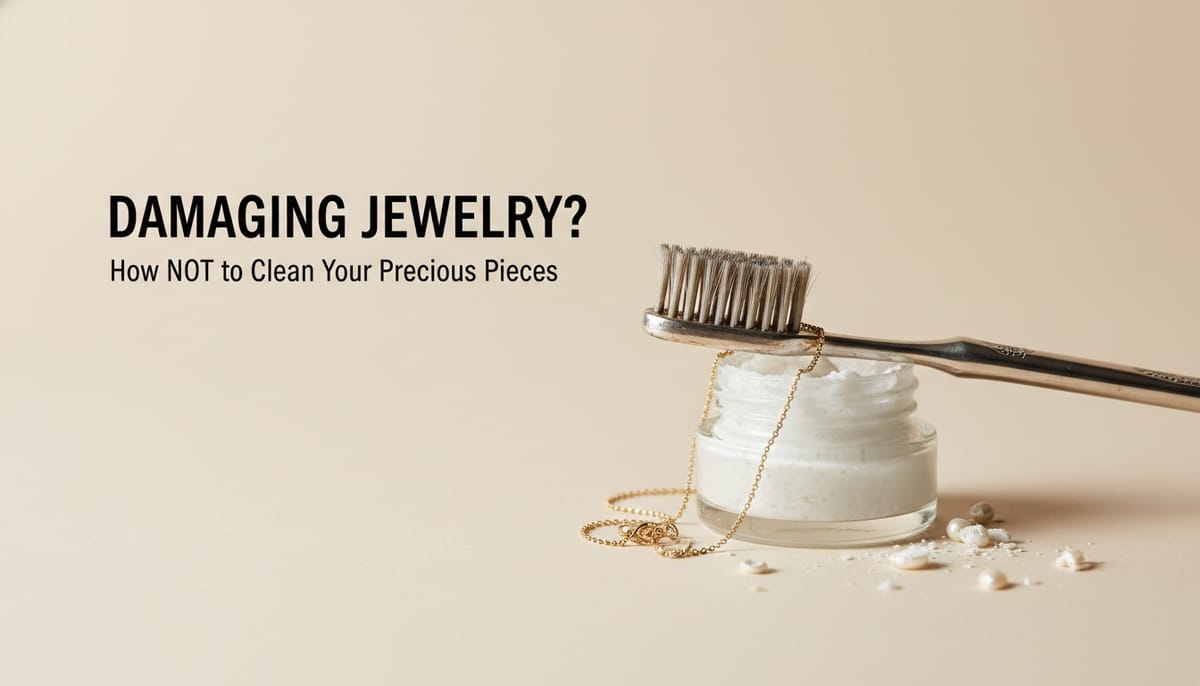
Let’s be honest. When your favorite ring starts looking dull or your necklace loses its sparkle, the first instinct is to grab whatever is nearby and scrub away. Toothpaste? Sure. Baking soda? Why not. A splash of something stronger? It will shine like new, right?
Well, not exactly.
Most damage to jewelry does not happen while wearing it. It happens while cleaning it. The very act meant to restore shine can quietly scratch, weaken, fade, or even destroy your beloved pieces.
That is why this guide exists. This is not about how to clean your jewelry. It is about How NOT to Clean Your Jewelry, because sometimes knowing what not to do saves you regret and expensive repair bills.
So before you dunk that delicate bracelet into a mystery solution, let’s talk about the mistakes people make every single day and how to avoid them. For more on proper care and trends, check out Eternz's jewelry blog.
How NOT to Clean Your Jewelry: The Biggest Mistakes People Make
Cleaning jewelry is not rocket science. But it is also not a one size fits all situation. Different metals and gemstones react differently to chemicals, friction, moisture, and temperature. Ignore that, and things can go wrong quickly.
Here is where most people make mistakes. To learn the right methods, check out this expert guide on safely cleaning jewelry.
1. Using Toothpaste Like It Is a Miracle Cleaner
Toothpaste might make your teeth sparkle, but your jewelry will not thank you for it.
It is abrasive. That gritty texture designed to scrub plaque can scratch metals like gold and silver. When it comes to softer stones such as pearls, opals, and turquoise, it can be a serious problem.
Why it is a bad idea:
- Causes micro scratches on gold and silver
- Dulls polished finishes
- Damages soft gemstones
- Gets trapped in tiny crevices
That quick shine often comes with long term damage.
2. Soaking Everything in Harsh Chemicals
Bleach, ammonia, acetone. They sound powerful. Powerful enough to clean anything?
Exactly. Too powerful.
These chemicals can weaken metal structures, discolor gold, and even damage components in gemstone settings. Soaking jewelry in them might seem efficient, but it is like using a pressure washer on silk.
What can happen:
- Gold becomes brittle
- Prongs weaken, increasing the risk of stone loss
- Silver tarnishes faster
- Some gemstones lose color
When it comes to How NOT to Clean Your Jewelry, harsh chemicals sit right at the top of the list.
3. Scrubbing with Hard Brushes or Rough Cloths
You see grime. You grab a toothbrush. But not all brushes are gentle.
Hard bristles scratch surfaces. Rough paper towels leave marks. Even certain fabrics can create tiny abrasions that slowly reduce shine.
Those scratches are permanent unless professionally polished.
Avoid:
- Hard bristle brushes
- Toothpicks or sharp objects
- Paper towels
- Scouring pads
4. Boiling Your Jewelry at Home
Some people believe boiling jewelry helps remove dirt. Professionals may use controlled heat treatments, but doing this at home is risky.
Heat can:
- Crack gemstones
- Loosen adhesives
- Warp delicate metal settings
Pearls, opals, and emeralds are especially sensitive to temperature changes. Even diamonds can suffer if internal inclusions react to extreme heat.
Boiling water belongs in the kitchen for cooking, not for cleaning your jewelry.
5. Using Ultrasonic Cleaners Without Checking Compatibility
Ultrasonic cleaners look impressive. Drop the ring in, press a button, and it comes out clean in minutes.
However, not all jewelry is safe for ultrasonic cleaning.
Vibration can:
- Loosen stones
- Crack fragile gems
- Damage treated stones
Emeralds, opals, pearls, and glued settings should never be cleaned this way without professional advice.
Learning How NOT to Clean Your Jewelry includes understanding that technology is not always the answer.
6. Ignoring the Type of Metal
Gold, sterling silver, platinum, stainless steel. They are not the same.
Silver tarnishes. Gold scratches easily. Platinum is durable but still requires care. Using the same cleaning method for everything can cause damage.
For example:
- Silver dips can damage gold plating
- Polishing cloths meant for silver may strip finishes
- Excessive polishing can thin metal over time
One method does not work for every piece.
7. Over Cleaning Your Jewelry
Cleaning too often can also be harmful.
Polishing removes microscopic layers of metal. If done excessively over the years, it can gradually thin your jewelry.
Sometimes less really is more. For timeless pieces that last, see 2026's top 5 timeless Indian jewelry every woman should own.
How NOT to Clean Your Jewelry: Stone Specific Mistakes
Let’s break it down by gemstone. What works for a diamond could damage a pearl.
Diamonds
Diamonds are strong, but they are not invincible.
Do not:
- Use bleach
- Scrub aggressively
- Ignore loose settings
The stone may be tough, but the metal holding it in place is not. Explore diamond jewelry with care in mind.
Pearls
Pearls are delicate and require special care.
Never:
- Soak them
- Use vinegar or lemon juice
- Scrub with abrasive materials
Pearls are organic and sensitive to chemicals, which can strip their natural luster.
Opals
Opals contain water.
Extreme heat or dryness can crack them. Harsh cleaners can damage their surface and structure.
Emeralds
Many emeralds are treated with oils to improve clarity.
Harsh cleaning methods can remove those oils, leaving the stone cloudy and less vibrant. For gemstone care insights, read Polki vs Kundan: Differences, Value, and Which Jewelry You Should Buy?.
Common DIY Cleaning Myths
Let’s clear up a few common misconceptions.
If it is natural, it is safe
Not necessarily. Lemon juice and vinegar are natural, but they are acidic and can damage metals and stones.
More shine means cleaner
Over polishing can strip finishes and thin prongs, making settings weaker.
If it worked once, it is fine
Damage can build up slowly. By the time you notice a problem, the harm may already be done.
What Happens When You Clean Jewelry the Wrong Way?
The consequences go beyond dullness.
- Stones may fall out
- Metal may weaken
- Finishes may fade
- Value may decrease
- Repairs may become expensive
A small mistake today can lead to major costs later.
Safer Alternatives Without Going Overboard
Although this article focuses on How NOT to Clean Your Jewelry, here are some safer basics:
- Use lukewarm water
- Use mild soap only
- Dry with a soft cloth
- Store pieces separately to prevent scratches
If you are unsure, consult a professional jeweler. For gold purity and care tips, check out the complete guide to 24K vs 22K vs 18K vs 14K Gold.
How NOT to Clean Your Jewelry: Final Thoughts
Jewelry is more than metal and stones. It carries memories, milestones, and meaning.
When it comes to How NOT to Clean Your Jewelry, the rule is simple. Do not rush. Do not guess. And do not experiment with whatever chemical happens to be nearby.
Cleaning jewelry is about care. Gentle handling. Mild solutions. Thoughtful methods.
Shine can fade temporarily, but damage can last. Treat your pieces kindly, avoid these common mistakes, and they will continue to sparkle for years to come. Isn’t that what you truly want? Ready to find pieces worth protecting? Explore Eternz.
Frequently Asked Questions
Can I use baking soda to clean my jewelry?
Not always. Baking soda is mildly abrasive and can scratch softer metals and gemstones.
Is dish soap safe for all jewelry?
A mild, fragrance free soap can work for many metals and diamonds, but delicate stones like pearls and opals should not be soaked.
How often should I clean my jewelry?
Light cleaning every few weeks is enough for regularly worn pieces. Professional cleaning once or twice a year is usually ideal.
Can I use alcohol wipes on jewelry?
Alcohol can dry out certain gemstones and damage adhesives. It is not recommended for pearls, opals, or glued settings.
Why does my silver tarnish faster after cleaning?
Harsh chemicals can strip protective layers, making silver more prone to oxidation. For silver-specific advice, read why 925 Sterling Silver is perfect for everyday luxury in India.