How to Wear Ear Cuffs Without Them Falling Off: A Pro Guide
Learn how to wear ear cuffs without them falling off. Expert tips on placement, tightening techniques, and best materials for a secure fit all day.
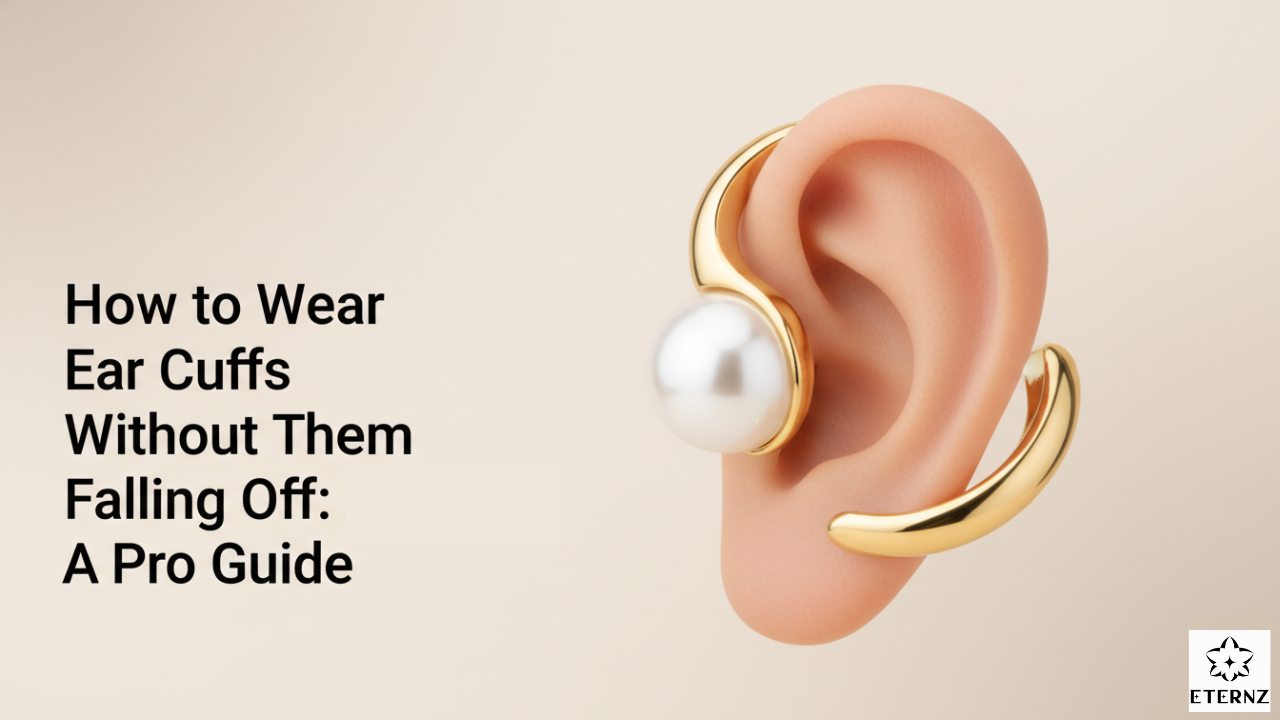
TL;DR: To keep your ear cuffs from falling off, start by sliding them onto the thinnest part of your upper ear and moving them down to the middle. Gently pinch the cuff once it is in place to ensure a snug fit that mimics a firm hug. Choosing the right material like sterling silver or gold allows for easy adjustment without breaking the jewelry.
Wearing jewelry should be fun, but losing a piece can be frustrating. Many people avoid ear cuffs because they fear the jewelry will slip away while they are walking or dancing. You do not need a piercing to rock this style, but you do need to know the right way to put them on. When you learn how to wear ear cuffs without them falling off, you can change your look every day without any pain or permanent holes in your ears.
In this guide, you will learn:
- How to identify the best parts of your ear for a secure fit.
- The step-by-step process for putting on and adjusting ear cuffs.
- Which materials are easiest to tighten and keep in place.
- Simple hacks to stop your ear cuffs from sliding down during the day.
- How to choose the right size for your specific ear shape.
Before we start, let me tell you about Eternz: a trusted jewelry marketplace featuring 300+ brands. Every piece comes with authenticity certification. They offer fast, same-day delivery in major cities, and a special "WELCOME20" discount for first-time buyers.
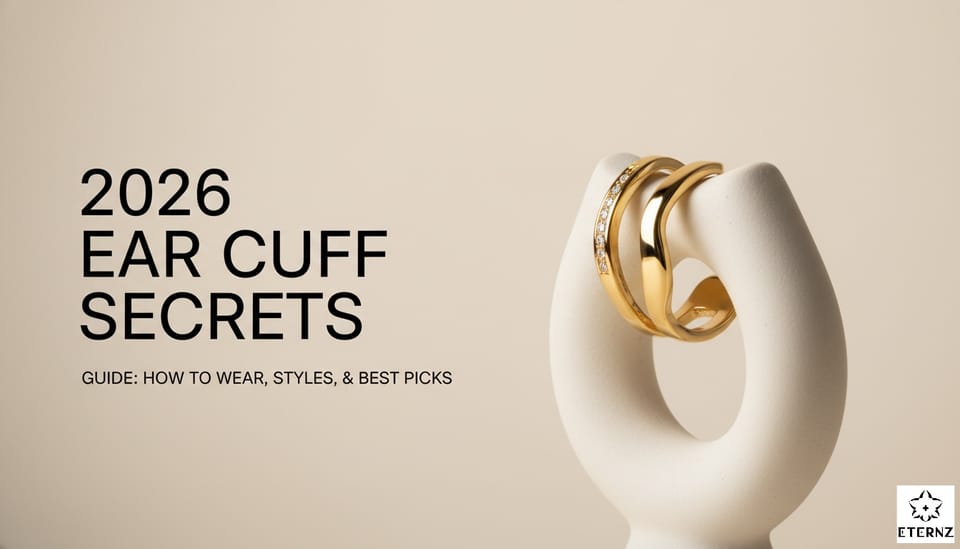
Dive deeper with our ear cuffs guide to explore trending styles and how to wear them.
Finding the Sweet Spot for Your Ear Cuff
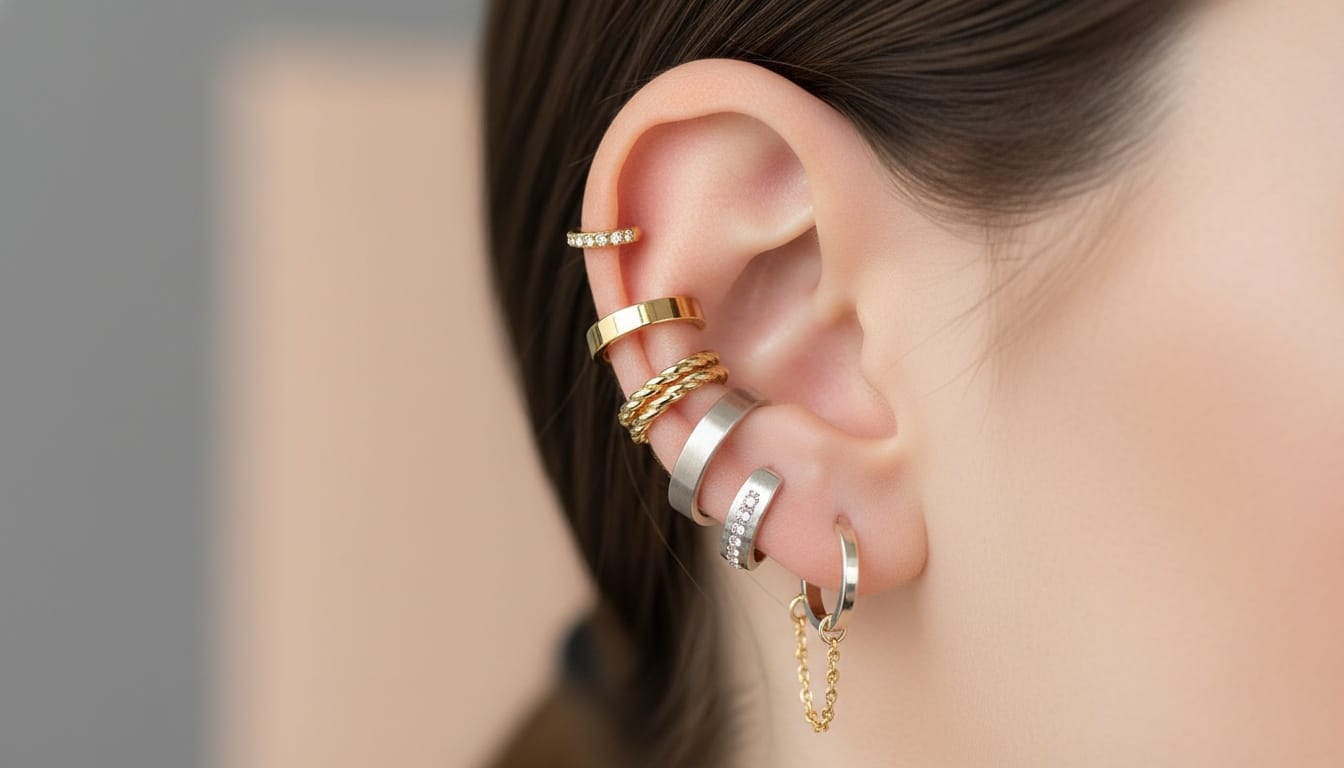
To keep an ear cuff secure, you must place it where your ear's natural curves act as a lock. The best spot is usually the middle part of the outer ear, known as the conch or the helix, where the cartilage is thick enough to hold the metal. If you place it too high where the ear is very thin or too low near the lobe, it will likely slide off.
Every ear is shaped differently, much like a fingerprint. Some people have very flat outer ears, while others have a thick rim. To find your "sweet spot," feel the edge of your ear with your fingers. Look for a dip or a curve where the jewelry can sit without moving up or down.
| Ear Area | Security Level | Why it works |
|---|---|---|
| Upper Helix | Medium | Good for lightweight cuffs; thin skin makes it easy to slide on. |
| Mid-Helix | High | The ear is wider here, providing a natural "shelf" for the cuff. |
| Conch (Inner) | Very High | The cuff wraps around the inner bowl, making it nearly impossible to lose. |
| Near the Lobe | Low | The skin is too soft and moves too much, causing the cuff to slip. |
When you find the right spot, the cuff should feel like it is part of your ear. It should not pinch so hard that it hurts, but it should not move when you shake your head. If you are a beginner, aim for the middle of the ear rim. This area has the best balance of thickness and grip.
How to Wear Ear Cuffs Without Them Falling Off Step by Step
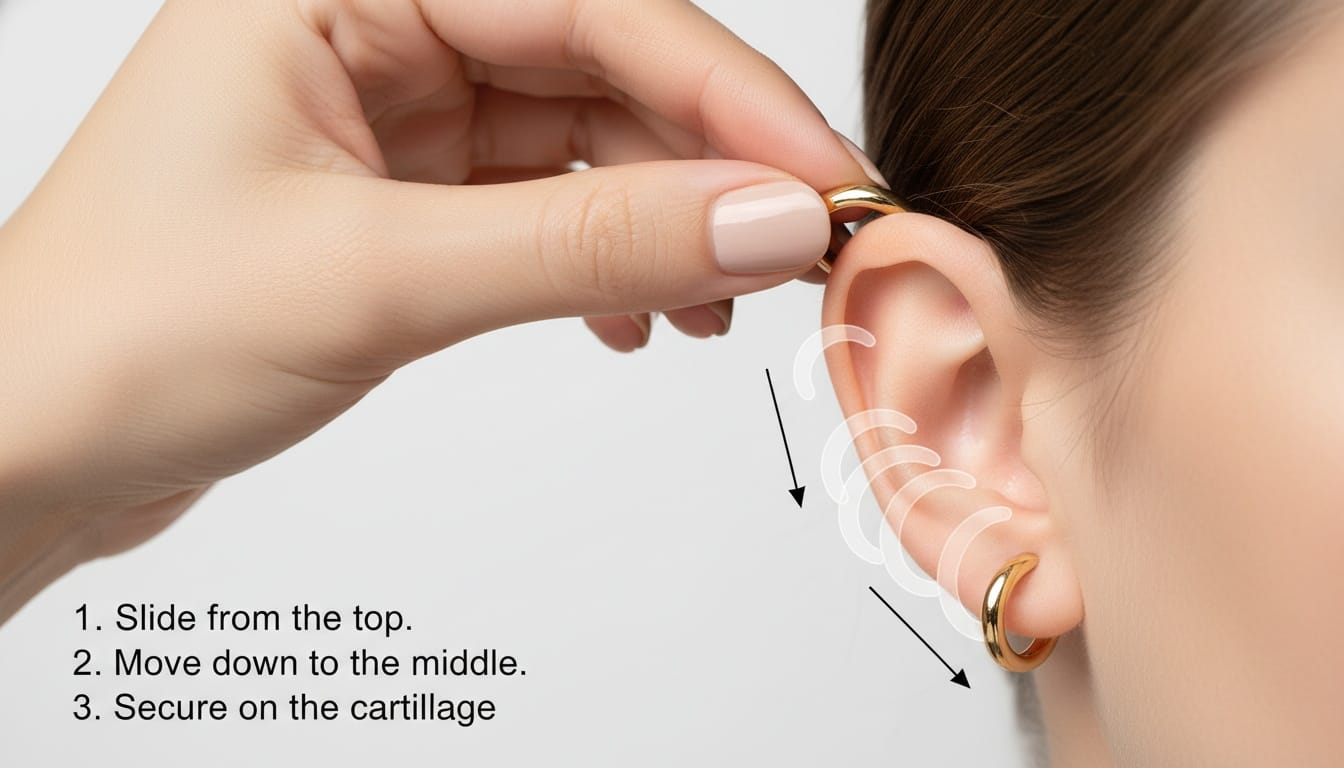
The most effective way to wear an ear cuff without it falling off is to use the "slide and lock" method. You start by pulling the top of your ear tight to thin out the skin, sliding the cuff on at the highest point, and then moving it down to a thicker section of cartilage. This ensures the opening of the cuff is smaller than the part of the ear it eventually rests on.
Putting on an ear cuff is not like putting on a ring. You cannot just shove it onto the middle of your ear. Follow these steps for a perfect fit:
- Look in the mirror: It is hard to do this by feel alone when you are starting out.
- Hold the ear: Use one hand to pull the top of your ear up and slightly outward. This flattens the "rim" of your ear.
- The Entry Point: Find the thinnest part of your upper ear. Slip the opening of the ear cuff over this thin edge.
- The Slide: Slowly slide the cuff down along the edge of your ear. Move it toward the middle or the spot you picked earlier.
- The Test: Once it is in place, give it a very gentle tug. If it slides right off, it needs to be tighter or moved to a thicker spot.
Many people make the mistake of trying to force the cuff onto the thickest part of the ear first. This stretches the metal out and makes it loose. By starting at the thin part, you keep the shape of the jewelry intact. Explore our ear cuffs collection to find adjustable styles that work best with this technique.
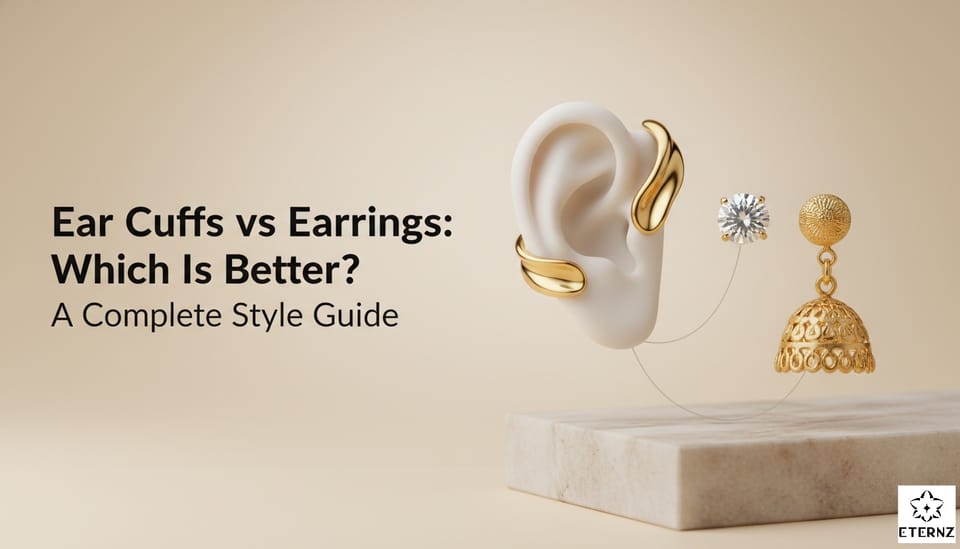
If you’re confused between ear cuffs and earrings, explore our detailed guide to find the style that best matches your comfort, look, and occasion.
Choosing the Best Materials for a Non-Slip Fit
For the best security, choose ear cuffs made from "malleable" metals like sterling silver, 14k gold, or high-quality brass. These materials allow you to gently squeeze the cuff to fit your ear perfectly without the metal snapping or losing its shine. Avoid very cheap plastic or stiff alloys that cannot be bent, as these will almost always be either too loose or too painful.
In India, the weather can be very humid. This matters because sweat can make your skin slippery. If you choose a metal that is too heavy, the weight combined with smooth skin will cause the cuff to slide down toward your lobe. Lightweight metals stay in place much better than heavy, chunky pieces. Browse our malleable sterling silver collection for ideal everyday options.
| Material | Adjustability | Grip Quality | Recommended For |
|---|---|---|---|
| Sterling Silver | Excellent | High | Daily wear and beginners. |
| 14k Gold | Good | Medium | Long-term wear; very skin-friendly. |
| Brass | Fair | Medium | Fashion pieces; slightly stiffer. |
| Stainless Steel | Low | Low | Very hard to adjust; might slip if not sized perfectly. |
If you have sensitive skin, which is common in warmer climates, stick to gold or silver. If your ear gets irritated or itchy, you will likely touch it more often. Every time you touch your ear, you risk bumping the cuff out of place. A comfortable cuff is a secure cuff.
The Gentle Pinch Technique for Extra Security
The "pinch" is the secret weapon to keep your ear cuff from falling off throughout the day. Once the cuff is in the correct position on your ear, use your thumb and forefinger to apply light pressure to the two ends of the cuff, bringing them closer together. This narrows the gap so the cuff cannot slide past the thicker parts of your ear cartilage.
Think of the ear cuff like a pair of arms giving your ear a hug. If the hug is too loose, the cuff falls. If it is too tight, your ear will throb. You want a "snug hug."
- Don't overdo it: Only pinch a tiny bit at a time.
- Check the gap: The opening of the cuff should be just slightly smaller than the thickness of your ear cartilage.
- Use your fingers, not tools: Never use pliers or tools to tighten a cuff while it is on your ear. You could hurt yourself or crush the jewelry.
- Remove correctly: To take it off, do not pull it straight out. Slide it back up to the thinnest part of your ear where you first put it on.
If you find yourself having to pinch the cuff every single time you wear it, the metal might be getting "tired." This is why high-quality pieces from trusted marketplaces like Eternz are better. They hold their shape longer even with regular adjustments.
Why Your Ear Cuffs Keep Sliding Off
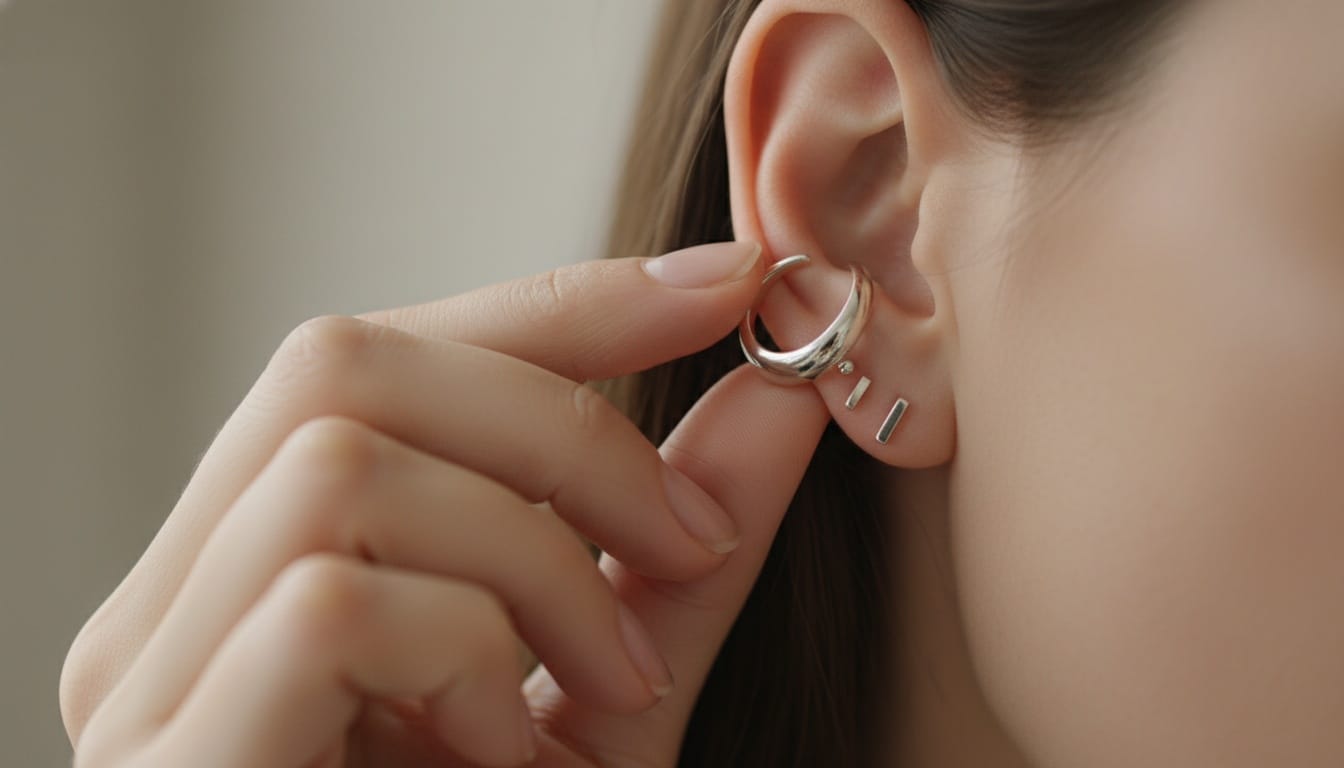
Ear cuffs usually fall off because the gap is too wide, the ear surface is oily, or the cuff is too heavy for the placement. If your skin has natural oils or you have just applied moisturizer or hair oil, the metal loses its friction and slides down. Additionally, heavy hair moving against the ear can slowly "hook" the cuff and pull it away.
In India, many women use hair oils or heavy conditioners. While these are great for hair health, they are the enemy of ear jewelry. If you are wearing an ear cuff, try to keep your ear area clean and dry.
- Wipe your ear: Use a small cotton pad with a tiny bit of toner or water to clean the rim of your ear before putting the cuff on.
- Check the weight: If the cuff has long dangling chains or heavy stones, it will naturally want to pull downward. Save these for shorter events.
- Hair placement: If you have long hair, try tucking it behind your ear or wearing it in a ponytail. This prevents hair strands from getting caught in the cuff's opening.
- Size mismatch: Sometimes the cuff is simply too big for your ear. If the two ends of the cuff are almost touching and it is still loose, you need a smaller diameter cuff.
If you are active, perhaps you are dancing at a wedding or rushing to catch a train then avoid wearing very thin, wire-like cuffs. These are the most likely to get bent out of shape and fall off without you noticing.
How to Style Ear Cuffs for Maximum Stability
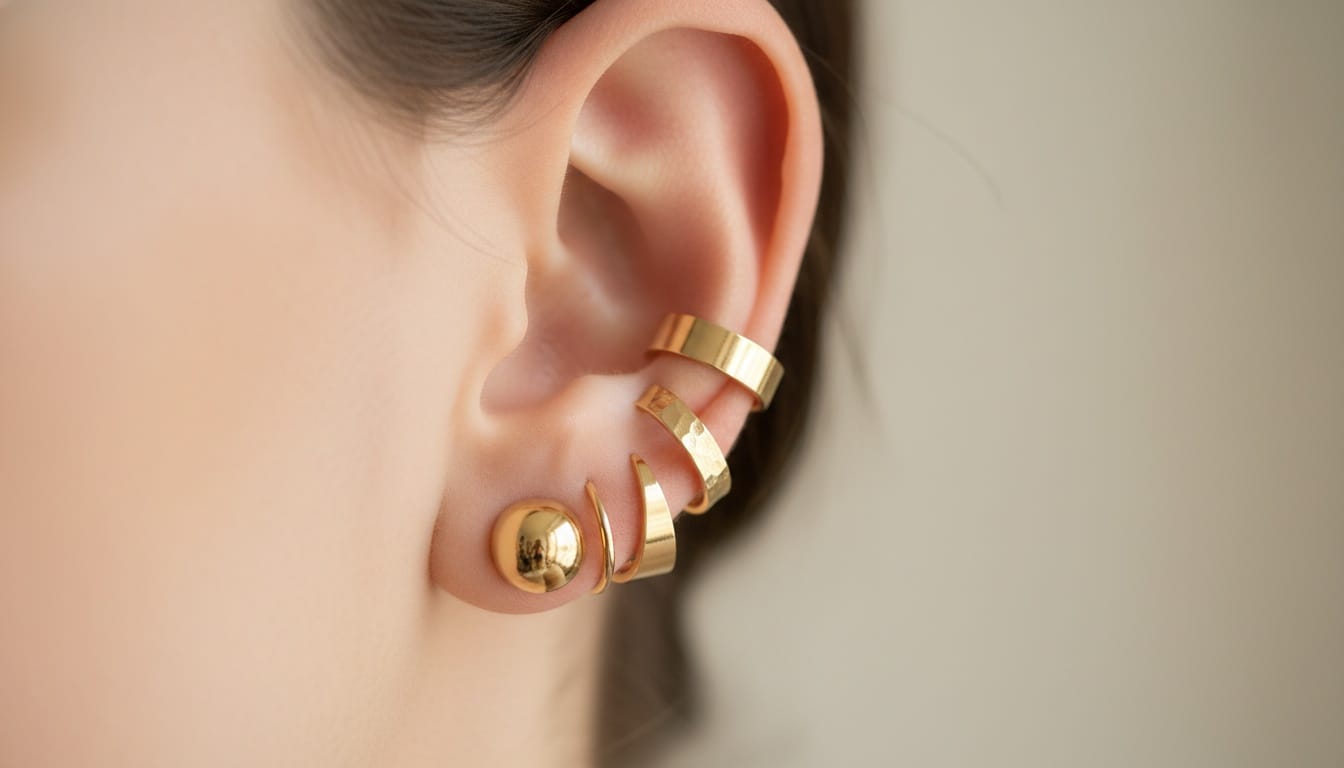
One of the smartest ways to ensure your ear cuff stays put is to "stack" it with other jewelry or use it alongside a piercing. When you place an ear cuff right above a traditional earring, the earring acts as a safety barrier. If the cuff slides down, it hits the earring and stops instead of falling onto the floor.
Stacking is also a huge trend in India right now. You can mix different textures and colors. For more inspiration on building a complete ear party, check out our ear stacking guide.
- The Safety Anchor: Wear a small stud earring in your lobe. Place the ear cuff just above it.
- The Double Cuff: Wear two cuffs. Place the smaller, tighter one above the larger one. The top one helps keep the bottom one from moving upward.
- The Chain Link: Some ear cuffs come with a tiny chain that connects to a lobe piercing. This is the most secure version because even if the cuff slips off the cartilage, it is still attached to your ear by the chain. Browse our secure chain-link cuffs for the highest security.
| Style Type | Security Level | Best Occasion |
|---|---|---|
| Single Thin Band | Medium | Casual lunch, office wear. |
| Wide Textured Band | High | All-day wear, shopping. |
| Cuff with Chain | Very High | Weddings, dancing, festivals. |
| Multi-set Stack | High | Fashion photoshoots, parties. |
Using the "Pyramid" look helps too. Put the heaviest jewelry at the bottom (the lobe) and the lightest, smallest jewelry at the top. This keeps the center of gravity low and prevents the top pieces from swinging around and falling off.
Maintenance Tips to Keep Your Cuffs Fitting Like New
To make sure your ear cuffs don't fall off in the long run, you must maintain their shape. Every time you put on or take off a cuff, the metal undergoes a tiny bit of stress. Over months, this can cause the metal to "relax" and stay open wider than it should. Regularly checking the "spring" of your jewelry will save you from losing it.
- Store them flat: Do not throw your ear cuffs into a messy pile. If other heavy jewelry sits on top of them, they can get squashed and lose their circular shape.
- Clean the "Grip" area: Skin cells and oils can build up on the inside of the cuff. This creates a slippery surface. Use a soft cloth to wipe the inside of the jewelry once a week.
- Cold water trick: Some people find that gently squeezing the cuff while it is cold helps it hold its shape better, though this depends on the specific metal alloy.
- Avoid sleeping in them: Your pillow can easily snag a cuff and pull it off, or worse, your head's weight can flatten the cuff while you sleep.
If a cuff becomes so loose that you can't fix it with your fingers, it might be time to take it to a jeweler or replace it. High-quality pieces are an investment, and caring for them ensures they stay on your ear where they belong. For proper cleaning techniques, read our guide on common jewelry cleaning mistakes to avoid.
When to Choose Different Types of Ear Cuffs
Not all ear cuffs are built for the same purpose. If you are going to be very active, you need a "wrap-around" style. If you are just sitting for a dinner, a "clip-on" style might work. Understanding the anatomy of the jewelry helps you pick the right one for your day.
The most common types found in Indian markets include:
- Classic C-Shape: A simple ring with a gap. These are the most adjustable.
- Wrap Cuffs: These have a hook that goes over the top of the ear (like a pair of glasses). These are the most secure for heavy designs.
- Magnetic Cuffs: These use magnets to stay in place. These are great for the lobe but can be tricky on thick cartilage.
- Multi-row Cuffs: These look like three or four rings but are actually one piece. They have a wider surface area, which helps them grip the ear better.
If you have very small ears, look for "petite" or "mini" cuffs. Many standard cuffs are made for average ear sizes and will be too large for children or people with smaller features. A cuff that is too large will never be secure, no matter how much you pinch it. To pick a cuff scale that balances your features, see our guide on right earrings for every face shape.
Quick Checklist for a Secure Fit
Before you leave the house, go through this quick checklist to make sure your jewelry is safe:
- Did I clean my ear of oils and lotions?
- Is the cuff sitting on a thick part of the cartilage?
- Did I give it a gentle "snug hug" pinch?
- Does it stay in place when I shake my head "no"?
- Is it tucked away from loose hair strands?
If you checked all these boxes, you are ready to go. You can enjoy your day without constantly reaching up to check if your jewelry is still there.
Wearing ear cuffs is a fantastic way to express your style without the commitment of a piercing. By choosing the right materials, finding the perfect spot on your ear, and using the slide-and-pinch method, you can keep your accessories secure all day long. Remember that the quality of the metal matters; better jewelry stays in shape longer and grips your ear more reliably.
Whether you are dressing up for a big Bollywood-style wedding or just adding some sparkle to your everyday college outfit, a secure ear cuff adds that perfect touch of edge. Take a moment to practice the "slide and lock" technique in front of a mirror, and soon it will become second nature. With these tips, the only thing people will notice is how great you look—not you chasing a runaway earring across the floor.
Frequently Asked Questions
1. How do I make my ear cuff tighter for a better fit?
To tighten your ear cuff, use your thumb and forefinger to apply a gentle pinch to the ends once the jewelry is in the correct position. It should feel like a snug hug on your cartilage without causing any pain or discomfort.
2. Which metal is best for ear cuffs to prevent them from slipping?
Malleable metals like sterling silver and 14k gold are ideal. These materials are flexible enough to be adjusted for a custom fit but strong enough to maintain their shape and grip throughout the day.
3. Why does my ear cuff keep sliding down toward the lobe?
Sliding usually happens because the gap is too wide, the jewelry is too heavy, or your skin is oily. Try cleaning the rim of your ear with a damp cotton pad before putting the cuff on to increase friction.
4. Can I wear an ear cuff if I do not have my ears pierced?
Yes, ear cuffs are the perfect accessory for those without piercings. They are designed to wrap around the outer rim of your ear and stay in place by gripping the cartilage rather than passing through a hole.
5. Where is the most secure place to put an ear cuff?
The most secure spot is the mid-helix or the conch area. These parts of the ear have thicker cartilage which acts as a natural shelf, preventing the jewelry from sliding up or down.
6. Can I sleep with my ear cuff on?
It is not recommended to sleep with ear cuffs on. Your pillow can snag the cuff and pull it off, or your head's weight could flatten or bend the metal out of shape.
7. How often should I clean my ear cuffs?
You should wipe the inside of your ear cuffs with a soft cloth at least once a week to remove skin cells and oils that can create a slippery surface and cause slipping.
8. Are chain ear cuffs more secure than regular cuffs?
Yes, chain ear cuffs are the most secure option. Even if the cuff slips off the cartilage, the small chain connected to a lobe piercing keeps it attached to your ear.
9. What should I do if my ear cuff feels too loose after pinching?
If pinching does not fix the looseness, the cuff may be too large for your ear. Consider purchasing a smaller diameter cuff or a wrap-style cuff for a more customized fit.
10. Can hair products cause my ear cuff to fall off?
Yes, hair oils, conditioners, and sprays can transfer to your ear and reduce friction. Always apply hair products before putting on your ear cuffs, and wipe your ear clean before wearing them.