5 Gemstones You Should Never Wear in the Shower
Is your shower ruining your gemstone jewelry? Many popular gems like pearls and opals are vulnerable to water damage from showering. This guide lists the 5 gemstones you should never wear in the shower and provides expert jewelry care advice to keep them safe.
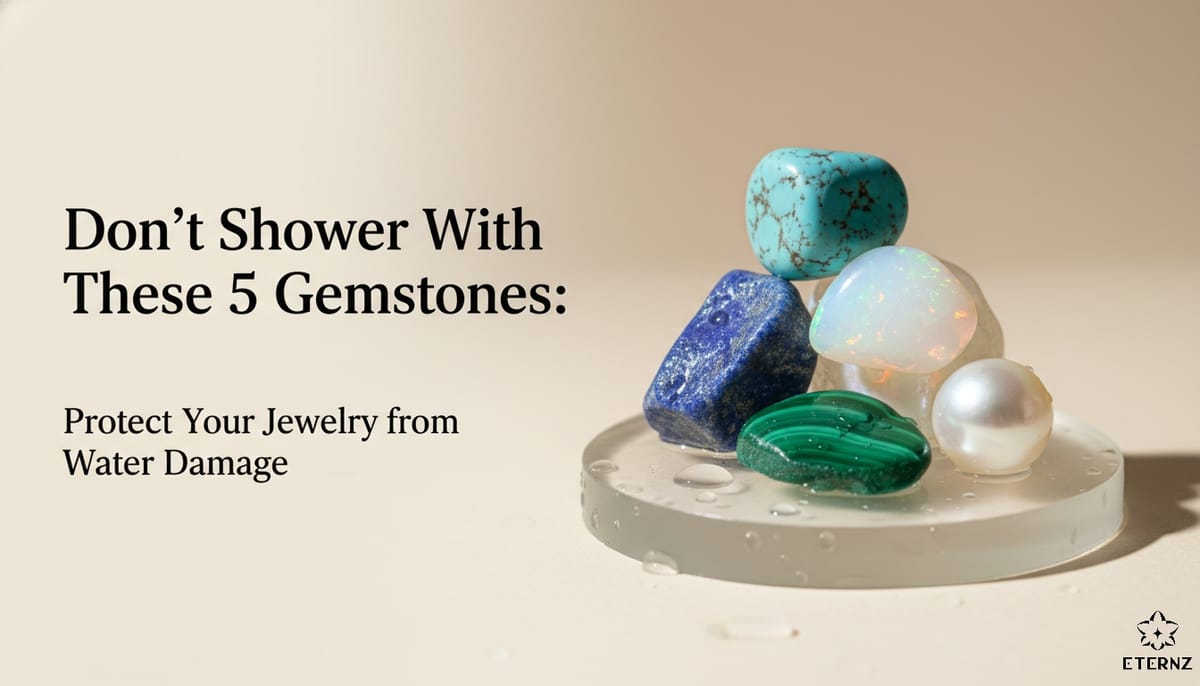
Did you know that your morning shower might be slowly ruining your favorite jewelry? Most of us never think twice about hopping in the shower with our rings or necklaces on. We assume that because stones come from the earth, they can handle a little water.
While diamonds and rubies can usually handle a splash, many other popular gems are surprisingly fragile. The hot water, steam, and even your shampoo can cause cracks, discoloration, and permanent loss of shine.
water is the #1 silent killer of organic and porous gemstones.
In this guide, we will uncover the 5 gemstones you must take off before bathing and exactly how to keep them safe.
Why Water Damages Some Gemstones
Most people don't realize that water contains chemicals like chlorine and minerals that can erode soft stones, while hot water can wash away protective oils. Even "clean" tap water can be dangerous for porous gems because they soak up liquid like a sponge, leading to internal pressure and cracks.
To understand why this happens, you only need to know two simple things: Hardness and Porosity.
- Hardness: We measure this on something called the Mohs Scale. A diamond is a 10 (very hard). A pearl is a 2.5 (very soft). Soft stones get scratched and worn down easily by water pressure and scrubbing.
- Porosity: Some stones have tiny, invisible holes in them. When dirty bathwater gets inside these holes, it stays there. When it dries, it can break the stone from the inside out.
Think of porous gems like a dry sponge, they drink up everything, including the bad stuff.
Here are the 5 gemstones you should arguably never wear in the shower. For safe cleaning methods that protect these delicate gems, see our expert guide to cleaning heirloom and vintage jewelry.
1. Pearls
Pearls are organic gems made of calcium carbonate, which means they can slowly dissolve when exposed to acidic water and harsh shampoos. The outer layer, called nacre, is very delicate and will lose its shine, becoming dull and chalky with repeated wetness.
- The String Danger: Most pearl necklaces are strung on silk thread. When silk gets wet, it stretches and weakens. If you shower with it, the thread might snap unexpectedly later in the day.
- The Coating: The shiny coating (nacre) can flake off if it interacts with sulfates found in body wash.
Water damage is real: See how a single shower can ruin the natural luster of your precious pearls forever.
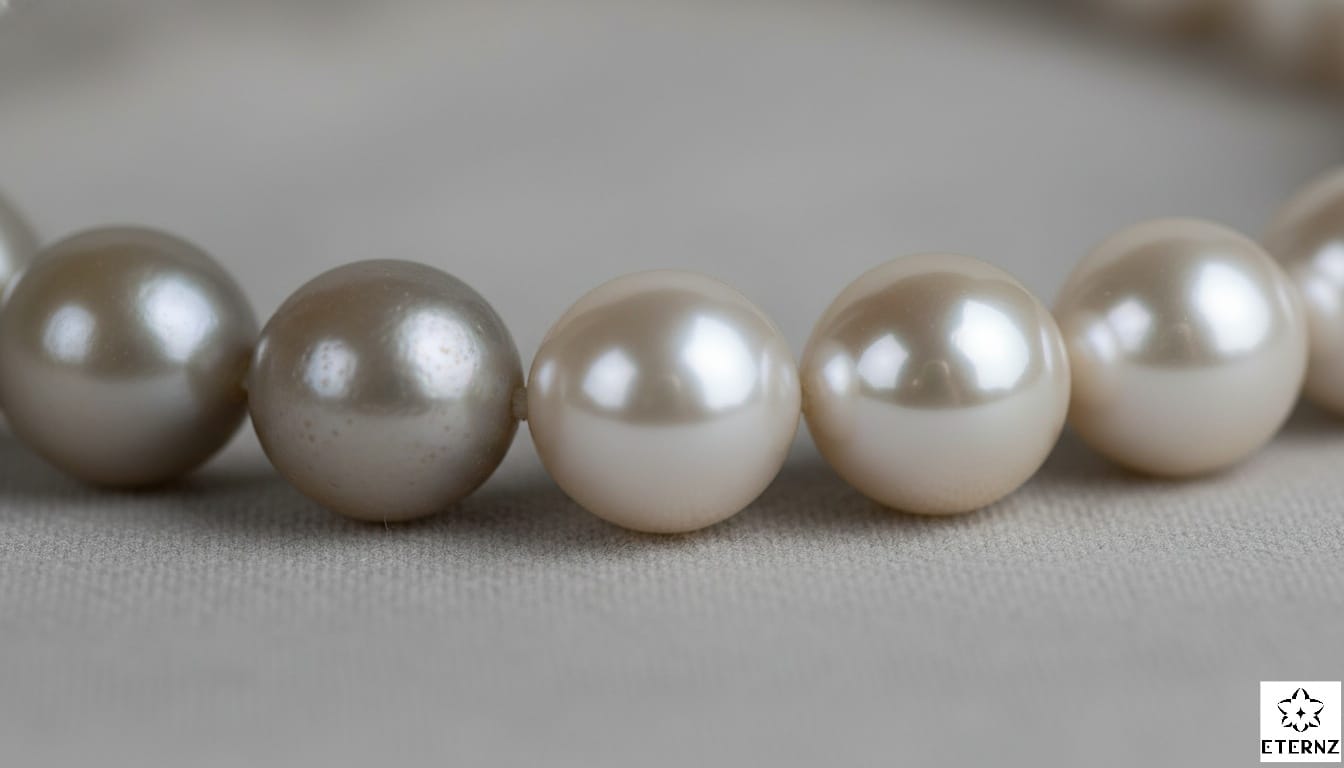
Pearls are not rocks; they are made by living creatures (mollusks). This makes them "organic" gems.
Explore lustrous pearl collections that stay beautiful with proper care.
2. Opals
Opals already contain water inside them, so adding more water (especially hot water) can cause them to crack or "craze" when they dry out. They are extremely sensitive to sudden temperature changes, like stepping into a steaming hot shower.
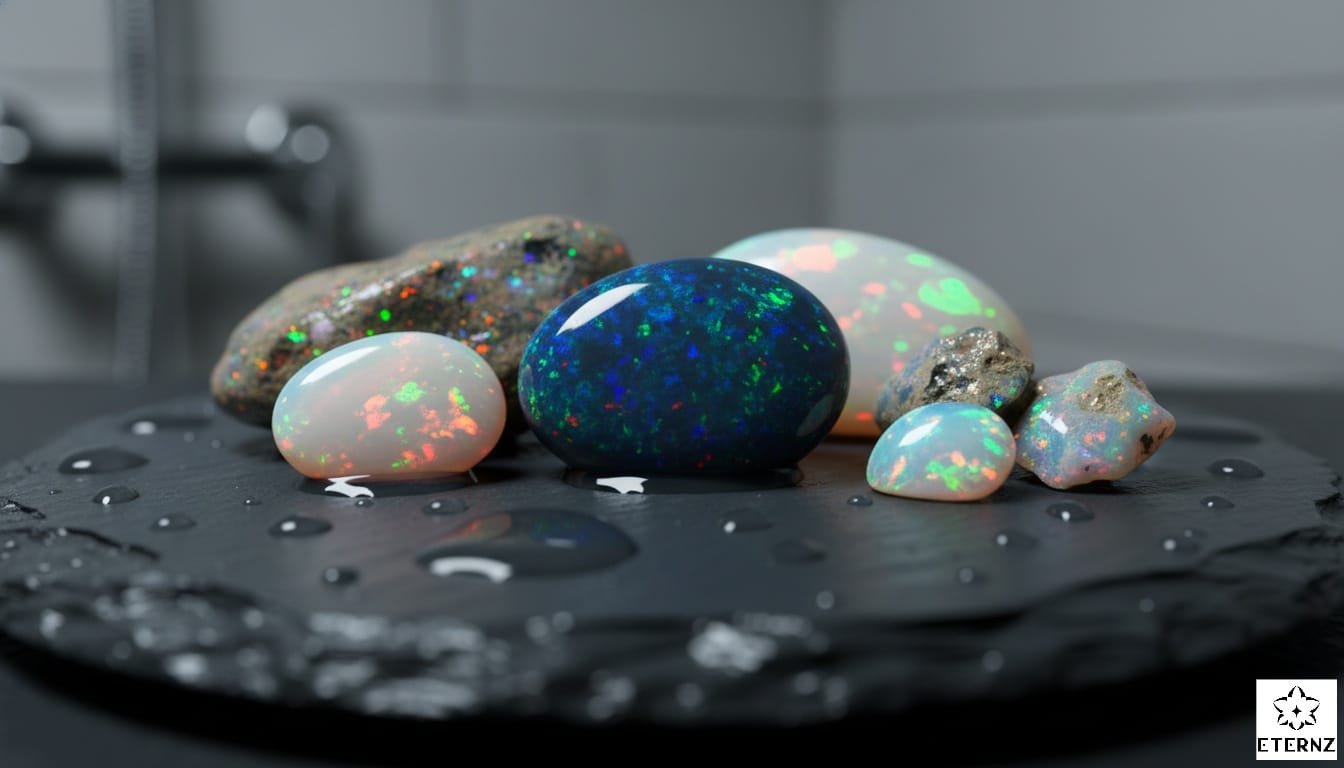
Opals are famous for their "fire" or rainbow colors. But did you know that an opal is basically solidified silica gel?
- The "Sponge" Effect: Some opals are "hydrophane," which is a fancy way of saying they love water. If they soak up shower water, they might turn clear or yellow and lose their beautiful fire.
- Doublets and Triplets: Many affordable opals are actually slices of opal glued to a black backing. Hot water melts this glue, causing the layers to separate and the stone to look foggy.
Discover opal jewelry and learn to protect its unique fire.
3. Turquoise
Turquoise is a very porous stone that acts like a sponge, absorbing soap, lotions, and dirty water that will permanently change its color. Over time, water exposure will turn your bright blue turquoise into an ugly, muddy green color.
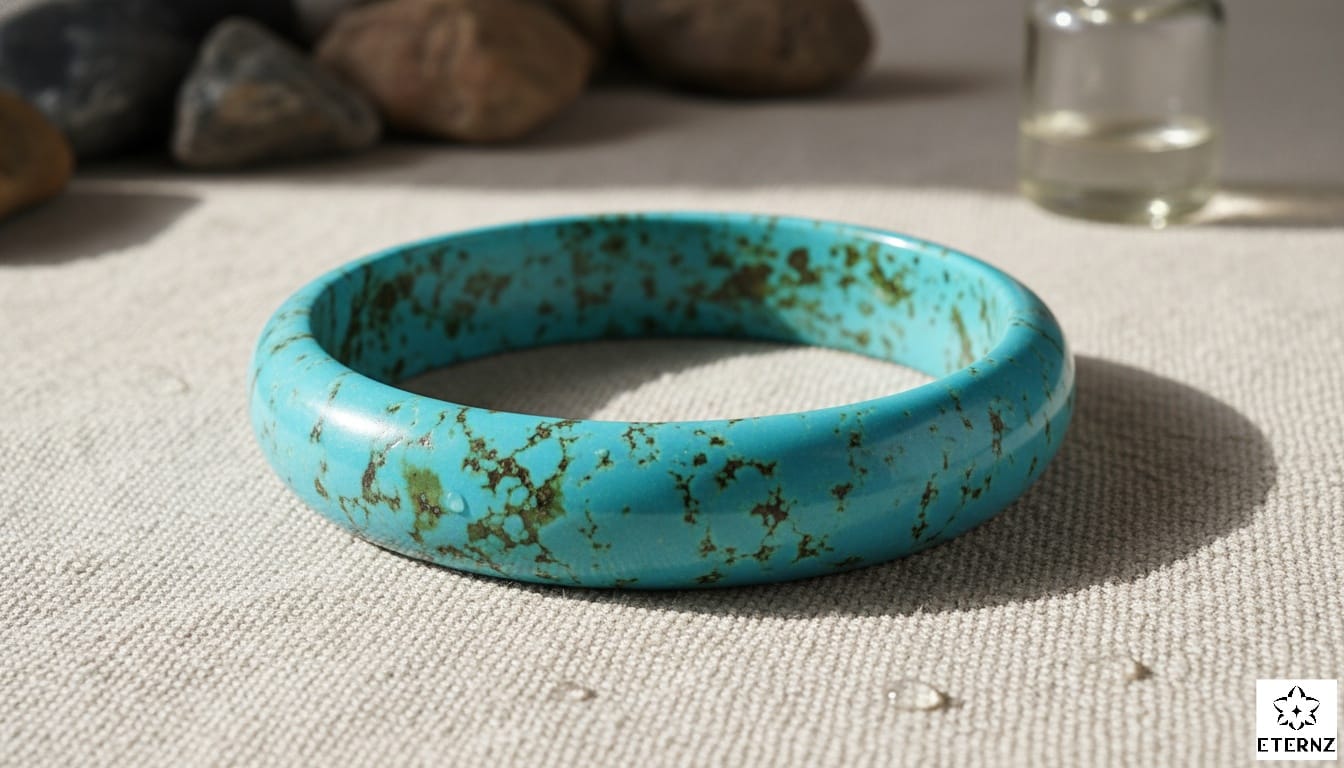
Real turquoise is rarely a solid, hard rock. It is filled with tiny microscopic holes.
- Chemical Reaction: Turquoise contains copper (which gives it the blue color). The chemicals in tap water and soap can react with the copper, speeding up discoloration.
- Structural Weakness: Repeated wetting and drying weakens the internal structure, making the stone crumbly.
Browse turquoise pieces for boho vibes with mindful care.
4. Emeralds
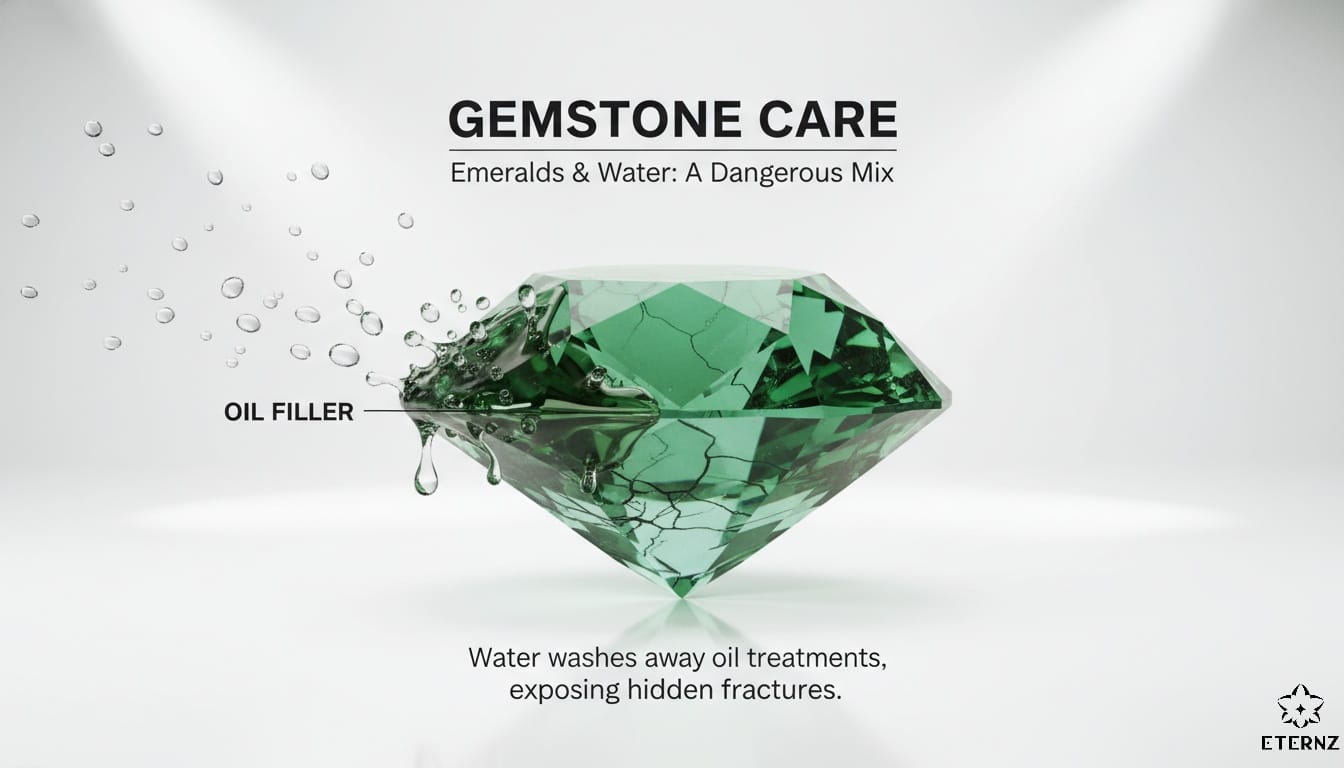
Almost all emeralds are treated with special oils to fill in tiny natural cracks, and hot soapy water can wash these oils out. When the oil is removed, the emerald loses its sparkle and existing cracks become visible and more likely to break.
You might think, "But emeralds are hard rocks, right?" Yes, they are harder than pearls, but they are brittle.
- The Oil Factor: Think of the oil like a moisturizer for the stone. Showering strips this moisturizer away.
- Heat Shock: Emeralds hate quick temperature changes. Going from a cold room to a hot shower can cause "thermal shock," leading to fractures.
Shop emerald jewelry that shines with the right maintenance.
5. Amber
Amber is fossilized tree resin, which is very soft and can be easily coated by soap scum that ruins its transparency. It is one of the softest gems used in jewelry and can actually become brittle and break if exposed to hot water and steam constantly.
Since Amber is ancient tree sap, it is technically a natural plastic.
- Dullness: Soap scum sticks to amber very easily. After a few showers, your clear, honey-colored stone will look cloudy and dirty.
- Polishing Issues: You cannot simply "polish" amber back to life easily because it is so soft; you might end up scratching it more.
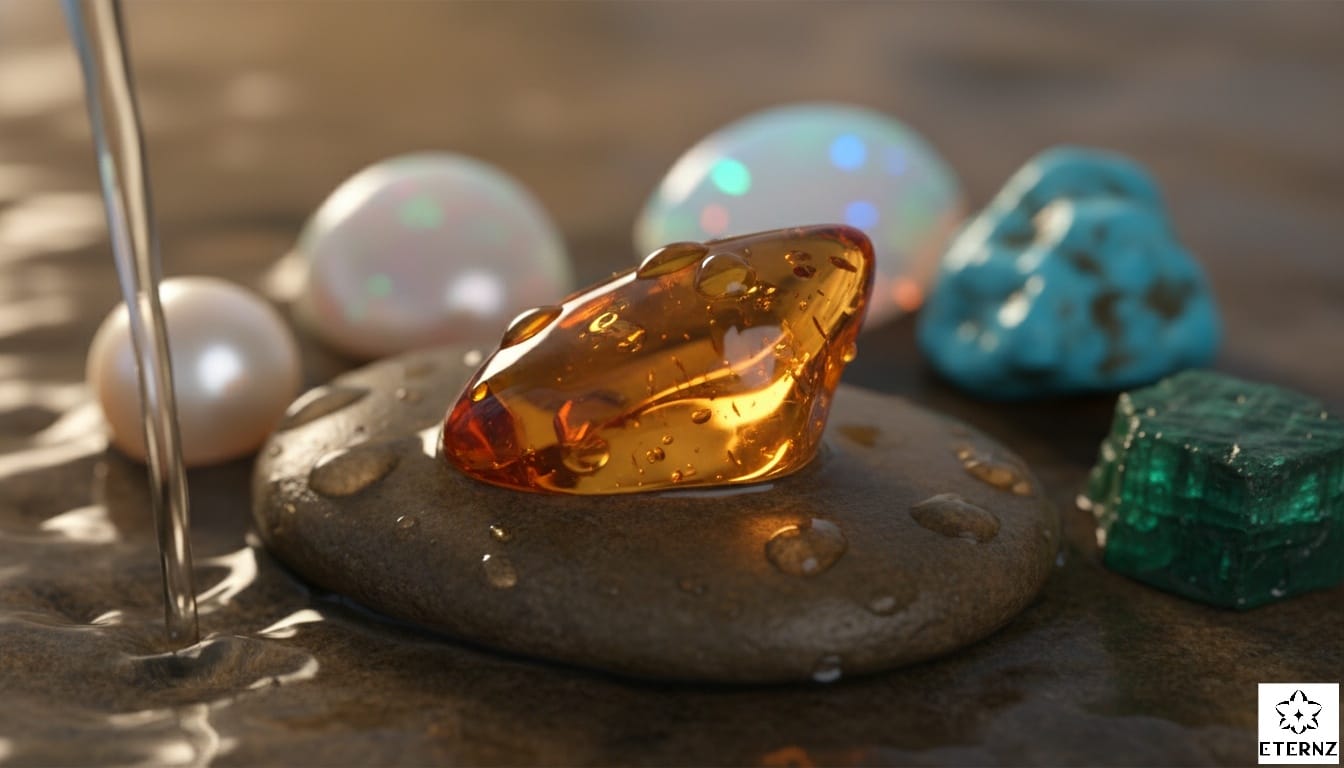
Do you know? Amber floats in salt water! That is how light and porous it is.
Find warm amber designs for unique, earthy style.
Safe vs. Unsafe Gemstones for Showering
The general rule is that diamonds, sapphires, and rubies are safe for the shower, while organic and porous stones are not. Use this simple table to check your jewelry box before you bathe.
| Gemstone | Shower Safe? | Why or Why Not? |
|---|---|---|
| Diamond | ✅ YES | Very hard (10/10). Water rolls right off. |
| Sapphire | ✅ YES | Very durable. Soap won't hurt it. |
| Ruby | ✅ YES | Same family as sapphire. Very tough. |
| Pearl | ❌ NO | Dissolves/peels. String rots. |
| Opal | ❌ NO | Cracks from heat. Glue melts. |
| Emerald | ❌ NO | Oil washes out. Cracks appear. |
| Turquoise | ❌ NO | Absorbs soap. Turns green. |
| Amber | ❌ NO | Soap scum builds up. Very soft. |
How to Care for Water Sensitive Gems
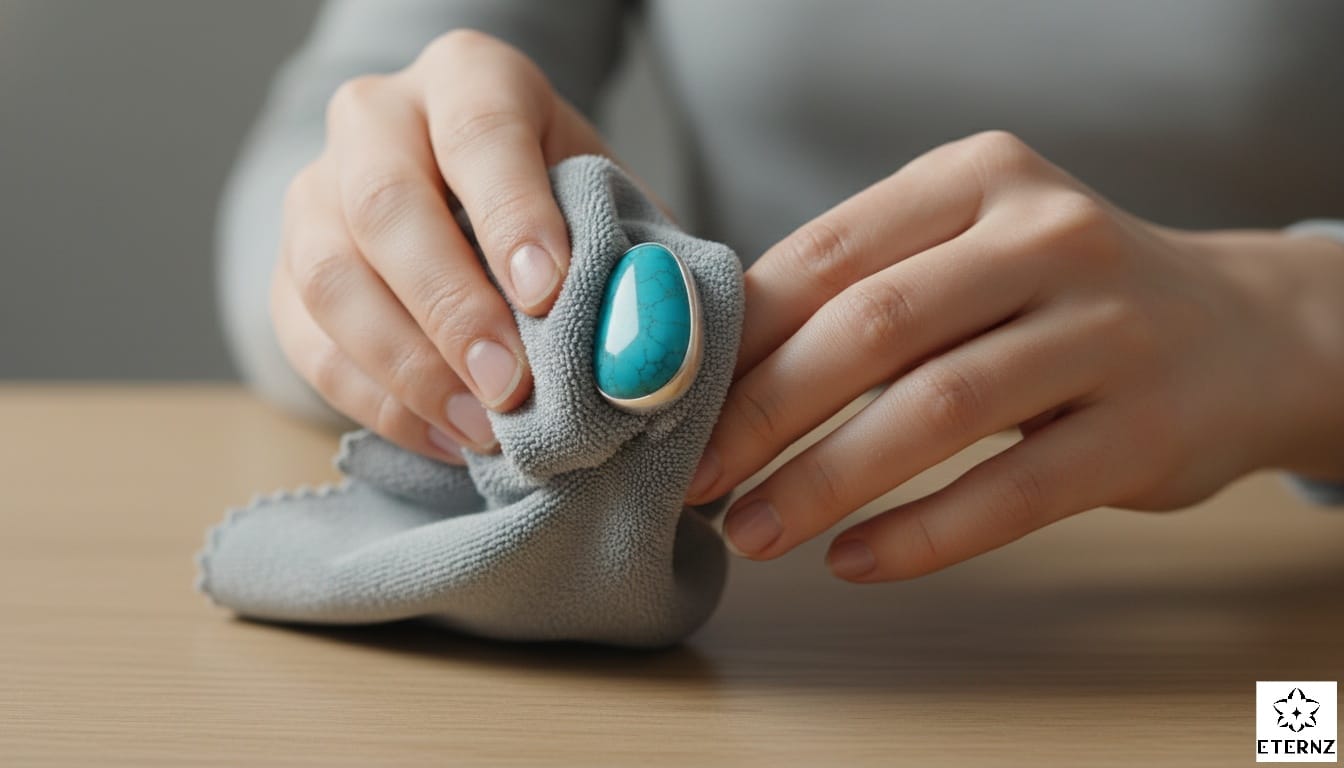
The best way to clean sensitive gems is to use a soft, dry cloth or a slightly damp cloth with no harsh chemicals. Never use ultrasonic cleaners or steam cleaners for the stones listed in this article.
If your jewelry is dirty, here is the safe way to clean it:
- The Wipe Down: Use a lint-free cloth (like a glasses cleaner) to wipe off body oil and sweat after wearing.
- The Damp Dab: If there is sticky dirt, dampen a corner of the cloth with lukewarm water. Gently dab the spot. Do not scrub!
- Dry Immediately: Never leave these stones wet. Pat them dry instantly.
- Storage: Store them in a soft fabric pouch, away from harder stones like diamonds that could scratch them.
What to Do If Your Gemstone Gets Wet
If you accidentally wore your sensitive jewelry in the shower, immediately dry it with a soft cloth and let it air dry in a cool, shaded place. Do not use a hair dryer or heater, as the heat can cause the stone to crack further.
- For Pearls: Lay the necklace flat on a dry towel. Do not hang it up, or the wet string will stretch.
- For Opals: Let them dry naturally at room temperature. Rushing the process causes cracks.
- For Emeralds: If it looks dull after drying, take it to a jeweler. They can "re-oil" it to bring back the shine.
Conclusion
Taking your jewelry off before the shower is the simplest way to make sure it lasts forever. While diamonds can handle the heat, precious gems like pearls, opals, and emeralds need a little extra care to stay beautiful.
If you are looking for high-quality jewelry that you can trust, you should check out Eternz.
- Huge Selection: They have over 250+ trusted brands all in one place.
- Peace of Mind: Every piece comes with an authenticity certification, so you know exactly what you are buying.
- Try Before You Buy: Unsure how it will look? Use their cool Virtual Try-on feature to see the piece on yourself instantly.
- Fast Delivery: Need it for a party tonight? They offer Same day delivery in selected cities like Bengaluru, Delhi, Noida, and Mumbai.

Ready to upgrade your collection with durable, shower-safe pieces? Dive into more trends with 2026's Top 5 Timeless Indian Jewelry Every Woman Should Own.
Use code WELCOME10 for a special discount on your first order at Eternz!
Frequently Asked Questions
1. Why does water damage certain gemstones like pearls and opals?
Water contains chlorine, minerals, and heat that can erode soft gemstones and strip protective oils. Porous stones absorb moisture, which can create internal stress and lead to cracks or dullness.
2. Which five gemstones should always be removed before showering?
Pearls, opals, turquoise, emeralds, and amber should always be removed before showering to prevent discoloration, surface damage, and loss of natural shine.
3. Are any gemstones safe to wear in the shower?
Diamonds, sapphires, and rubies are generally safe because they are hard, non porous, and highly durable, allowing water to pass over them without damage.
4. How should sensitive gemstones be cleaned if they cannot get wet?
Sensitive gemstones should be cleaned by gently wiping them with a soft, dry, lint free cloth. For stubborn dirt, use a slightly damp cloth with lukewarm water, dab lightly, and dry immediately. Ultrasonic and steam cleaners should be avoided.
5. What should I do if water sensitive jewelry accidentally gets wet?
Dry the jewelry immediately with a soft cloth and allow it to air dry fully in a cool, shaded area. Avoid heat sources such as hair dryers. In the case of emeralds, professional re oiling by a jeweler may be required.