How to Care for Jewelry: Keep Your Collection Sparkling
Master jewelry care tips for gold, silver, and Kundan. Learn how to clean, store, and protect your precious pieces from tarnish. Keep your jewelry shining forever!
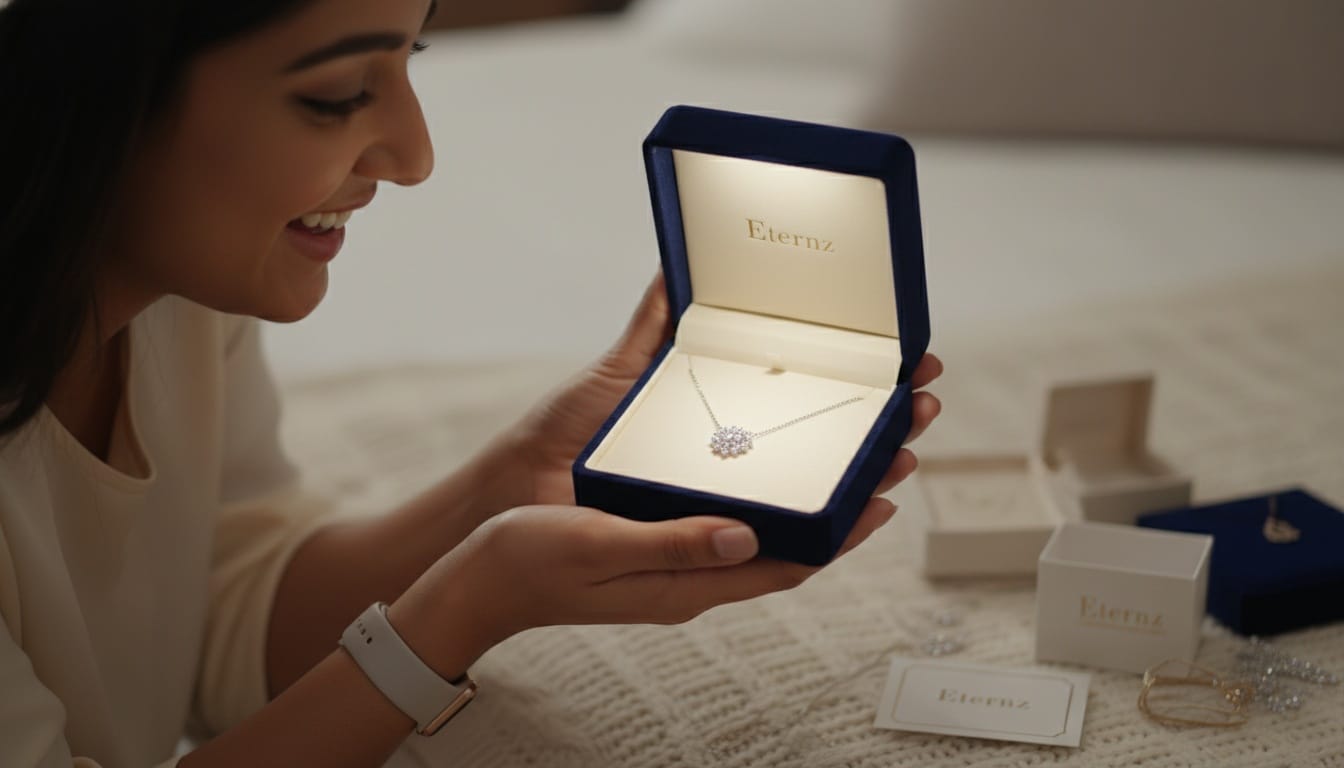
Your order just arrived. The packaging is open, the piece is in your hands, and it looks exactly the way you hoped it would.
This guide is from us at Eternz, and it has one purpose: to make sure that feeling lasts.
Jewelry bought with thought deserves care given with the same thought. Whether you just received a pair of gold jhumkas, a kundan set, a silver oxidised necklace, or a delicate diamond stud, the way you treat it in the first few months sets the trajectory for how it looks ten years from now.
This is everything you need to know. Read it once. Bookmark it. Come back whenever you need it.
First Things First: The Habits That Protect Every Piece
Before we get into metal-specific and stone-specific care, there are four habits that apply to everything in your jewelry box. These alone will extend the life of any piece significantly.
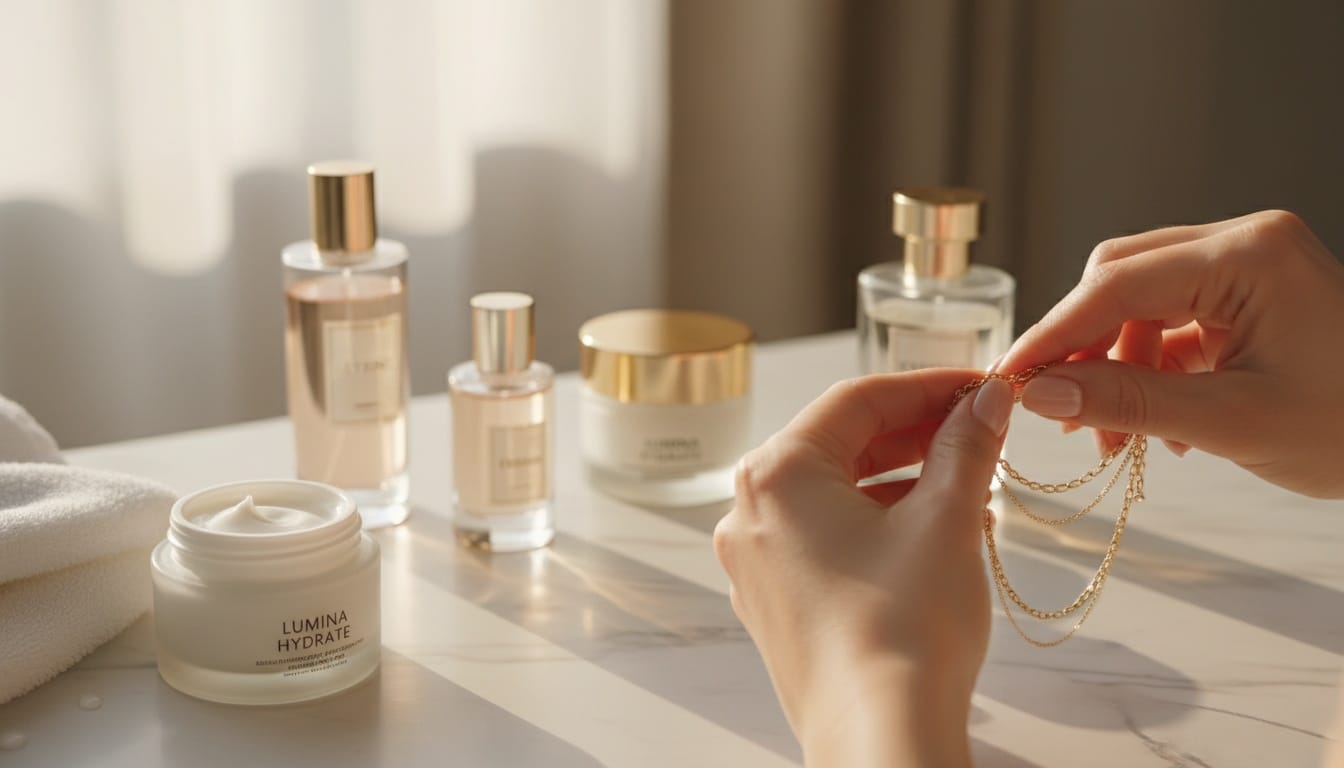
- Put jewelry on last. After your outfit is on, your perfume is sprayed, your moisturiser has absorbed, your hair products are set, then put your jewelry on. Fragrances, alcohol-based sprays, and chemical compounds in skincare are the primary cause of tarnish acceleration and surface damage in every jewelry category.
- Take jewelry off first. Before washing your face, before showering, before cooking, before cleaning, and before sleeping, take your jewelry off. Water, soap, steam, and cooking fumes all work against metal finishes and stone settings over time.
- One piece at a time when storing. Never throw pieces into the same drawer or pouch together. Metal scratches metal. Chains tangle and break. Stones chip against other stones. Each piece should have its own space.
- Dry before storing. Any moisture on a piece when it goes into storage begins a slow tarnishing process. Pat everything dry before putting it away. This one habit alone prevents the majority of silver and plated jewelry damage.
These four habits apply whether you are wearing 22K gold or a fashion earring from a market. They cost nothing and protect everything.
How to Care for Gold Jewelry
Gold is the most forgiving fine jewelry metal, but it still needs attention.
Solid Gold (22K, 18K, 14K)
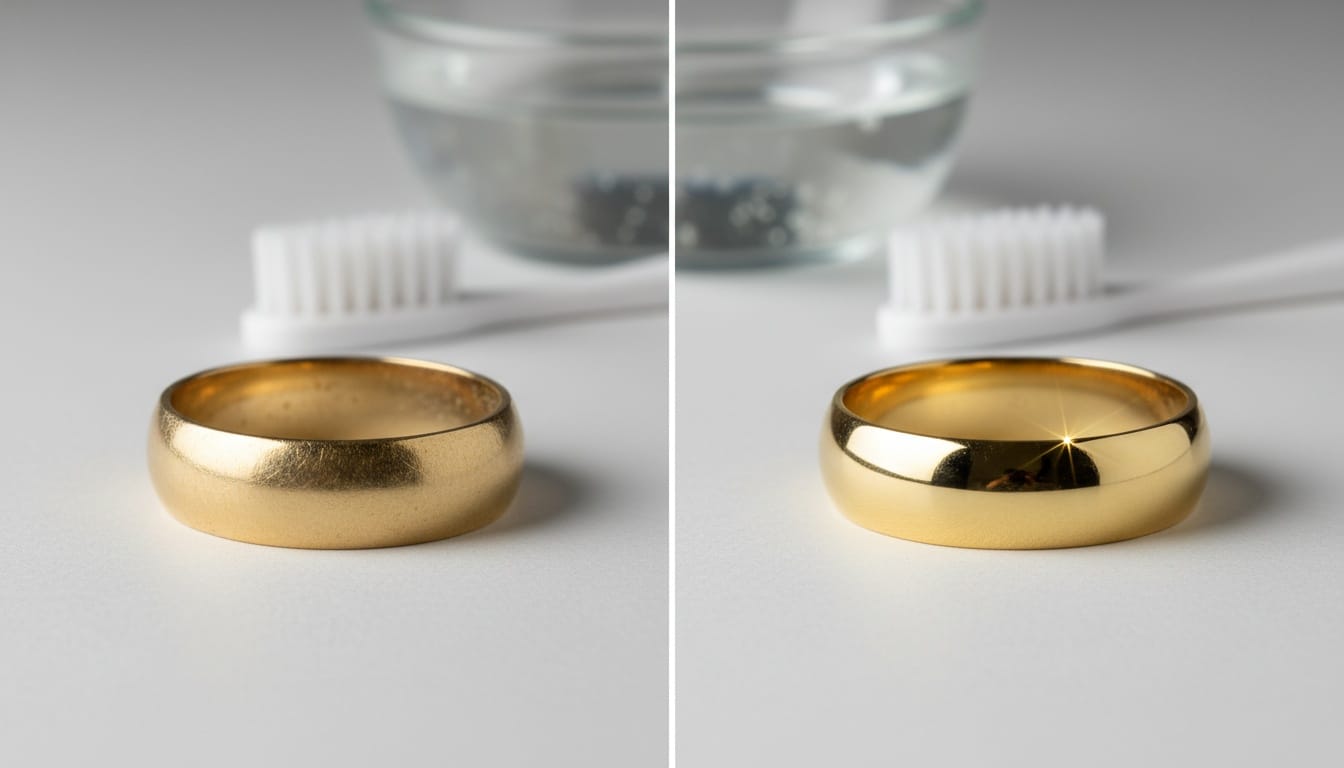
Solid gold does not tarnish. What it does accumulate is a dull film of skin oil, sweat, product residue, and dust that sits on the surface and mutes its shine. Cleaning this is simple.
How to clean at home:
- Fill a small bowl with lukewarm water. Add two to three drops of mild dish soap.
- Place the gold piece in the solution and soak for 10 to 15 minutes.
- Use a soft toothbrush (dedicated only to jewelry) to gently brush around settings, under stones, and along the back surface.
- Rinse thoroughly under lukewarm running water. Hold over a cloth, not over the drain.
- Pat dry immediately with a lint-free cloth.
- Buff gently in small circular motions for a restored shine.
How often: Once every two weeks for daily wear pieces. Before every major occasion for pieces worn occasionally.
Important for 22K gold: It is slightly softer than 18K or 14K. Use a lighter touch with the brush and avoid abrasive cloths entirely.
For Indian festive and bridal gold: Heavy kundan-set and polki-set gold pieces need a different approach, covered in the Indian ethnic jewelry section below.
Gold-Plated Jewelry
Gold-plated pieces have a thin layer of gold over a base metal. The difference in care is significant.
- No soaking. Not even for 30 seconds.
- No toothbrush. The bristles scratch through plating.
- No alcohol-based products near the piece.
- Wipe only: use a damp cotton cloth, wipe gently, dry immediately.
The plating on any gold-plated piece will eventually wear. How fast it wears depends almost entirely on how carefully it is handled. With proper care, a quality gold-plated piece can retain its finish for two to three years of regular wear.
White Gold
White gold is yellow gold alloyed with white metals and coated with rhodium to achieve its bright white finish. Clean it the same way as solid yellow gold: mild soapy water, soft brush, rinse, dry.
One additional note for white gold: over time (typically 12 to 24 months of daily wear), the rhodium coating fades and the piece begins to look slightly yellowish. This is completely normal and is not a quality defect. A jeweler can re-plate the rhodium quickly and affordably, restoring the original finish.
How to Care for Silver Jewelry
Silver requires more active maintenance than gold because it tarnishes through chemical reaction with sulphur compounds in the air. The good news is that tarnish is entirely reversible, and prevention through storage is simple.
For Light Tarnish (Dullness, Slight Yellowing)
- Mix a few drops of mild dish soap in lukewarm water.
- Soak the silver piece for 5 to 10 minutes.
- Brush gently with a soft toothbrush.
- Rinse and dry completely.
- Finish with a silver polishing cloth to restore brightness.
For Heavy Tarnish (Dark Patches, Black Spots)
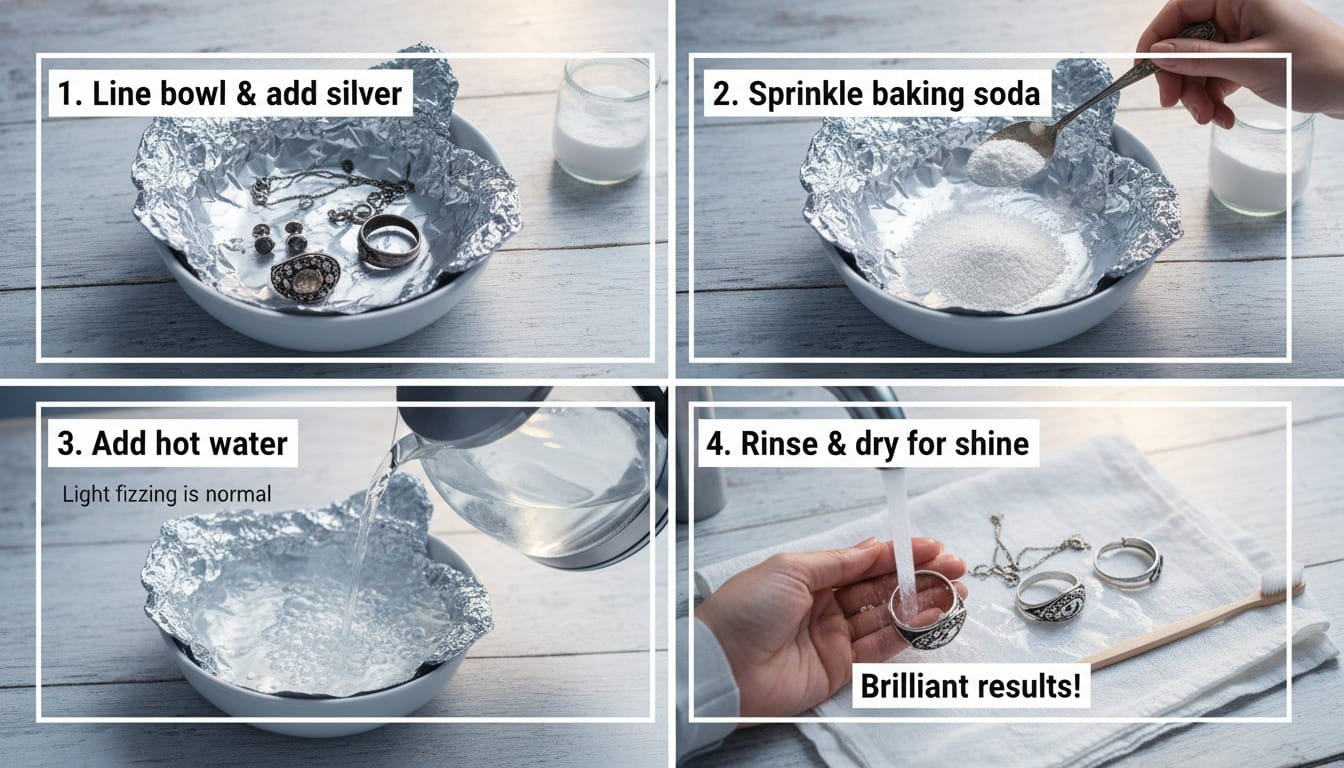
This method uses a simple electrochemical reaction to draw the tarnish away from the silver.
- Line a bowl with aluminium foil, shiny side facing up.
- Place silver pieces on the foil so they are touching it.
- Sprinkle one to two teaspoons of baking soda over the pieces.
- Pour hot water (not boiling) over the pieces until submerged. Light fizzing is normal. This is the reaction working.
- Leave for 5 to 10 minutes.
- Remove carefully, brush lightly with a soft toothbrush, rinse thoroughly, and dry completely.
Do not use this method on silver pieces with pearls, opals, or soft porous stones. The heat and reaction can damage them.
For Oxidised Silver (Intentionally Darkened Finish)
Oxidised silver pieces, which have the deliberately antique, darkened appearance popular in tribal and contemporary Indian designs, should never be cleaned with the baking soda method. That method removes oxidation, which will strip the dark finish that defines the piece.
For oxidised silver: dry cloth only. Wipe surface dust and oils gently. The goal is to maintain the dark patina, not remove it.
Silver Storage Is Half the Battle
Tarnish is caused by air exposure. Store silver earrings and jewelry in airtight pouches or small zip-lock bags between wears. Anti-tarnish cloth storage bags (widely available online) slow the tarnishing process significantly. This single storage habit reduces cleaning frequency dramatically.
How to Care for Indian Ethnic Jewelry
This section covers the jewelry types that most care guides ignore entirely. If you received a kundan set, polki earrings, meenakari jewelry, or temple jewelry, read this carefully because the rules are fundamentally different.
Kundan and Polki Jewelry
Kundan and polki pieces are set using a lac base, a natural resin that holds the uncut gemstones in place. Water, even small amounts, softens this lac over time. Once the lac softens, stones loosen and eventually fall out.
The rule for kundan and polki: dry clean only. Always.
- Use a dry, very soft cloth to gently wipe the metal surface.
- Use a dry cotton swab to clean around individual stones.
- Use a dry, soft makeup brush to remove dust from crevices.
- Never submerge, never use soapy water, never use alcohol.
- If the gold base needs cleaning, use a barely damp cloth on the metal portion only, keeping moisture completely away from all stone settings.
After every occasion: Gently wipe the piece with a dry cloth before storing. Store in a velvet-lined box or fabric pouch individually.
Meenakari Jewelry
Meenakari pieces are identified by their vivid enamel work in red, green, blue, and white on a gold base. The enamel can chip under abrasive contact and can dull with chemical exposure.
- Dry cloth only for the enamel surface.
- A barely damp cloth on metal-only areas is acceptable.
- No soaking, no toothbrush, no alcohol anywhere near the piece.
- Store individually in a soft pouch to prevent the enamel from chipping against other pieces.
Temple Jewelry
Temple jewelry typically features embossed gold-toned metal with deity motifs, often from South India. Most pieces sold at accessible price points are gold-plated or gold-toned rather than solid gold.
- Wipe with a dry or barely damp soft cloth after each wear.
- Store in the box or fabric pouch it came in.
- Keep away from moisture, perfume, and sweat.
- Do not use silver polish or abrasive cleaners on any part of the piece.
Jhumkas and Chandbalis (Plain Gold)
Plain gold jhumkas follow the solid gold cleaning method: mild soapy water, soft brush, rinse, dry. Pay specific attention to the inside of the bell cavity of jhumkas, where dust and residue accumulate invisibly and are easy to miss during cleaning.
For stone-set jhumkas and chandbalis: clean only the metal portions with the soapy water method. Treat any stone settings with the same care as kundan: dry or barely damp cloth only if the stones are set in lac.
How to Care for Diamond Jewelry
Diamonds are the hardest gemstone, but their settings are not indestructible and the skin oil that accumulates under a diamond makes it look dull faster than almost any other stone.
How to clean:
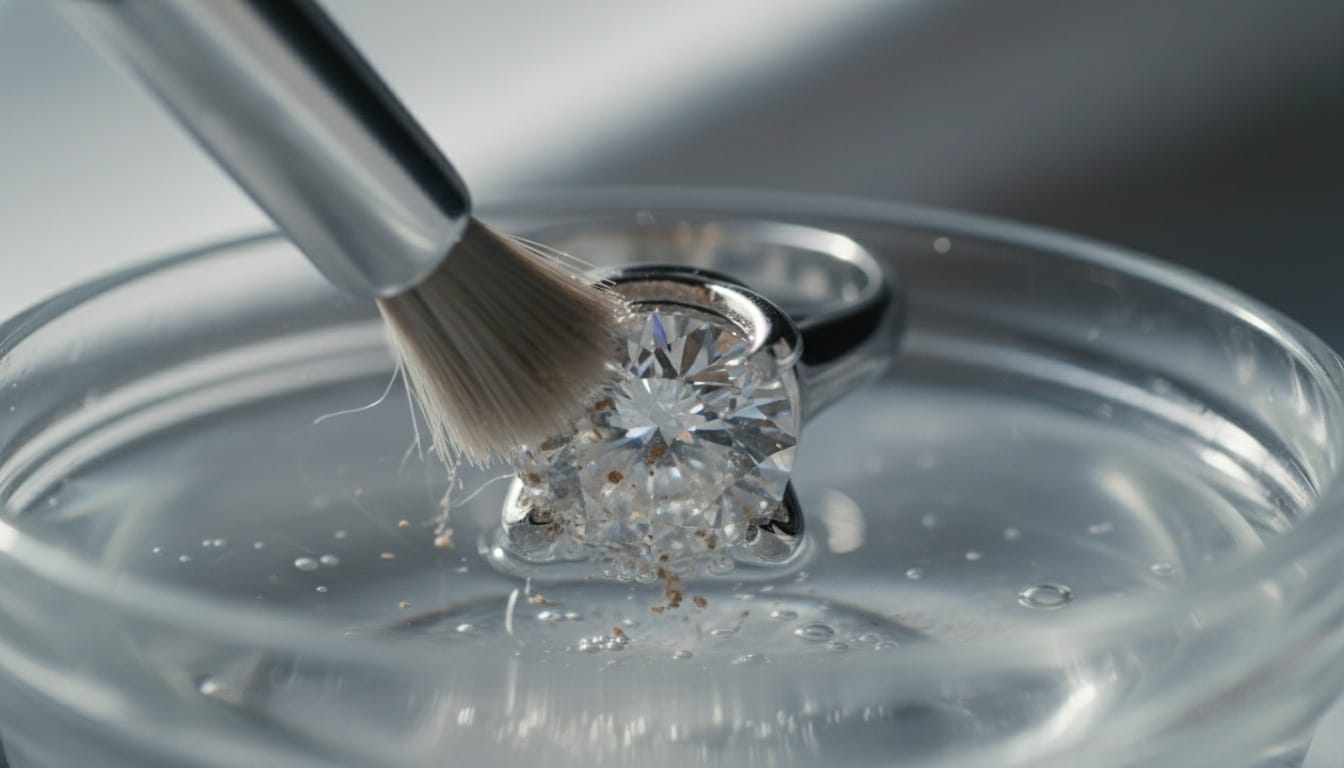
- Soak in mild soapy lukewarm water for 15 to 20 minutes.
- Use a soft toothbrush to clean under the diamond and around all prongs. This is where buildup concentrates.
- Rinse thoroughly and dry completely.
- Hold up to light after drying. A clean diamond should show no cloudiness from any angle.
Prong checks: Every few months, gently press the diamond with a fingertip to ensure it does not rock or shift in its setting. Any movement means a prong may have loosened and needs a jeweler's attention immediately before the stone is lost.
What to avoid: Bleach, chlorine, and ammonia. These are commonly found in household cleaning products and are genuinely destructive to gold settings and prong integrity over time.
How to Care for Gemstone Jewelry
Different gemstones have different levels of hardness, porosity, and chemical sensitivity. The care method depends on which stone you have.
Harder, non-porous stones (ruby, sapphire, emerald, topaz, amethyst, garnet): Mild soapy water and a soft brush are safe. Rinse and dry thoroughly. Emeralds are an exception: they are often oiled to enhance their colour, and soaking can wash out this treatment. A quick wipe with a damp cloth is safer for emeralds.
Softer or porous stones (pearl, opal, turquoise, coral, moonstone, malachite): These stones absorb liquids, chemicals, and oils. Use only a barely damp soft cloth. No soaking, no soap, no alcohol, no ultrasonic cleaners. Pearls especially require this gentle approach.
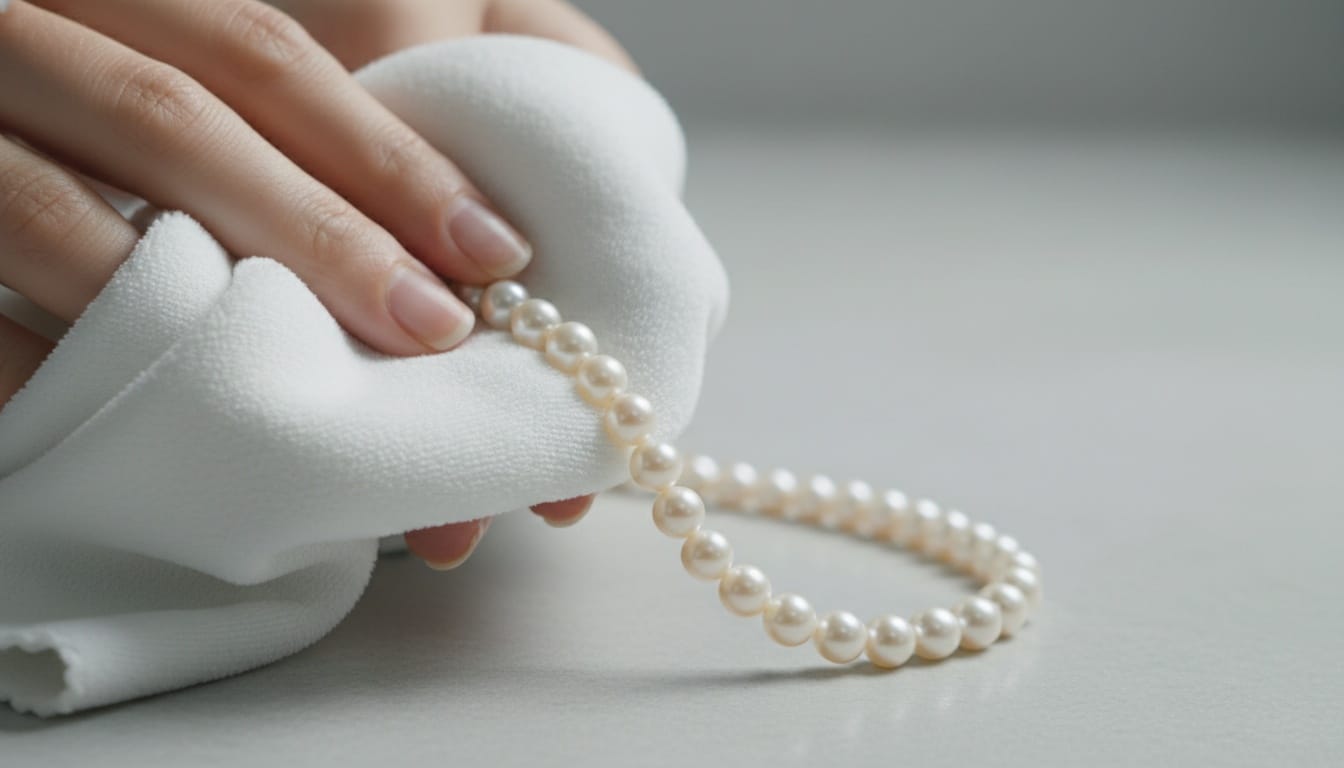
For pearls specifically: Wipe with a clean, dry or very slightly damp cloth after every single wear to remove skin oil and product residue. Never let pearls air dry while damp. Store flat (not hanging) in a soft pouch to prevent stretching the string.
How to Care for Fashion and Plated Jewelry
Fashion jewelry and plated pieces are the most delicate category for care because the base metals are reactive and the surface coatings are thin.
The only safe cleaning method:
- Wipe with a dry microfibre cloth after every wear. This prevents buildup before it requires any deeper cleaning.
- For slight dullness: dampen the cloth with the smallest amount of water, wipe gently, dry immediately.
- For posts and backs: use a dry cotton swab.
What will damage fashion jewelry:
- Any liquid soaking
- Alcohol or hand sanitiser contact
- Toothbrush scrubbing
- Storage while damp
Fashion jewelry has a shorter lifespan than fine metals by design. Regular gentle wiping is what maximises that lifespan. A piece worn carefully and stored properly can look presentable for two to three times as long as one that is worn without care.
Caring for Jewelry in the Indian Climate
This section is specific to India and is missing from almost every global jewelry care guide.
The monsoon season: Humidity is the single biggest accelerant of tarnish for silver and plated jewelry. During monsoon months (June to September), increase the frequency of wiping and drying your silver and fashion jewelry. Store them in airtight pouches with a small silica gel packet inside, which absorbs excess moisture.
Air conditioning and sudden temperature changes: Moving frequently between air-conditioned environments and outdoor heat creates condensation on jewelry. Pat pieces dry whenever you notice condensation forming. This is especially relevant for those who live in cities like Mumbai, Chennai, and Kolkata where humidity remains high through most of the year.
Hard water: Many Indian cities have hard water with high mineral content. Hard water leaves a white residue on metal surfaces over time. Use filtered or bottled water for the final rinse when cleaning any jewelry at home.
Sweat during summer: India's summer months are long and hot. Sweat is mildly acidic and accelerates tarnish and surface wear on any metal. If you wear jewelry during outdoor activity or in high heat, rinse the piece in plain cool water and dry it as soon as possible after removing.
Festive and wedding season: Pieces worn intensively during Navratri, Diwali, Eid, or wedding seasons are exposed to hours of heat, sweat, perfume, and physical activity. Clean all pieces used during festive occasions before storing them away for the next use. Do not put unworn but dirty pieces back into their pouches.
When Should You Never Wear Your Jewelry?
This is the list most people ignore until something goes wrong.
Always remove before:
- Swimming in a pool (chlorine attacks gold settings and breaks down plating rapidly)
- Swimming in the sea (salt corrodes most metals)
- A workout or physical sport (sweat plus impact is the fastest way to damage delicate pieces)
- Cooking (steam, oil, heat, and spices all cause damage to fine finishes)
- Cleaning with household products (bleach and detergents are corrosive to metals and stone treatments)
- Sleeping with long dangle or hooked earrings (hooks snag on pillowcases and can tear the piercing or bend the hook)
- Applying hair oil or oiling your scalp (a common practice in India that frequently damages the earring posts and backs closest to the hair)
The one exception: small, flat-back studs or plain gold studs that your piercer recommended you keep in during a new piercing's healing period. Those stay in.
How to Store Jewelry the Right Way
Cleaning removes damage already done. Storage determines how quickly it comes back.
The foundational storage rules:
- Every piece in its own space. Separate compartments, separate pouches, or individual zip-lock bags. Contact between pieces is the primary cause of scratches.
- Store silver in airtight conditions. A small zip-lock bag or an anti-tarnish cloth pouch slows tarnishing significantly.
- Add a silica gel packet to your jewelry storage area during monsoon months.
- Never store jewelry in the bathroom. The humidity from daily bathing continuously accelerates tarnish and weakens elastic and string components on layered pieces.
- Store chains unclasped and laid flat to prevent tangling and link stress.
- Store earring backs on the post they belong to so they are not lost and the post does not scratch other pieces during storage.
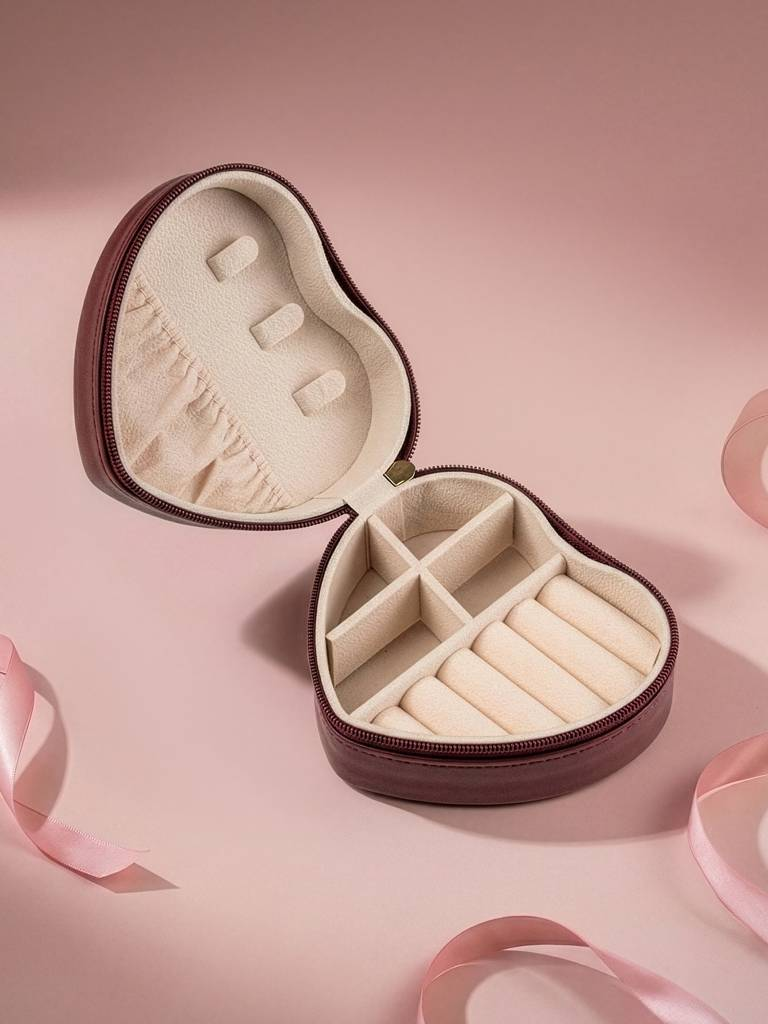
- For precious and bridal sets, use velvet-lined boxes or fabric-wrapped partitioned cases. Keep them out of direct sunlight, which fades some gemstone colours over time.
For valuable pieces: Photograph each important piece from multiple angles before storing. This creates a visual record that is useful for insurance purposes and for identifying any changes in the piece over time.
Earring Posts and Backs: The Part Everyone Forgets
The earring post sits inside your piercing channel. It is the most hygiene-critical surface of any earring and the most consistently neglected during cleaning.
How to clean posts and backs:
- Remove the earring back.
- Dip a cotton swab in rubbing alcohol.
- Wipe the post from front to back. The residue you see on the swab is what has been sitting inside your piercing.
- Wipe the back piece the same way.
- Allow both to air dry for 30 seconds before reinserting.
Do this weekly for daily wear earrings. Do this before and after every occasion wear.
For fashion or plated earring posts, use a dry cotton swab or one barely dipped in plain water rather than alcohol, since alcohol can discolour plated metals.
When to See a Jeweler
Home care handles the majority of jewelry maintenance. But some things need professional attention.
See a jeweler when:
- A stone rocks or shifts when you press it lightly. A loosened prong is an emergency before the stone is lost.
- A clasp on a necklace or bracelet feels stiff, loose, or unreliable.
- A chain has a weakened or damaged link.
- Gold-plated or white gold pieces show significant yellowing that wiping does not address (re-plating is needed).
- A jhumka hook has bent out of shape and is not holding securely.
- Any piece has a crack, split, or visible structural damage.
Most reputable jewelers offer a free inspection for pieces purchased from them. For significant pieces, an annual professional check is worthwhile.
Your Complete Jewelry Care Reference
| Jewelry Type | Cleaning Method | Storage | Never |
|---|---|---|---|
| Solid gold (22K, 18K, 14K) | Soapy water, soft brush, dry | Separate fabric pouch | Abrasive cloths or pastes |
| Gold-plated | Damp cloth wipe only | Airtight individual pouch | Soak, brush, alcohol |
| White gold | Soapy water, soft brush, dry | Separate fabric pouch | Bleach or harsh chemicals |
| Sterling silver | Soapy water or baking soda method | Airtight pouch, silica gel | Air dry while damp |
| Oxidised silver | Dry cloth only | Airtight pouch | Polish, soak, baking soda method |
| Kundan and polki | Dry cloth and cotton swab only | Velvet-lined box | Any water near stone settings |
| Meenakari | Dry cloth on enamel only | Soft individual pouch | Soaking, alcohol, toothbrush |
| Diamond | Soapy water, soft brush under stone | Separate soft pouch | Bleach, chlorine, ammonia |
| Pearl | Barely damp cloth after every wear | Flat in soft pouch | Soaking, soap, alcohol, chemicals |
| Hard gemstones | Soapy water, soft brush (not emerald) | Separate soft pouch | Ultrasonic cleaner for porous stones |
| Fashion / plated | Dry microfibre wipe only | Airtight individual pouch | Soaking, alcohol, brushing |
FAQs
1. How do I stop gold jewelry from losing its shine?
Clean with mild soapy water every two weeks and always put jewelry on after perfume and skincare, not before.
2. Why is my silver jewelry turning black so quickly?
Silver reacts with sulphur compounds in air and sweat. Store in airtight pouches and clean with the baking soda and foil method to reverse the tarnish.
3. Can I wear my jewelry while cooking?
No. Remove all jewelry before cooking. Steam, oil, heat, and spices damage metal finishes and can loosen stone settings.
4. How do I clean kundan or polki jewelry at home?
Dry clean only using a soft cloth and dry cotton swab. Never use water near kundan or polki settings as it softens the lac base and causes stones to fall out.
5. Why does my gold-plated jewelry turn green or dark?
The plating has worn through and the copper or brass base metal underneath is oxidising. Switch to a solid metal piece for daily wear and use gold-plated pieces for occasional occasions to extend the finish.
6. Can I shower with my jewelry on?
Ideally no. Soap, shampoo, and water exposure accelerate tarnish in silver, wear down plating, and can work into stone settings over time. Remove before showering as a habit.
7. How do I store jewelry during the monsoon in India?
Store silver and plated pieces in airtight pouches with a small silica gel packet inside to absorb excess humidity. Wipe all pieces dry before storage and clean them more frequently during monsoon months.
8. What should I do if a stone looks loose in its setting?
Stop wearing the piece immediately and take it to a jeweler. A loose stone means a prong has weakened. Continuing to wear it risks losing the stone entirely.
A Note From Eternz
You chose this piece from over 300 brands on Eternz. Whether it is an everyday stud you will wear for the next ten years or a bridal set for the most important occasion of your life, we want it to stay exactly as beautiful as it is today.
This guide is yours to keep. Share it with someone who just received jewelry as a gift, or come back to it the next time a piece needs attention.
Every piece on Eternz is chosen with care. We hope you wear yours the same way.
Questions about your order or your jewelry? Our team is here. Explore more jewelry care guides at Eternz.