Types of Necklaces and Their Names: Western & Indian Styles Explained
Discover every type of necklace and their names: choker, pendant, lariat, rani haar, kundan, temple necklace, and more. Includes a length chart, neckline pairing guide, and quick-reference table.
TL;DR
- There are two ways to classify necklaces: by length and by style. Understanding both makes every necklace decision easier, whether you are buying, gifting, or styling.
- Necklace length controls where it sits on your body and which necklines it suits. Getting the length wrong is the most common necklace mistake.
- Western necklace styles include chokers, pendants, chains, statement necklaces, lariats, and layered styles, each with a specific visual job.
- Indian necklace types include the haar, rani haar, choker, temple necklace, kundan set, and satlada, each tied to a specific occasion, outfit, and cultural context.
- The right necklace for you depends on four things: your neckline, your occasion, your outfit's visual weight, and how long you will wear it.
- One necklace does not suit every outfit. Building even a small necklace wardrobe with two or three lengths and styles covers almost everything.
What We Cover
- Why necklace length should always be chosen before style
- The standard necklace length chart with what each length looks like on the body
- Western necklace types explained: names, descriptions, and best uses
- Indian necklace types explained: names, styling context, and occasions
- How to match necklace type to outfit and neckline
- A complete quick-reference table
- FAQs
Start Here: Length Comes Before Style
Choosing the right necklace starts with knowing where it will fall on your chest, not just what the pendant looks like. The length of a necklace determines which clothes it matches and whether it makes your neck look longer or shorter.
Most people pick a necklace based on how it looks on a model or in a product photo. The problem is that a necklace photographed against a white background tells you nothing about where it will actually sit on your body or whether it will work with the neckline you are planning to wear it with.
Length is the first decision because it determines everything else. It tells you where on your chest or neck the necklace will rest, which necklines it suits, and whether it will layer well with other pieces. The style, material, and pendant all come after.
Pro-Tip: The String Test If you are unsure what length you need, take a piece of string and wrap it around your neck to the point where you want the necklace to hang. Measure that string against a ruler. This is much more accurate than guessing based on pictures.
The Standard Necklace Length Chart
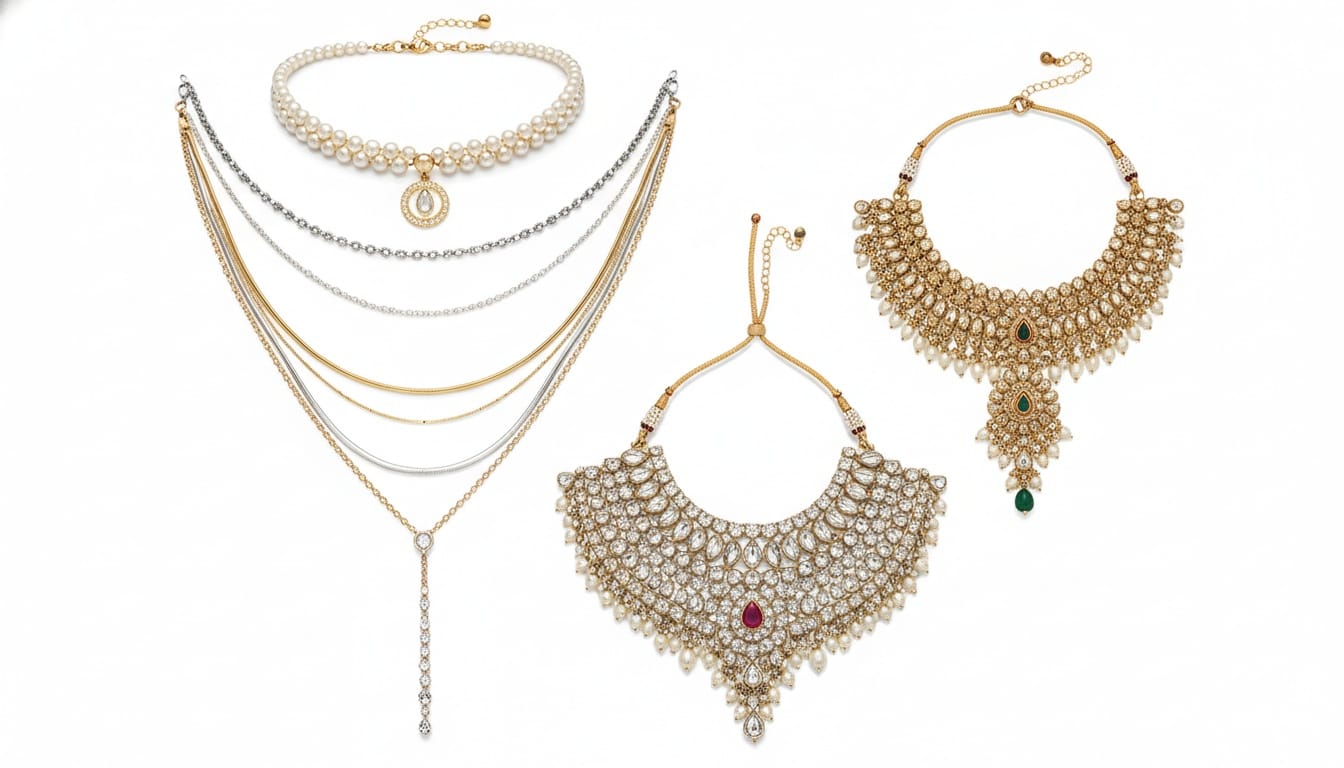
The standard necklace length chart categorizes jewelry into six main sizes ranging from 14 inches to over 36 inches. Each size has a specific name, such as "Choker" or "Princess," which tells you exactly where it will sit against your collarbone or bust.
| Length | Name | Where It Sits | Best Necklines |
|---|---|---|---|
| 14 inches | Collar | Base of the throat | Off-shoulder, strapless, boat neck |
| 16 inches | Choker | Just below the throat | V-neck, scoop neck, off-shoulder |
| 18 inches | Princess | At the collarbone | Most necklines, the most versatile length |
| 20 to 24 inches | Matinee | Between collarbone and bust | Crew neck, high neck, business wear |
| 28 to 36 inches | Opera | At or below the bust | High neck, turtleneck, formal wear |
| 36 inches and above | Rope / Lariat | Falls to the stomach or beyond | Open necklines, bohemian and layered looks |
The 18-inch princess length is the most universally flattering because it sits right at the collarbone and suits almost every neckline. If you are buying a first necklace or unsure of length, start here. It is the "safety zone" of jewelry because it is rarely too high or too low.
If you are still unsure which size works best for you, read our complete necklace length guide.
Western Necklace Types and Their Names
Western necklace types are defined by their structure, how they fasten, and the specific visual effect they create on an outfit. From the tight-fitting choker to the long, flowing lariat, each style serves a different fashion purpose.
1. Choker Necklace
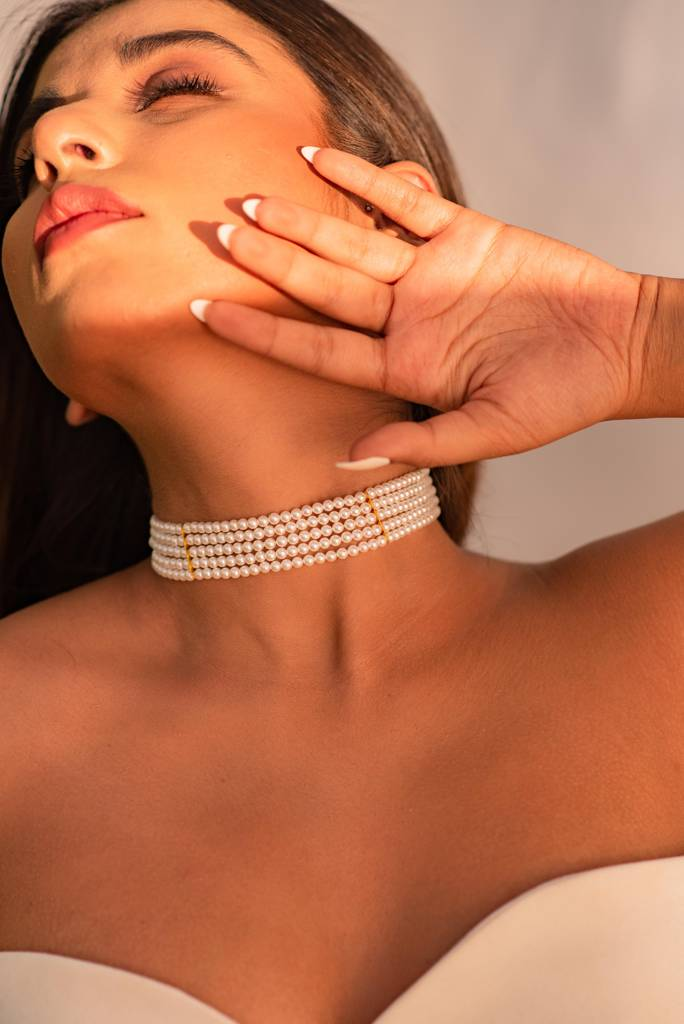
A choker is a short necklace that sits snugly around the base of the neck, usually measuring between 14 and 16 inches. It acts as a frame for the face and works best when there is plenty of skin showing between the necklace and the top of your shirt.
The choker's close fit draws attention to the collarbone and neck, which makes it particularly powerful with open necklines: V-necks, off-shoulder tops, and strapless dresses. It creates a defined visual line across the neck and works as both a standalone piece and as the anchor layer in a stacked necklace look.
- Best for: Open and low necklines, everyday fashion wear, contemporary and festive styling.
- Common materials: Gold, silver, velvet, diamond-set chains, pearl strands, and kundan.
- What to avoid: Do not wear a choker with a high neckline or a turtleneck. It will either look cramped or get lost in the fabric.
2. Pendant Necklace
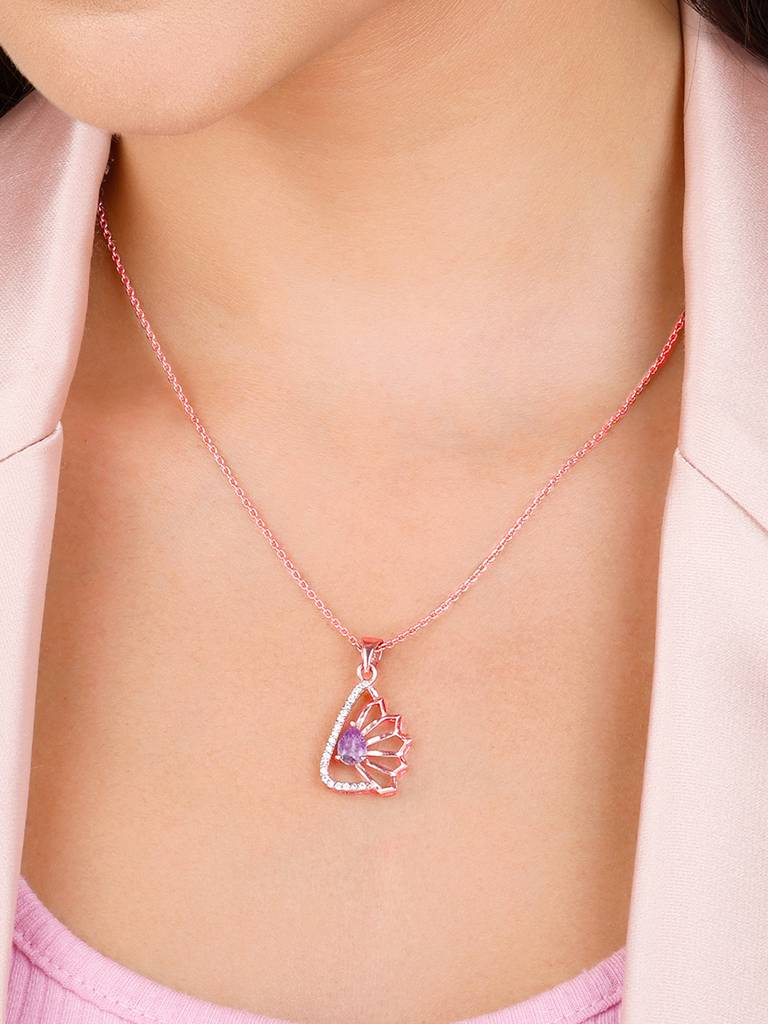
A pendant necklace features a single hanging ornament attached to a chain that is typically 16 to 20 inches long. The focus is entirely on the hanging piece, while the chain acts as a simple support system to hold it in place.
This is the most widely purchased necklace type globally because it works at almost every price point, suits every occasion from daily wear to formal events, and communicates personal meaning through the pendant design.
- Best for: Daily wear, gifting, and personalizing an outfit.
- Common designs: Initial letters, birthstones, small diamonds, or religious symbols.
- The styling rule: Keep the chain simple when the pendant is bold. Keep the chain interesting when the pendant is minimal.
3. Chain Necklace
A chain necklace is a piece of jewelry worn without any hanging pendant, where the beauty comes from the metal links themselves. They are perfect for people who want a clean, minimalist look or want to layer several pieces together.
Chain necklaces come in a wide range of link styles, each with a distinct visual quality.
The most common chain types:
- Cable chain: Simple round or oval links. This is the most classic "everyday" chain.
- Curb chain: Flat, interlocking links that sit flush against the skin. This looks more modern and "edgy."
- Figaro chain: A pattern of several short links followed by one long link. It is very popular in gold jewelry.
- Box chain: Square links that look like a smooth, continuous line. These are very strong and great for holding heavier pendants.
- Snake chain: A smooth, round metal tube that is very flexible. It looks very sleek but can be prone to kinking if not stored carefully.
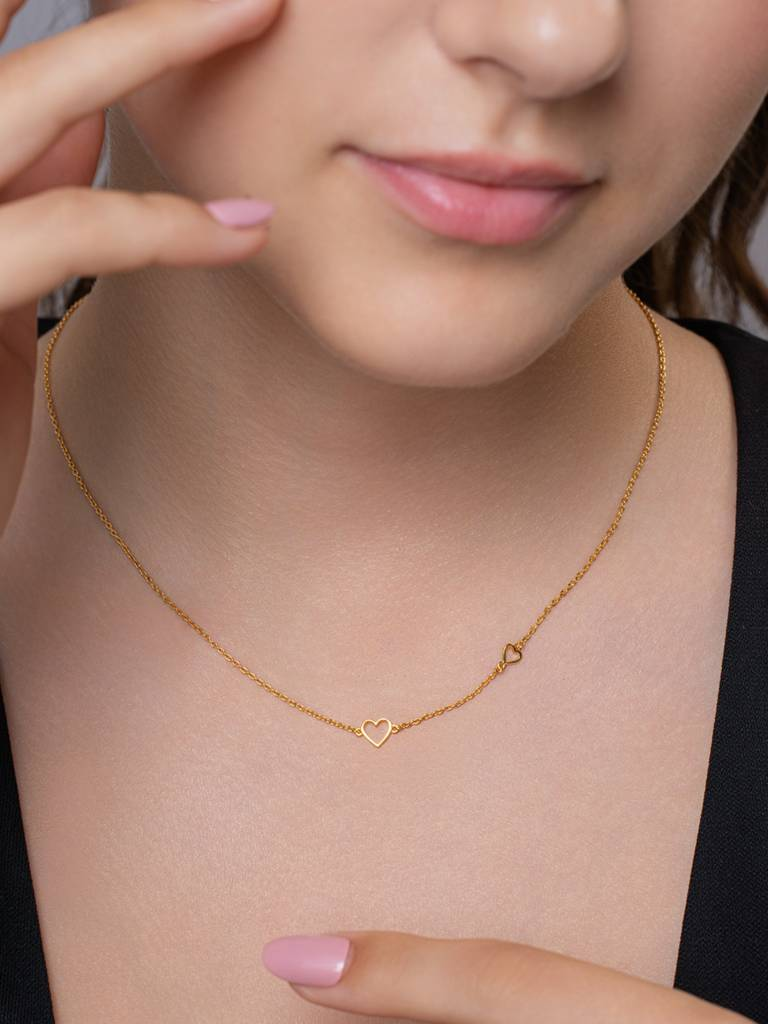
4. Statement Necklace
A statement necklace is a large, bold piece of jewelry designed to be the main focus of your entire look. Because these necklaces are usually thick or heavily decorated, they are meant to be worn with simple, plain clothing so they do not clash with your outfit.
- Best for: Transforming a plain black dress or a simple white shirt into something fancy.
- The one rule: A statement necklace needs space. Wear it with a plain top and avoid wearing big earrings at the same time. You only want one "loud" piece of jewelry.
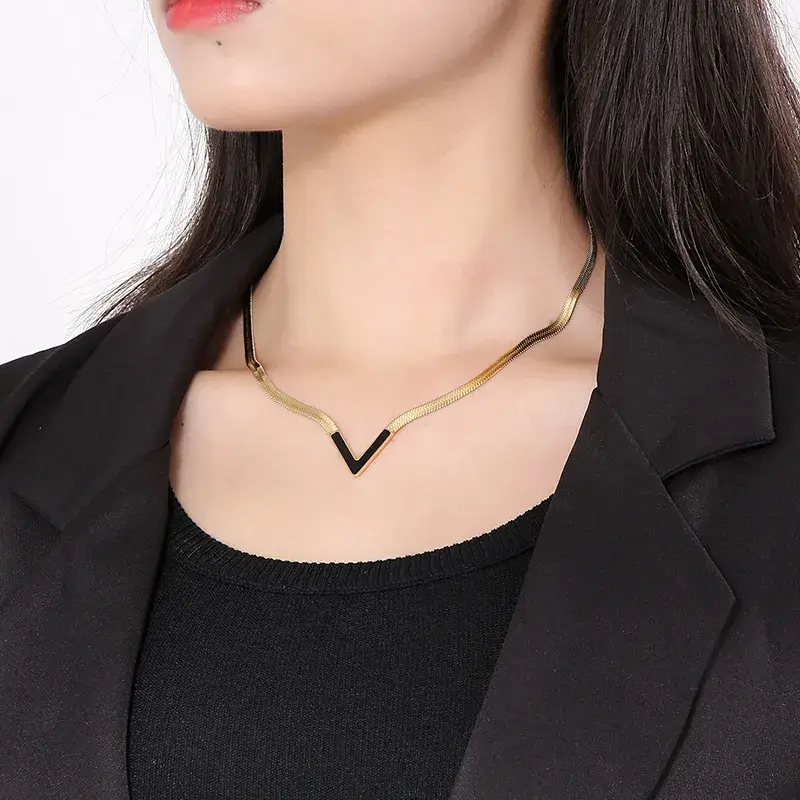
5. Layered Necklace
A layered necklace look is when you wear two or more necklaces of different lengths at the same time to create a cascading effect. You can buy these as a single piece with multiple chains or create your own by mixing different necklaces you already own.
The layering rules:
- Start with the shortest piece at the top.
- Make sure each chain is at least 2 inches longer than the one above it so they do not tangle.
- Mix textures, like a smooth snake chain with a textured cable chain.
- Try to keep the metals the same (all gold or all silver) for a clean look.
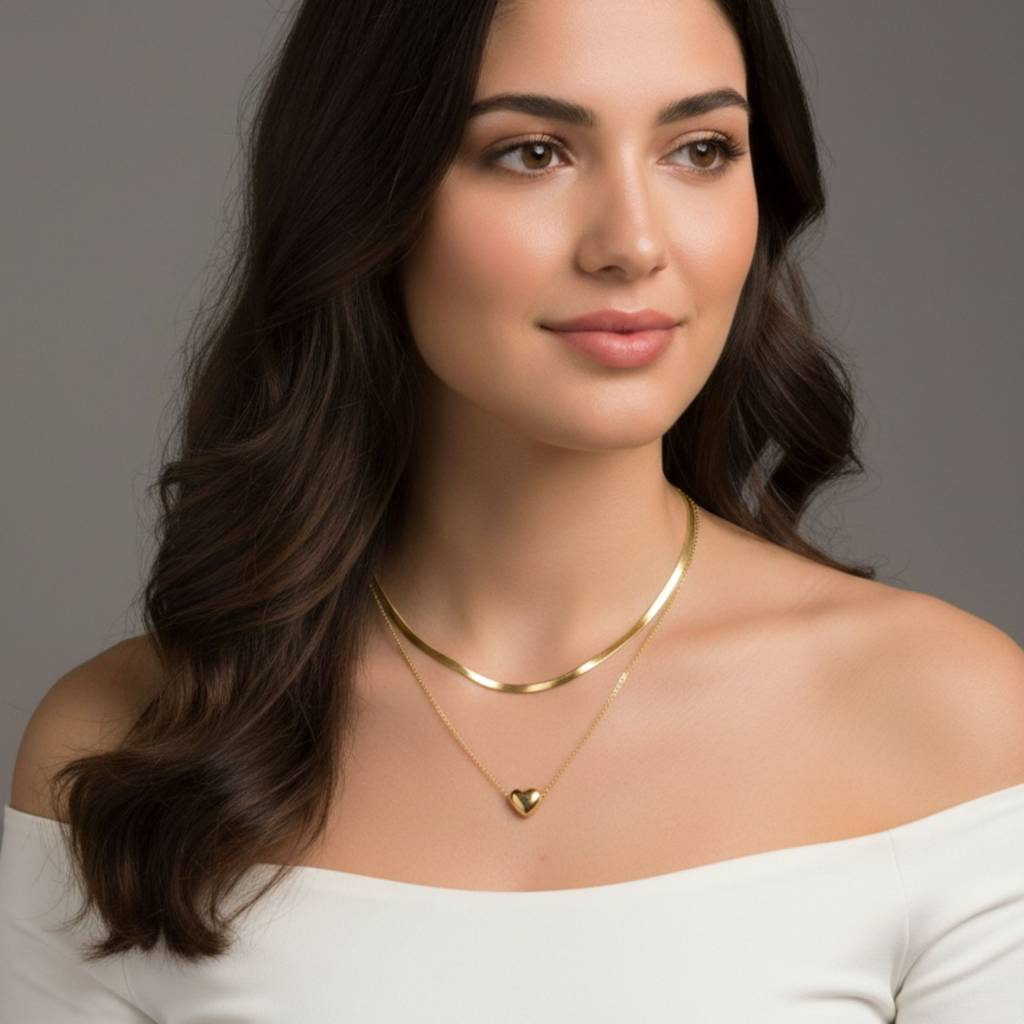
6. Lariat Necklace
A lariat is a very long necklace that does not have a traditional clasp; instead, it loops around the neck and crosses over itself like a scarf. This creates a "Y" shape that draws the eye downward toward the chest.
- Best for: Very low necklines or wearing over a plain, high-neck sweater for a bohemian look.
- Unique feature: You can often adjust the height of the "knot" to change how the necklace looks.
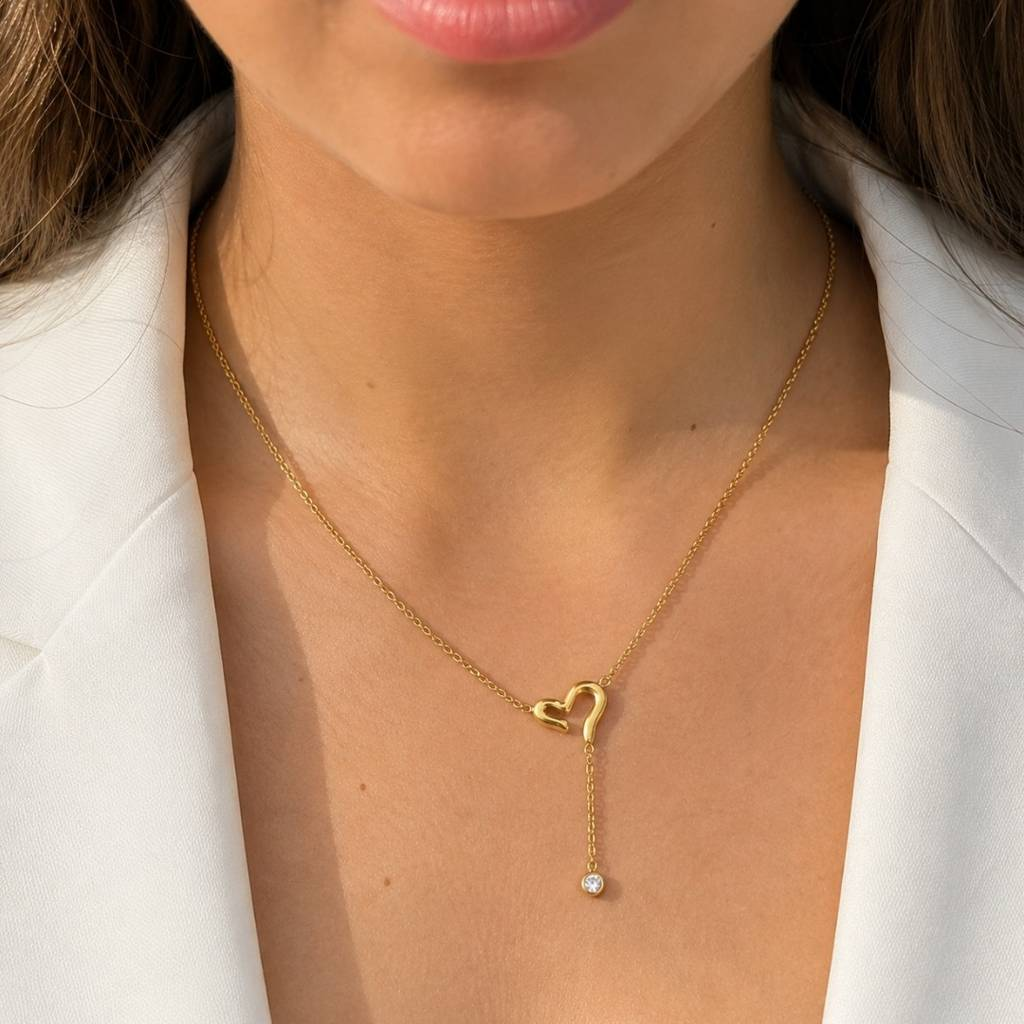
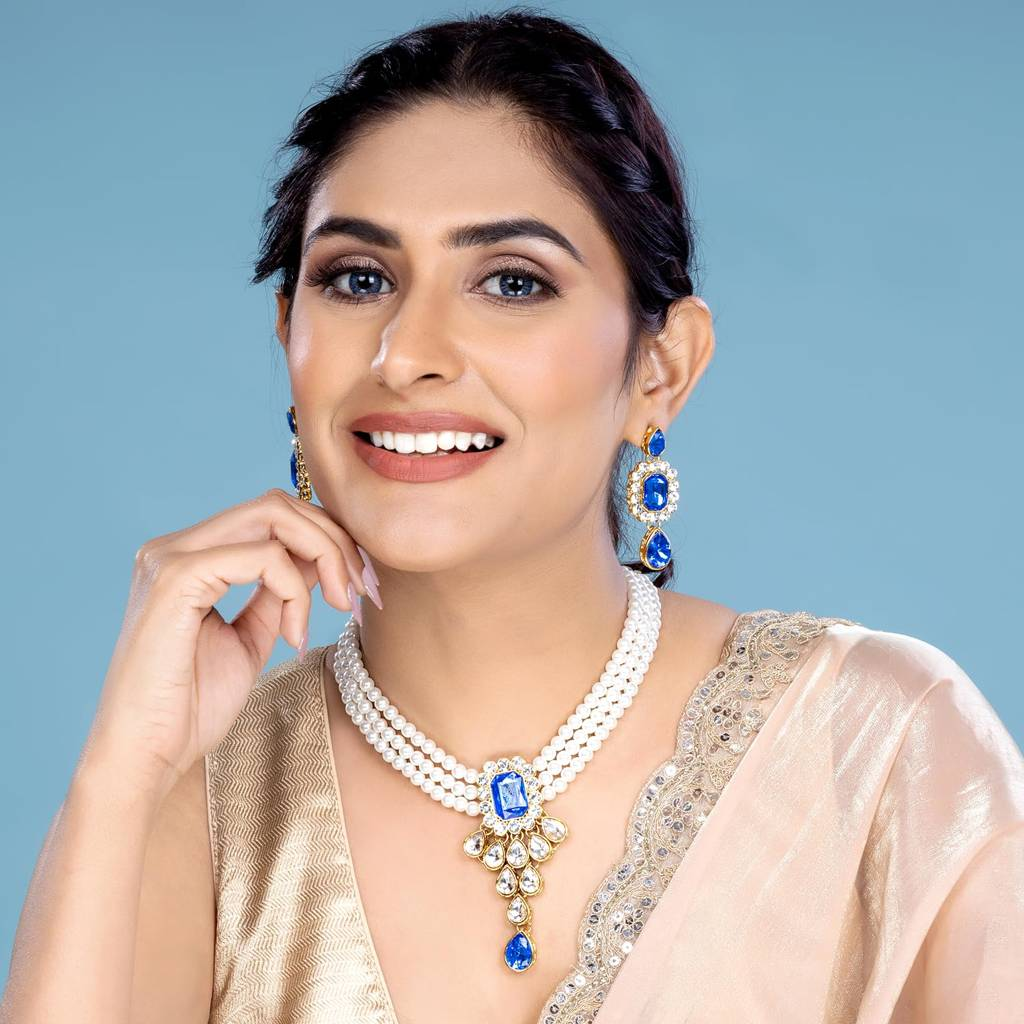
7. Pearl Necklace
A pearl necklace consists of a string of pearls and is defined by the material rather than just the length. While they are often associated with classic, formal styles, modern pearl necklaces use irregular "baroque" pearls for a more relaxed, artsy vibe.
- Uniform strand: All pearls are the same size. Very traditional.
- Graduated strand: Pearls start small at the back and get larger toward the center.
- Baroque pearls: Pearls that are not perfectly round. They look more natural and unique.
8. Bib Necklace
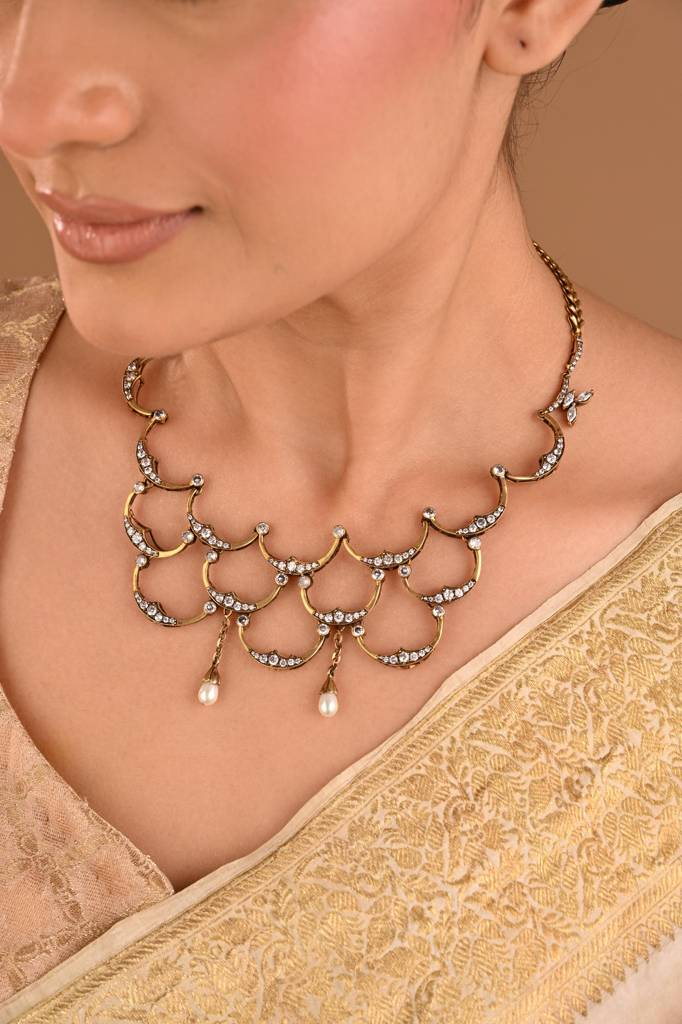
A bib necklace is a wide, flat piece that covers a large portion of the upper chest, much like a decorative bib. These are usually made of many stones, beads, or metal plates joined together.
- Best for: Strapless dresses or shirts with very wide necklines.
- Styling tip: This is the ultimate "power" piece. Treat it as the only piece of jewelry you need.
Indian Necklace Types and Their Names
Indian necklaces are famous for their intricate craftsmanship and are often named based on their design style or the region they come from. These pieces are typically heavier and more decorative than Western styles, often using gold, uncut diamonds, and vibrant gemstones.
1. Haar
The word "haar" is the general term for a necklace in India, but in jewelry stores, it refers to a traditional gold necklace that sits mid-chest. It is the standard piece of jewelry for weddings and festivals.
- Best for: Wearing with a saree or a lehenga.
- Visual: Usually features traditional motifs like flowers or leaves.
2. Rani Haar
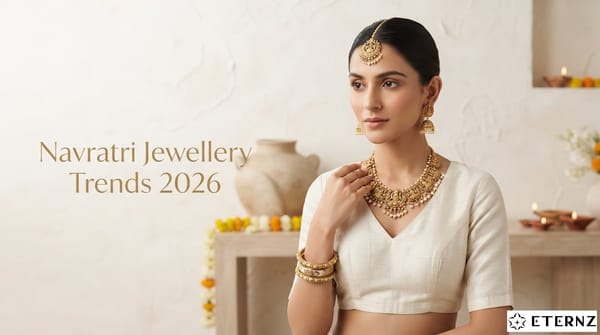
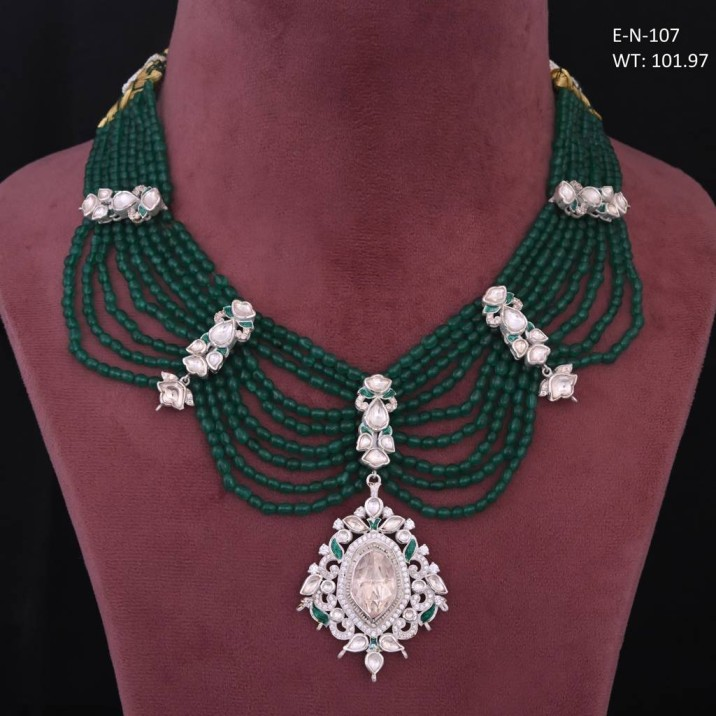
A Rani Haar is a very long, royal-looking necklace that often reaches the waist. The name literally means "Queen's Necklace," and it is designed to look grand and expensive, often featuring multiple strands of pearls or gold.
- Best for: Brides. Because it is so long, brides usually wear a shorter choker with it to fill the gap at the neck.
- Pro-Tip: If your outfit has a lot of heavy embroidery on the chest, a Rani Haar might get lost. Wear it with a slightly simpler blouse to let the jewelry shine.
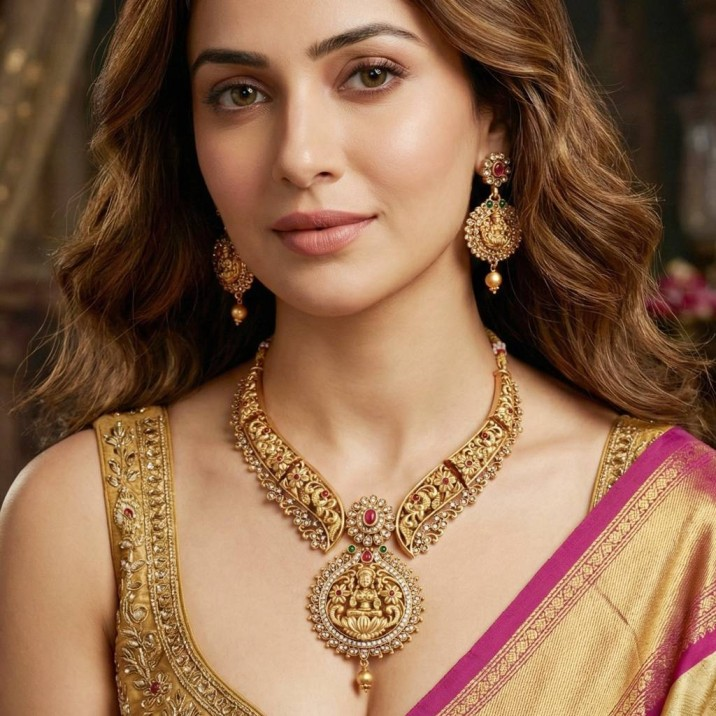
3. Temple Necklace
Temple jewelry is a style from South India that features carvings of gods, goddesses, and temple structures. These necklaces are usually made of heavy gold (or gold-plated silver) and have a matte, reddish-gold finish.
- Best for: Classical dance performances, South Indian weddings, and traditional silk sarees.
- Identifying mark: Look for the image of Goddess Lakshmi or a peacock at the center of the pendant.
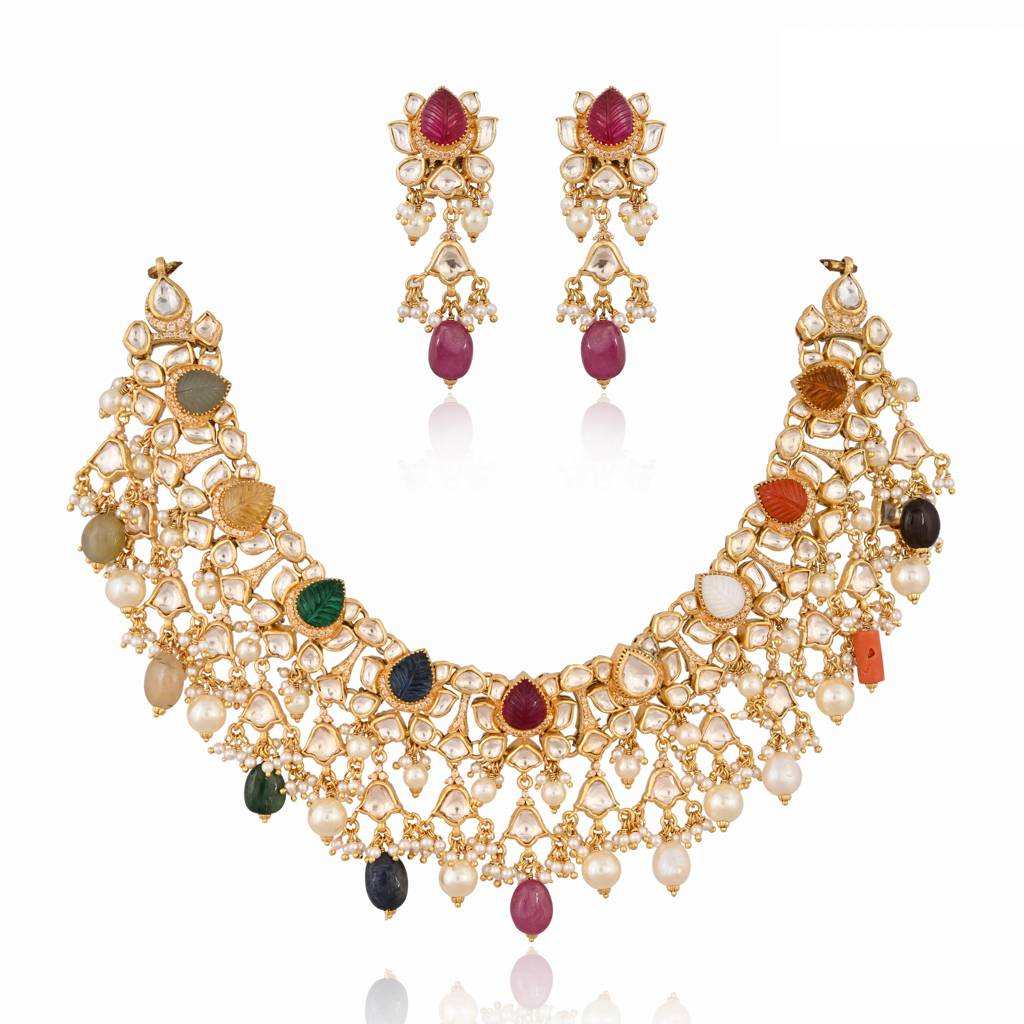
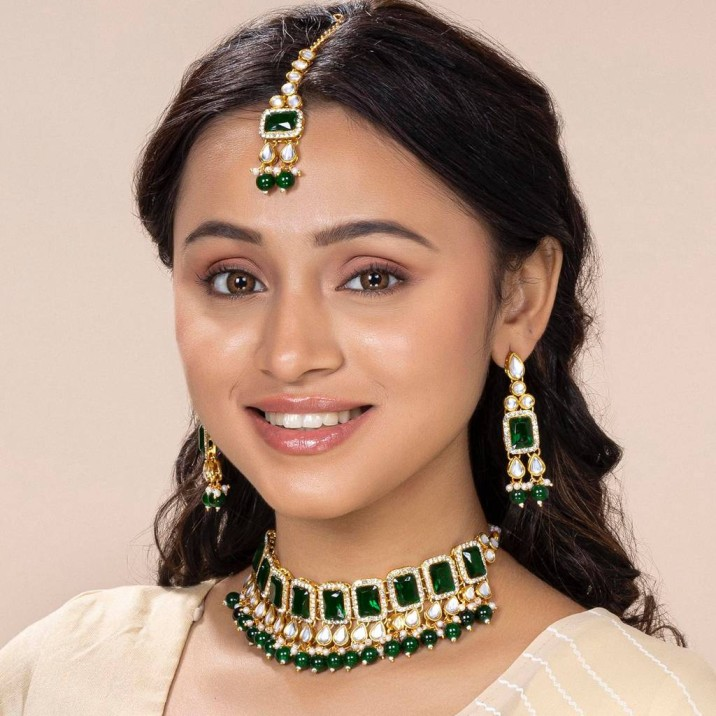
4. Kundan Necklace
Kundan is a style where glass or gemstones are set into a gold foil base. These necklaces are recognizable because they are very flat on the front and often have colorful enamel work (called Meenakari) on the back.
- Best for: Festive occasions. Kundan is very bright and reflects light beautifully, making it perfect for night events.
- Fact: Kundan is one of the oldest forms of jewelry making in India, dating back to the Mughal era.
5. Polki Necklace
Polki jewelry looks similar to Kundan, but instead of glass, it uses real, uncut diamonds. Because the diamonds are not polished or cut into perfect shapes, they have a soft, vintage glow rather than a sharp sparkle.
- Best for: High-end bridal jewelry and family heirlooms.
- Why it is special: No two Polki stones are exactly the same, so every necklace is one-of-a-kind.
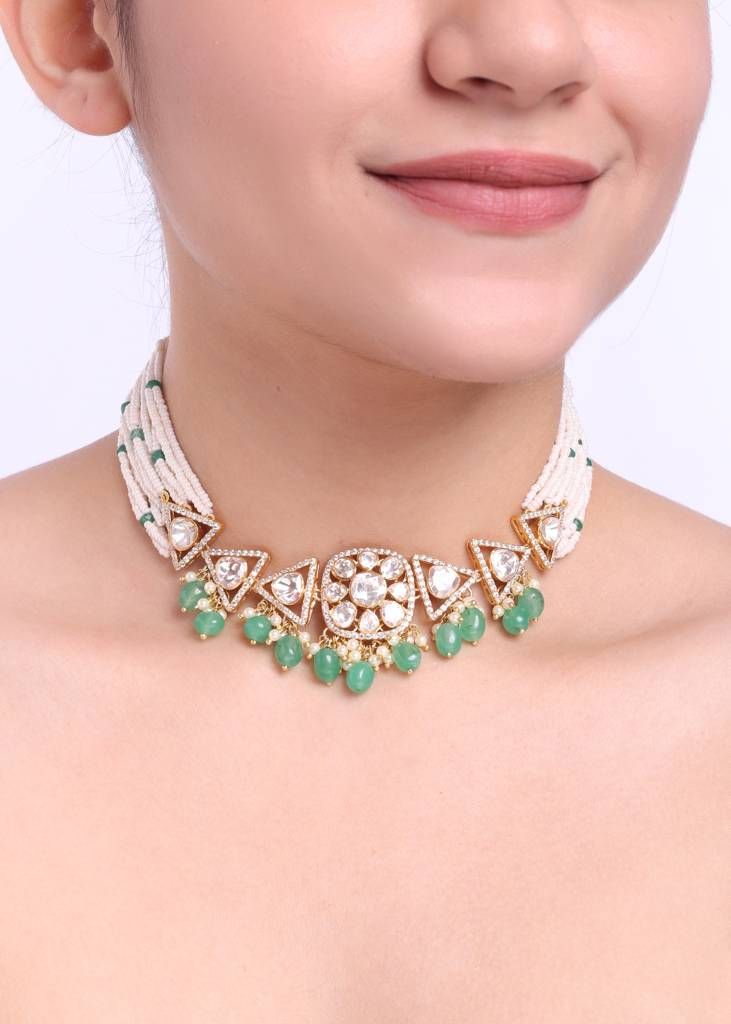
6. Satlada Necklace
A Satlada is a specific type of layered necklace that has exactly seven strands. It is usually made of pearls and small gems. It covers the entire chest area and is considered a very royal piece of jewelry.
- Best for: Royal-themed weddings or very large celebrations.
- The Name: "Sat" means seven, and "Lada" means layers or strings.
7. Kasu Mala (Coin Necklace)
The Kasu Mala is a traditional South Indian necklace made of small gold coins strung together. Each coin usually has an image of a deity on it.
- Best for: Traditional ceremonies and temple visits.
- Modern version: You can now find "Lakshmi necklaces" that use this coin style but in a shorter, more modern length.
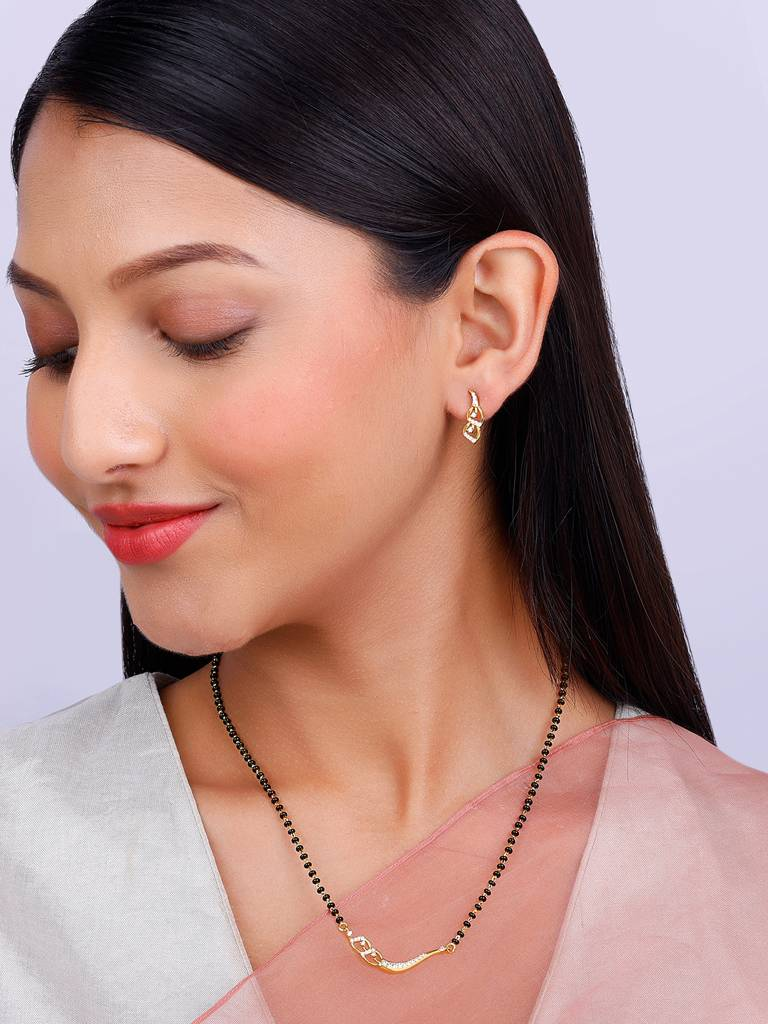
8. Mangalsutra
The mangalsutra is a symbolic necklace worn by married women in India. While traditional designs use black and gold beads, modern versions now include diamonds and sleek gold chains that can be worn with Western office wear.
- Style: Usually 14 to 24 inches long.
- Purpose: A symbol of marriage and protection.
How to Match Necklace Type to Your Outfit and Neckline
Matching a necklace to your outfit is about creating balance: if your neckline is high, your necklace should be long; if your neckline is wide and open, your necklace should be short and bold. You want the necklace to "fill the gap" rather than sit on top of the fabric or clash with the collar.
| Neckline | Best Necklace Type | Why It Works |
|---|---|---|
| V-neck | Pendant or Lariat | It follows the shape of the "V" down your chest. |
| Round / Crew neck | Choker or Princess | It sits right above the collar or follows the curve. |
| Off-shoulder | Collar or Statement | It fills the empty space on your neck and shoulders. |
| Boat neck | Long Pendant or Opera | It breaks up the wide horizontal line of the shirt. |
| High neck / Turtleneck | Opera length chain | Short necklaces look messy over high collars. |
| Strapless | Bib or Multi-strand | It acts as a "top" for the open chest area. |
| Deep plunge | Lariat or Rani Haar | It emphasizes the depth of the neckline. |
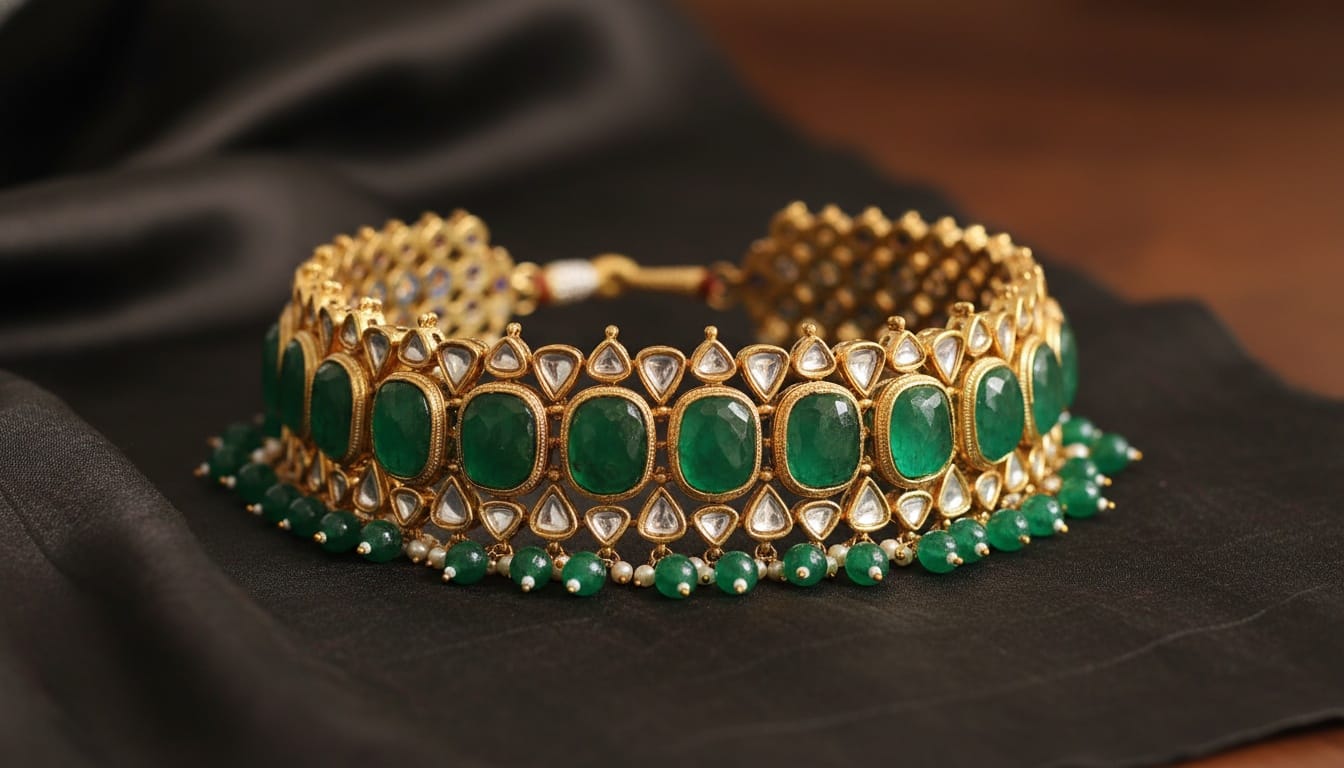
Visual Weight Rule: If your outfit is very busy (lots of patterns or sequins), choose a simple metal chain. If your outfit is a solid, plain color, that is your chance to wear a statement necklace or a colorful Kundan piece.
If you want a more detailed breakdown of styling rules, read our complete guide on how to match necklaces with different necklines.
All Necklace Types at a Glance
This table provides a quick reference for the most common necklace types, their typical lengths, and where they originated.
| Necklace Type | Length / Style | Origin | Best Occasion |
|---|---|---|---|
| Collar | 12 to 14 inches | Western | Formal events |
| Choker | 14 to 16 inches | Global | Casual and party wear |
| Pendant | 16 to 20 inches | Western | Daily wear and gifting |
| Chain (plain) | Any length | Global | Minimalist looks |
| Princess | 18 inches | Western | Work and daily life |
| Layered | Multiple | Western | Fashion-forward casual |
| Lariat | 36 inches+ | Western | Plunging necklines |
| Pearl necklace | Any length | Global | Weddings and business |
| Statement | Large/Bold | Western | Parties |
| Haar | Mid-length | Indian | Traditional festivals |
| Rani Haar | Very long | Indian | Bridal wear |
| Temple necklace | Medium to long | South Indian | Cultural events |
| Kundan | Varies | North Indian | Weddings |
| Polki | Varies | Indian | High-end bridal |
| Satlada | 7 layers | Indian | Royal/Grand events |
| Kasu Mala | Coin chain | South Indian | Traditional/Religious |
| Mangalsutra | 14 to 24 inches | Indian | Daily marital wear |
Conclusion
Understanding the different types of necklaces allows you to dress with confidence because you know exactly which piece will highlight your features and complement your clothes. The key is to remember that length is the foundation of the look, while the style provides the personality.
By building a small collection of different lengths—starting with an 18-inch princess pendant and a 14-inch choker—you will be prepared for almost any outfit in your closet. For special occasions, you can then add culturally rich pieces like a Rani Haar or a Statement Bib necklace to create a more dramatic effect.
Next time you get dressed, look at your neckline first. Let that guide you to the right length, and let the occasion guide you to the right style. With these names and rules in mind, you will never have to guess which necklace to wear again.
FAQs
1. What are the different types of necklaces called?
The main western types are choker, pendant, chain, princess, lariat, layered, pearl, statement, bib, and collar necklaces. Indian types include haar, rani haar, temple necklace, kundan, polki, satlada, kasu mala, and mangalsutra.
2. What is the most popular necklace length?
The 18-inch princess length is the most popular because it sits right at the collarbone. It works with almost any outfit, making it the most common choice for gifts and daily jewelry.
3. What is a rani haar necklace?
A rani haar is a long Indian necklace that often reaches the waist or stomach. Its name means "Queen's Necklace." It is very popular for brides and is usually worn with a shorter choker to create a layered look.
4. What is the difference between a choker and a collar necklace?
A choker is 14 to 16 inches and sits at the very base of the neck. A collar necklace is shorter (12 to 14 inches), fits even tighter, and is usually a solid, rigid piece of metal rather than a flexible chain.
5. What type of necklace should I wear with a V-neck?
A pendant necklace or a lariat works best. These styles have a "downward" shape that matches the shape of the V-neck, making your neck look longer and more elegant.
6. What is a kundan necklace?
A kundan necklace uses a traditional Indian technique where glass or gems are set in gold foil. They are known for being flat, colorful, and very shiny, making them great for weddings and big parties.
7. How do I choose the right necklace for my outfit?
Look at your neckline first. If the neck is open (like a scoop or V-neck), use a shorter necklace. If the neck is high (like a turtleneck), use a long necklace that hangs over the fabric.