Popular Mangalsutra Designs Explained: From Simple to Stylish
Discover popular mangalsutra designs, from traditional Vati and Thali to modern diamond bracelets. Find the perfect style for your lifestyle today!
TL;DR
A mangalsutra is a sacred wedding necklace that combines black beads (for protection) and gold (for prosperity). While regional styles like the Maharashtrian Vati or South Indian Thali remain popular, modern 2026 trends focus on minimalist diamond pendants, rose gold chains, and wearable mangalsutra bracelets. Choosing the right one depends on your cultural roots, how often you wear it, and your personal fashion style.
Popular Mangalsutra Designs Explained: From Simple to Stylish
A mangalsutra is the sacred necklace tied by a groom around his bride's neck during a Hindu wedding ceremony. The word comes from two Sanskrit words: "mangal," which means auspicious or lucky, and "sutra," which means thread. Together, they represent a "sacred thread" of good fortune that marks the beginning of a marriage.
While it is a deeply religious symbol, it is also a beautiful piece of jewelry. However, there is no single "standard" design. If you travel across India, you will see that the designs change every few hundred miles. A bride in Maharashtra wears something completely different from a bride in Tamil Nadu.
What unites every single version is the use of black beads and gold. These elements are the foundation of every design, whether it is a traditional heavy gold piece or a sleek modern diamond pendant. If you’re looking to explore a wide range of traditional and modern styles, Explore Mangalsutra Collection Online.
In this guide, you’ll learn:
- The deep meaning behind black beads and gold.
- How regional styles vary across Maharashtra, South India, North India, and more.
- The difference between Vati, Thali, and Pendant designs.
- How modern lifestyle needs have changed mangalsutra fashion.
- The most popular designs to look for in 2026.
- A simple framework to help you choose the right piece.
Why Black Beads and Gold Are Always Present
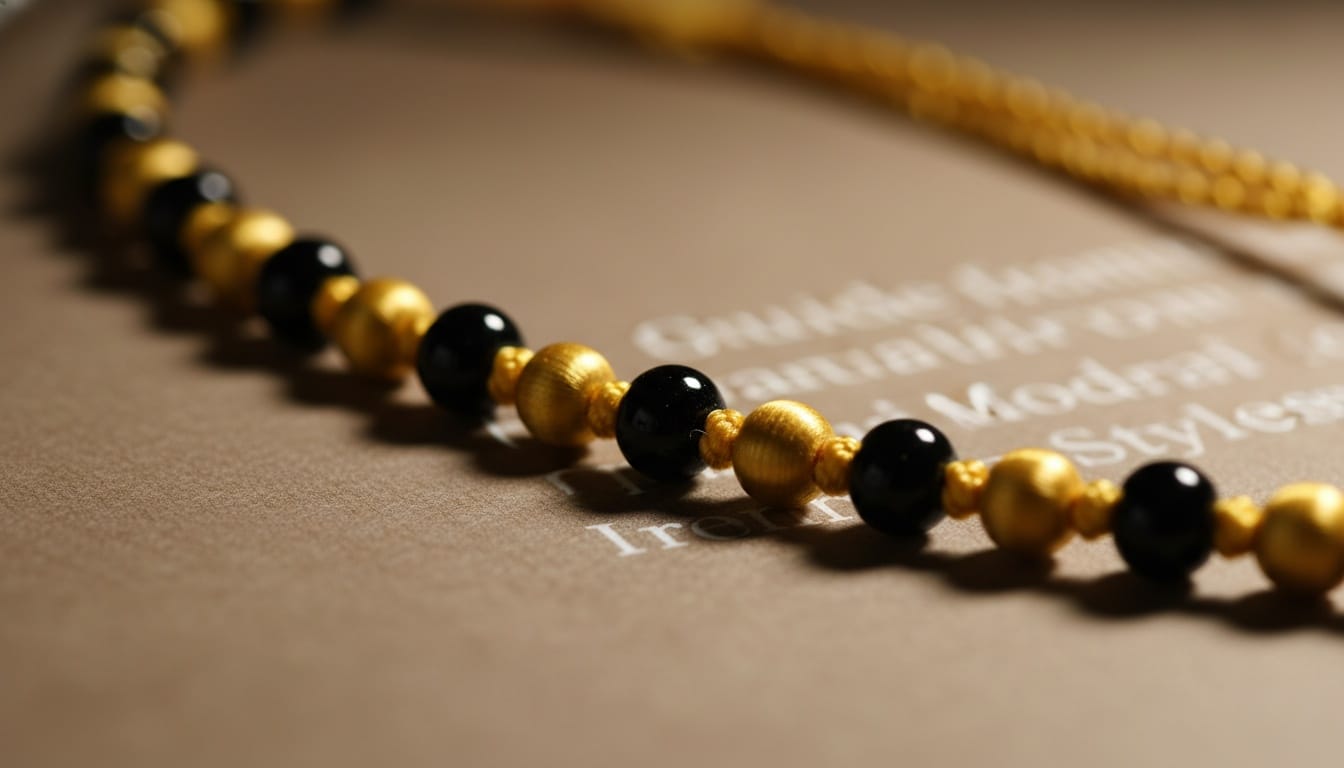
Black beads are used to ward off the "evil eye" and protect the marriage, while gold represents wealth and the strength of the bond. Regardless of the design, these two elements are considered non-negotiable for their protective and auspicious qualities.
In Indian tradition, jewelry is rarely just for show. Every part of a mangalsutra has a job to do.
- The Black Beads: These are believed to absorb negative energy. By wearing them, a woman is said to protect her husband and her home from ill intent or the "evil eye." This is why even the most stylish, modern mangalsutra designs usually keep at least two or three black beads near the clasp or the pendant.
- The Gold: Gold is a symbol of the goddess Lakshmi. It represents prosperity and abundance. In a marriage, it signals that the union is blessed and strong.
Because of these meanings, the black and gold combination is the "heart" of the piece. The length of the chain might change, and the pendant might get smaller, but the colors stay the same.
Regional Mangalsutra Designs Across India
India’s diversity is reflected in regional mangalsutra styles, ranging from the twin gold cups (Vati) of Maharashtra to the flat, symbolic pendants (Thali) of South India. Each design acts as a visual marker of a woman's cultural identity and community heritage.
If you look at a woman's mangalsutra, you can often tell exactly which part of India her family is from. Here is a breakdown of the major regional styles.
1. Maharashtrian Mangalsutra (Vati Design)
The Maharashtrian design is famous for its "Vatis" – two hollow gold cups. These cups represent Shiva and Shakti (the male and female energies of the universe). Traditionally, the chain has 48 black beads, which is a number that holds special spiritual significance in Vedic traditions. It is usually worn as a long chain that sits on the chest.
2. South Indian Thali (Thirumangalyam)
In South India, the necklace is often called a Thali or Bottu. It looks very different from the North Indian version.
- Tamil Nadu: The pendant often features symbols like a leaf or a family deity. It is initially tied on a yellow thread during the wedding before being moved to a gold chain.
- Andhra Pradesh & Telangana: Here, it is called a Mangalasutramu. It usually features two gold discs that represent the union of the two families.
- Kerala: Known as a Minnu (for Christians) or Nagapadathali (for Hindus), these often feature cross motifs or serpent-head designs.
3. North Indian Mangalsutra
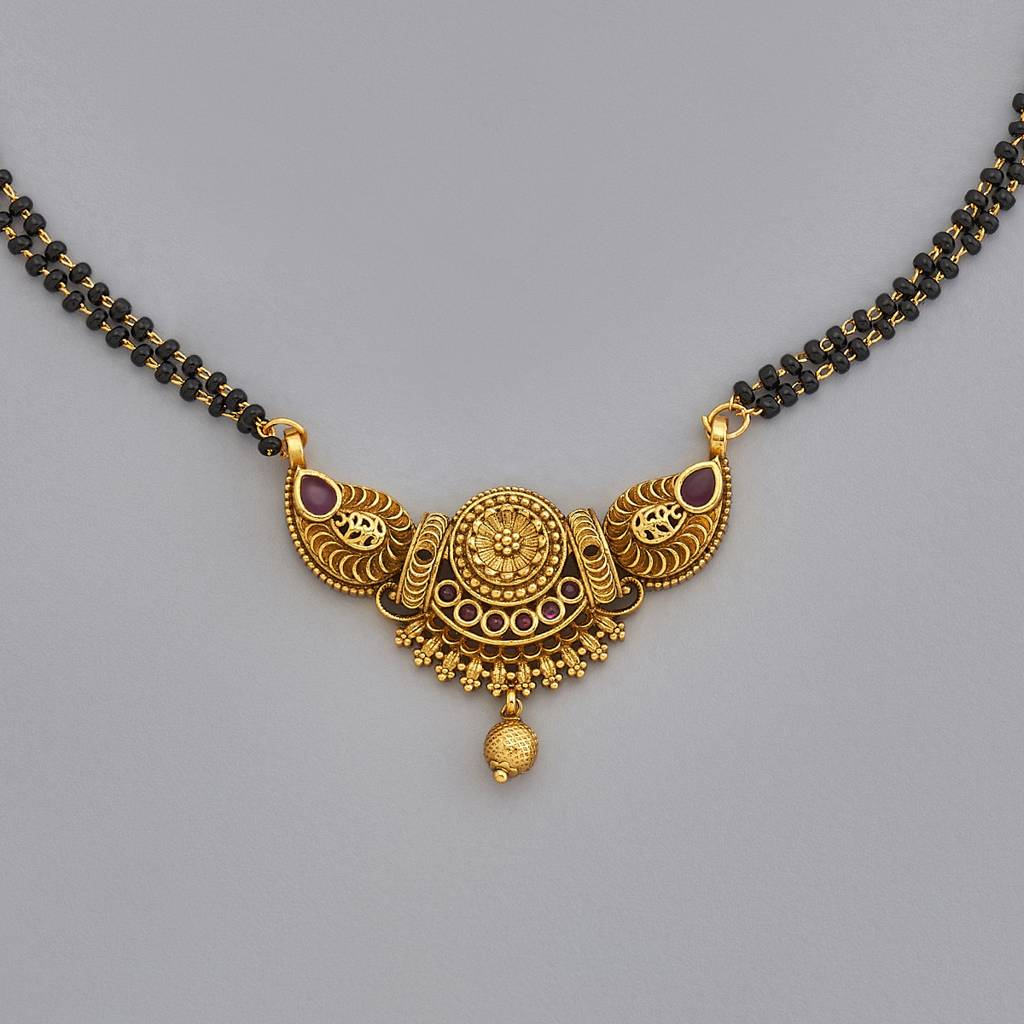
North Indian styles are what most people think of when they hear the word mangalsutra. They usually feature a long chain of black beads with a large, decorative gold or diamond pendant in the center. These designs often use Kundan or Polki (uncut diamond) work, making them look very royal and traditional.
4. Rajasthani and Gujarati Styles
In Rajasthan, the Ganthan is popular. It is a simple design where black beads are knotted onto a thread, emphasizing the "sacred thread" more than the gold. In Gujarat, the design usually features a double-strand chain that meets at an intricate floral or geometric gold pendant.
| Region | Popular Name | Key Feature | Symbolic Meaning |
|---|---|---|---|
| Maharashtra | Vati | Two hollow gold cups | Union of Shiva and Shakti |
| Tamil Nadu | Thali | Flat gold pendant with motifs | Family deity protection |
| Andhra Pradesh | Bottu | Two solid gold discs | Merging of two families |
| North India | Pendant Chain | Heavy gold/diamond pendant | Prosperity and status |
| Gujarat | Double Strand | Two rows of black beads | Strength of the bond |
Traditional Mangalsutra Design Types
Traditional designs are categorized by their physical structure, such as the number of strands or the shape of the pendant. These categories, including the Pendant, Vati, and Coin styles, help buyers choose a look that fits their cultural requirements.
Beyond where they come from, you can categorize mangalsutras by how they are built.
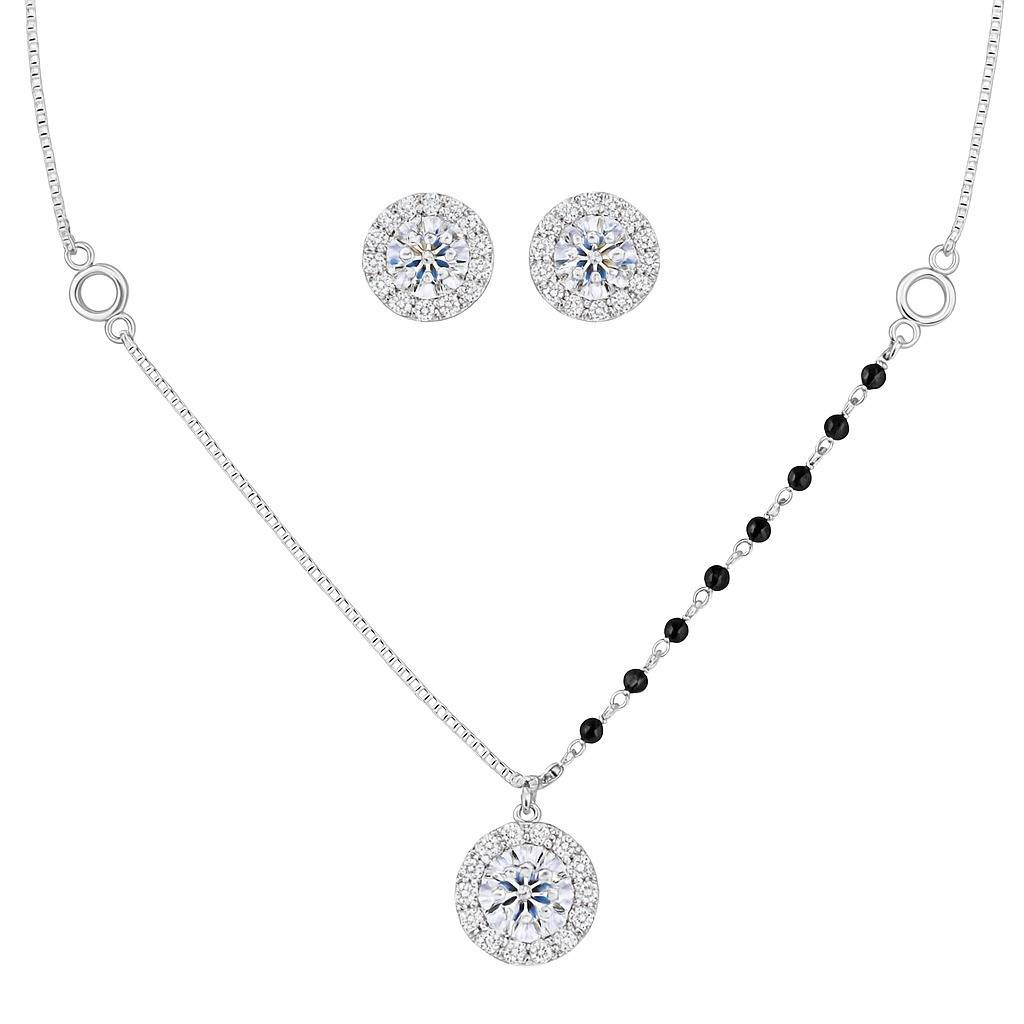
- Pendant Mangalsutra: This is the most common type today. A single decorative piece hangs from the center of the chain.
- Vati or Cup Style: Specifically the two-cup design from the West of India.
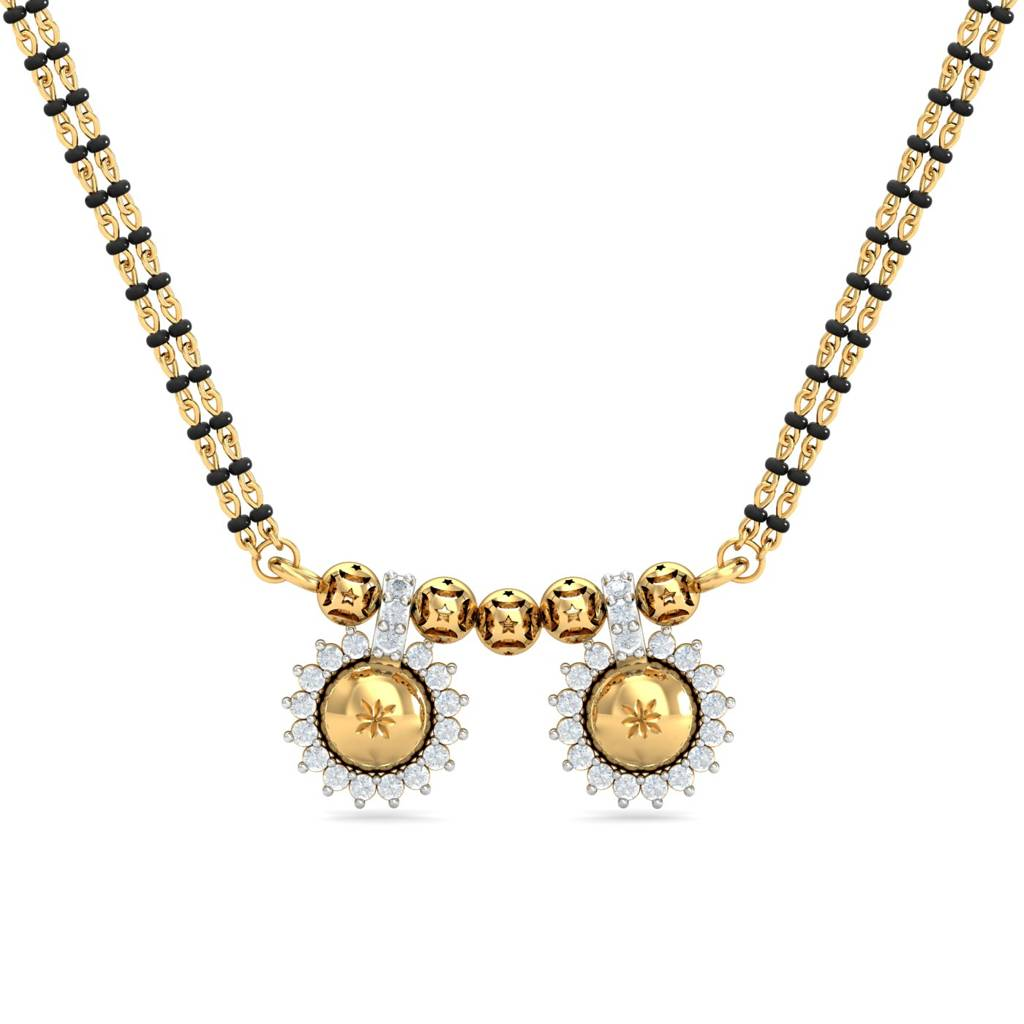
- Layered or Multi-Strand: These use two or three chains at once. It creates a "heavy" look that is perfect for weddings and big festivals.
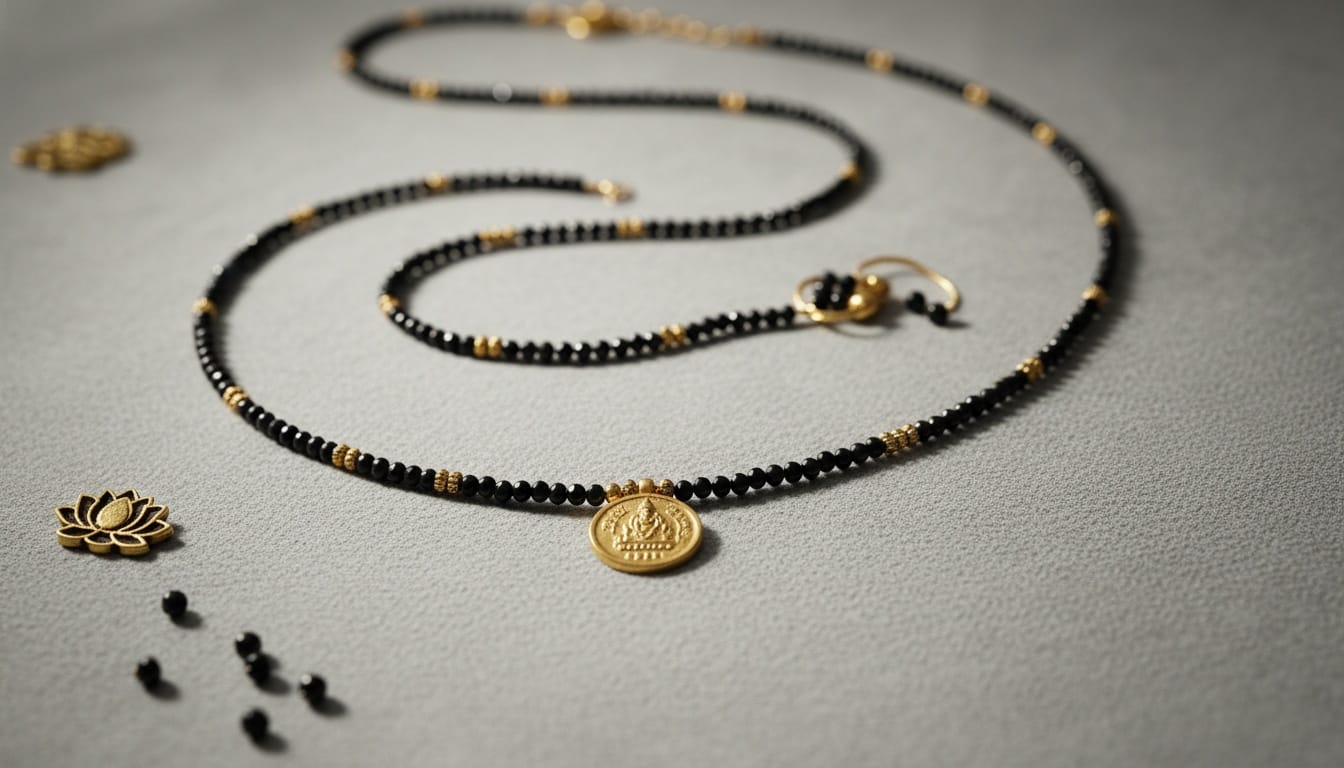
- Coin (Kasu) Mangalsutra: Based on the South Indian Kasu Mala, this style uses small gold coins strung along the chain. Each coin usually has an image of a deity engraved on it.
How Modern Mangalsutra Designs Have Evolved
Modern mangalsutra designs focus on versatility and comfort, moving away from heavy gold toward lightweight materials like rose gold and lab-grown diamonds. This shift allows women to wear the sacred symbol in professional and casual settings without it feeling out of place.
In the past, a mangalsutra was a heavy piece of jewelry that stayed hidden under a saree. Today, Indian women are wearing their mangalsutras to the office, the gym, and on international trips. Because of this, the design has had to change.
From Heavy to Lightweight
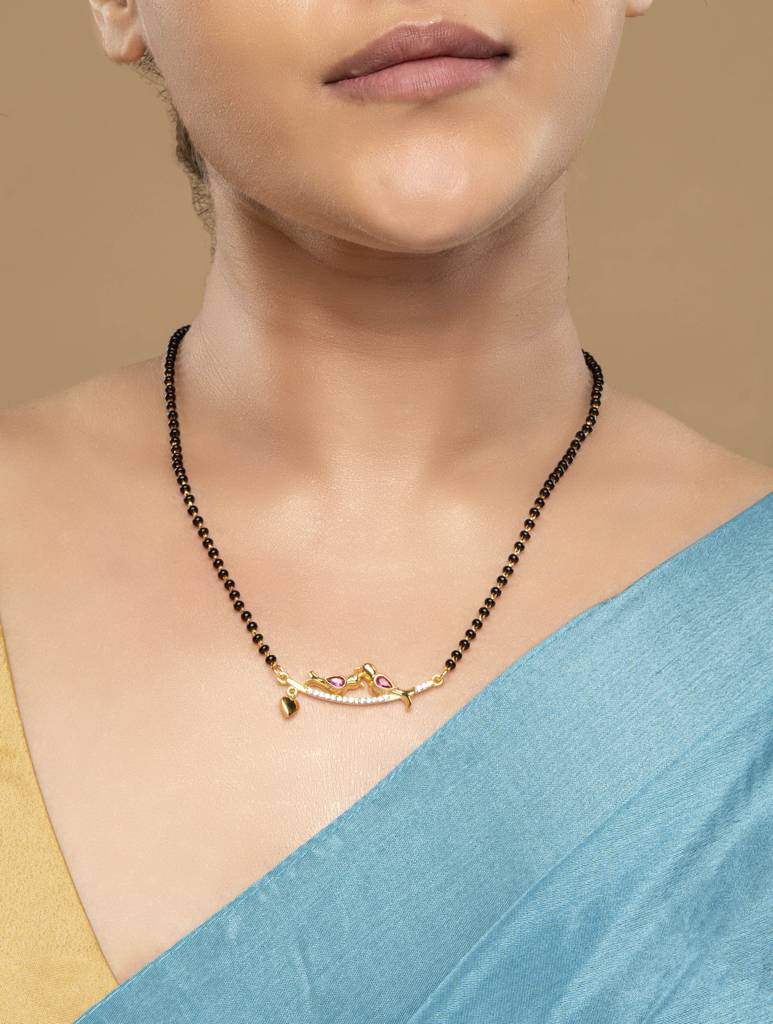
Traditional chains were often thick and heavy. Today, nearly 72% of mangalsutras sold online are "lightweight" designs. These use thinner chains and smaller pendants so they don't feel heavy during a long workday.
The Rise of Rose Gold and Lab Diamonds
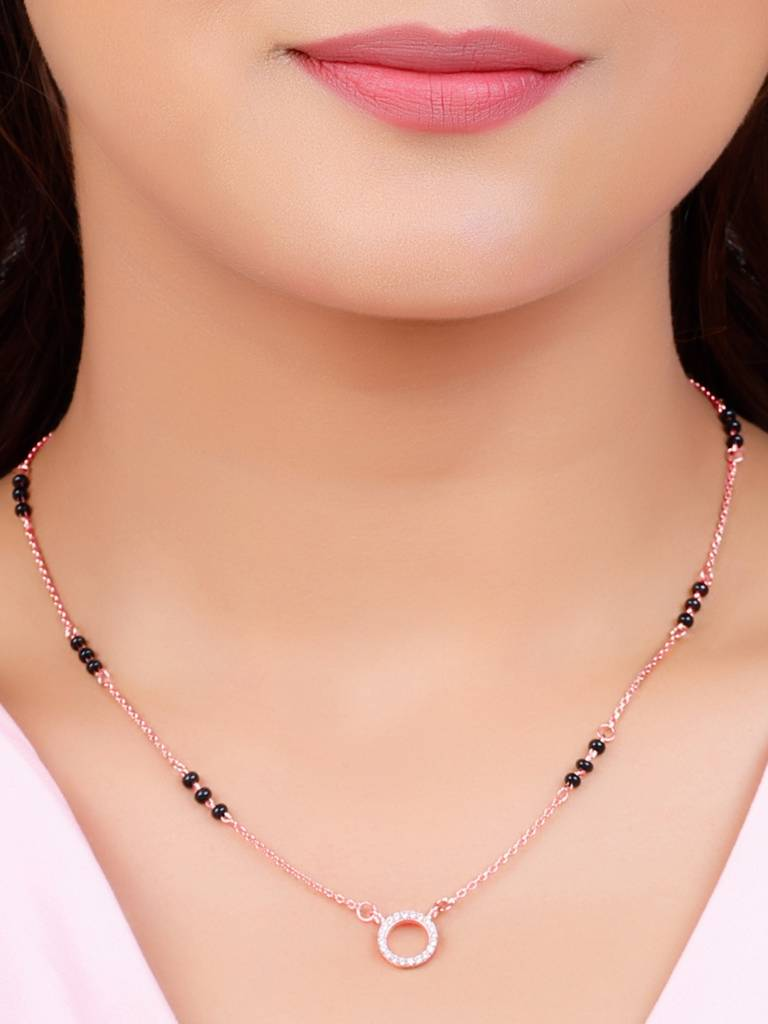
Yellow gold is traditional, but rose gold is becoming a favorite for younger women. It looks great with Western clothes like blazers or dresses. Additionally, lab-grown diamonds are making high-end diamond mangalsutras much more affordable. Experts expect rose gold and lab-diamond designs to grow by 15% to 20% every year.
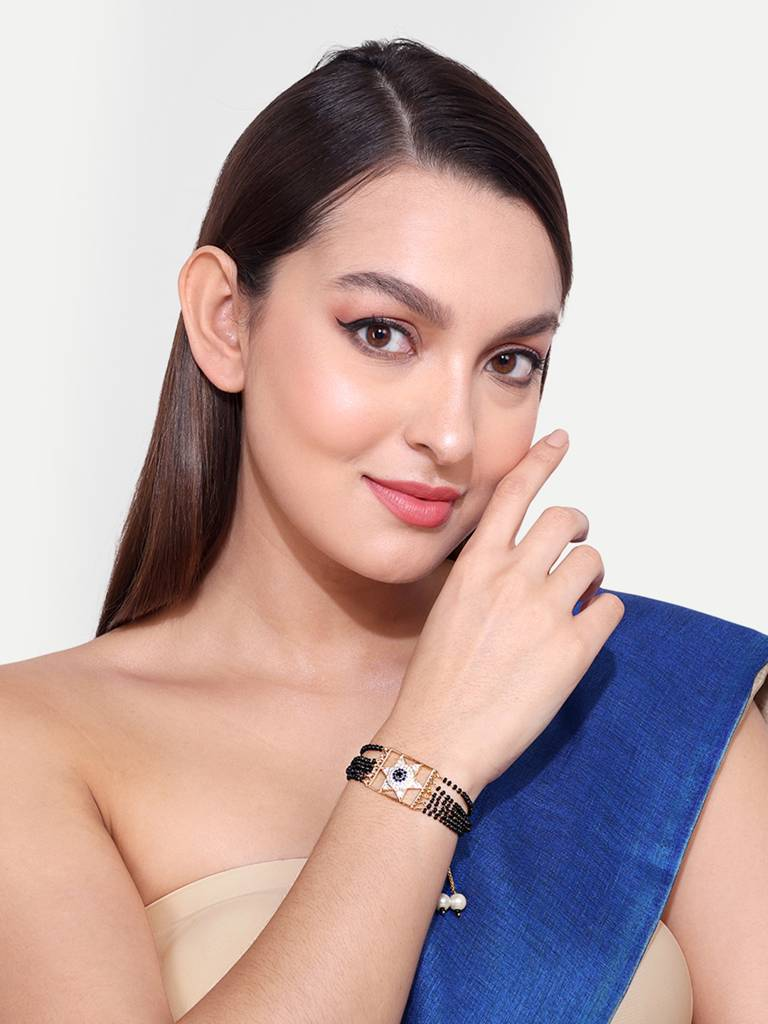
The Mangalsutra Bracelet
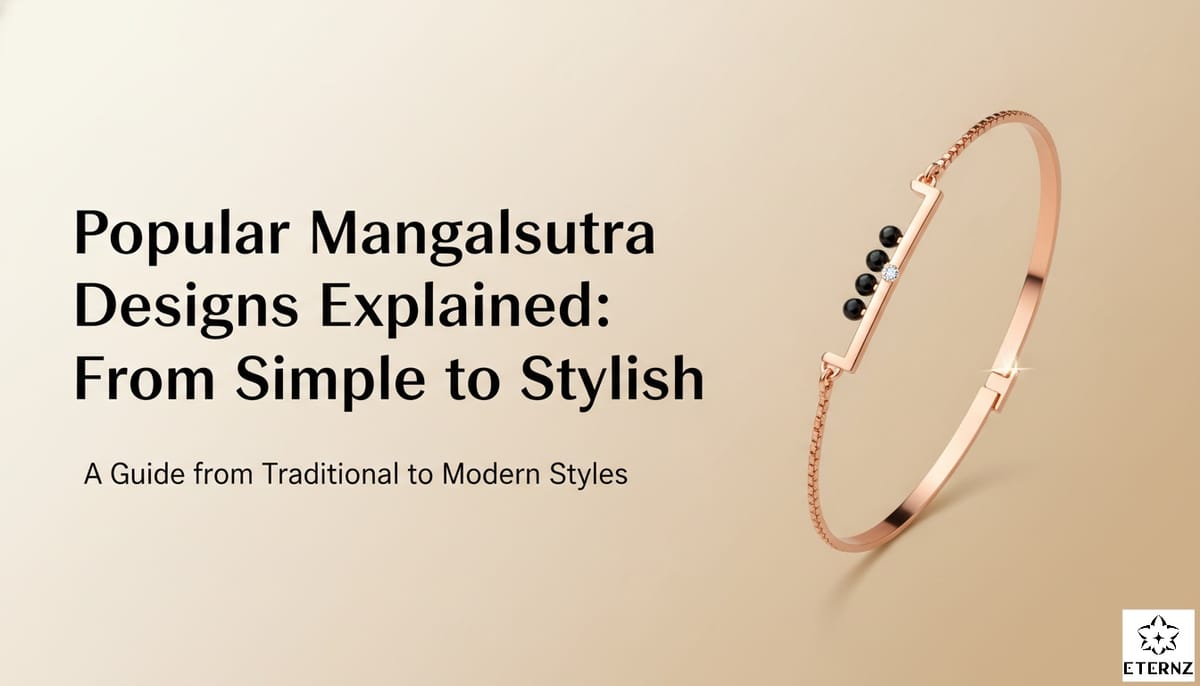
This is one of the biggest changes in jewelry history. Many women now choose to wear their mangalsutra on their wrist. It carries the same black beads and gold/diamond charms but looks like a stylish bracelet. This is perfect for women who find neck chains uncomfortable or too formal for daily work wear.
The Most Popular Mangalsutra Designs in 2026
The top trends for 2026 emphasize "minimalism" and "fusion," with diamond solitaires and geometric bar pendants leading the market. These designs are intended to be "invisible" enough for work but "sparkly" enough for a dinner date.
If you are looking for a new design this year, these are the styles everyone is talking about:
- The Minimalist Diamond Solitaire: A very thin gold chain with one single diamond in the middle. It is the "clean girl" aesthetic applied to traditional jewelry.
- The Bar Mangalsutra: Instead of a round pendant, this uses a horizontal gold bar. It looks very modern and pairs perfectly with a white shirt or a formal suit.
- The Evil Eye Fusion: Since black beads already protect you, many designers are adding a small blue "Evil Eye" charm to the center for double protection and a pop of color.
- Convertible Designs: These are "2-in-1" pieces. The pendant can be removed from the black bead chain and put on a plain gold chain, or even turned into a charm for a bracelet.
How to Choose the Right Mangalsutra for Your Lifestyle
To choose the perfect mangalsutra, you must balance your family's cultural expectations with your daily clothing choices and activity level. A "daily wear" piece should be durable and lightweight, while a "festive" piece can be more elaborate.
Buying a mangalsutra is a big decision. Use this 3-step checklist to find the right one:
Step 1: Check the Tradition
Does your family require a specific design for the wedding day? If they need a Vati or a Thali, get a traditional one for the ceremony. You can always buy a "daily wear" minimalist version later.
Step 2: Think About Your Wardrobe
- If you wear Sarees/Kurtas: A traditional gold pendant or a medium-length chain looks best.
- If you wear Western Formals: Look for a short, diamond-pendant style or a rose gold "bar" design.
- If you wear T-shirts/Athleisure: A mangalsutra bracelet is likely your best bet.
Step 3: Consider the Metal
While 22K yellow gold is the standard for investment, 18K gold is stronger and better for holding diamonds in place. If you have a cooler skin tone, consider white gold or platinum.
| Feature | Daily/Work Wear | Wedding/Festive Wear |
|---|---|---|
| Metal Weight | 2g to 5g (Lightweight) | 10g to 30g+ (Heavy) |
| Pendant | Small Solitaire or Bar | Large Gold/Kundan Motif |
| Chain Length | 14-16 inches (Short) | 18-24 inches (Long) |
| Durability | High (sturdy links) | Moderate (delicate work) |
Final Thoughts on Popular Mangalsutra Designs
A mangalsutra is unique because it is both a sacred promise and a piece of fashion. The best design isn't the most expensive one; it's the one that you feel comfortable wearing every single day.
Whether you choose a traditional Maharashtrian Vati to honor your roots or a modern rose gold bracelet to fit your office life, the meaning remains the same: a celebration of love and protection. In 2026, the trend is all about "Personalized Tradition" – keeping the sacred black beads but shaping the gold into a style that feels like you.
If you're ready to find your perfect match, platforms like Eternz offer a curated selection of over 300 brands, including Giva and Kushal's, making it easy to compare traditional and modern styles in one place.
Frequently Asked Questions
1. What is the significance of black beads in a mangalsutra?
The black beads are traditionally believed to ward off the evil eye and absorb negative energy, protecting the marriage and the husband's well-being.
2. What is the difference between a Vati and a Thali mangalsutra?
A Maharashtrian Vati design consists of two hollow gold cups representing Shiva and Shakti, whereas a South Indian Thali is a flat gold pendant, often featuring religious or family motifs.
3. Are modern mangalsutra bracelets culturally acceptable?
Yes, mangalsutra bracelets have become a popular and accepted modern alternative for women who prefer a practical, stylish way to wear the sacred symbol in professional or casual settings.
4. What are the top mangalsutra trends for 2026?
The 2026 trends focus on minimalism and versatility, including single diamond solitaires, geometric bar pendants, rose gold chains, and convertible designs that work with Western outfits.
5. How do I choose a mangalsutra for daily wear?
For daily wear, it is best to choose a lightweight design with a secure closure and a minimalist pendant that won't snag on clothing or feel uncomfortable during work or exercise.