Jewelry Pieces Indian Women Are Ditching — And Why
Your grandmother wore heavy gold daily; you wear a smartwatch. Why? We analyze the shift from 'locker jewelry' to 'laptop-friendly' styles and reveal the 6 traditional items—like glass bangles and long mangalsutras—that modern Indian women are packing away for good.
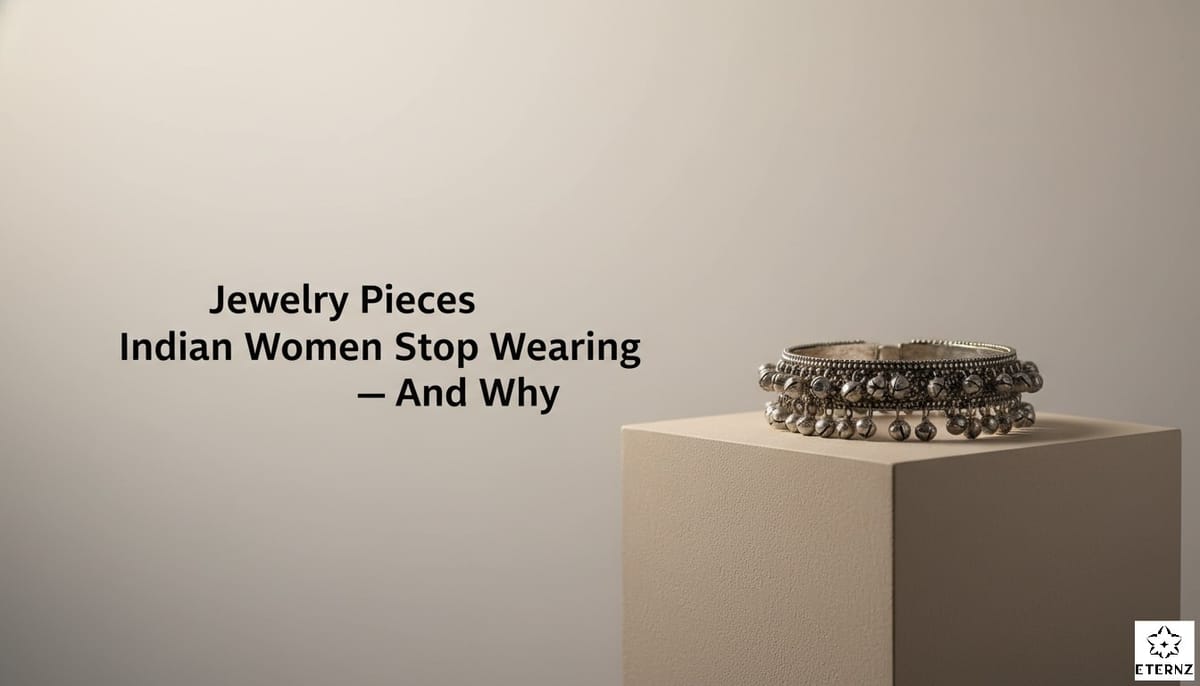
If you look at old family photos, you might see your grandmother wearing heavy gold sets, dozens of glass bangles, and thick silver anklets every single day. Today, if you look around an office in Mumbai, Delhi, or Bangalore, the scene is very different. The jewelry box of the modern Indian woman has changed completely.
It's not that Indian women have stopped loving jewelry. In fact, we love it more than ever! India's gems and jewelry market stood at approximately ₹7.31 lakh crore (US$85 billion) in January 2025, projected to expand to ₹11.18 lakh crore (US$130 billion) by the end of the decade, driven by rising disposable incomes and evolving consumer preferences. But our lifestyle has shifted. We travel in crowded metros, type on laptops for 8 hours a day, and wear jeans as often as sarees.
With female labor force participation rates in urban India reaching around 25-30% in 2025 (up from lower figures in previous years), practicality has become key. Because of this, many traditional pieces that were once "daily essentials" are now being packed away for special occasions only.
Here is a look at the specific jewelry pieces Indian women are slowly stopping to wear, and the honest reasons why—backed by market trends and data. For more insights on evolving jewelry trends, check out Eternz's jewelry blog. You can also explore Top 10 Indian Jewelry Trends for 2026 for the latest shifts.
1. Glass Bangles
Most women have stopped wearing glass bangles daily because they break easily and can cause injury. They are also impractical for typing on keyboards and driving.
In the past, a married woman’s wrists were never supposed to be empty. The sound of glass bangles (choodiyan) was considered auspicious. However, this trend has seen the biggest drop in the last decade, as urban lifestyles prioritize comfort over tradition.
The Office Problem: Imagine trying to type on a laptop while wearing 12 glass bangles on each hand. The noise is distracting in quiet offices, and the bangles make it hard to rest your wrists on the desk.
The Safety Problem: Glass bangles are fragile. If you bump your hand against a table or a door handle, they shatter. Many women have experienced cuts on their wrists from broken glass.
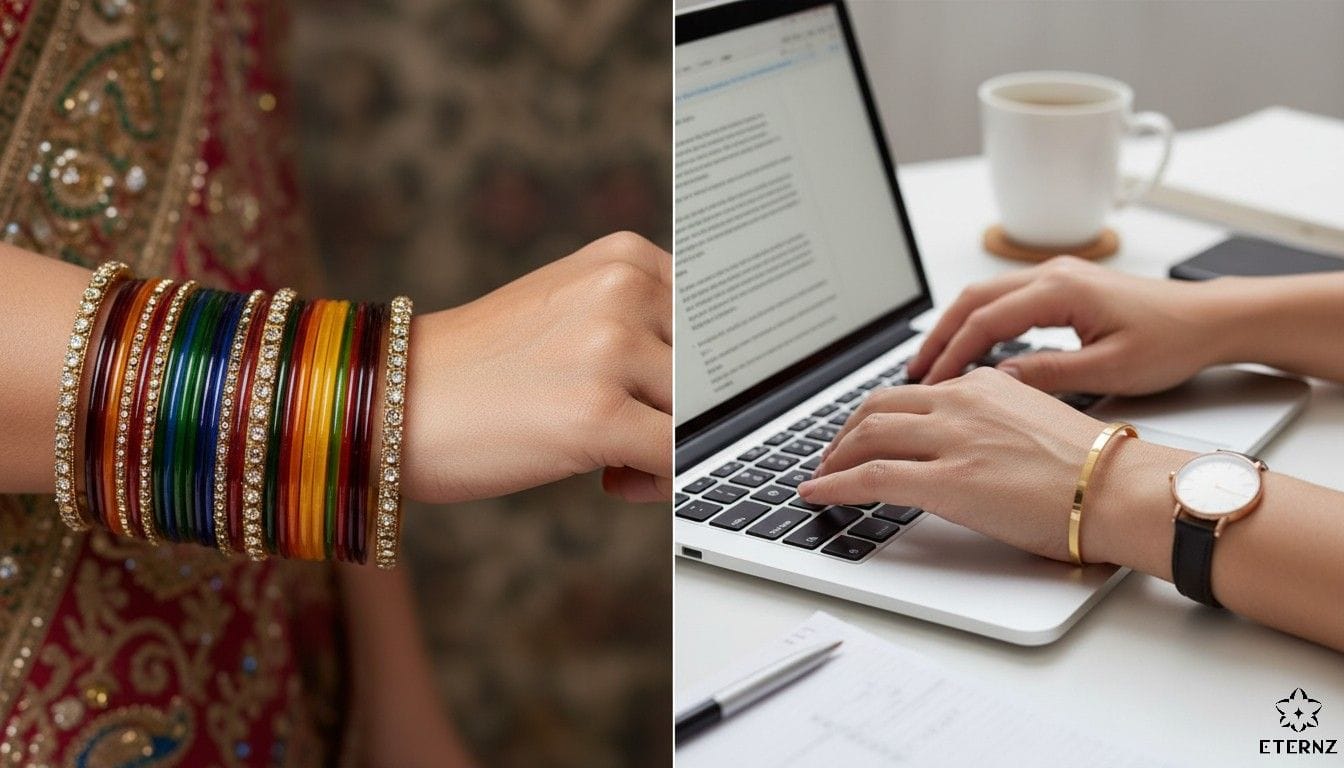
What Women Wear Instead:
- Watch Stacks: A wristwatch paired with a single thin bracelet.
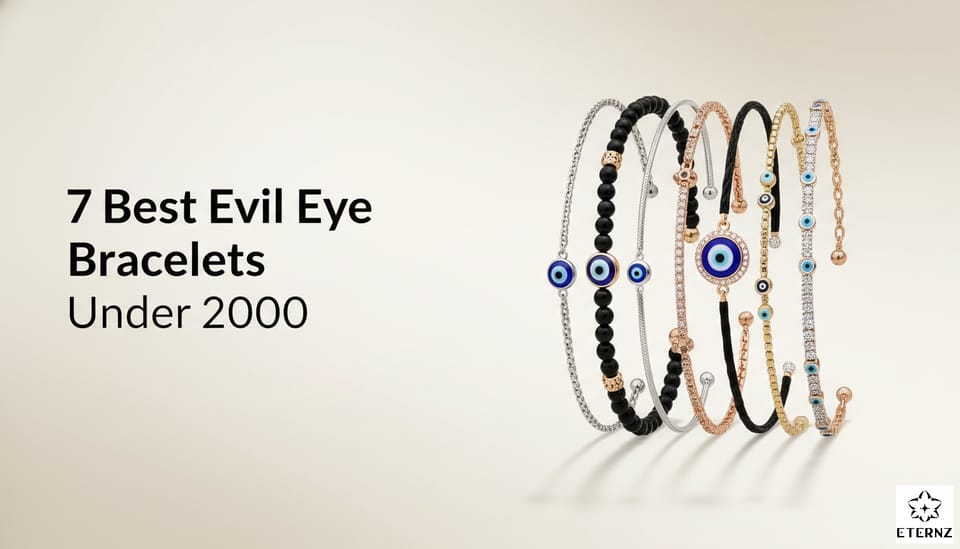
- The "Kada" (Single Bracelet): One stylish, rigid bracelet (in gold, silver, or rose gold) looks smart with both kurtas and western wear. Explore elegant kada and metal bangles that offer durability without the noise. Explore elegant bracelets that offer durability without the noise.
- Metal Bangles: They don't break and are silent, aligning with the growing popularity of sterling silver, which holds a significant share in India's silver market (projected to grow at 3.7% CAGR from 2025-2032). Explore elegant metal bangles that offer durability without the noise.
For more on why silver is ideal for daily wear, read why 925 Sterling Silver is Perfect for Everyday Luxury in India.
2. Heavy Gold Necklaces for Daily Wear
High gold prices and the fear of chain-snatching have made heavy gold necklaces risky for daily use. Women now prefer lightweight chains or imitation jewelry for safety.
Twenty years ago, wearing a heavy gold chain or a mangalsutra of 30-40 grams was a sign of status. Today, it is a safety hazard. With 24K gold prices hovering around ₹1,38,000 to ₹1,40,000 per 10 grams as of January 2026 (up from lower levels in prior years), wearing heavy gold on a bus or train is simply too risky. Jewelry demand in India fell by double-digit levels in 2025 due to these elevated prices, with only a tepid recovery expected in 2026.
The "Old-Fashioned" Look: Heavy yellow gold does not always match with modern outfits like blazers, t-shirts, or dresses.
Theft Anxiety: "Chain snatching" is a real fear in many Indian cities, with over 2,500 cases reported in Delhi alone in the first six months of 2025, and similar spikes in Pune (127 cases in 2025, up from 103 in 2024). Women prefer not to wear lakhs of rupees around their necks while commuting.
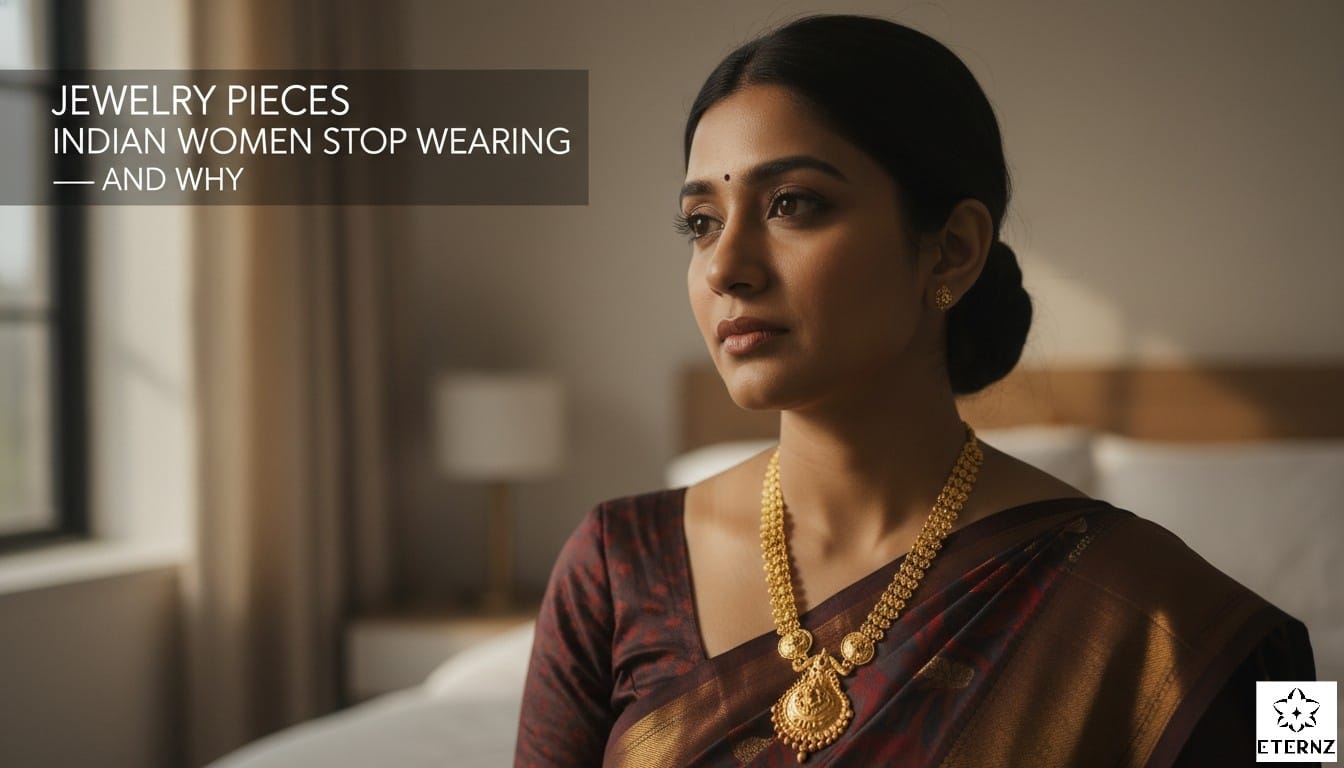
What Women Wear Instead:
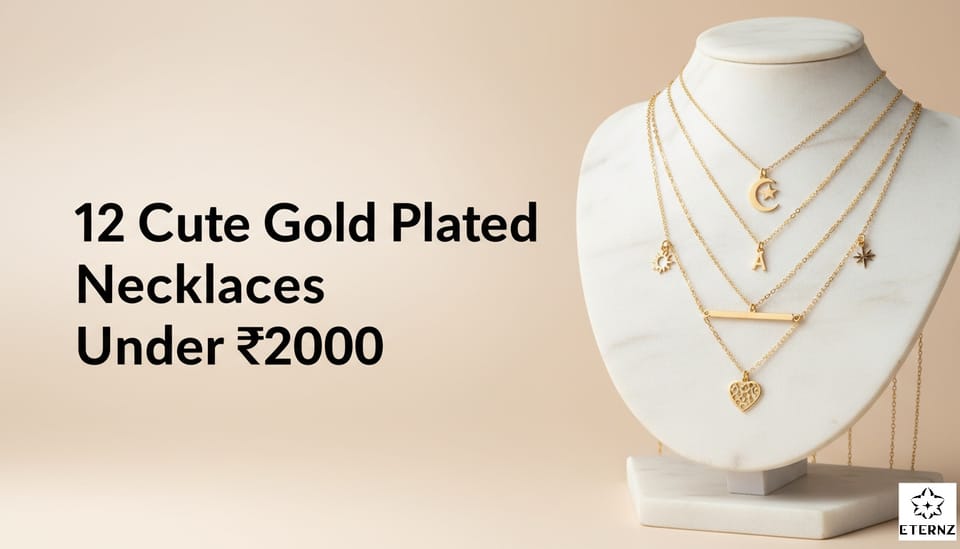
- Layered Necklaces: Wearing 2-3 very thin chains together for a trendy look. Discover versatile options in our necklaces collection.
- Demi-Fine Jewelry: Gold-plated silver that looks expensive but costs a fraction of the price, with the Indian demi-fine market growing at 12.1% CAGR from 2025-2030, reaching US$460.6 million by 2030.
- Lightweight Chains: Thin 18k gold chains that weigh only 2-5 grams. Confused about gold purity for lighter pieces? Check out our complete guide to 24K vs 22K vs 18K vs 14K Gold.
3. The Traditional Long Mangalsutra
Working women are switching to "Modern Mangalsutras" (short chains or bracelets) because long, heavy chains snag on clothes and clash with western office wear.
The mangalsutra is a symbol of marriage, but the design has gone through a massive makeover. The traditional long chain with heavy black beads is disappearing from daily wardrobes, as India's overall jewelry market shifts toward versatility at a 6.3% CAGR from 2025-2033.
Hand Mangalsutras: A new trend is the mangalsutra bracelet—worn on the wrist instead of the neck. It respects tradition but is much more comfortable.
The Solution: The "Office Mangalsutra." This is a short chain (16-18 inches) with just a few black beads and a small diamond pendant. It sits close to the neck like a regular chain. Browse our curated range of modern mangalsutras that blend tradition with everyday comfort, including sleek sterling silver and gold-plated designs.
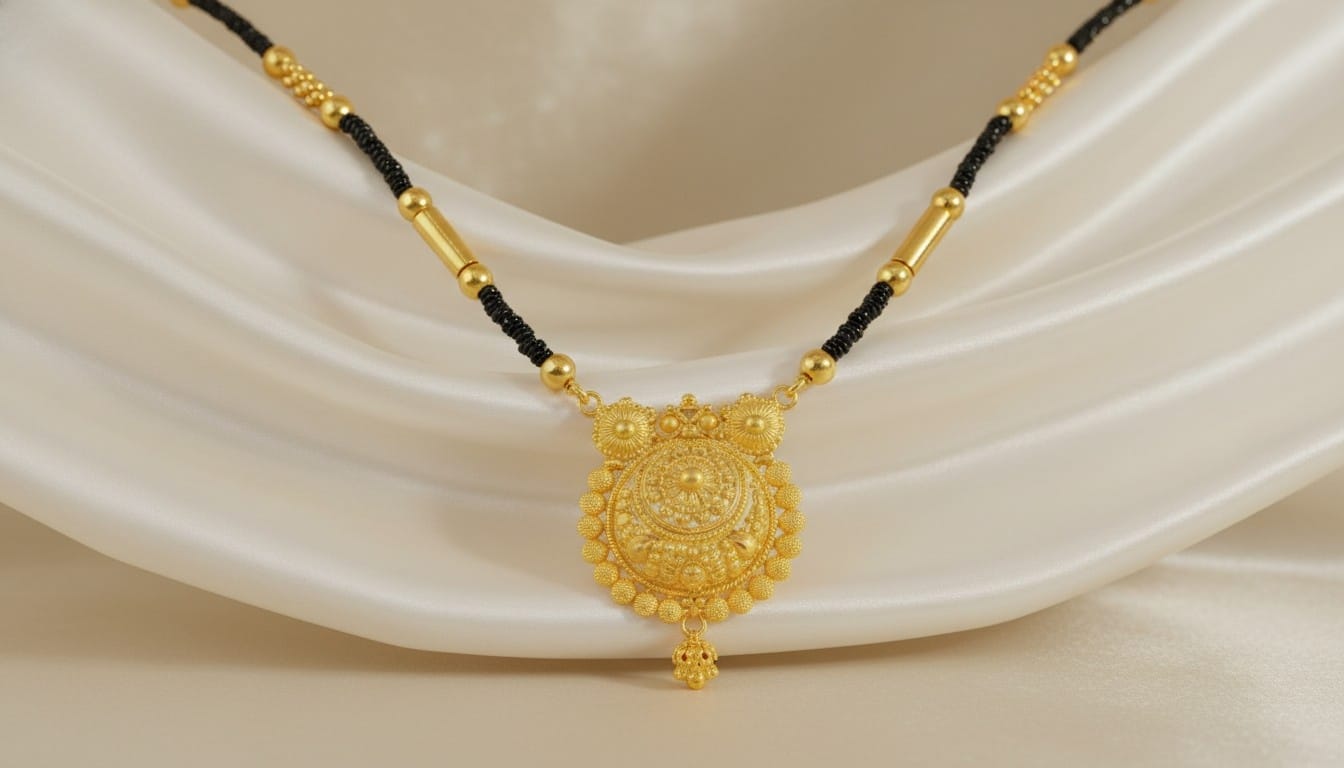
The Style Clash: It can look odd over a crisp white shirt or a western dress.
The Length Issue: A long mangalsutra often gets tangled in ID card lanyards, seatbelts, or handbag straps.
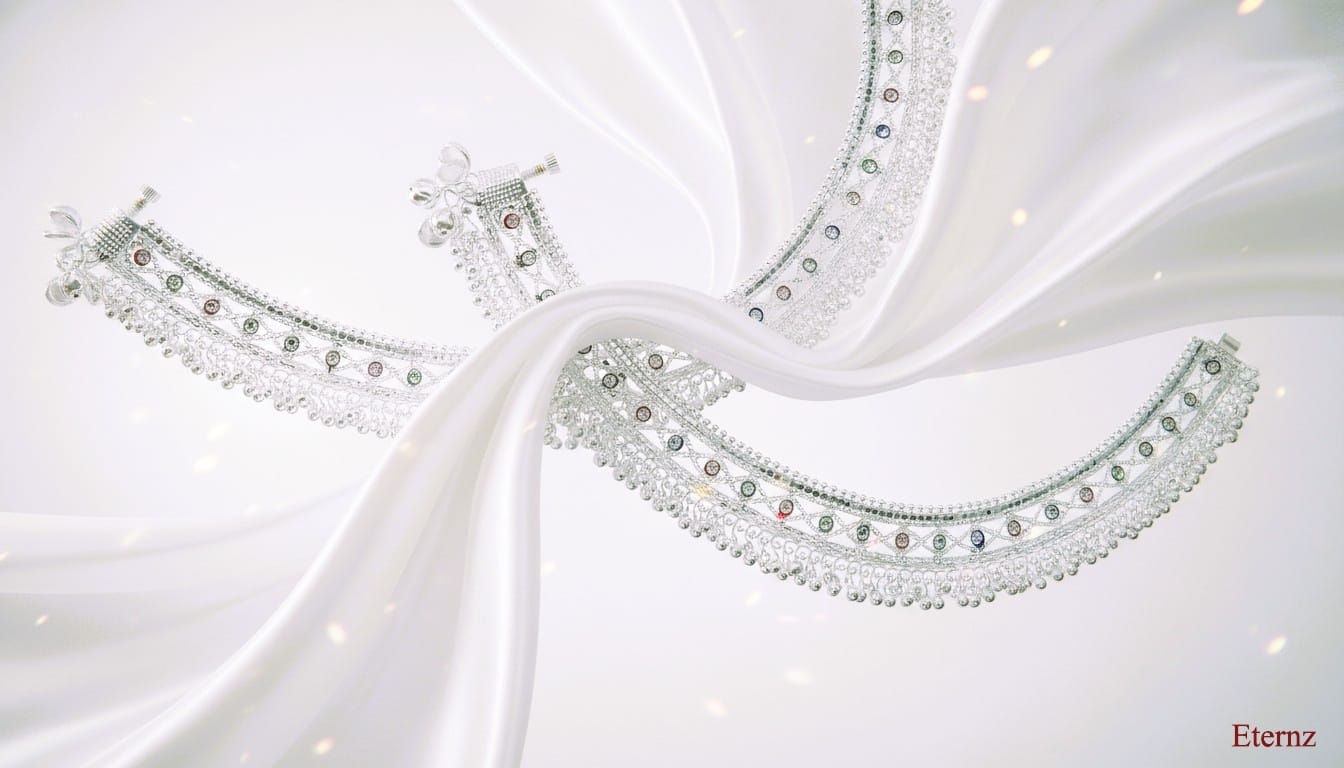
4. Heavy Silver Anklets (Payal) with Bells
Noisy anklets are considered unprofessional in many corporate settings. Women now choose sleek, silent anklets or skip them entirely to wear shoes and socks.
The sweet sound of chham-chham is beautiful at a wedding, but not in a conference room. Demand for silver jewelry in India reached over 2,600 metric tons in 2023, but trends favor quieter, modern designs.
The Noise Factor: In a quiet library or office, the sound of bells can draw unwanted attention.
Shoe Trouble: Traditional thick anklets hurt when you try to wear them inside sneakers, boots, or formal closed shoes. They press against the ankle bone.
What Women Wear Instead:
- Silent Anklets: Sleek chains without the noisy bells (ghungroos). check out our collection of stylish silent anklets perfect for daily wear with shoes.
- Single-Leg Anklets: A thin black thread or silver chain on just one ankle.
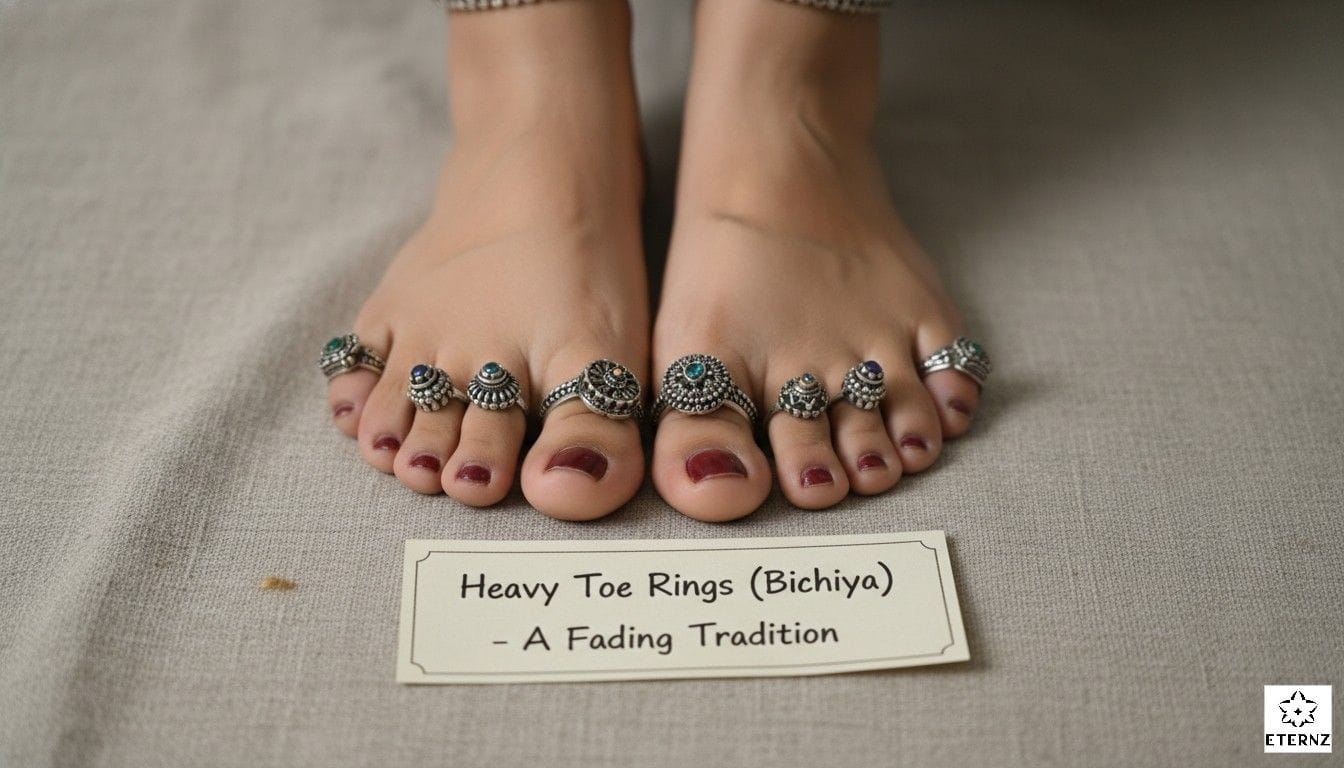
5. Heavy Toe Rings (Bichiya)
Large, ornate toe rings make it painful to wear closed-toe shoes like sneakers or pumps. Women are moving to adjustable, flat rings that don't pinch.
Toe rings are a sign of marriage in many Indian cultures. However, the traditional designs were big, round, and often made of thick silver.
The Shift: Women are buying "comfort-fit" toe rings. These are flat bands that sit flush against the skin, allowing them to wear any footwear they like without pain.
The Comfort Gap: You cannot wear a big toe ring inside a running shoe or a tight sandal. It causes blisters and pain. Check out comfort-fit toe rings for effortless daily wear.
6. Traditional Armlets (Bajuband)
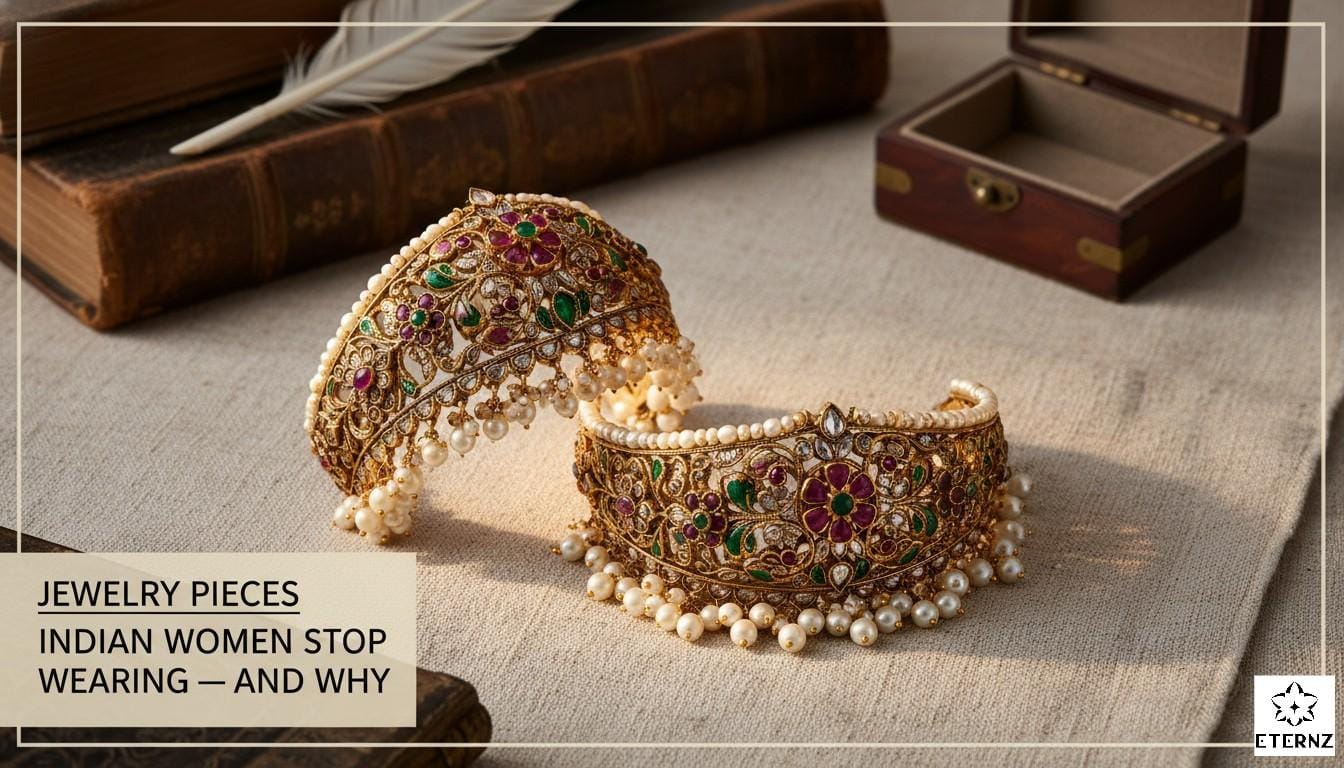
Armlets have completely vanished from daily wear because they are impossible to style with sleeves. They are now strictly reserved for weddings.
Once upon a time, armlets were common. Now, they are rare even at festivals.
Current Status: You will likely only see these on a bride or a classical dancer.
Slipping Issues: Unless they are tied very tight (which cuts off blood flow), they tend to slip down the arm constantly.
Clothing Fit: Modern blouses and tops have fitted sleeves. A metal armlet worn underneath looks lumpy and feels uncomfortable.
Why Is This Shift Happening?
The three main drivers of this change are the rise of working women, the increase in crime/cost, and the influence of global fashion trends.
It's not just about fashion; it's about practicality. Female labor force participation has steadily risen, reaching 35.1% overall by November 2025, with urban areas seeing notable gains.
Western Influence: We watch global movies and follow international influencers. The global trend is "Minimalism"—where less is more. A simple pair of diamond studs is now seen as more elegant than a heavy gold set.
Safety: In big cities, looking "too rich" on the street can make you a target. Minimal jewelry feels safer, especially with chain-snatching incidents numbering in the thousands annually across major metros.
Cost of Gold: With gold becoming so expensive (prices up 37% in the first seven months of FY2026 compared to FY2025 averages), buying heavy pieces for daily rough-use doesn't make financial sense for many families.
Workplace Culture: Most Indian women now work. We need jewelry that is "fuss-free." We don't want to fix our bangles or adjust our heavy necklaces during a meeting. For tips on styling minimalist jewelry for the office, learn expert layering techniques.
What Are Indian Women Buying Instead?
The market has shifted toward "Demi-Fine" jewelry, Sterling Silver, and imitation pieces that are trendy, affordable, and office-appropriate.
If women are not buying heavy gold, where is the money going? The India jewelry market is expected to grow by USD 25.6 billion from 2025-2029 at a 5.9% CAGR, with a focus on affordable luxury.
- Artificial/Imitation Jewelry: For weddings, many women now rent heavy sets or buy high-quality imitation jewelry. It looks real in photos but removes the stress of keeping it safe.
- Rose Gold: This color is very popular because it blends with the Indian skin tone and looks modern.
- Sterling Silver (925): Silver is the new favorite. It is valuable but affordable, with the Indian silver market projected to reach USD 9.4 billion by 2032. You can get a stunning silver necklace for ₹2,000 instead of ₹50,000 for gold.
Conclusion & Recommendation
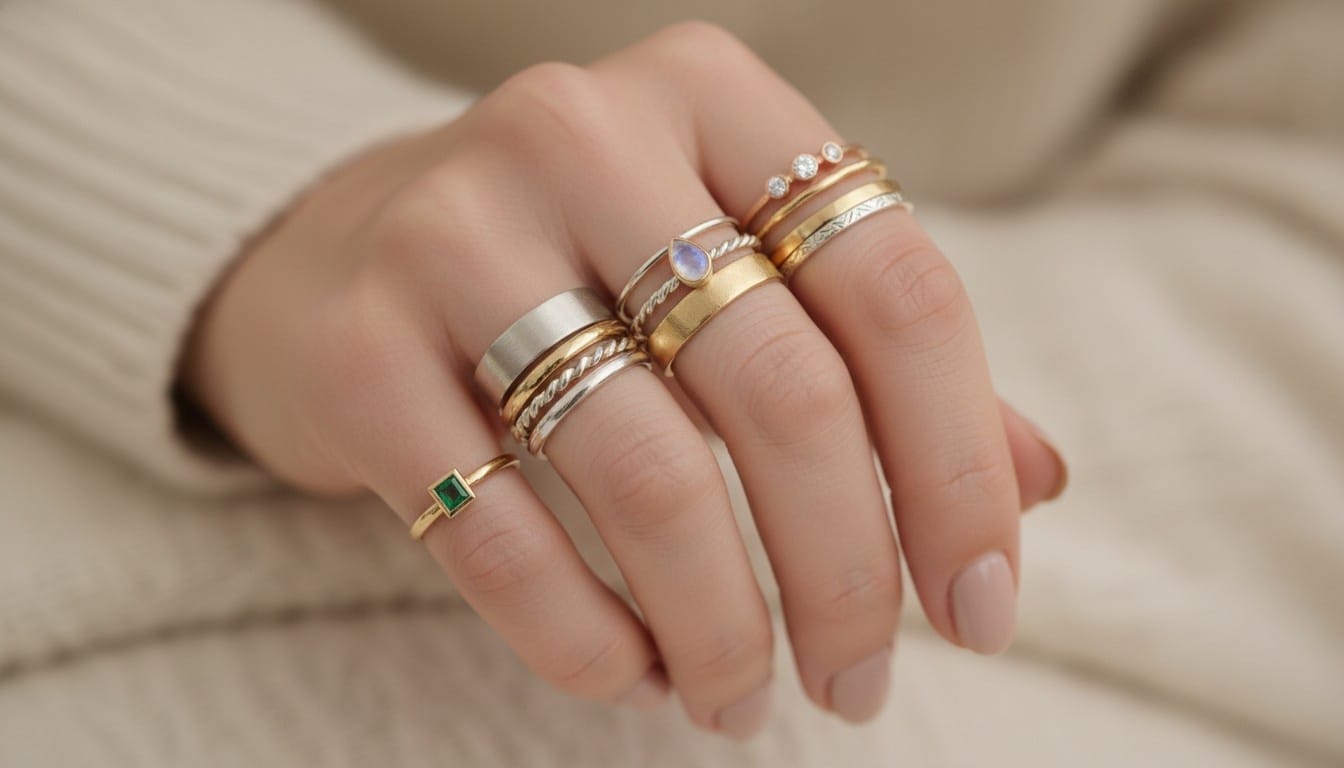
The Indian woman hasn't stopped loving jewelry; she has just become smarter about it. She values comfort, safety, and versatility over weight and tradition. The heavy pieces are still cherished, but they stay in the bank locker, waiting for a cousin's wedding. For daily life, the mantra is "light, bright, and simple." With 86% of Indian consumers viewing gold and jewelry as preferred wealth creation instruments, the market continues to blend tradition with innovation.
Where to Find Modern, Authentic Jewelry?
If you are looking to upgrade your collection with pieces that fit this modern lifestyle, check out Eternz.
- Try Before You Buy: Unsure how a necklace will look on you? Use their Virtual Try-On feature to see it on yourself instantly using your phone camera.
- Authenticity: Every piece comes with an authenticity certification, so you know you are buying genuine quality (whether it's silver, gold, or diamond).
- Why Eternz? They curate jewelry from 250+ trusted brands.

Special Offer: Start your modern jewelry journey today. Use code WELCOME10 for a discount on your first order.
Shop smarter, wear lighter, and shine brighter.
Frequently Asked Questions
1. Why have traditional daily jewelry habits changed for Indian women?
The shift is driven by changing lifestyles, higher workplace participation, safety concerns in crowded cities, rising gold prices at around ₹1,40,000 per 10 grams in 2026, and the growing influence of global minimalist fashion trends.
2. Which traditional jewelry items are Indian women wearing less often for daily use?
Items worn less frequently include glass bangles, heavy gold necklaces, long mangalsutras, heavy silver anklets with bells, large toe rings, and armlets.
3. What types of jewelry are modern Indian women choosing for daily wear instead?
Women increasingly prefer lightweight gold chains, demi fine jewelry, sleek metal bangles, office friendly mangalsutras, silent anklets, and comfort fit toe rings that balance practicality with modern style.
4. What are the main reasons women avoid heavy gold jewelry for daily use?
The key reasons are record high gold prices, which increase financial risk, and growing concerns about chain snatching and theft in public spaces.