How to Choose the Right Bracelet for Your Style and Wrist Size
Learn how to choose the right bracelet for your wrist size and personal style. Find the perfect fit with our guide on measurements and materials.
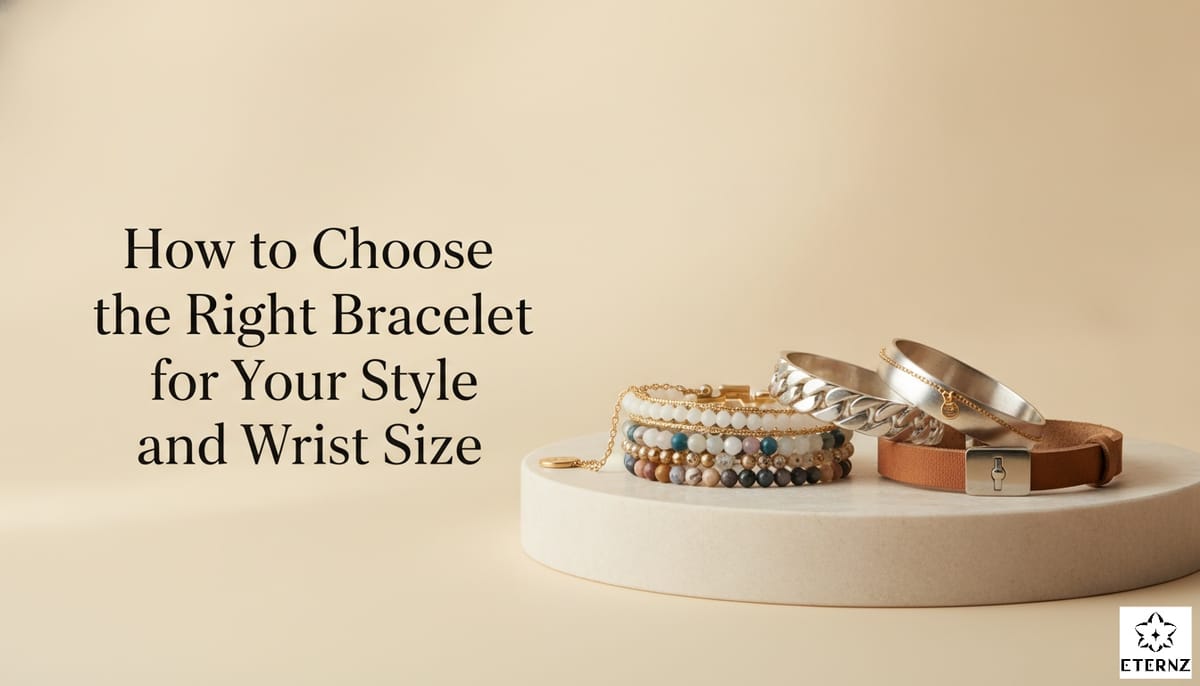
Choosing a bracelet that looks great starts with knowing your wrist size and your personal fashion taste. You need a piece that fits comfortably without sliding off or pinching your skin. When you know how to choose the right bracelet for your specific build, you can turn a simple outfit into something special.
Measuring Your Wrist for the Perfect Fit
You find the best fit by measuring the widest part of your wrist with a soft tape measure. Most people should add about half an inch to one inch to this measurement to ensure the bracelet can move slightly. This extra space prevents the jewelry from feeling like it is squeezing your arm.
To get the right numbers, follow these simple steps:
- Find a flexible measuring tape or a piece of plain string.
- Wrap the tape or string just below your wrist bone, which is where a watch usually sits.
- Mark the spot where the ends meet and lay it flat against a ruler.
- Write down the exact number so you do not forget it when shopping.
If you are buying a gift and cannot measure the person, you can use general size guides. Most women have a wrist size between 6 and 7 inches. Most men have a wrist size between 7 and 8 inches — browse men's bracelets sized and styled specifically for broader wrists. Knowing these averages helps you narrow down your choices when you are in a hurry.
| Wrist Category | Measurement (Inches) | Recommended Bracelet Size |
|---|---|---|
| Extra Small | 5.5 to 6.0 | 6.5 inches |
| Small | 6.0 to 6.5 | 7.0 inches |
| Medium | 6.5 to 7.0 | 7.5 inches |
| Large | 7.0 to 7.5 | 8.0 inches |
| Extra Large | 7.5 to 8.0 | 8.5 inches |
How Much Extra Space Do You Need?
The amount of extra space you add depends on how you want the jewelry to feel on your skin. A "snug fit" only adds about a quarter inch, while a "loose fit" might add a full inch. If the bracelet is too tight, it will leave marks on your skin and feel itchy. If it is too loose, it might slide down to your palm and get in the way when you are typing or eating.
Matching Bracelet Width to Your Body Type
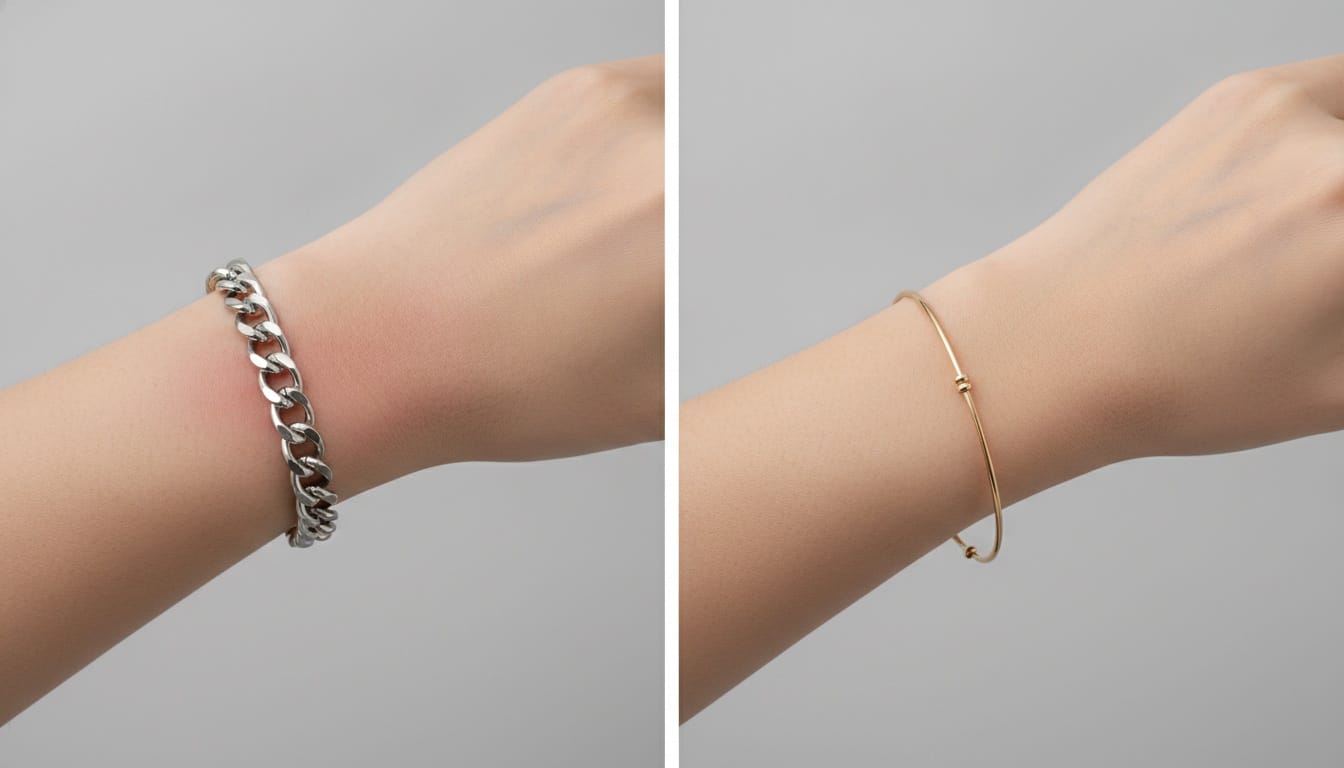
The secret to a good look is balance, which means matching the thickness of the bracelet to the size of your arm. Thin bracelets usually look best on small wrists, while thick, chunky statement bracelets look best on larger wrists. If a tiny chain is put on a very large arm, it might look like it is disappearing or look too delicate for the person.
Here is how to think about proportions:
- Small Wrists: Stick to thin chains, delicate flexible bracelets, or small beads. These pieces make your arm look elegant without overwhelming it.
- Medium Wrists: You can wear almost anything. Medium-sized cuff bracelets or leather bands are often the best choice for this middle ground.
- Large Wrists: Go for bold pieces. Thick leather straps, heavy metal chain-link bracelets, or wide cuffs will stand out and look natural on your arm.
Think of it like choosing a hat. A tiny hat on a giant head looks silly, and a giant hat on a small child looks like a costume. You want your jewelry to look like it was made specifically for your body shape.
| Body Build | Wrist Bone Visibility | Best Bracelet Width |
|---|---|---|
| Slender | Very prominent | 2mm to 5mm |
| Athletic | Slightly visible | 5mm to 10mm |
| Broad | Hardly visible | 10mm or wider |
Choosing the Right Bracelet Style for Your Lifestyle
Your daily activities should determine which style of bracelet you wear most often. If you work with your hands or type on a computer all day, a heavy, clanking bangle might be annoying. For people who stay active, flexible bracelets in soft materials like leather or silicone are often more comfortable than hard metals.
Bangles and Cuffs
Bangles are solid circles that you slide over your hand. They usually do not have a clasp. Cuffs are similar but have a small opening, so you can press them onto your wrist from the side.
- Bangles: These are great for making noise and catching light. They work well for parties or fancy dinners. Explore stackable bangles and hinge bangles for easy on-and-off wear. For gold options, browse gold bangles; for silver, see silver bangles.
- Cuffs: These stay in one place better than bangles. They are perfect if you want a bold, "superhero" look that feels sturdy. Statement bangles and band bangles are both great options in this category.
Chain and Link Bracelets
These are made of metal loops connected together. They are very flexible and move easily with your arm. Because they are soft, they are usually the most comfortable choice for long days at the office.
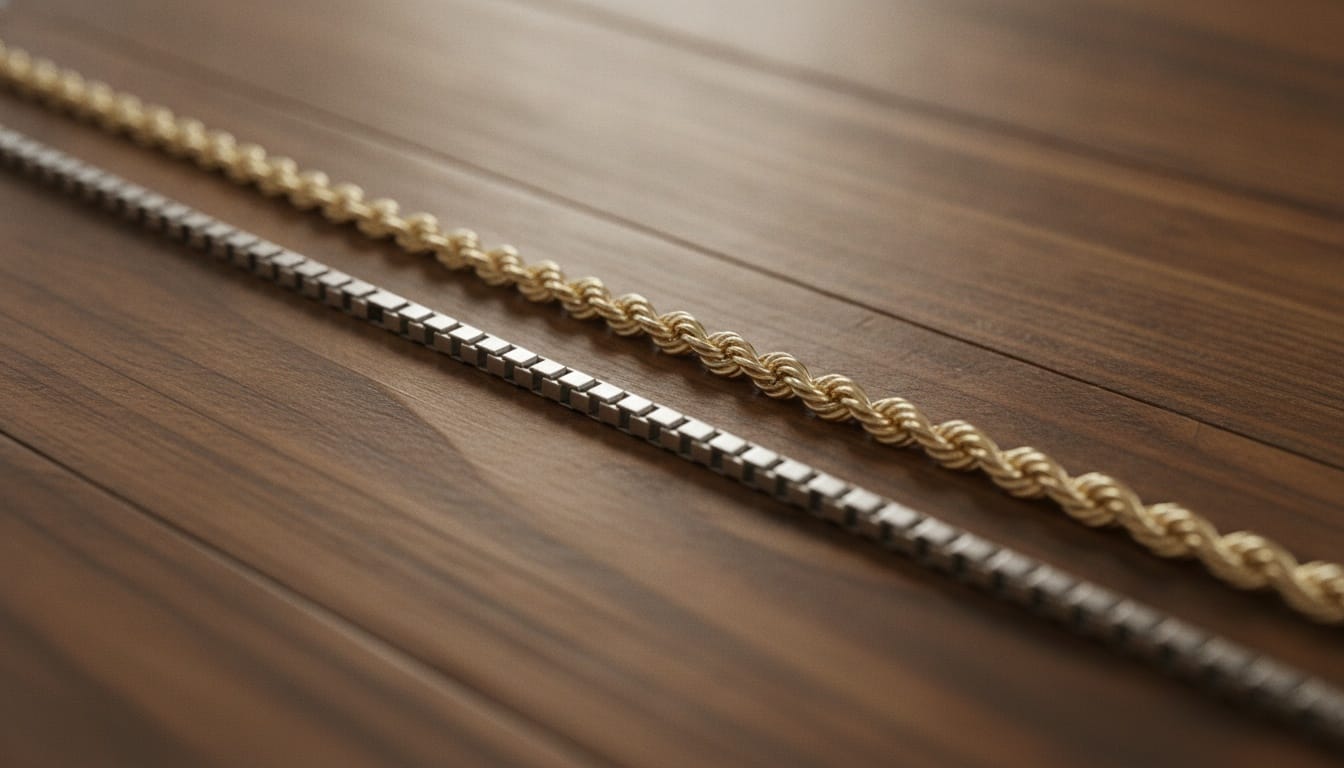
- Box Chains: These look like small squares and are very strong. Find them in our chain-link bracelet collection.
- Curb Chains: These have flat links and feel smooth against the skin.
- Rope Chains: These look like twisted metal and add a lot of texture to your outfit.
Understanding Bracelet Materials
The material of your bracelet affects how long it lasts and how it feels against your skin. Metals like gold and silver are classic and last a lifetime, while materials like leather and beads are more relaxed. You should choose a material that matches the colors you usually wear and the places you usually go.
Precious Metals
Gold, silver, and platinum are the top choices for jewelry. They do not rust, and they keep their value over time.
- Gold: Comes in yellow, white, and rose colors. It is warm and traditional. Browse the full gold bracelets collection for options across all budgets.
- Sterling Silver: It is bright and shiny but can turn dark if you do not clean it. It is usually more affordable than gold. Explore silver bracelets for a wide range of everyday and gifting styles — including this curated list of the best minimal silver bracelets under ₹3000.
- Stainless Steel: This is very tough and does not scratch easily. It is a great choice for people who are rough on their jewelry.
Natural Materials
If you want a more "earthy" or casual vibe, look for materials that come from nature. These often feel lighter and "warmer" than cold metal.
- Leather: Great for a rugged look. It gets softer and better-looking the more you wear it.
- Wood Beads: These are very light. They are often used for spiritual or relaxed styles. See our beaded bracelet collection for a full range.
- Stone Beads: These can be heavy and cool to the touch. They come in every color of the rainbow.
| Material | Durability | Best Occasion | Care Level |
|---|---|---|---|
| Gold | High | Formal/Daily | Low |
| Silver | Medium | Any | High |
| Leather | Medium | Casual | Moderate |
| Wood | Low | Summer/Beach | Low |
Styling and Layering Your Bracelets
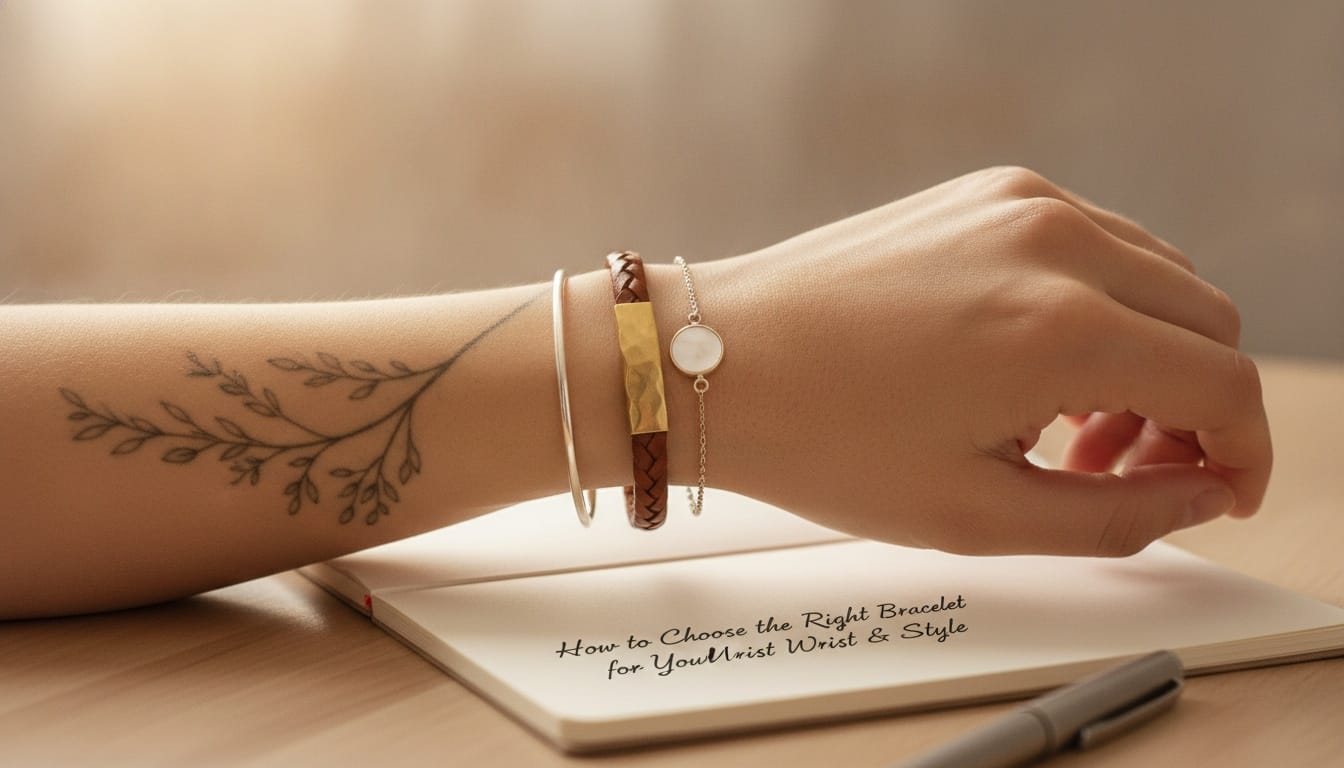
Stacking multiple bracelets on one arm is a popular way to show off your personality. To do this well, you should mix different textures and sizes so the stack does not look boring. A good rule is to pick one "main" piece and add two or three smaller pieces around it. For a detailed breakdown of how to do this without the common missteps, read this guide on how to style bracelets and watches without looking messy.
Follow these tips for a perfect stack:
- Mix Materials: Put a beaded bracelet next to a metal chain for a cool contrast.
- Vary the Widths: Use one wide cuff and two thin cords to keep the eye moving.
- Keep the Colors Similar: If you wear a silver watch, try to use silver bracelets or black pieces to match.
- Watch the Weight: Do not put so many bracelets on that your arm feels heavy or you cannot move your wrist. Flexible bracelets are a great lightweight option when stacking multiple pieces.
The "Unique Angle": The Sensory Check
Most people only look at how a bracelet looks in the mirror. However, a "Pro-Tip" for long-term happiness is to perform a sensory check. A bracelet stays on your body for hours, so it must feel good.
Before you buy, ask yourself these questions:
- Does it make a loud "clinking" sound every time I move? (This might bother you at work).
- Does it have sharp edges that catch on my favorite sweater?
- Is it heavy enough to make my arm tired after four hours?
A bracelet that looks beautiful but feels annoying will eventually just sit in your jewelry box. Always prioritize how the item interacts with your clothes and your daily movements.
Matching Your Bracelet to the Occasion
You would not wear flip-flops to a wedding, and you should think about your bracelets the same way. Some styles are "loud" and meant for fun, while others are "quiet" and meant for serious business. Matching your jewelry to the event shows that you have good taste and respect the environment you are in.
Work and Professional Settings
In an office, you want something that does not distract you or your coworkers. Avoid statement bangles that jingle when you type. Instead, choose a single, high-quality chain bracelet or a slim slider bracelet. This adds a touch of style without being "too much."
Casual Weekends
This is the time to experiment. You can wear colorful beaded bracelets, thick leather wraps, or fabric cords. These materials look great with jeans, t-shirts, and sneakers. You do not have to worry about looking too formal, so feel free to stack several pieces together. A popular everyday pick is an evil eye bracelet under ₹2000 — meaningful, colorful, and easy to stack.
Formal Events
For weddings, galas, or fancy dinners, stick to precious metals. A thin gold bracelet or a diamond tennis bracelet is a perfect choice. The goal here is to add a bit of sparkle that complements your suit or dress rather than competing with it. If you are attending as a bride or gifting for a wedding, also consider a bracelet mangalsutra — a modern format that blends tradition with wearable everyday elegance.
Common Mistakes to Avoid
Many people buy jewelry that they never end up wearing because they make a few simple errors. Avoiding these mistakes will save you money and ensure you always look your best.
- Buying the Wrong Size: Never guess your wrist size. A bracelet that is too small is uncomfortable, and one that is too large will eventually fall off and get lost. Use the size chart above to get it right.
- Ignoring Skin Sensitivity: If your skin turns green or gets itchy, you might be allergic to nickel. Stick to high-quality sterling silver bracelets or 14k gold bracelets.
- Over-Accessorizing: You do not need a bracelet on every finger and both wrists. Pick one arm to be the "focus" and leave the other arm simple or empty.
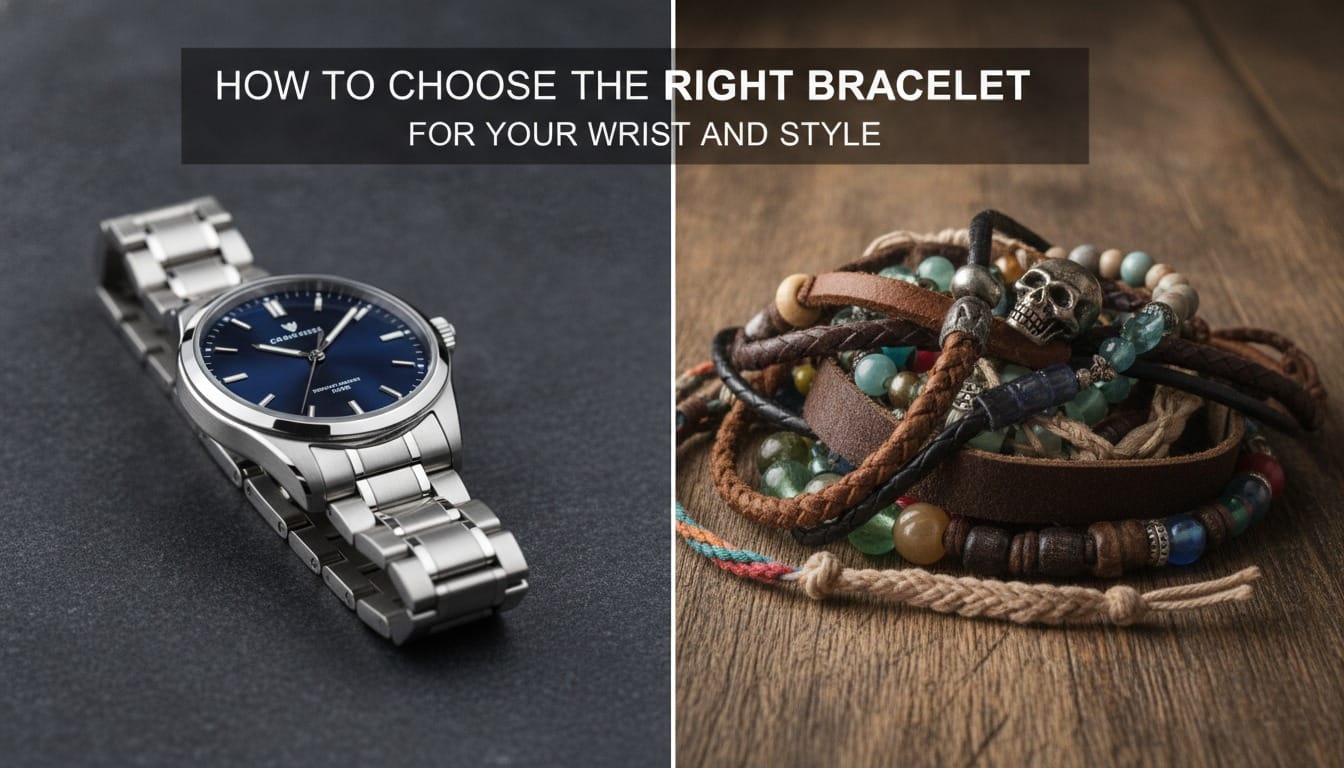
- Clashing with Your Watch: If you wear a watch, your bracelet should "talk" to it. A giant, colorful beaded bracelet might look strange next to a sleek, formal silver watch. See the full guide on styling bracelets and watches without looking messy for practical pairing advice.
| Mistake | Why It Happens | How to Fix It |
|---|---|---|
| Green Skin | Cheap metals (Nickel) | Buy "Hypoallergenic" or real Gold/Silver |
| Lost Bracelet | Loose clasp or too big | Check the lock and measure your wrist |
| Tangled Chains | Wearing too many thin pieces | Mix a thick piece with a thin piece |
How to Care for Your Bracelets
To keep your jewelry looking new, you need to clean it and store it correctly. Dirt, sweat, and lotions can build up on the surface and make the metal look dull or the leather smell bad.
- Metals: Wipe them down with a soft cloth after wearing. Every few months, use a tiny bit of dish soap and warm water to scrub away grime. This applies to both gold and silver bracelets.
- Leather: Keep it dry. If leather gets wet, it can crack or grow mold. Use a leather conditioner once a year to keep it soft.
- Beads: Be careful with perfumes and hairsprays. The chemicals in these sprays can strip the color off the beaded bracelets or make them brittle.
Store your bracelets in a dry place, preferably in a soft pouch or a lined jewelry box. This prevents them from scratching each other and keeps them away from moisture in the air.
Finding Your Personal Bracelet Style
At the end of the day, the best bracelet is the one that makes you feel confident. While rules about wrist size and metal types are helpful, your personal preference is the most important factor. If you love a piece of jewelry, you will wear it with a smile, and that is what makes any accessory look good.
Try different styles to see what feels like "you." Maybe you like the weight of a heavy kada, or perhaps you prefer the light feeling of a slider bracelet. Use this guide as a starting point, but do not be afraid to break the rules once you understand the basics of fit and proportion. If you are shopping for someone else, the perfect minimal silver bracelet gift guide under ₹3000 is a great place to start.
Choosing a bracelet is a simple way to express who you are without saying a word. By measuring your wrist, picking the right materials, and matching the occasion, you ensure that your jewelry is a perfect fit for both your body and your life. Browse the full bracelet collection on Eternz to find your perfect match across every style, material, and budget.
Frequently Asked Questions
1. How do I measure my wrist for a bracelet?
Use a soft measuring tape or string just below the wrist bone. Mark where the ends meet and add half an inch to one inch for a comfortable fit.
2. What is the best bracelet width for a thin wrist?
For thin wrists, choose delicate pieces like thin chains or small flexible bracelets between 2mm and 5mm. These proportions complement your build without overwhelming your arm.
3. How many bracelets should I wear at once?
A stylish stack usually includes three to four pieces. Mix different textures and widths, like a beaded bracelet with a metal chain, to create a balanced and interesting look.
4. How loose should a bracelet be?
A well fitted bracelet should have roughly a one finger gap between the jewelry and your skin. This ensures it moves comfortably without sliding down to your palm.