Ganesh Chaturthi Jewellery & Idol Buying Guide 2026
Know what to buy for Ganesh Chaturthi with simple tips on gold, silver, Ganesh idols, purity, trunk direction, placement, Visarjan and festive gifts.
Walking into a jewelry store before Ganesh Chaturthi can feel overwhelming. You see rows of shiny gold coins, shelves of silver idols, and cases full of festive jewelry. Every seller tells you something different about purity stamps, idol posture, and festival rituals.
Making the wrong choice can cost you real money. You might buy an idol that is too big for your puja shelf, or you might pay solid metal prices for a silver-plated brass piece. Many families also wonder if buying a tiny gold coin is smarter than buying a large silver idol for their home.
This complete ganesh chaturthi jewellery & idol buying guide explains every single buying decision in plain words. You will learn how to choose between gold and silver, how to verify official purity marks, how to pick the right idol trunk direction, and how to select gifts your family will truly love.
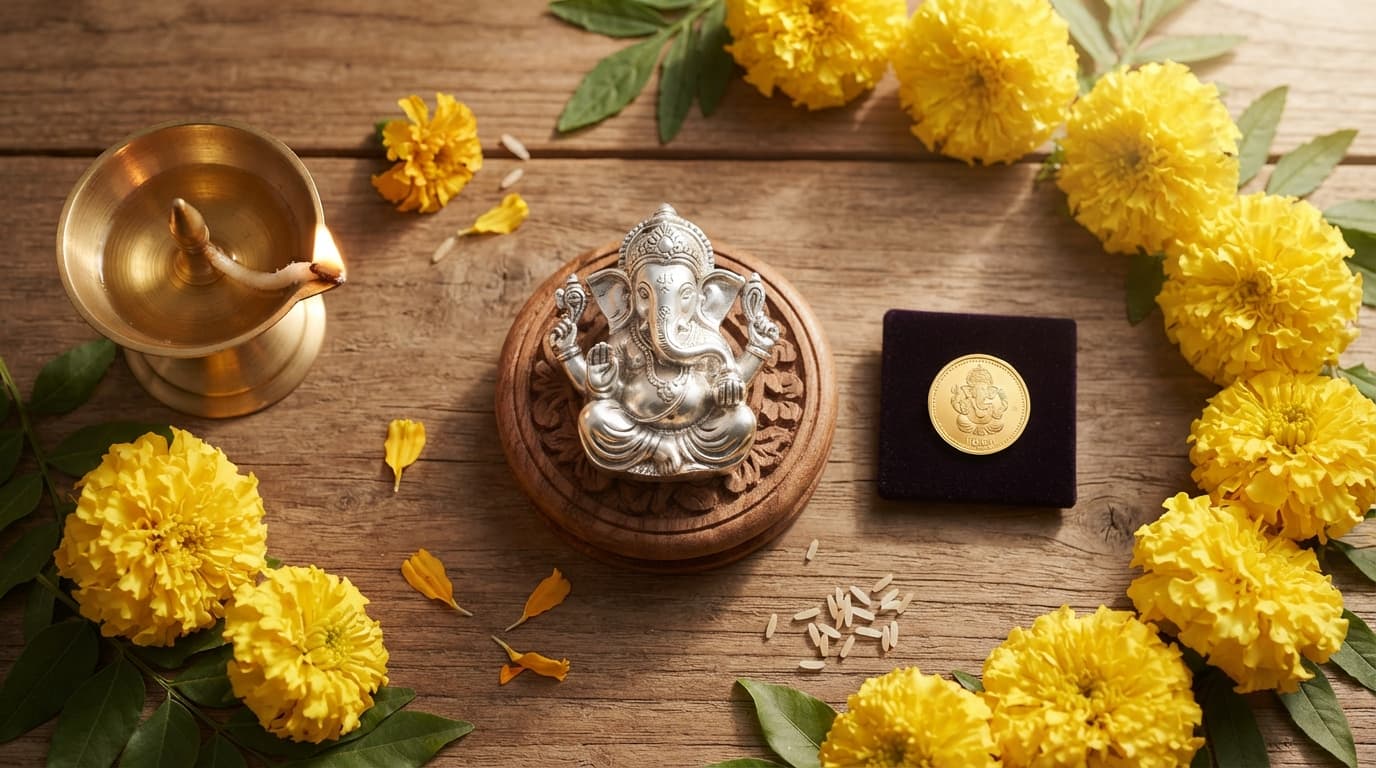
So, Buying sacred metal during this festival is not about spending the most money. It is about matching the metal, weight, and design to how you plan to use it at home every day.
Table of Contents
- Quick Buying Summary for Ganesh Chaturthi
- Why Buying Gold or Silver on Ganesh Chaturthi Is Considered Auspicious
- Silver Idol or Gold Idol: Which One Should You Bring Home
- Choosing the Right Ganesh Idol: Size, Posture and Placement
- Checking Purity: Making Sure Your Silver Ganesh Idol Is Genuine
- Idol or Coin: 1-Gram Gold Coin vs. Silver Ganesh Idol
- Do You Need to Immerse a Metal Ganesh Idol? Visarjan Explained
- Best Ganesh Chaturthi Jewellery Gifts for Family and Friends
- Ganesh Chaturthi Gifts Kids Will Actually Wear
- Further Reading: The Same Gold-or-Silver Question, Different Festival
- Conclusion
- FAQ
Ganesh Chaturthi 2026 falls on Monday, 14 September, marking the start of an eleven-day celebration that runs through to Visarjan on 25 September. If you're buying an idol or jewellery for the festival for the first time, or you've always bought whatever your local shop had in stock and want to actually understand what you're choosing between, this guide walks through every real decision: gold or silver, what size and posture, how to check you're actually getting what you paid for, whether that idol needs to go into a river afterward, and what's worth gifting beyond the idol itself.
Quick Buying Summary for Ganesh Chaturthi
If you want a fast answer before you head to the shop, here is the basic rule to follow. Silver is the best pick for home idols because it gives you a larger, well-crafted piece within a normal budget. Gold is the better choice for small investment coins, fine chains, or lightweight pendants.
Solid metal idols stay in your home shrine permanently and never go into a river. If you plan to buy a silver idol, look for a 925 or 999 purity mark with a verified Bureau of Indian Standards (BIS) code. For home worship, pick a seated idol with the trunk turned toward the left side.
| Purchase Type | Best Metal | Best Purity | Typical Weight | Best Used For |
|---|---|---|---|---|
| Main Home Idol | Solid Silver | 925 Sterling or 999 Fine | 50g to 250g | Permanent daily home puja |
| Festival Investment | Yellow Gold | 24 Karat (999 Purity) | 1g to 10g | Wealth storage and resale |
| Daily Wear Gift | 18K or 22K Gold | 750 or 916 Hallmarked | 2g to 6g | Pendants and rings for family |
| Kids Festival Gift | Silver or 14K Gold | 925 Silver or 585 Gold | 3g to 8g | Smooth kadas and simple chains |
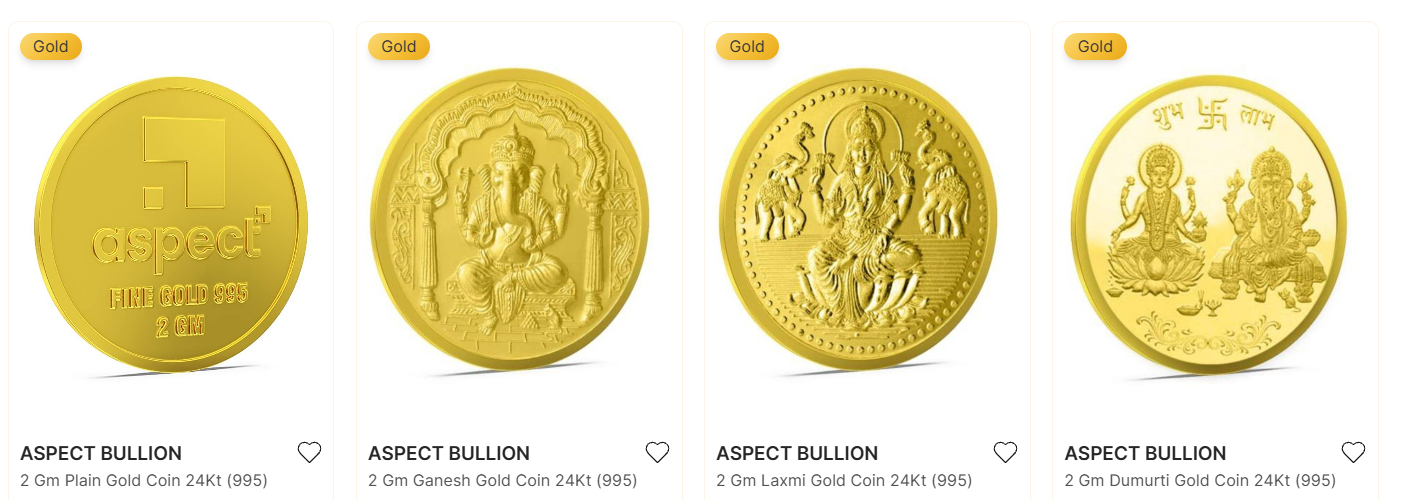
Before we start, let me tell you about Eternz, a trusted jewellery marketplace featuring 400+ jewellery brands, with authenticity certification on every piece and fast, same-day delivery in major cities. First-time users can also save with ETERNZ5 for up to ₹50 off on ₹499+, ETERNZ10 for up to ₹100 off on ₹999+, or ETERNZ300 for up to ₹300 off on ₹2,500+, valid on both the app and website.
Why Buying Gold or Silver on Ganesh Chaturthi Is Considered Auspicious
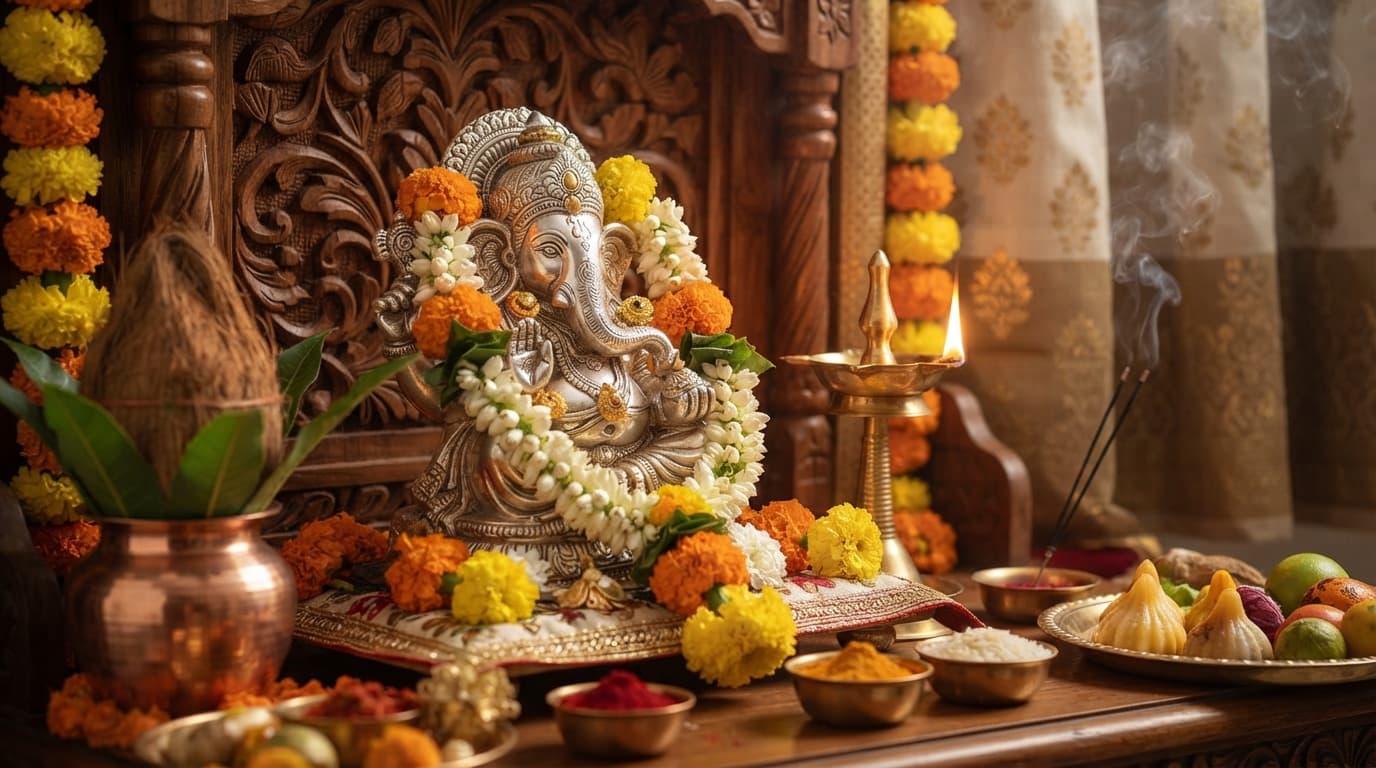
Bringing precious metals home during Ganesh Chaturthi is a beloved tradition across millions of homes. Lord Ganesha represents wisdom, good fortune, and the removal of life obstacles. People welcome precious metals into their home to invite positive energy and mark a fresh start for family ventures.
The Deeper Meaning of New Beginnings
In Indian tradition, Lord Ganesha is always worshipped first before starting any new business, building a house, or making a major life move. Buying precious metal during his festival connects your money to this spirit of fresh beginnings. It is an active way of asking for smooth progress in your career and family life.
Gold and silver also carry deep symbolic value. Gold represents the warmth of the sun, steady energy, and growing wealth. Silver represents calmness, mental peace, and spiritual purity. Bringing either metal home during the festival serves as a physical reminder of these qualities.
Why This Festival Grew Far Beyond a Home Ritual
Ganesh Chaturthi began as a private family ritual centered around quiet prayers at home. In 1893, the Indian leader Bal Gangadhar Tilak transformed it into a public community event. He used the festival to bring people from all backgrounds together in shared public spaces.
This history explains why the festival is celebrated with so much community joy today. People visit pandals, share sweets, and buy new festive clothes and jewelry. Giving jewelry gifts during this week has become a natural way to share blessings with relatives, neighbors, and friends.
Regional Traditions and How Families Celebrate
Different regions celebrate this festival with unique local customs:
- Maharashtra: Families bring clay idols home for one to ten days and prepare sweet modaks. Many buy small gold coins or silver puja items on the first day.
- Karnataka and Tamil Nadu: The festival is celebrated as Gowri Ganesha. Devotees honor Goddess Gowri the day before welcoming Lord Ganesha. Families often buy silver lamps and silver coins for Gowri puja.
- Goa: Known locally as Chavath, families return to ancestral homes. They buy silver idols and silver puja plates to use across generations.
- Andhra Pradesh and Telangana: Massive community idols are set up across towns. Households often buy gold Ganesha pendants and rings during this week.
Do you know? Public Ganesh pandals were popularized in Pune in 1893. Today, Ganesh Chaturthi is celebrated by millions across India and in global cities like London, Toronto, and Singapore.
Silver Idol or Gold Idol: Which One Should You Bring Home
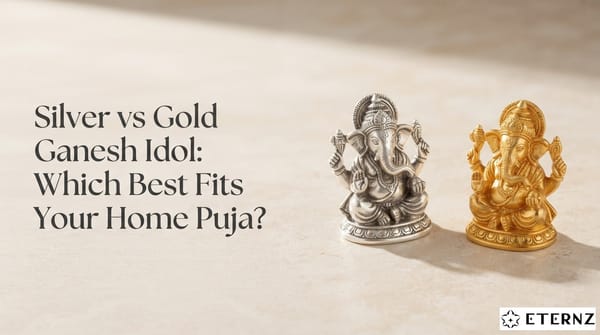
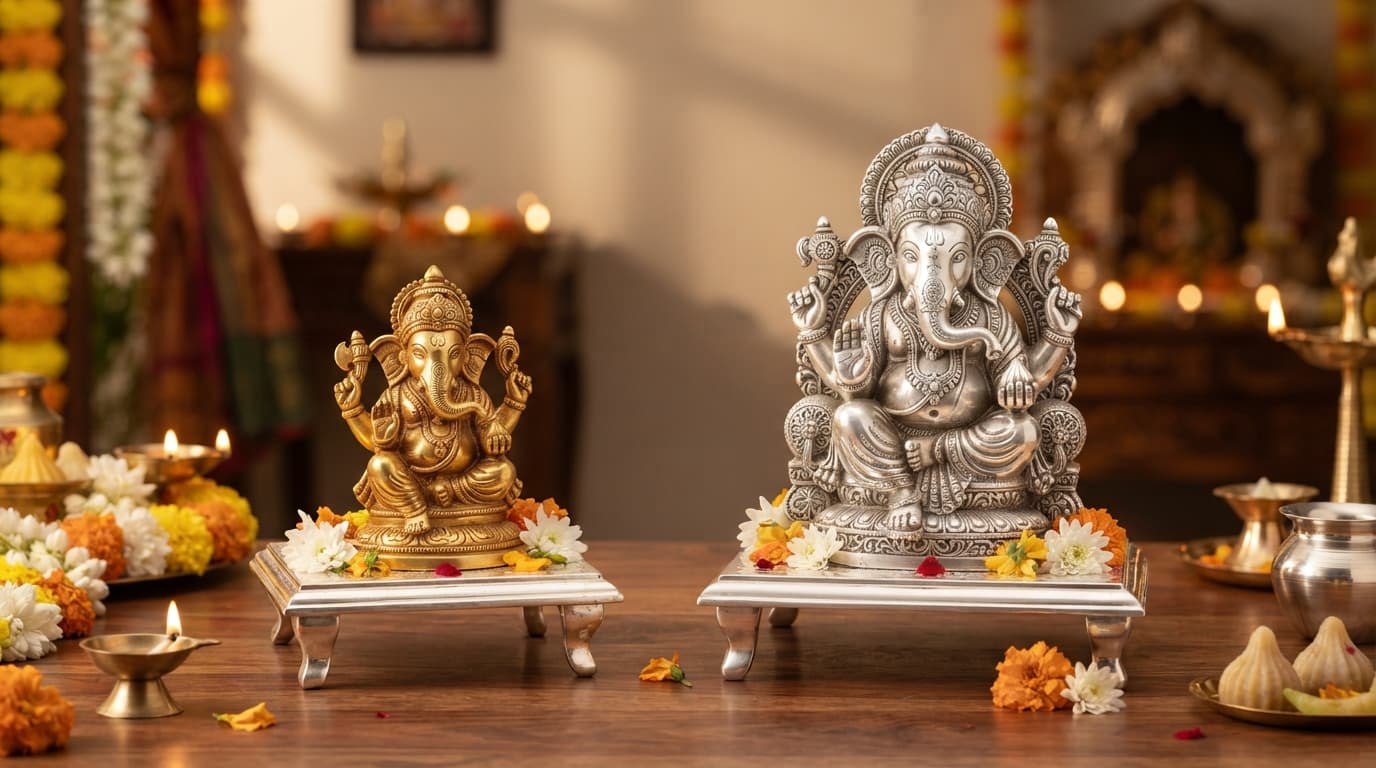
Choosing between a ganesh chaturthi gold idol and a silver ganesh idol depends on your budget, your puja space, and your long-term goals. Both metals are spiritually sacred, but they serve very different everyday needs.
What Each Metal Actually Signals
Gold looks warm, rich, and regal. It fits naturally with the bright marigolds, red cloth, and glowing lamps used in festival decorations. Gold also holds clear resale and exchange value in every jewelry store in India.
Silver looks clean, bright, and calm. It brings a peaceful look to your home temple and stays cool during long puja rituals. Silver is also much more affordable per gram, making it the most popular metal for solid home idols.
The Budget Reality and Weight Math
Idols need real physical volume to look balanced. Unlike a flat pendant, an idol has a solid base, four arms, large ears, and folded clothing. All of these features add weight very quickly.
A solid gold idol that is three inches tall can easily weigh 80 to 150 grams. At current market rates, that single piece could cost several lakhs of rupees. A solid silver idol of the exact same size costs a small fraction of that price. That is why most families buy a silver idol for their altar and choose a small gold coin or pendant for investment.
Comparing Gold and Silver Idols Side by Side
| Feature | Silver Ganesh Idol | Gold Ganesh Idol |
|---|---|---|
| Material Cost | Highly affordable per gram | High value per gram |
| Idol Size for Same Budget | Large, detailed centerpiece (3 to 6 inches) | Very compact or miniature (0.5 to 1.5 inches) |
| Daily Handling Durability | Very tough (especially in 925 sterling) | Soft in pure 24K; needs care to avoid dents |
| Resale Focus | Kept permanently as family heirloom | Easily liquidated or exchanged by weight |
| Maintenance Need | Needs light cleaning to remove tarnish | Does not tarnish; needs only light dusting |
A Quick Way to Decide on Your Purchase
Use these simple pointers to make your final choice:
- Choose a silver idol if you want a substantial, clearly visible figure for your home temple shelf without spending a huge amount.
- Choose a silver idol if you plan to touch, wash, and apply chandan to the piece during regular daily prayers.
- Choose a gold idol if your family has a strict tradition of gold home deities and you want an asset that can be passed down as high-value wealth.
- Choose a gold coin or pendant instead if you want to buy gold within a moderate budget without settling for a microscopic idol.
Choosing the Right Ganesh Idol: Size, Posture, and Placement
Buying an idol is not just about metal purity. The posture of Lord Ganesha, the direction of his trunk, and where you set up the altar at home all carry deep meaning in traditional Vastu and puja practice.
Understanding Trunk Direction: Left vs Right
The direction the trunk curves is the most critical detail to check before you buy:
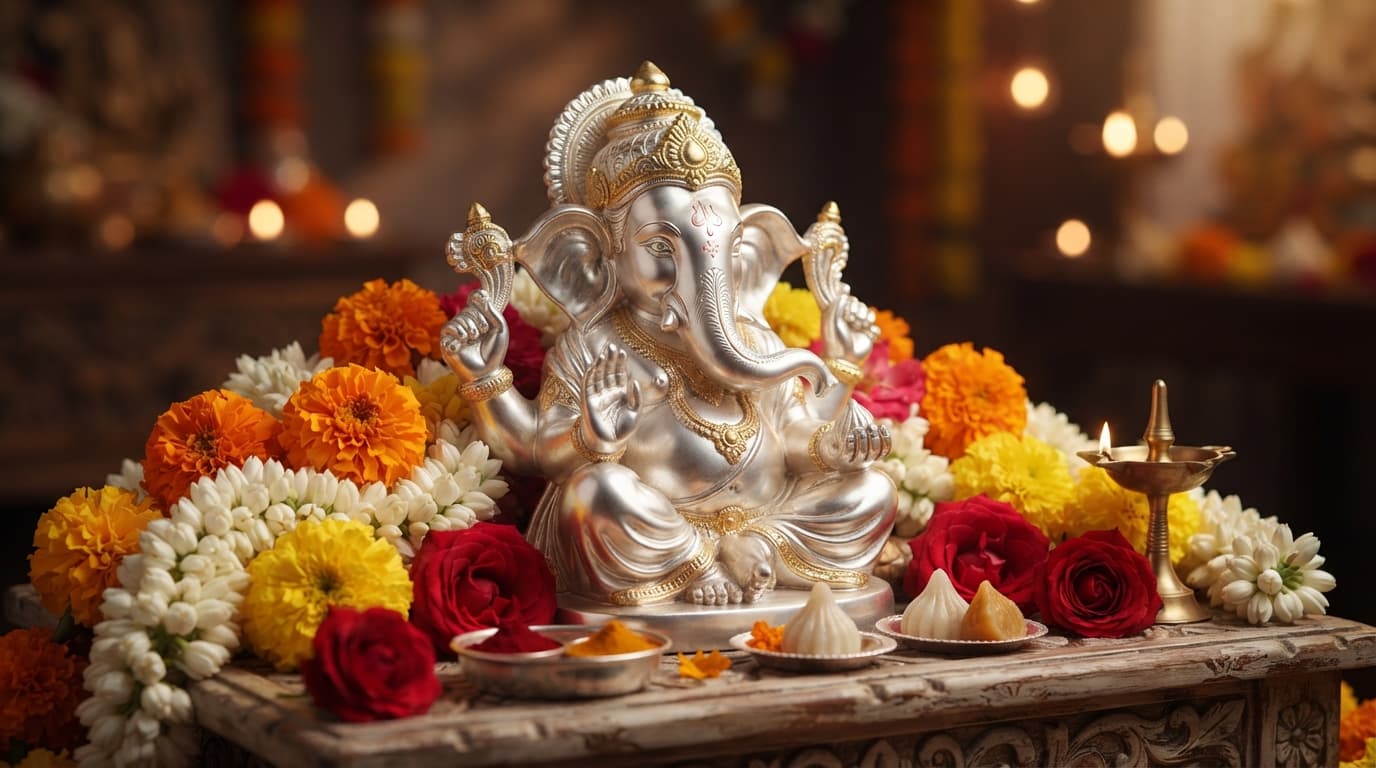
- Left-Curving Trunk (Vamamukhi): This is the ideal form for home worship. The left side represents the moon channel (Ida Nadi), which stands for peace, cool energy, and family bliss. This form is gentle and does not require strict, complex temple rituals.
- Right-Curving Trunk (Dakshinabhimukhi): This form represents the sun channel (Pingala Nadi) and fiery energy. It is also known as the Siddhi Vinayak form. It requires strict daily rituals, exact puja timings, and formal rules. It is best suited for temples rather than busy modern apartments.
- Straight Trunk: A trunk pointing straight down or curled up at the center is a modern artistic style. It is great for home decor, car dashboards, and gifts, but left-facing remains the top choice for formal puja.
Left-Curving Trunk (Vamamukhi) —> Best for Home Puja (Gentle, Peaceful, Easy Rituals)
Right-Curving Trunk (Siddhi) —> Best for Temples (Strict Rituals, Fiery Energy)
Straight or Lifted Trunk —> Best for Modern Decor, Dashboards, and Casual Gifts
Common Postures and What They Represent
The physical posture of the idol sets the mood for your sacred space:
- Seated Ganesha (Lalitasana): The deity sits calmly with one leg folded on a lotus or throne. This represents stable wealth, calm thinking, and peace in the household. It is the gold standard for home worship.
- Standing Ganesha (Abhanga): This posture shows action, focus, and dynamic strength. It is commonly placed in offices, business reception areas, and commercial workplaces.
- Dancing Ganesha (Nritya Ganesha): This energetic form shows joy, artistry, and creative power. It makes a wonderful gift for artists, dancers, and creative studios, but is rarely used for primary daily prayers.
Sizing the Idol for Your Home Space
Measure your home altar before shopping. An idol should look balanced inside your space, not cramped or lost in a corner.
- For Small Apartment Mandirs (Under 18 inches high): Choose an idol between 1.5 inches and 3 inches tall. This leaves plenty of room for your diya, bell, and offering bowls.
- For Medium Home Temples (2 to 3 feet high): Choose an idol between 3 inches and 6 inches tall. It provides a solid focal point without crowding the shelf.
- Clearance Rule: Always leave at least two inches of open space on all sides of the idol. You need clean room to offer flowers, light incenses, and place prasad without knocking the idol over.
Where to Place It at Home and Rules to Avoid
Follow these core placement rules to keep your home altar harmonious:
- Best Direction: Place the idol in the Northeast corner of your home, known as the Ishan corner. If that is not possible, the North or East wall is also very good.
- Facing Direction: The idol should face West or North. When you sit down to pray, you should ideally face East or North.
- Never Face South: Avoid placing the idol facing directly South, as traditional Vastu considers this direction unsuitable for peaceful deities.
- Spaces to Avoid: Never install a puja idol inside a bedroom, laundry area, bathroom, or underneath a staircase. Do not place the idol against a wall that shares plumbing with a bathroom.
Pro Tip: Before you pay for a metal idol, set it on a flat glass counter. Make sure the base is completely level and does not wobble when gently touched.
Checking Purity: Making Sure Your Silver Ganesh Idol Is Genuine
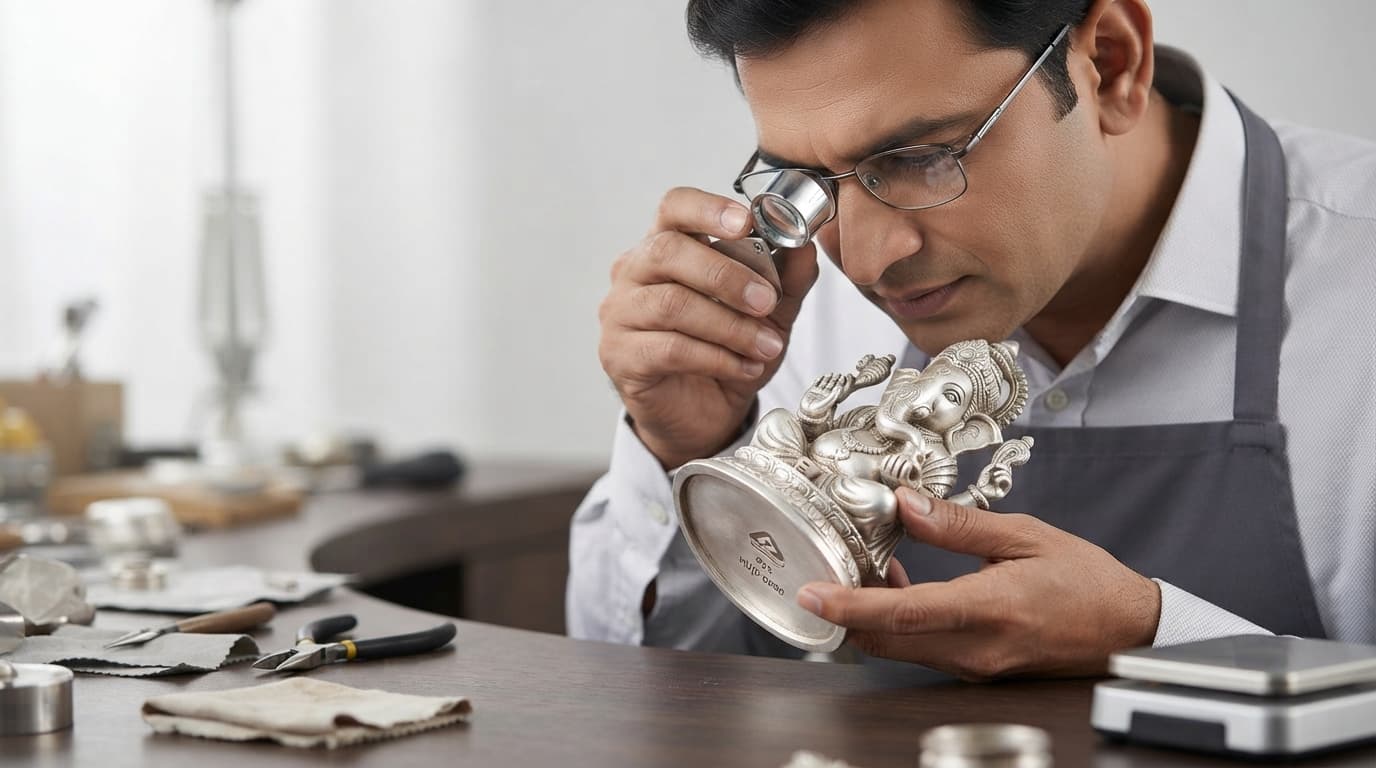
Metal idols are often kept for decades. That makes verifying the purity of your silver idol critical. A poor-quality purchase will peel, turn dark green, or lose its shape within a few years of regular puja.
What 925 and 999 Purity Marks Actually Mean
When shopping for silver items, understanding the difference between sterling silver and 925 silver helps clarify what the standard purity numbers stamped on genuine pieces mean:
- 999 Fine Silver (99.9% Pure): This is the purest silver available for retail buyers. It has a bright, soft white shine and will not turn green. Because pure silver is very soft, fine silver idols are often made slightly thicker or kept in solid molded forms.
- 925 Sterling Silver (92.5% Pure): This alloy contains 92.5% pure silver mixed with 7.5% copper or other metals for strength. Sterling silver allows craftsmen to create sharp facial details, distinct crowns, and delicate hand fingers that will not bend during daily cleaning.
BIS Hallmarking and How HUID Works for Silver
India uses a strict hallmarking system managed by the Bureau of Indian Standards (BIS). While silver hallmarking remains voluntary for some small sellers, top jewelers hallmark all their silver items.
From September 2025, BIS expanded the unique six-digit alphanumeric Hallmarking Unique Identification (HUID) standard for silver items under IS 2112:2025. Each HUID code is laser-etched onto the metal alongside the BIS triangle logo and purity number (like 925 or 999). You can open the official BIS Care mobile app on your smartphone, type in that six-digit code, and instantly verify the metal purity, manufacturer details, and testing center.
Official Silver Stamp Example: [ BIS Triangle Logo ] + [ Purity Mark: 925 or 999 ] + [ 6-Digit Alphanumeric HUID: AB1234 ]
Spotting Silver Plating Traps and Hollow Bases
Dishonest sellers sometimes use clever tricks to make cheap items seem heavy and valuable:
- Silver-Plated Brass or Resin: The core of the idol is cheap brass, white metal, or heavy resin covered with a microscopically thin layer of real silver. It looks real on day one, but the silver layer rubs off after a few months of washing, revealing yellow or gray metal underneath.
- Wax or Clay Filled Bases: The outer shell is real silver, but the hollow base is filled with black wax, pitch, or plaster to make it feel heavy on the weighing scale.
- The Weight Rule: Always demand a bill that clearly states the Net Silver Weight separately from any wax, stone, or base materials. You should only pay silver rates for actual pure metal.
Simple Tests You Can Do at Home
While an official hallmark is your best proof, you can run these simple checks right at your table:
- The Magnet Check: Pure silver and sterling silver are completely non-magnetic. If a strong magnet sticks to the idol, the piece has an iron or nickel core inside.
- The Ice Cube Test: Silver is one of the best heat conductors on Earth. Place a small ice cube on a flat silver surface. On real silver, the ice will begin melting immediately, far faster than it would on glass, ceramic, or brass.
- The Odor Test: Real silver has no distinct smell. If an idol smells metallic, sour, or like copper pipes when rubbed between your warm fingers, it has a very high base-metal content.
- Inspect the Underside: Turn the idol upside down. Look for smooth, clean metal joints. If the base has uneven sealant, plastic caps, or dark glue lines, the idol is likely filled with non-precious filler.
Idol or Coin: 1-Gram Gold Coin vs. Silver Ganesh Idol
Around festival time, many shoppers have a fixed budget of ten thousand to thirty thousand rupees. When analyzing whether to invest in gold coins or jewelry, they find themselves debating between a compact 1-gram gold coin and a beautiful, solid silver ganesh idol. Both choices have strong benefits.
What Each Option Does Best
A 1-gram gold coin is a pure savings tool. It comes sealed in hard tamper-proof plastic assay packaging that protects its 24-karat purity. It takes up no space in a home safe, and any jeweler in the country will buy it back at full market spot price when you need cash.
A silver Ganesh idol is a devotional object meant for daily life. You unpack it, place it on your mandir cloth, wash it with clean water, and look at it every morning during your prayers. Its value lies in bringing joy, beauty, and ritual focus to your household.
The Resale Value and Making Charges Reality
Understanding how jewelers price these two items prevents unpleasant surprises later:
- Gold Coins: Coins carry very low making charges (usually between 3% and 8%). When you resell a gold coin, you get back almost the entire raw market value of the gold.
- Silver Idols: Idols involve detailed casting, hand-polishing, and fine metalwork. Making charges can range from 15% to 35% of the total price. If you sell the idol back years later, jewelers will only pay for the raw silver melt weight, not the artisan labor you paid for upfront.
- The Rule of Intent: Buy gold coins if your primary goal is financial savings and easy resale. Buy silver idols if your primary goal is spiritual worship and a lasting family keepsake.
Why Many Families Choose to Buy Both
You do not have to pick one over the other if you balance your shopping list. Many smart households buy a modest silver idol (50 to 100 grams) to serve as their main festival deity, and add a single 1-gram gold coin to tuck away in their long-term safe. This approach gives you the full joy of festival rituals while steadily building your family gold reserves every year.
Do You Need to Immerse a Metal Ganesh Idol? Visarjan Explained
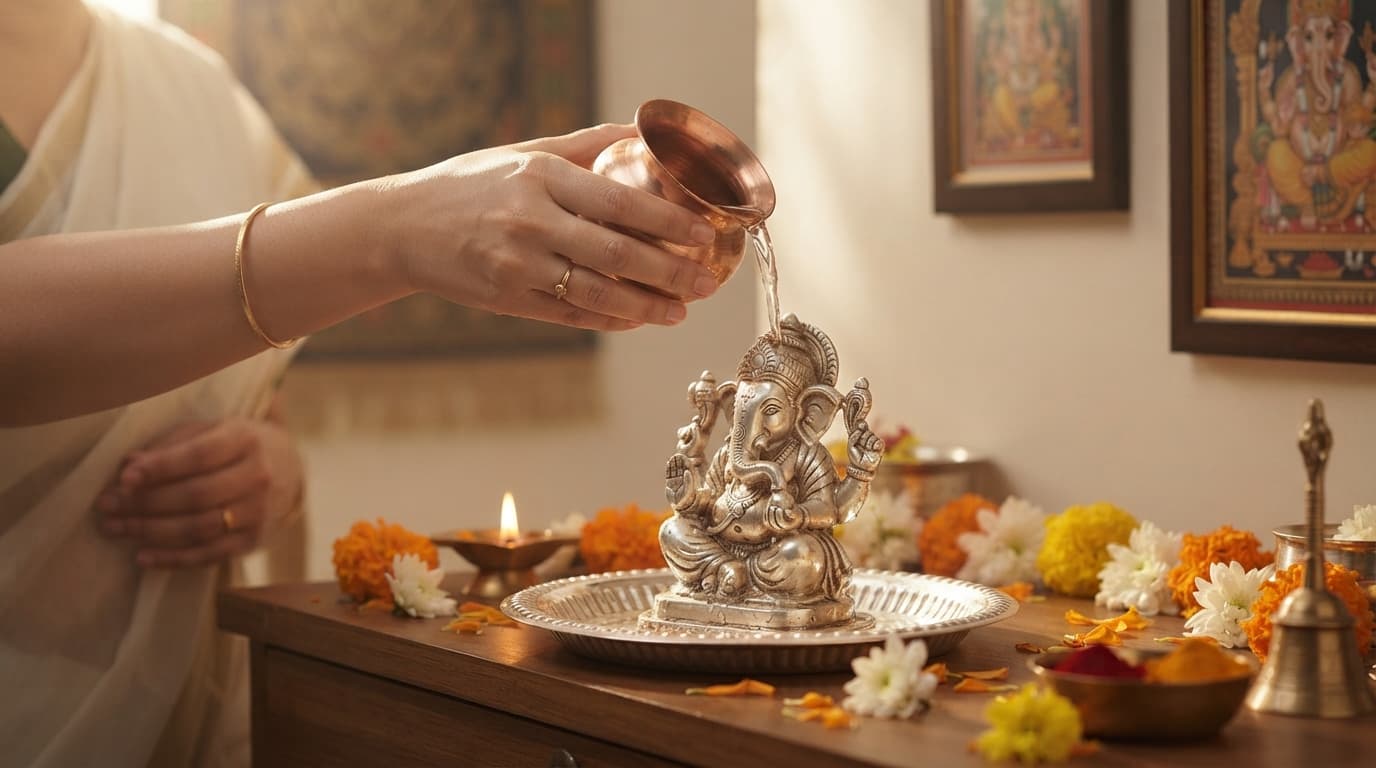
One of the most common questions new buyers ask is whether a gold or silver idol must be immersed in water on Visarjan day. The short answer is an absolute no. Metal idols are designed to stay in your home permanently.
The Ritual Purpose of Clay Idol Immersion
Traditional Ganesh Visarjan involves immersing the idol in a river, lake, or sea. This ritual has a clear philosophical meaning: Lord Ganesha is formed from the earth (clay), welcomed as a beloved guest, and then returned to nature through water.
Clay (Shadu mati) idols are made specifically to dissolve in water without harming marine life. Once the clay dissolves, the cycle of creation and return to nature is complete.
Why Solid Metal Idols Stay at Home Forever
Sacred scriptures state that metal, stone, and jewel idols undergo a different form of consecration known as Nitya Murti (permanent deity forms). Solid gold, silver, and brass idols are permanent assets for your home.
Immersing a valuable gold or silver idol in a natural water body creates severe pollution and results in the permanent loss of precious wealth. Precious metal idols are meant to be cleaned, safely stored, and re-consecrated with fresh flowers and prayers every festival season.
How to Do a Symbolic Home Visarjan
If your family wants to honor the Visarjan ritual without losing your metal idol, you can perform a traditional symbolic ceremony at home:
- Perform the Final Aarti: Gather your family and chant the closing prayers (Uttarpuja) to conclude the festive days.
- Move the Idol Slightly: Gently move the metal idol one inch forward toward the North direction. This motion signals the formal ritual conclusion of the festival period.
- Symbolic Water Dip: Take a clean silver spoon or a fresh mango leaf. Dip it into a clean bowl of water mixed with Ganga jal and sprinkle a few drops gently over the idol.
- Alternative Betel Nut Ritual: Place a small organic supari (betel nut) next to the silver idol on day one to represent the temporary guest form. On Visarjan day, immerse only the betel nut in a small home bucket or garden pot while leaving your silver idol clean on the altar.
How to Clean and Store Your Metal Idol Long-Term
Taking good care of your metal idol keeps it shining brightly year after year:
- Wash Away Offering Residue: Never let wet chandan, kumkum, or sweet panchamrit sit on silver surfaces for weeks. The acids and moisture will stain the metal. Wash the idol with mild, soapy warm water right after the festival ends.
- Dry Completely: Use a clean, 100% lint-free cotton cloth or a microfiber towel to pat the idol completely dry. Trapped water droplets cause dark spots.
- Wrap in Soft Cloth: Wrap the dry silver idol in acid-free tissue paper or a soft cotton pouch.
- Avoid Plastic Pouches: Do not store silver idols directly inside cheap PVC plastic zip bags for months. Cheap plastic releases sulfur gases over time, which turns silver black. Keep it in a dry wooden box or velvet-lined case.
Best Ganesh Chaturthi Jewellery Gifts for Family and Friends
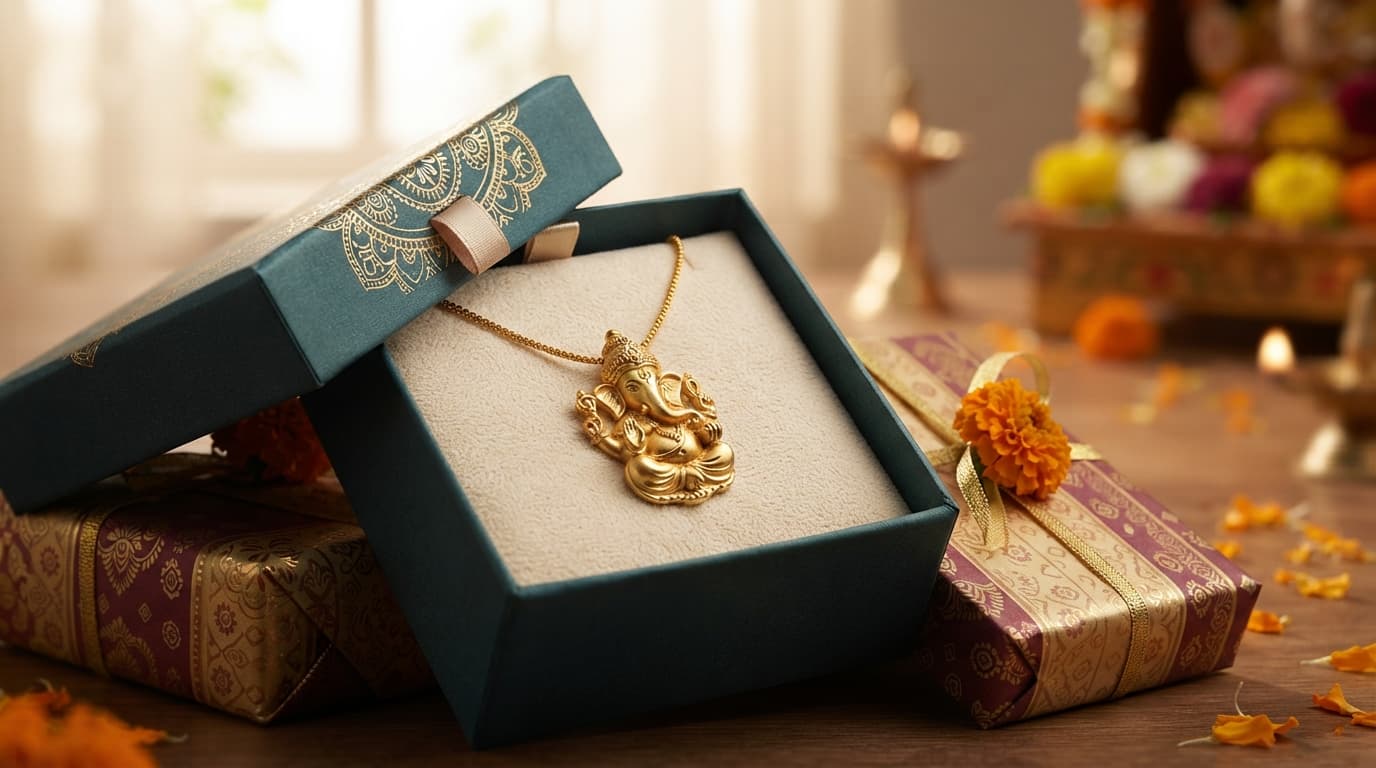
Gifting precious metal jewelry during Ganesh Chaturthi is a lovely way to wish prosperity to the people you love. Because Lord Ganesha represents the removal of roadblocks, these gifts carry a deep wish for success in all life efforts.
Meaningful Gifts for a New Bride or Married Couple
Welcoming a new bride or celebrating a newlywed couple during this festival calls for thoughtful, classic pieces:
- Gold Ganesha Religious Pendants: A small, lightweight yellow gold pendant (2 to 4 grams) with an openwork Ganesha silhouette makes a beautiful everyday necklace.
- Silver Coin Sets: A paired silver coin set featuring Lord Ganesha on one side and Goddess Lakshmi on the other is a traditional blessing for financial growth.
- Silver Puja Essentials: A pair of solid silver diyas, a silver aarti plate, or a silver bell makes a practical, luxurious gift for a couple setting up their first home mandir.
Practical Silver and Gold Gifts for Parents and Elders
Elderly family members appreciate gifts that combine spiritual meaning with effortless comfort:
- Lightweight Gold rings: Simple gold bands featuring a smooth, flat Ganesha motif that will not catch on clothing or wool shawls.
- Silver Tulsi Plants: Handcrafted miniature silver Tulsi planters make stunning additions to a mother’s or grandmother’s prayer table.
- Silver Drinking Tumblers: Giving pure 999 silver cups or spoons is a traditional way to gift wellness, as silver has natural antibacterial qualities.
Everyday Pendants and Coins for Siblings and Friends
For brothers, sisters, and close friends, choose modern pieces they can wear casually:
- Cord bracelets with Silver Charms: A black or red silk adjustable thread bracelet featuring a sterling silver Ganesha bead looks stylish and casual with office wear.
- Minimalist Silver Pendants: Geometric or abstract Ganesha pendants crafted in 925 sterling silver that pair easily with western shirts and kurtas.
- Pure Silver Bars: Small 5-gram or 10-gram silver minted bars stamped with festive artwork serve as wonderful, affordable gifts within a tight budget.
Complete Gift Selection Guide by Recipient
| Recipient | Recommended Gift Item | Metal & Purity | Budget Range | Why It Works |
|---|---|---|---|---|
| New Bride / Couple | Ganesha Gold Pendant | 18K or 22K Gold | Mid to High | Daily wear piece with spiritual blessing |
| Parents / Grandparents | Pair of Silver Diyas | 925 Sterling Silver | Moderate | High practical use during daily home puja |
| Brother / Sister | Minimalist Ganesha Pendant | 925 Sterling Silver | Accessible | Modern style that matches everyday clothes |
| Close Friends / Colleagues | Stamped Silver Coin | 999 Pure Silver (10g) | Budget-Friendly | Pure asset value that feels special and formal |
Ganesh Chaturthi Gifts Kids Will Actually Wear
Buying jewelry for children during festival season requires extra thought. Many parents buy heavy, ornate gold chains that look impressive in the velvet jewelry box, but end up locked away in a safe because the child refuses to wear them.
Why Comfort Matters More Than Heavy Design
Children have delicate skin and are constantly moving, playing, and changing clothes. If a piece of jewelry scratches their neck, pulls their fine hair, or feels heavy, they will pull it off within minutes.
When selecting gifts for kids, prioritize comfort, smooth polishing, and safety over heavy weight or complex detail. A simple piece they wear every day is worth far more than an expensive necklace that stays hidden in a drawer.
Safe Metals, Smooth Edges, and Lightweight Kadas
Follow these safety checkpoints when picking festival jewelry for young children:
- Smooth, Rounded Edges: Run your thumb firmly across all edges of the pendant or kada. If you feel any sharp corners, pointed crowns, or rough prongs, do not buy it for a child.
- Sturdy, Plain chains: Avoid thin rope chains or hollow box links that snap easily when pulled on the playground. Choose flat curb links or wheat chains that can handle rough handling.
- Adjustable Silver Kadas: Rounded silver bangles with smooth ball ends are the safest jewelry choice for toddlers and young kids. They expand as the child grows and have no sharp clasps.
- Nickel-Free Silver: Always verify that the silver is 100% lead-free and nickel-free to prevent red rashes or allergic skin reactions.
Starting a Meaningful Family Tradition Early
Giving a child their first religious pendant or kada on Ganesh Chaturthi can build a warm family memory. The festival is full of music, sweet treats, and colorful lights, making it a happy, positive time to receive their first piece of jewelry.
Choose a flat, lightweight gold or silver pendant featuring a cartoon-styled or friendly Ganesha outline. Explain to the child that the piece represents wisdom, focus in school, and kindness. This builds a positive emotional connection to their jewelry that lasts well into adulthood.
So, The best kids jewelry is completely unnoticeable to the child wearing it. If they can nap, run, and play without tugging at it, you picked the perfect design.
Practical Care, Cleaning, and Maintenance for Sacred Metalware
Daily prayers involve water, milk, honey, flowers, and oily kumkum paste. Over time, these materials will leave a dull film on gold and turn silver black. Regular, gentle cleaning keeps your sacred pieces bright without wearing down fine metal details.
Cleaning Silver Without Damaging the Surface
Silver turns dark because it reacts naturally with trace amounts of sulfur present in the air. While learning how to prevent and manage sterling silver tarnish is essential, this surface layer is completely normal and does not mean your silver is fake.
Follow this simple, safe cleaning routine every few months:
- Prepare Warm Soapy Water: Fill a small plastic bowl with warm water and mix in a few drops of mild, phosphate-free liquid dish soap.
- Soak Briefly: Place your silver idol or jewelry in the soapy water for five to ten minutes to loosen dried oils and dust.
- Use an Extra-Soft Brush: Take a new, ultra-soft baby toothbrush. Gently brush the recessed details around the crown, hands, and base. Never scrub hard, as stiff bristles can scratch polished silver.
- Rinse with Clean Water: Rinse the piece thoroughly under lukewarm running water to wash away all soap residue.
- Dry with Microfiber: Dry the piece completely using a clean microfiber cloth. Never let silver air-dry on a counter, as minerals in tap water will leave white water spots.
Managing Daily Puja Stains on Gold and Silver
Puja rituals use materials that can quickly stain precious metals if left uncleaned:
- Kumkum and Roli: Red kumkum contains colored powders and lime that adhere firmly to metal. Wipe off kumkum spots with a damp cotton ball at the end of every week.
- Chandan (Sandalwood Paste): Dried chandan turns hard as rock. Soften it by dabbing it with warm water before wiping it off; do not scrape it with sharp metal pins or fingernails.
- Ghee and Oil Residue: Oil from nearby diyas floats through the air and settles as a sticky film on metal idols. A quick monthly wash with mild dish soap dissolves this grease film instantly.
- Chemical Dips Warning: Avoid using harsh chemical dip solutions or abrasive silver cleaning powders on antique or oxidized silver idols. These strong chemicals strip away the natural dark shading in the crevices, leaving your idol looking flat, pale, and chalky.
Utilizing proper maintenance and care for precious jewelry keeps your sacred pieces bright without wearing down fine metal details.
Smart Festive Shopping: Avoiding Common Store Traps
The days right before Ganesh Chaturthi are the busiest shopping days of the month for jewelers. In the rush, buyers often make quick decisions and overlook basic details. Taking your time and following a few basic shopping rules protects your wallet.
Understanding the True Cost Breakdown
When you buy any piece of precious metal jewelry or an idol, the final bill includes three separate items:
Final Price = (Gross Metal Weight x Today's Purity Metal Rate) + Making Charges + 3% GST
Always ask the shopkeeper to write down these numbers line by line on your estimate:
- The Live Metal Rate: Check the official live gold and silver rates online before entering the store. Make sure the store is charging today's rate and not yesterday's higher number.
- Making Charges (Wastage): Making charges on gold jewelry generally range from 8% to 25% depending on the design. On machine-made gold coins, making charges should not exceed 3% to 8%. Ask for flat making charges or negotiate this line item before paying.
- Purity Deduction on Old Metal: If you are exchanging old gold jewelry to buy a new Ganesh idol, verify the karat testing process. Reputable stores use computerized XRF testing machines in front of your eyes rather than manual touchstones.
Online vs. Offline Buying Guide
Both local jewelry showrooms and certified online platforms offer good options, provided you know what to verify:
- When Buying from a Local Store: You get to hold the idol, check its weight in your hand, and inspect facial details closely. Always ensure they give you a computer-printed tax invoice with their BIS license number clearly printed on it.
- When Buying Online: Online jewelers often have a wider selection of modern, minimalist Ganesha pendants and hallmarked silver idols at competitive prices. Only buy from platforms that offer 100% BIS-hallmarked products, tamper-proof insured shipping, and a clear 15-day return policy.
A Calm, Confident Start to Your Festival Preparations
Bringing a new Ganesha idol or a fine piece of festive jewelry into your home should be an exciting and joyful experience. When you understand the basics of metal purity, idol postures, and real costs, you can shop with complete peace of mind.
Remember that a solid silver idol is the most practical choice for a home temple, giving you beauty, durability, and a substantial size within a sensible budget. Gold serves wonderfully for small investment coins, fine everyday pendants, and family milestone gifts.
Always look for the official BIS hallmark and the six-digit HUID code on both gold and silver pieces. Choose a left-curving trunk for peaceful home prayers, keep your metal idol permanently on your altar, and celebrate the festival with warmth and confidence.
Frequently Asked Questions
1. Is it necessary to buy gold or silver specifically for Ganesh Chaturthi?
No, it is a cherished tradition rather than a strict religious command. Many families buy precious metals to mark new beginnings and invite prosperity, but celebrating with a simple clay idol and sincere prayers is completely valid and spiritually complete.
2. Should I buy a gold idol or a silver idol for Ganesh Chaturthi?
For most homes, silver is the smarter, more practical choice for the primary idol. Silver costs much less per gram, allowing you to buy a larger, beautifully detailed idol. Gold is best chosen for compact investment coins, pendants, or small heirloom pieces.
3. Which way should the idol's trunk curve for home worship?
A left-curving trunk (Vamamukhi) is recommended for home worship. This form represents calm, peaceful moon energy and does not require complex or strict daily temple rituals. Right-curving trunks are best reserved for formal temples.
4. How do I know if a silver Ganesh idol is genuine and not just silver-plated?
Check for an official BIS hallmark stamp with a 925 or 999 purity mark and a six-digit HUID code. Verify this code on the free BIS Care app. You can also test the piece at home with a magnet; real silver is completely non-magnetic.
5. What is the difference between 925 and 999 silver for an idol?
999 silver is 99.9% pure silver; it has a bright shine but is softer and can dent easily. 925 sterling silver contains 92.5% silver and 7.5% alloy metals, making it stronger and better suited for idols with fine, sharp facial details that are handled during daily puja.
6. Should I buy a 1-gram gold coin or a silver idol for Ganesh Chaturthi?
They serve different goals. Buy a 1-gram gold coin if you want a pure financial investment with high resale value. Buy a silver idol if you want a beautiful centerpiece for your home altar to worship during daily prayers.
7. Do I need to immerse a gold or silver Ganesh idol during Visarjan?
No. Permanent metal idols made of gold, silver, or brass should never be immersed in water bodies. They are consecrated for permanent home worship and should be cleaned, stored, and worshipped again year after year.
8. What if I still want to observe the immersion ritual for a metal idol?
You can perform a symbolic home Visarjan. Conclude your festival with a final aarti, move the idol one inch forward, and sprinkle a few drops of clean Ganga jal over it using a mango leaf. Alternatively, immerse a small betel nut worshipped alongside the idol into a water pot.
9. Where should I place a Ganesh idol at home according to Vastu?
Place the idol in the Northeast (Ishan) corner of your home, or along the North or East wall. The idol should face North or West. Avoid placing idols in bedrooms, bathrooms, or facing South.
10. What is a good Ganesh Chaturthi jewellery gift for a child?
Choose lightweight, smooth-edged pieces such as an adjustable silver kada, a smooth gold band, or a flat Ganesha pendant on a strong chain. Avoid heavy pieces, sharp crowns, or dangling elements that can catch on play clothes.
11. How should I take care of a metal Ganesh idol I plan to keep permanently?
Wash the idol with warm water and mild dish soap after the festival to remove sticky kumkum and oil. Dry it completely using a soft microfiber cloth and store it wrapped in acid-free tissue paper or a soft cotton pouch in a dry place.
12. Is Ganesh Chaturthi celebrated the same way across India?
The core devotion is the same, but customs vary by state. Maharashtra is famous for large community pandals, Karnataka celebrates Gowri Ganesha, Goa observes Chavath with ancestral home gatherings, and southern states create detailed clay idols and offer special modaks and kozhukattai.