Explore why gold and silver prices are soaring in 2026 with insights from Eternz CEO Arthi Ramalingam.
Understand the impact of global tensions and China's supply policies, how consumer demand for jewelry is reshaping, and get expert advice for investors and buyers.
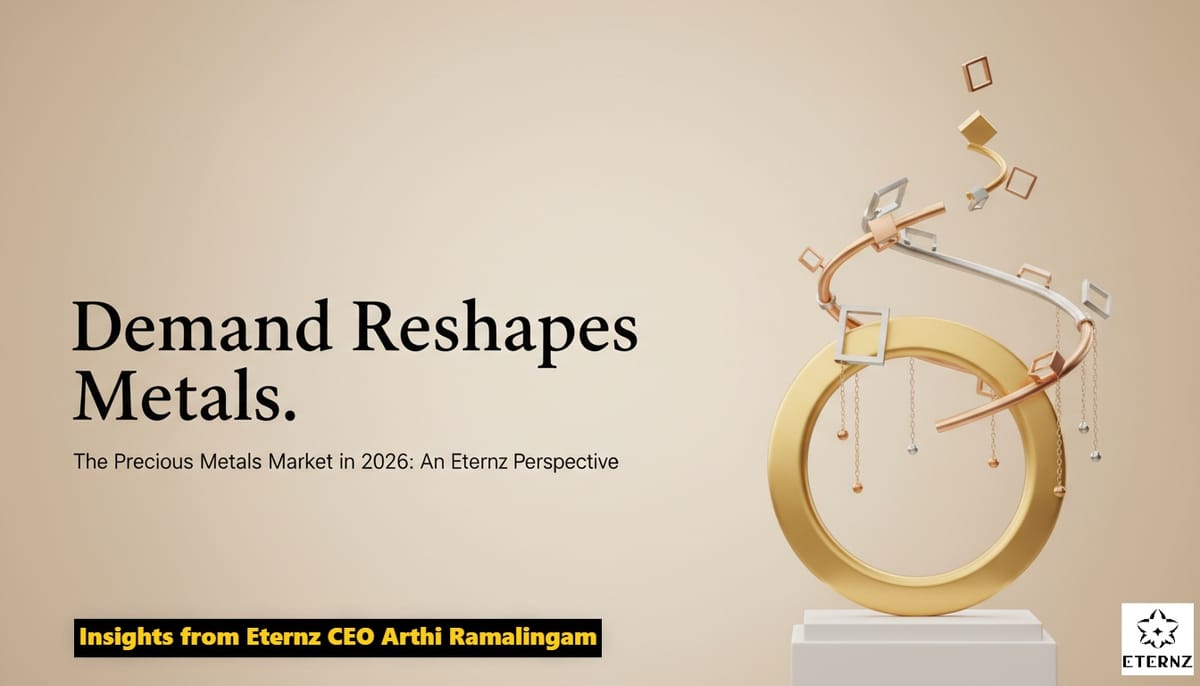
The year 2026 has started with a bang for precious metals. Gold is up by double digits, silver has jumped nearly 30%, and even metals like platinum are climbing high. But what does this mean for you, whether you are buying a necklace or looking to invest money?
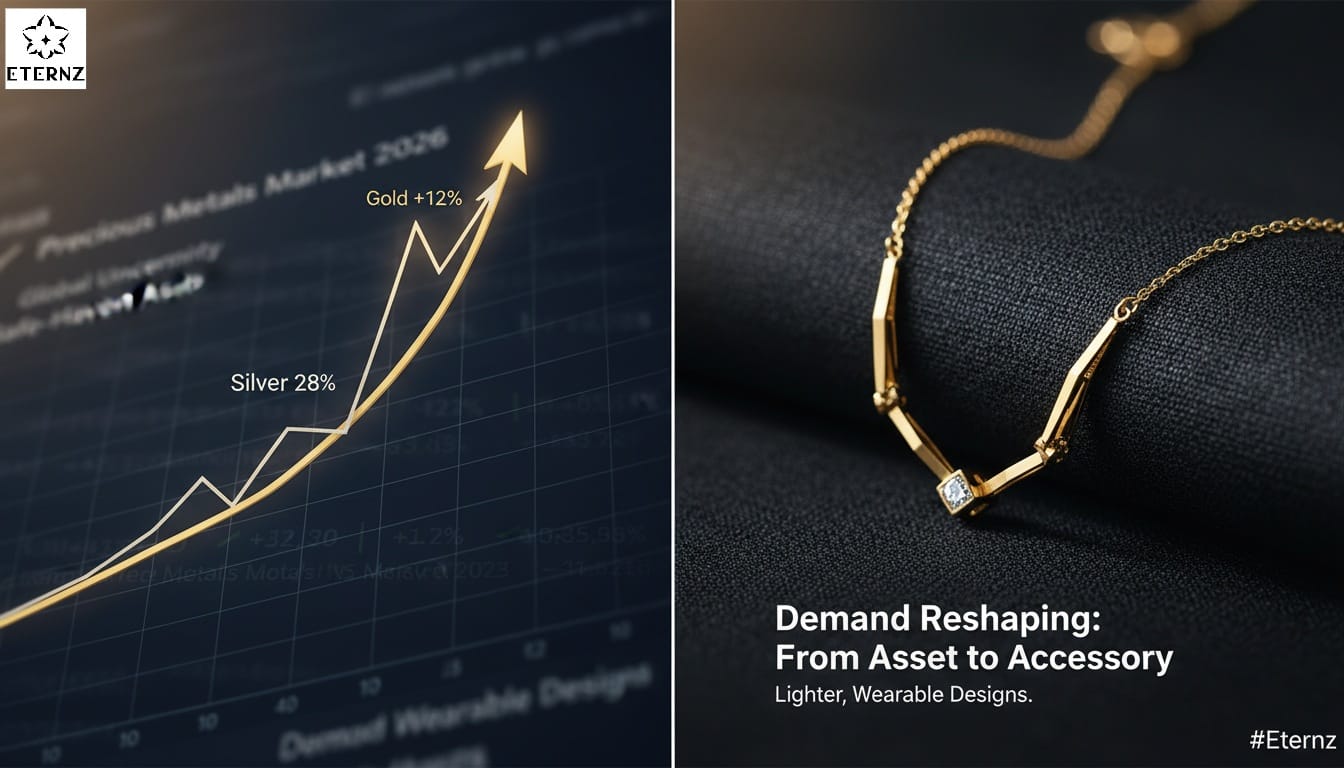
Do you know? In early 2026, silver prices surged by nearly 30%, outperforming many other major assets.
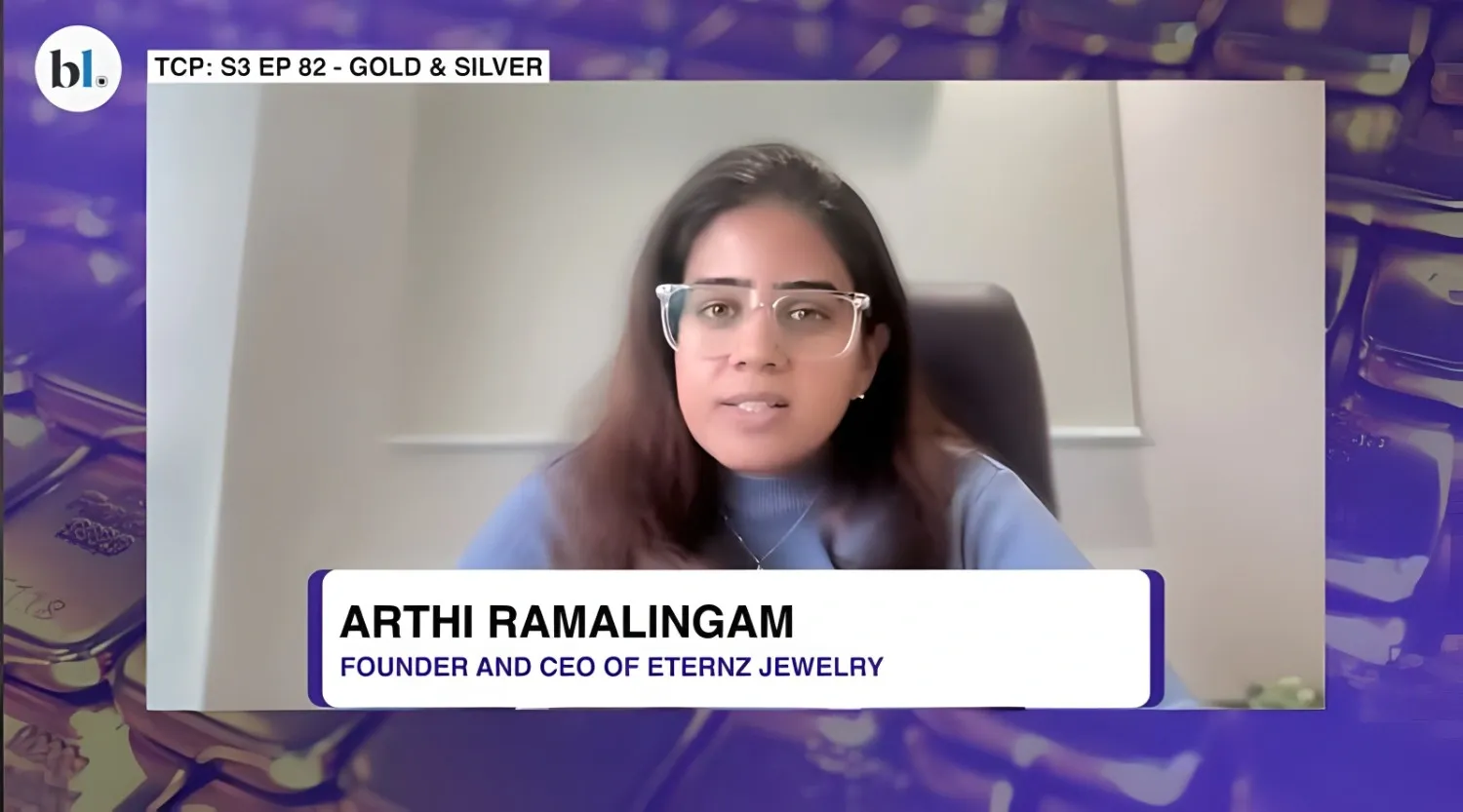
To understand this wild market, we look at insights from Arthi Ramalingam, the Founder and CEO of Eternz. She recently spoke on The Hindu BusinessLine’s Trending Commodity Picks podcast (Episode 82). As an expert leading a major Indian jewelry platform, she shared exactly why prices are rising, why supply is tight, and—most importantly—how people are changing the way they buy jewelry instead of stopping entirely.
This article breaks down her expert thoughts into simple, easy-to-read sections.
What Is Fueling the Precious Metals Rally?
The main reason prices are going up is global fear and uncertainty about money and world events. When people are worried about wars, changing interest rates, or high prices (inflation), they buy gold and silver because these metals are seen as safe places to keep money.
So, here’s the kicker: Gold is great for keeping your money safe when the world feels shaky. Silver is unique because it is used for two things: making jewelry and building things like solar panels and electronics. Because industries need silver to build green technology and cars, the demand is double.
Arthi Ramalingam explained that these metals are doing three jobs at once right now:
- Safety Net: They protect money against bad economic news.
- Factory Supplies: Industries need them to make products.
- Investment Mix: Investors buy them to balance their portfolios.
Even copper is now being talked about as an investment option, joining gold and silver in the spotlight.
Why Global Tension Matters
When countries have problems with each other (geopolitical tensions), big investors get nervous. They stop buying risky things and start buying gold. Arthi noted that these "monetary policy shifts"—which is just a fancy way of saying how governments manage money—are pushing prices up.
Also, because silver is used in so many new technologies (like electric vehicles and renewable energy), the price moves faster than gold. When big investors see this, they buy more silver, which makes the price go up even more.
Why Is Supply So Hard for Jewelry Makers Right Now?
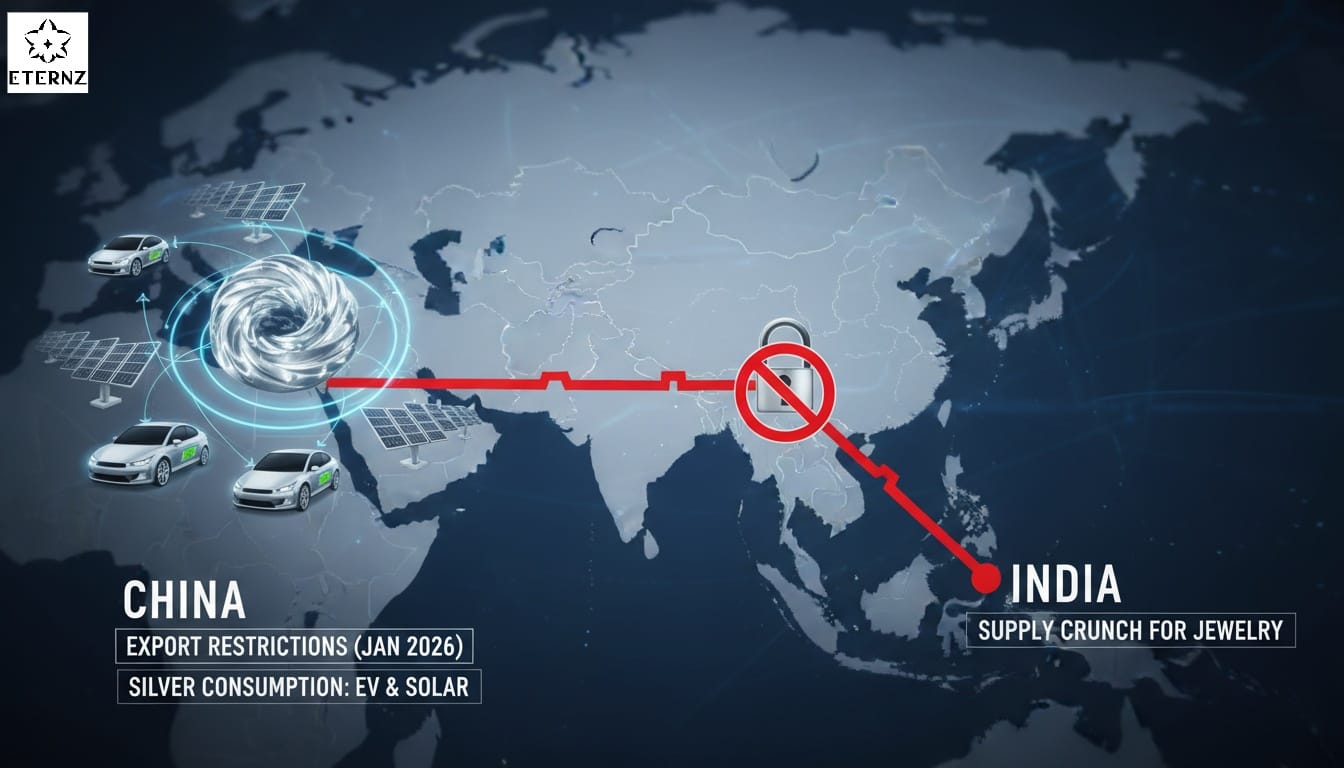
Jewelry makers in India are having a very hard time getting enough silver because China changed its export rules in January 2026. This new rule makes it harder to bring silver into India, which makes it more expensive and difficult to find for the people who make your jewelry.
Do you know? China controls a huge amount of the world's silver supply.
In January 2026, China put new rules in place. They now require special licenses and have strict rules about who can send silver out of the country. Why did they do this? Because China needs that silver for themselves. They are using it for:
- Electric Vehicles (EVs)
- Solar Panels
- Defense (Military) equipment
The Impact on India
Arthi highlighted that this is a major headache for Indian businesses. Because the silver is staying in China for their factories, less of it is coming to India for jewelry.
For a platform like Eternz, this matters. Arthi mentioned that vendors (the people selling the jewelry) are struggling. If they don't have special, exclusive partnerships to get silver, they have to pay a lot more or face delays. This creates "price pressures downstream," which simply means the jewelry might cost more by the time it reaches the shop.
Table: The Silver Supply Problem
| Issue | What it Means |
|---|---|
| China's New Rule | Starting Jan 2026, it is harder to ship silver out of China. |
| Domestic Use | China is keeping silver to build solar panels and cars. |
| Indian Impact | Jewelry makers in India face shortages and higher costs. |
| Sourcing Struggle | Vendors without special partners cannot find enough metal. |
Will Prices Crash Suddenly?
No, experts do not expect prices to crash suddenly; instead, they will likely go down very slowly and gradually. Unlike risky bets that can lose half their value overnight, gold and silver usually adjust softly over a long time.
Actually, Arthi emphasized a key point: precious metals rarely have dramatic drops. When prices do go down, it is usually a "soft correction." This means the price might dip a little bit over many months as the world economy changes, like if interest rates shift. It is not a sudden collapse.
"Historical patterns show gold undergoes soft, prolonged corrections... rather than sudden collapses."
The Diwali 2025 Example
Arthi gave a great example from the recent past to prove this. After the festive season of Diwali in 2025, many people thought, "Okay, the holiday is over, prices will surely drop now."
But guess what? That did not happen. instead of softening, prices kept climbing higher almost every day. This proves that these metals are strong "long-term value holders." They don't just go up because of a holiday; they go up because they are valuable to the world.
So, if you are waiting for the price to suddenly drop by 50% before you buy, you might be waiting a very long time.
Is Consumer Demand Disappearing?
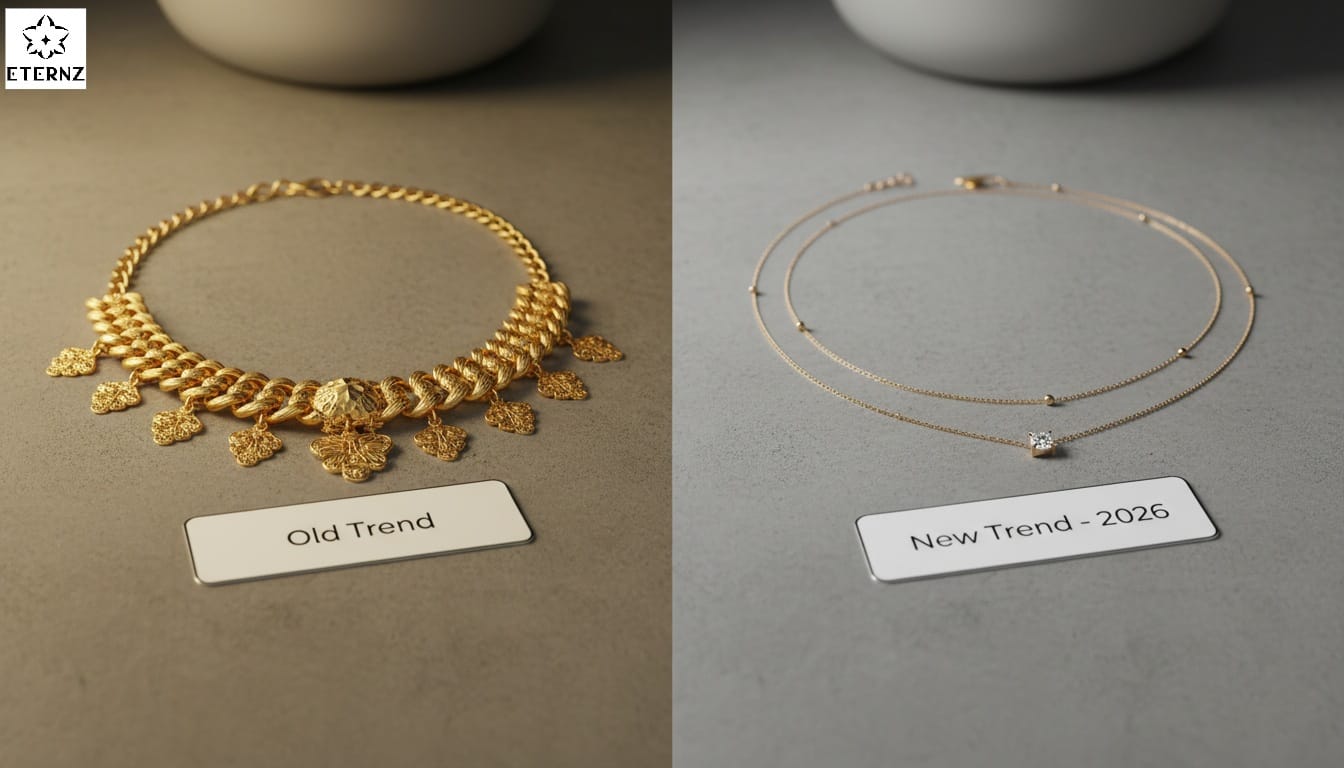
High prices have not stopped people from buying; they have simply changed *what* people are buying. Instead of buying heavy gold bars or thick necklaces to lock away in a safe, people are buying lighter, stylish jewelry they can wear every day.
Arthi captured this perfectly in her LinkedIn post with the phrase: "Demand isn’t dying. It’s reshaping."
This is the most important trend in 2026. The high cost of gold and silver hasn't killed the market. It has just forced it to evolve.
From Asset to Accessory
In the past, Indian families bought heavy 22K gold jewelry mainly as an investment. It sat in a locker and was worn maybe once a year at a wedding.
Now, things are different. Younger buyers view jewelry as a lifestyle accessory.
- They want to express themselves.
- They want fashion.
- They want to wear it to work or out with friends.
Because 22K gold is very expensive now, buyers are switching to 14K and 9K gold. These options are:
- More affordable.
- Stronger (less likely to bend).
- Still beautiful and valuable.
Do you know? Lower karats like 14K and 9K are gaining popularity because they offer the perfect mix of style and affordability.
The Rise of Micro-Weight Silver
This trend is happening in silver, too. Since silver prices are up 30%, a heavy silver plate or statue is very expensive.
To fix this, brands are launching "micro-weight collections." These are jewelry pieces that weigh very little—between 1 gram and 3 grams.
- The Benefit: It keeps the price low enough for normal people to buy.
- The Style: It allows for delicate, modern designs that young people love.
Arthi notes that this shift means buyers are choosing smarter options rather than walking away. Precious metals are becoming daily style statements, not just things you hide in a vault.
Advice for Investors and Buyers
Investors should look at precious metals as a way to protect their wealth over many years, while buyers should focus on quality and design. Arthi Ramalingam suggests that everyone needs to look at the big picture, not just today's price.
For Investors: Think Long Term
If you want to invest, Arthi recommends putting 5% to 15% of your portfolio into precious metals.
- Why? It adds stability. If the stock market crashes, your gold and silver usually hold their value.
- What to watch: Keep an eye on interest rates, inflation (rising prices), and what central banks (government banks) are doing.
- Industrial Demand: Remember to watch the demand from car makers and green energy companies, especially for silver.
For Consumers: Focus on Lifestyle
If you are buying jewelry to wear, don't stress too much about timing the market dips. Since prices aren't crashing, waiting might not help.
Instead, Arthi advises focusing on:
- Purity: Make sure you get what you pay for (certified metals).
- Design: Buy something that looks good on you.
- Wearability: Choose pieces you can wear every day, not just for weddings.
- Brand Trust: Buy from sellers who are honest about what they sell.
At Eternz, they see that buyers are prioritizing pieces that fit a modern lifestyle. It is about "Self-Expression" now.
Looking Ahead: Budget Expectations
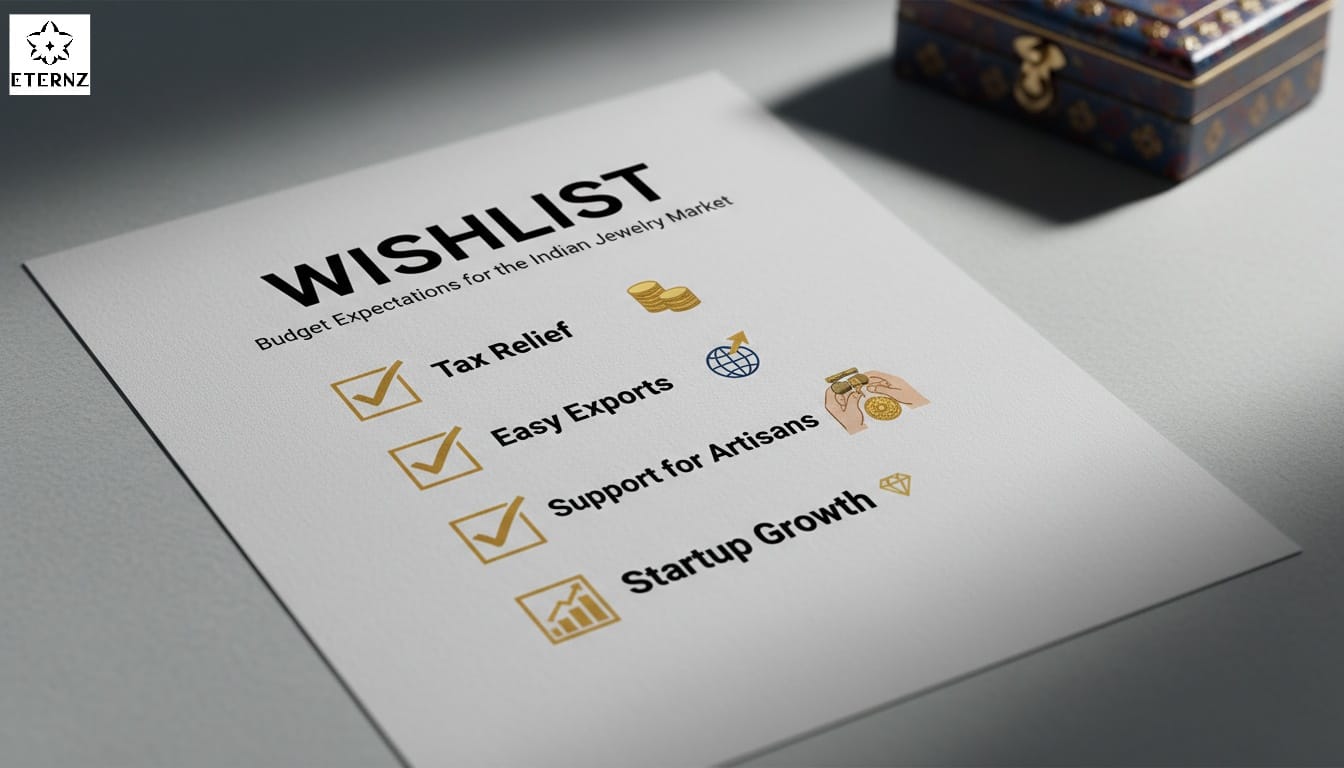
The industry hopes the upcoming government budget will lower taxes and make it easier to import and export jewelry. Arthi Ramalingam expressed hope that the government will support this culturally important industry.
Here is what the jewelry sector is hoping for:
- Tax Reliefs: Lower taxes could make gold and silver cheaper for customers.
- Better Import/Export Rules: Rationalized policies would help solve the supply shortage from places like China.
- Help for Artisans: Easing compliance rules for small MSMEs (Micro, Small and Medium Enterprises) and artisans would keep the craft alive.
- Startup Support: Measures that help new businesses grow.
These steps would help stabilize the supply issues and help people keep buying jewelry in India, a country that truly loves its gold and silver.
Key Takeaways
Do you want the quick summary? Here are the most important points from Arthi Ramalingam’s podcast:
- The Rally: Gold and silver prices are up big in 2026 due to fear of war, inflation, and money policies.
- Silver Demand: Silver is booming because it is used in green energy (solar) and electronics, not just jewelry.
- Supply Block: China changed its rules in Jan 2026, making it hard for Indian makers to get silver.
- Soft Landing: Don't expect prices to crash. If they go down, it will be very slow.
- New Buying Habits: People are buying lighter jewelry (14K gold, 1-3g silver) instead of heavy investment pieces.
- Action for Investors: allocate 5-15% of your money to metals for safety.
- Action for Buyers: Look for purity and trusted brands. Don't wait for a price crash.
- Future Hopes: The industry wants the government to lower taxes and help small artisans in the next budget.
Where Can You Find Trusted Jewelry in This Market?
You can find certified, high-quality jewelry adapted to these new trends on Eternz, a jewelry marketplace designed for the modern buyer.
If you are looking for those lightweight, fashionable pieces that Arthi talked about—or even investment-grade items—Eternz is the place to look.
Why choose Eternz?
- 250+ Trusted Brands: You get access to a huge variety of designs from the best names in the industry.
- Authenticity Certified: Every piece you buy comes with a promise of purity, so you know exactly what you are getting.
- Virtual Try-On: Not sure if a design suits you? You can try it on virtually using their advanced tech before you buy.
- Same Day Delivery: Need it fast? They offer same-day delivery in selected cities like Bengaluru, Delhi, Noida, Mumbai, and more.
Buying jewelry should be safe and easy. Eternz makes sure of that.
Special Offer: If you are making your first purchase, you can use the code "WELCOME10" to get a discount. It is a great way to start your collection of modern, wearable jewelry.
Final Thoughts
The story of precious metals in 2026 is one of resilience. The world is changing, prices are rising, and supply is tight. But as Arthi Ramalingam eloquently put it, the industry isn't fighting these rising prices—it is innovating around them.
By creating lightweight, expressive designs, the jewelry world is keeping demand alive. Whether you are an investor looking to keep your wealth safe or a fashion lover looking for a new bracelet, gold and silver continue to shine.
Want to learn more?
- Watch the full discussion here: Gold & Silver: Precious metals outlook for 2026 | Trending commodity picks | EP 82
- Read Arthi's direct insights on LinkedIn
Arthi Ramalingam, Founder & CEO of Eternz, explains the factors driving this surge and its impact on demand.
What do you think? Are you switching to lighter 14K gold or silver for daily wear, or do you still prefer heavy traditional pieces? Share your thoughts in the comments below!
Frequently Asked Questions
1. What is fueling the precious metals rally in early 2026?
The rally is driven by global economic uncertainty, geopolitical tensions, and strong demand for safe haven assets. Gold benefits from its role as a financial hedge, while silver gains from both jewelry demand and rising industrial use in green energy, electronics, and technology.
2. Why are Indian jewelry makers facing silver supply issues?
Indian manufacturers are facing silver shortages because China introduced stricter export regulations in January 2026. The move prioritizes domestic consumption for sectors like electric vehicles, solar energy, and defense, reducing global silver availability.
3. Will precious metal prices see a sudden crash?
A sharp crash is unlikely. Market experts, including Arthi Ramalingam, note that precious metals typically go through soft corrections where prices stabilize or adjust gradually rather than falling abruptly.
4. How has high pricing changed consumer jewelry buying behavior?
Demand has shifted rather than declined. Buyers are moving from heavy 22 karat gold to lighter 14 karat and 9 karat designs, along with micro weight silver jewelry in the 1 to 3 gram range. Jewelry is increasingly seen as a lifestyle and self expression purchase rather than only an investment.
5. What advice does Arthi Ramalingam give to investors and jewelry buyers?
She advises investors to allocate around 5 to 15 percent of their portfolio to precious metals for stability while monitoring inflation, interest rates, and industrial demand. Jewelry buyers are encouraged to prioritize purity, comfort, design relevance, and brand trust instead of waiting for price drops.
6. Is silver becoming more important than gold in everyday jewelry?
Silver is gaining importance for daily wear due to affordability, flexibility in design, and lower entry prices. While gold remains a long term store of value, silver is increasingly chosen for frequent use and contemporary styling.