How to Safely Clean Heirloom & Vintage Jewelry: Expert Guide
Toothpaste is sandpaper for gold, and boiling water can shatter stones. Learn the right way to care for your heirlooms—including why ultrasonic cleaners are a huge risk for vintage pieces.
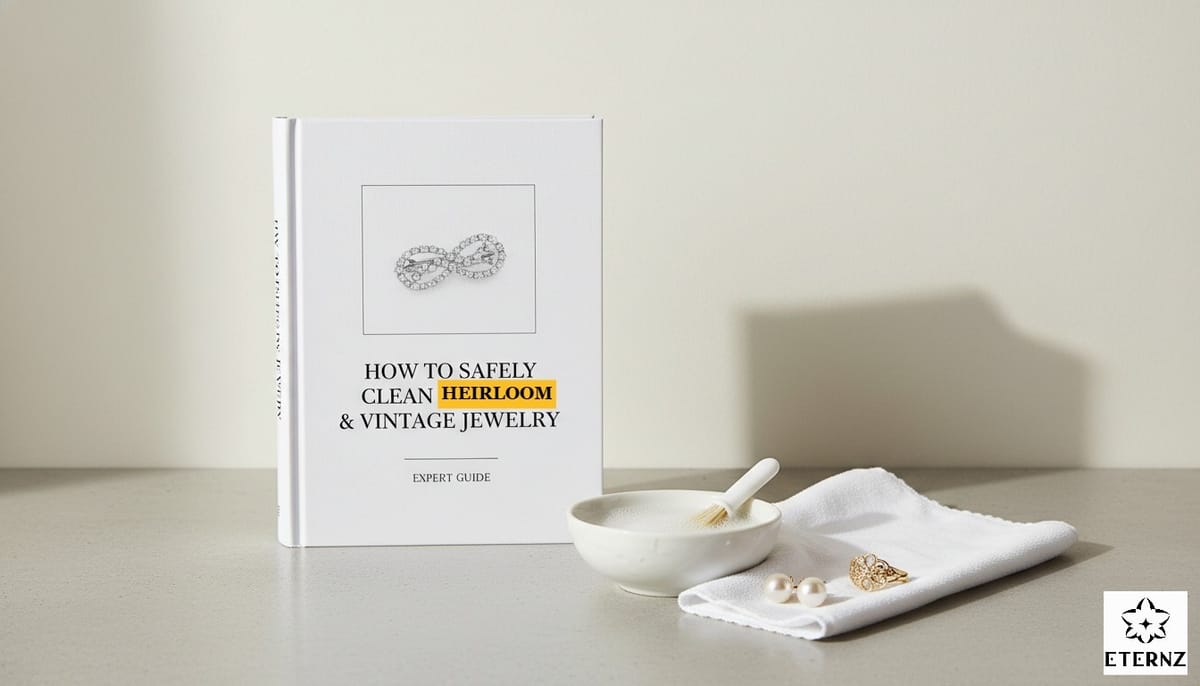
To safely clean heirloom jewelry, use warm water, mild dish soap, and a soft baby toothbrush for most metal and hard gemstones. Never soak porous stones like pearls, opals, or turquoise; instead, wipe them gently with a damp, lint-free cloth to prevent permanent damage.
What We Will Cover in This Guide:
- The Golden Rule of Jewelry Cleaning
- Understanding Gemstone Hardness (Mohs Scale)
- The Universal Safe Cleaning Method
- Cleaning Soft & Organic Gemstones
- Common Cleaning Mistakes to Avoid
- Modern Alternatives for Everyday Wear
- Proper Jewelry Storage & Care
- Safety Checklist & FAQs
The Golden Rule: Know What You Are Cleaning
Before you touch water, you must identify your jewelry materials because what cleans a diamond can destroy an opal.
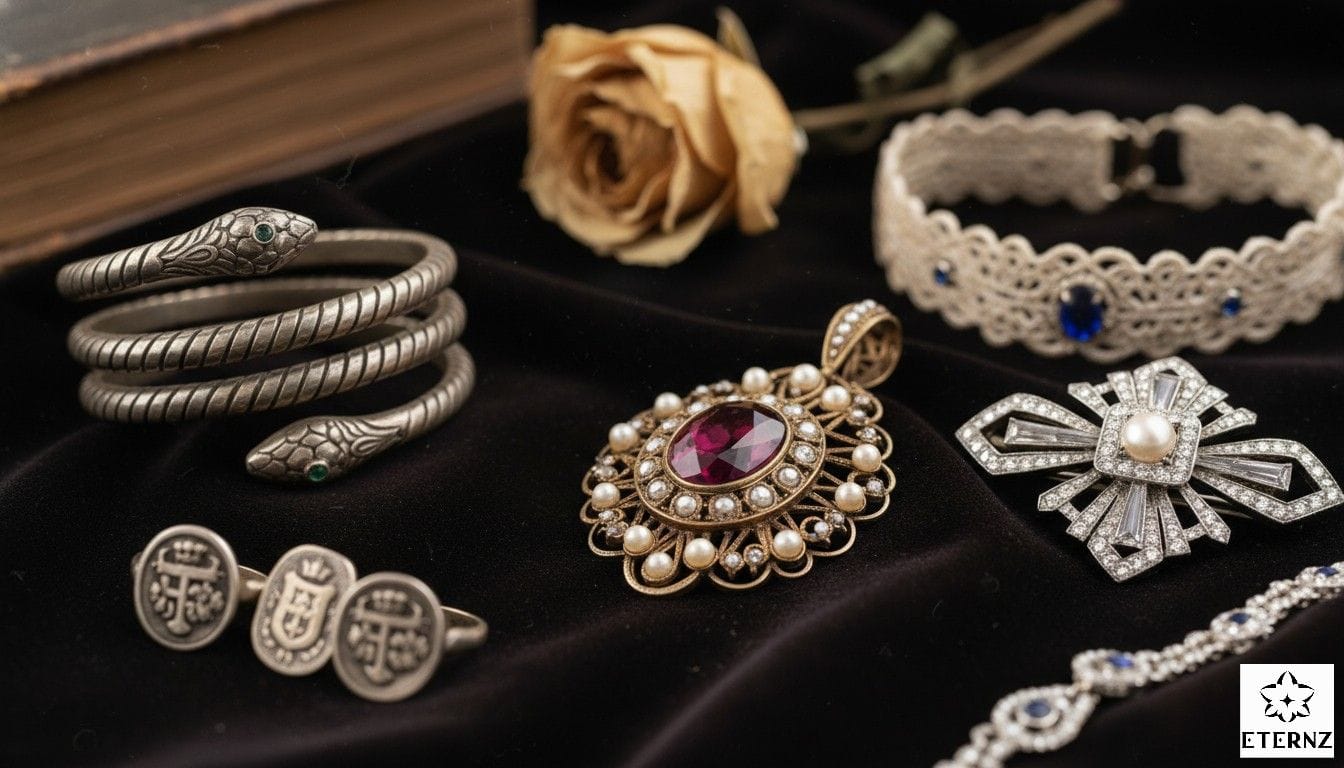
Vintage jewelry is not just "old jewelry." It often features delicate settings, organic glues, and soft stones that modern cleaners will ruin. The most critical tool in your cleaning kit is knowledge of the Mohs Hardness Scale—a scientific ranking of how hard a gemstone is.
- Hard Stones (Safe to scrub): Diamonds, Rubies, Sapphires.
- Soft Stones (DANGER ZONE): Pearls, Opals, Emeralds, Turquoise.
The Universal Safe Method (For Gold, Silver, & Hard Stones)
The safest cleaning solution for 90% of jewelry is likely sitting near your kitchen sink right now.
You do not need expensive "miracle" cleaners. In fact, many commercial cleaners contain chemicals like ammonia that can discolor vintage gold alloys.
The "Standard" Recipe:
- Mix: 1 cup of warm water + 2 drops of mild dish soap (like Dawn).
- Test: Check that the water is lukewarm, not hot. Hot water can "shock" stones and crack them.
- Soak (Briefly): Let the piece sit for 2-5 minutes to loosen grime.
- Brush: Use a baby toothbrush (extra soft bristles) to gently sweep behind settings.
- Rinse & Dry: Rinse under low-pressure water and pat dry immediately with a lint-free cloth.
Pro Tip: Plug your sink drain before you start. It sounds obvious, but hundreds of heirlooms are lost down drains every year.
How to Clean "Soft" Organic Gems (Pearls, Opals, Turquoise)
Water is the enemy of organic gems; never submerge them, or you risk dissolving the glues or rotting the silk threads.
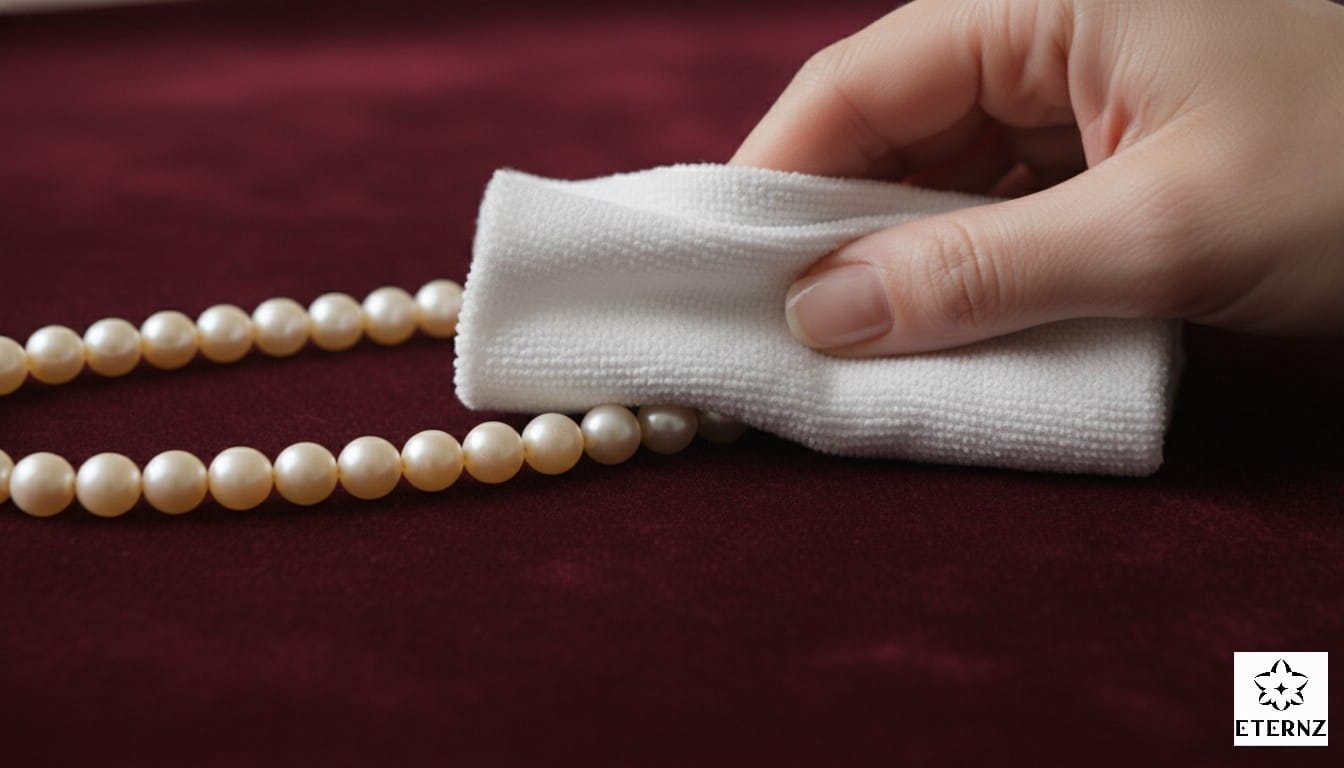
Pearls and opals are porous. Think of them like a sponge. If you soak a pearl necklace, the silk string stretches and weakens, leading to snaps later on. If you soak an opal, it can absorb water and crack as it dries (a tragedy called "crazing").
The "Wipe-Down" Method:
- Dip a soft makeup brush or cotton cloth into your soapy water mixture.
- Squeeze out almost all the liquid. It should be barely damp.
- Wipe the stones gently.
- Dry immediately with a clean, dry cloth.
- Lay Flat: Let pearl necklaces dry flat for 24 hours to ensure the string is completely dry before wearing.
Common Mistakes That Ruin Vintage Pieces
Stop using toothpaste and baking soda immediately, they are sandpaper for your gold.
The internet is full of "hacks" that destroy value. Here are the three most dangerous myths:
Myth 1: Toothpaste makes silver shine.
- Reality: Toothpaste is abrasive (60-70 RDA). It creates microscopic scratches on gold and silver, which actually makes the metal duller and collect dirt faster in the long run.
Myth 2: Boiling water gets the dirt out.
- Reality: Thermal shock can shatter stones instantly. Never boil jewelry.
Myth 3: Ultrasonic cleaners are best.
- Reality: These machines vibrate at high frequencies. For vintage pieces, this vibration can shake loose old prongs, causing stones to fall out. It can also shatter emeralds or opals.
Fact Check: According to the GIA (Gemological Institute of America), you should avoid ultrasonic cleaners for any gemstone that has surface-reaching breaks, which includes almost all vintage emeralds.
Modern Alternatives & Upgrades (The "Eternz" Approach)
If your vintage piece is too fragile for daily wear, consider a modern high-quality alternative for everyday use.
Sometimes, the safest way to preserve a 100-year-old heirloom is to wear it only on special occasions. For your daily look, you can find durable, vintage-inspired pieces that handle wear and tear better.
Marketplaces like Eternz specialize in curated, high-quality jewelry. They feature over 250 brands, including favorites like GIVA and Salty, focusing on authentic 925 sterling silver that lasts.
- Virtual Try-On: Not sure if a style matches your heirloom vibe? Use the Eternz Virtual Try-On feature to see how a piece looks on you before buying.
- Trust: Everything is vetted for quality, so you aren't buying "mystery metal" that turns your skin green.
- Value: You can snag a deal on premium silver pieces using code WELCOME10 for your first order. And
- Same-day delivery available in select locations (e.g., Bengaluru, Delhi, Mumbai, etc.).
Storage: The Final Step in Safety
Cleaning is wasted effort if you throw your jewelry into a pile where diamonds scratch everything else.
Remember the Mohs scale? A diamond (10) will scratch a ruby (9), and a ruby will scratch gold.
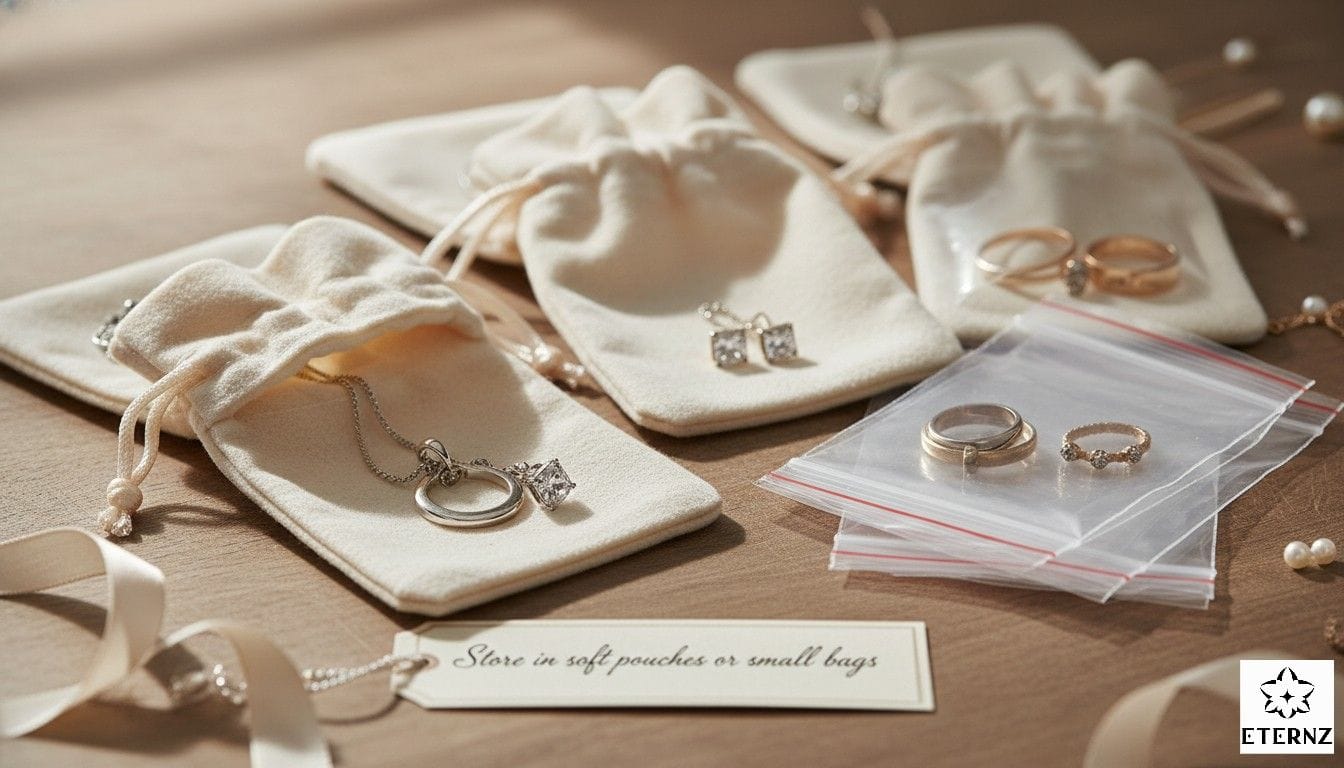
- Bag It: Store individual pieces in soft cloth pouches or small Ziploc bags.
- Separate: Keep silver away from open air to slow down tarnishing.
- Anti-Tarnish Strips: Place small 3M anti-tarnish paper tabs in your jewelry box to absorb sulfur from the air.
Summary Checklist:
- Identify your stone (Hard vs. Soft).
- Check for loose prongs before cleaning.
- Wash hard stones in warm soapy water; Wipe soft stones.
- Dry thoroughly.
- Store separately.
Treat your jewelry with respect, and it will shine for generations to come.
Ready to find your sparkle? Explore 250+ brands and thousands of designs on Eternz.
Frequently Asked Questions
- What is the most important rule before cleaning vintage jewelry?
The most important rule is to identify your jewelry materials, especially the gemstones, as cleaning methods vary greatly. What cleans a diamond can destroy an opal due to differences in hardness and porosity. - How should I clean porous or soft gemstones like pearls, opals, or emeralds?
For porous stones like pearls and opals, and delicate emeralds, never soak them. Instead, gently wipe them with a barely damp, lint-free cloth dipped in a mild soapy water mixture, then dry immediately. - Is mild dish soap and warm water safe for all jewelry?
The warm water and mild dish soap method is safe for most metals (gold, silver) and hard gemstones like diamonds, rubies, and sapphires. However, it should never be used for soft or porous stones like pearls, opals, or emeralds. - Why should I avoid using toothpaste or boiling water to clean my jewelry?
Toothpaste is abrasive and will scratch gold and silver, making them dull. Boiling water can cause thermal shock, which may shatter gemstones instantly. Both are common mistakes that can permanently damage vintage pieces. - Are ultrasonic cleaners safe for vintage jewelry?
No, ultrasonic cleaners are generally not recommended for vintage jewelry. The high-frequency vibrations can loosen old prongs, causing stones to fall out, or shatter delicate gemstones like emeralds and opals.