Ear Cuffs vs Earrings: Which Style Is Better for Your Look?
Still confused? Compare ear cuffs vs earrings on style, comfort, and trends to make the right choice.
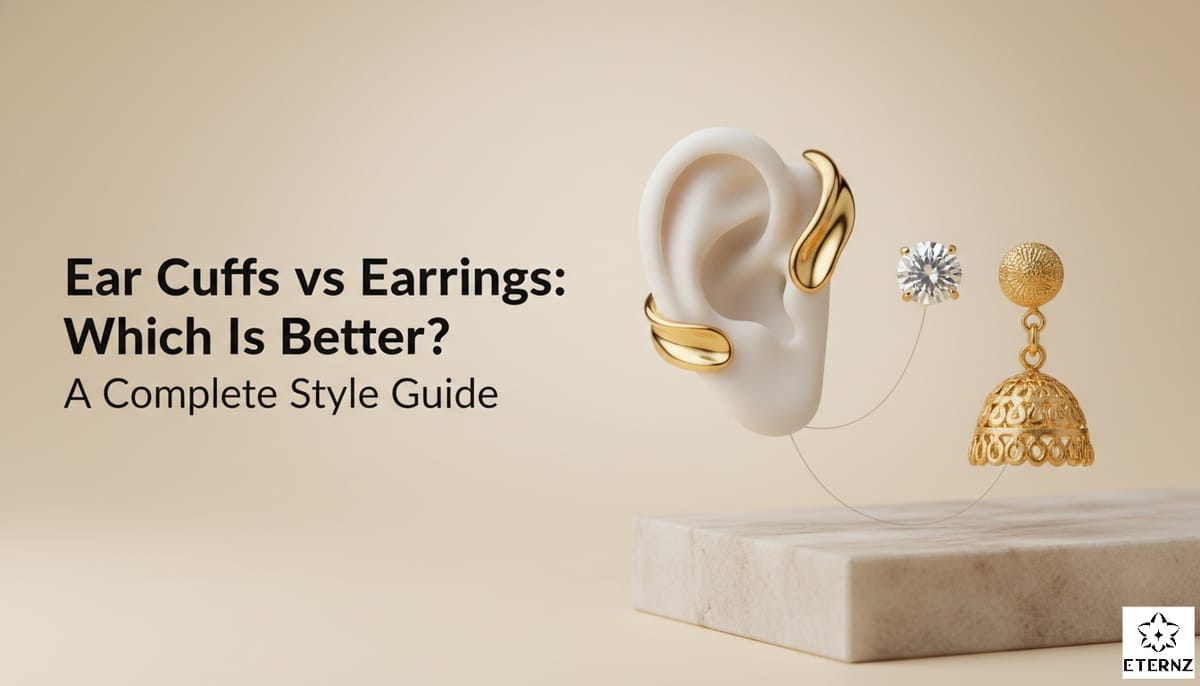
TL;DR: Earrings are classic pieces that require a piercing and offer a secure fit for daily wear. Ear cuffs are "no-hole" alternatives that wrap around the ear rim for a bold, modern look without the pain of needles. Choosing the better one depends on your style preference and whether you want a permanent piercing.
Jewelry is like the salt in a meal. It is a small addition, but it changes everything. When you get ready for a big Indian wedding or just a day at the office, you usually reach for something to put on your ears. For a long time, the only choice was earrings. You had to get a hole poked in your ear to wear them. Explore the full earrings collection to see the timeless classics available today.
But things are changing. Now, you see people wearing beautiful metal bands that wrap around the top or side of the ear without any holes. These are called ear cuffs. If you are standing in front of your mirror wondering which one to pick, you are not alone. This guide will help you understand the simple differences so you can choose the best look for your ears.
In this guide, you'll learn:
- The basic differences between ear cuffs and earrings.
- Which option is more comfortable for sensitive ears.
- How to style both with traditional Indian and modern western outfits.
- The pros and cons of piercings versus clip-on styles.
- A decision framework to help you buy the right piece.
Before we start, let me tell you about Eternz: a trusted jewelry marketplace featuring 300+ brands. Every piece comes with authenticity certification. They offer fast, same-day delivery in major cities, and a special "WELCOME20" discount for first-time buyers.
Understanding Earrings: The Timeless Classic
Earrings are jewelry pieces that stay on your ear by going through a small hole, usually in your earlobe. They are the most common type of ear decoration in the world and have been used for thousands of years to show status, beauty, and tradition.
In India, getting your ears pierced is often a big event. This tradition, called Karnavedha, is one of the first times a child wears jewelry. Earrings come in many shapes. You have small "studs" that sit right on the lobe. You have "hoops" that look like circles. Then you have "drops" or "danglers" that hang down and move when you walk. Because they go through your skin, they stay very secure. You can run, dance at a sangeet, or sleep without worrying they will fall off.
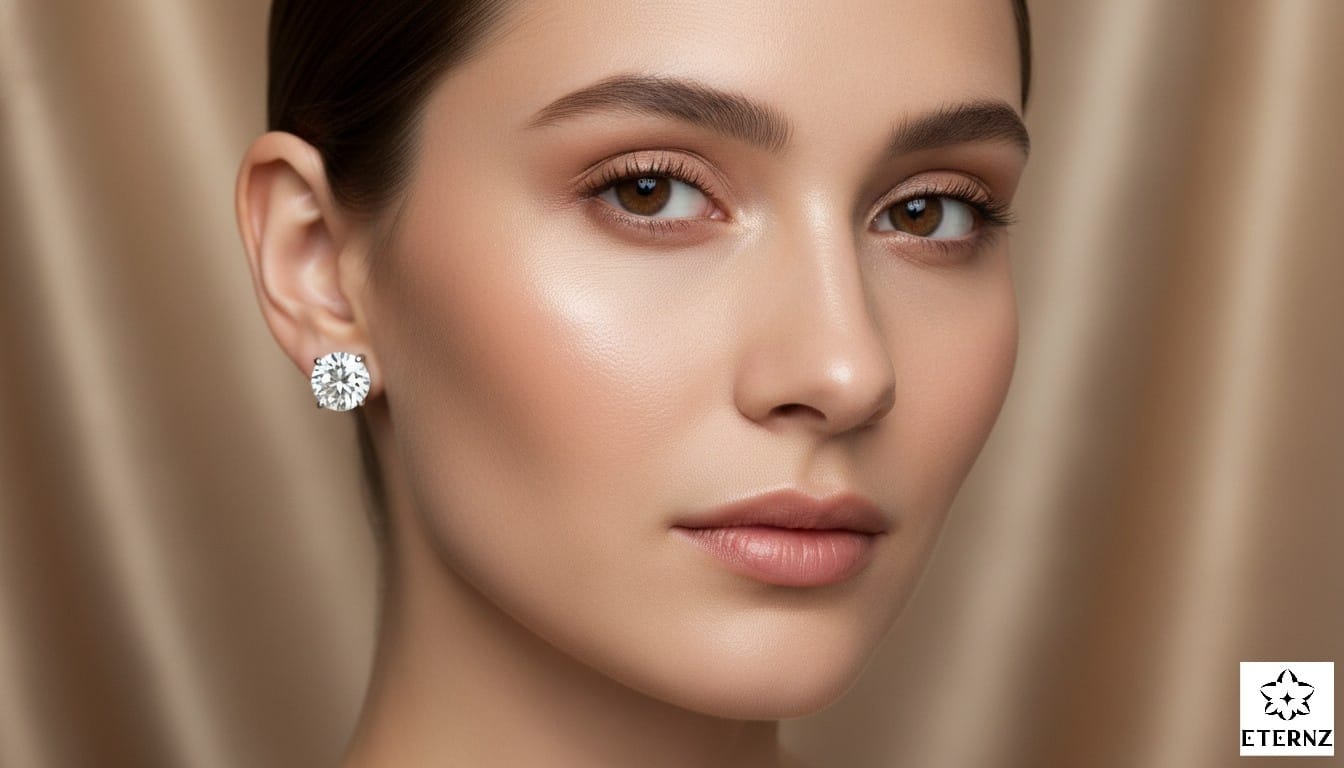
Pro Tip: If you have just pierced your ears, wait at least six to eight weeks before switching to heavy earrings. Your skin needs time to make a "tunnel" of healed tissue. Jumping into heavy jhumkas too soon can cause the hole to stretch or tear.
Popular Types of Earrings in India
- Jhumkas: Bell-shaped earrings that are a staple for sarees. Discover the finest jhumka collection for traditional occasions.
- Chandbalis: Moon-shaped earrings that look royal and heavy.
- Studs: Small diamonds or gold balls for daily office wear. Explore everyday stud earrings perfect for long-term wear.
- Hoops: Simple rings that go through the lobe, perfect for jeans and kurtis.
Understanding Ear Cuffs: The Bold Newcomer
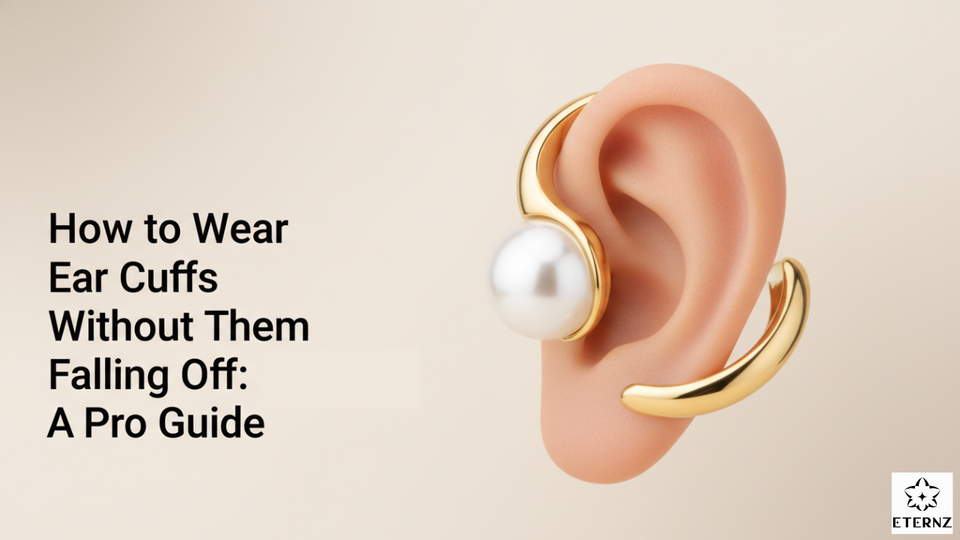
Ear cuffs are pieces of jewelry that grip the outer edge of your ear without needing a hole. They work by using tension or a "C" shape to hug the cartilage, which is the hard, flexible part of your ear.
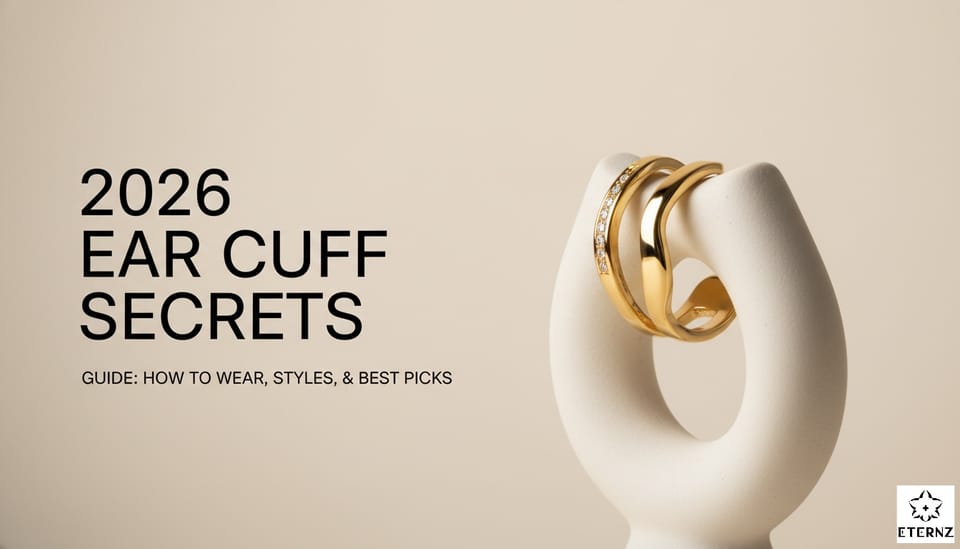
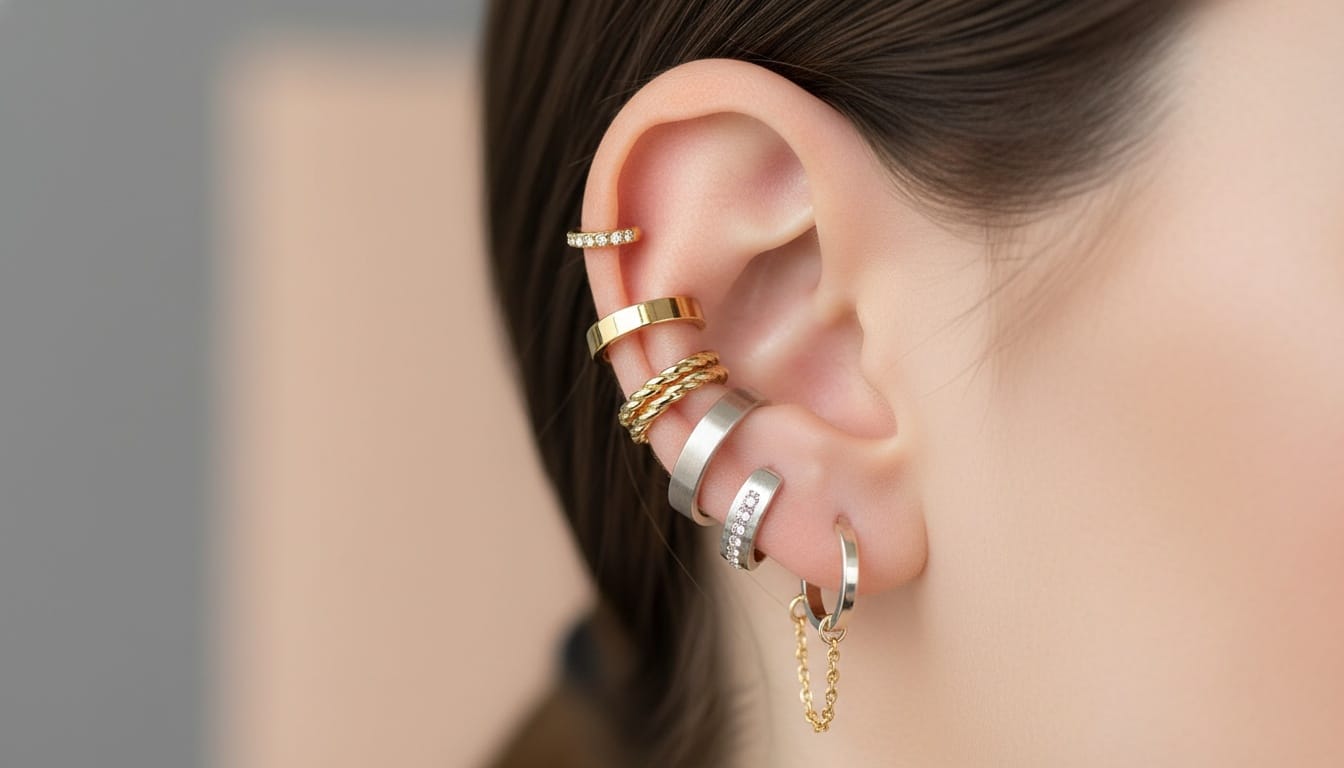
Think of an ear cuff like a tiny hug for your ear. You don't need to visit a piercing parlor or deal with needles. You just slide them on from the thinnest part of your ear and move them to where they fit snugly. They are perfect for people who want the look of multiple piercings but are afraid of the pain. They also allow you to decorate parts of the ear that are usually hard to pierce, like the very top rim. Browse the latest ear cuff styles to find your perfect match.
Why People Love Ear Cuffs
- No Pain: There are no needles involved.
- Flexibility: You can move them up or down the ear depending on your mood.
- Statement Look: They cover a larger area of the ear, making them look very fashionable.
- Safety: You don't have to worry about infections that sometimes come with new piercings.
Ear Cuffs vs Earrings: Which Is Better? A Direct Comparison
Choosing between these two depends on your lifestyle and your pain tolerance. Earrings are for those who want a permanent, "set it and forget it" piece of jewelry. Ear cuffs are for those who like to experiment and change their look every day without any commitment.
| Feature | Earrings | Ear Cuffs |
|---|---|---|
| Piercing Required? | Yes, a hole in the skin is needed. | No, they clip or wrap around. |
| Pain Level | Initial pain during piercing. | Zero pain, just a light squeeze. |
| Security | Very high; unlikely to fall off. | Medium; can slip if not adjusted well. |
| Placement | Usually the lobe or specific points. | Anywhere along the outer ear rim. |
| Variety | Infinite (studs, hoops, drops). | Wrap-around, multi-band, and crawlers. |
| Indian Style | Traditional (Jhumkas, Balis). | Fusion and modern statement looks. |
Earrings are better for long-term wear. If you want a piece of gold jewelry you can wear for five years straight, a stud earring is the winner. If you want to look like a rockstar or a high-fashion model for a Saturday night party, ear cuffs are the better choice.
Many modern Indian brides are now combining both. They wear traditional heavy earrings in their lobes and add a delicate diamond ear cuff on the upper ear for a "layered" look that blends the old with the new.
For more inspiration, read our ear stacking guide to master the layered look.
Comfort and Skin Sensitivity: The Deep Dive
Earrings can sometimes be tricky for people with sensitive skin. Since the metal sits inside your skin, any cheap metal like nickel can cause itching, redness, or even pus. This is a common problem in humid parts of India where sweat can make the metal react with your skin.
Ear cuffs sit on top of the skin. While you still want good quality metal, they are generally safer for people with metal allergies because they don't enter the body. However, comfort for ear cuffs depends on the "pinch." If a cuff is too tight, it can make your ear throb after a few hours. If it is too loose, you will spend all day touching your ear to make sure it is still there.
Tips for Comfortable Wearing:
- For Earrings: Stick to high-quality metals like 18k or 22k gold, sterling silver, or surgical steel. Avoid "fashion jewelry" with lead or nickel if you have itchy ears.
- For Ear Cuffs: Look for "adjustable" cuffs. These are made of softer metals like silver that you can gently squeeze to fit your specific ear shape perfectly. Explore silver earrings and cuffs that are gentle on sensitive skin.
Style and Occasion: How to Match Your Outfit
In India, we have a different outfit for every mood. From the simple cotton kurti for college to the heavy embroidered lehenga for a cousin's wedding, your ear jewelry needs to match the vibe.
When to Choose Earrings:
Earrings are the kings of formal and traditional events. A pair of gold jhumkas is a must-have for a saree. They have a weight and a swing that feels very "Indian." Earrings also look more professional in a corporate office. A simple pearl or diamond stud says you are ready for a meeting without being too distracting. For a complete understanding of how to match earrings to your face shape, check out our guide on the right earrings for every face shape.
When to Choose Ear Cuffs:
Ear cuffs are the queens of "Fusion Wear." If you are wearing a crop top with a long skirt, or a modern gown, an ear cuff adds a "cool factor." They are also great for music festivals or brunch with friends. Since ear cuffs look a bit more edgy, they help you stand out in a crowd of people wearing standard hoops. Dive deeper with our ear cuffs guide to explore trending styles and how to wear them.
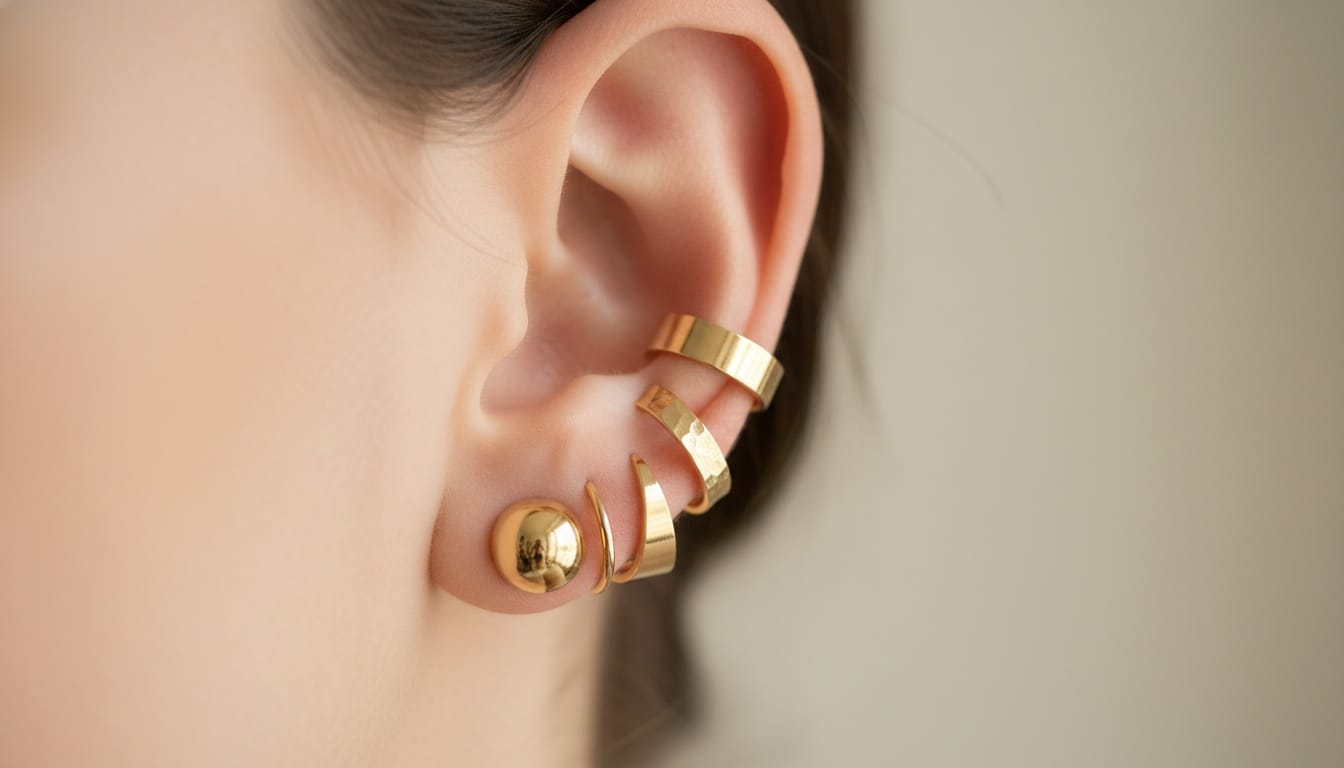
Pro Tip: If you are wearing a heavy necklace, go small on the ears. If you are wearing an ear cuff that covers half your ear, skip the necklace entirely. Let the ear cuff be the star of the show.
The Cost Factor: Investment vs Fashion
When we talk about earrings in India, we often think of them as an investment. We buy gold or silver that we can keep for years. Because earrings are secure, people feel comfortable spending more money on them.
Ear cuffs are often seen as "fashion pieces." While you can find gold and diamond ear cuffs, most people start with silver or gold-plated options. Because they are not held in by a hole, there is a small risk of them falling off if you get your hair caught in them or take off a sweater too fast.
Price Breakdown:
- Earrings: Can range from ₹100 for street-side beads to ₹1,00,000+ for heavy gold and precious stones.
- Ear cuffs: Usually range from ₹300 to ₹5,000 for high-quality silver or designer plated pieces. Gold ear cuffs are available but are less common in local shops.
Maintenance and Care: Keeping the Shine
Both types of jewelry need love to stay pretty. Since earrings go through your skin, they can collect skin cells, oils, and soap residue. This can make them look dull and even smell a bit weird if not cleaned.
Ear cuffs collect sweat and hair products like hairspray. If you don't clean them, the plating can wear off faster.
How to Clean Your Ear Jewelry:
- Mix a few drops of mild dish soap in warm water.
- Soak your jewelry for 5 to 10 minutes.
- Use a very soft toothbrush to gently scrub the nooks and crannies.
- Dry completely with a soft lint-free cloth.
- Store them in a dry, airtight pouch to prevent the Indian humidity from tarnishing the metal.
For a comprehensive approach to preserving your pieces, read our complete guide to ear piercing for Indians, which includes aftercare and maintenance tips.
The Decision Framework: Which Should You Buy?
If you are still stuck, ask yourself these three questions:
1. Do I have a piercing?
If no, and you don't want the pain: Get an Ear Cuff.
If yes: You can choose Both.
2. Where am I going?
A traditional wedding or a serious job interview? Earrings.
A party, a concert, or a trendy dinner date? Ear Cuff.
3. How much do I want to "feel" my jewelry?
I want to forget I am wearing it: Earrings (studs).
I want a bold look that people notice: Ear Cuff.
The Verdict: The Best of Both Worlds
So, ear cuffs vs earrings: which is better? The truth is, they serve different purposes. Earrings are the foundation of any jewelry collection. They are reliable, classic, and culturally deep. You need a good pair of earrings the way you need a good pair of shoes.
Ear cuffs are the "spice" of your collection. They are for the days when you feel creative and want to break the rules. They offer a way to look modern and edgy without any permanent changes to your body.
The best part? You don't actually have to choose. The biggest trend right now is the "Curated Ear." This means wearing a standard earring in your lobe and adding one or two ear cuffs higher up. This gives you the best of both worlds: the security of an earring and the style of a cuff. Learn how to wear them securely with our pro guide on wearing ear cuffs without them falling off.
If you are worried about an ear cuff falling off, look for "crawlers." These are earrings that require one hole but have a long wire that "crawls" up the ear, giving the look of a cuff with the safety of a piercing.
Whether you choose the classic swing of a jhumka or the sleek wrap of a silver cuff, the goal is to feel confident. Start with what makes you comfortable and don't be afraid to try a "no-piercing" look the next time you want to change your style.
Frequently Asked Questions
1. Do I need a piercing to wear an ear cuff?
No, you do not need a piercing. Ear cuffs are designed to grip the outer rim of your ear using tension, making them a great no-needle alternative to traditional jewelry.
2. Are earrings more secure than ear cuffs for daily wear?
Earrings are generally more secure because they pass through the skin. While ear cuffs are safe, they can slip if not adjusted properly or if caught on hair and clothing.
3. Can people with sensitive skin wear ear cuffs?
Yes, ear cuffs are often a safer choice for sensitive skin because they sit on the surface rather than inside a piercing, which reduces the chance of infections or reactions.
4. How do I style ear cuffs with traditional Indian outfits?
You can create a fusion look by pairing a delicate ear cuff with traditional jhumkas. This layering technique adds a modern edge to classic sarees and lehengas.
5. What metal is best for earrings if I have sensitive ears?
For sensitive ears, stick to hypoallergenic metals like 18k or 22k gold, sterling silver (925), or surgical steel. Avoid nickel and cheap fashion jewelry to prevent itching and redness.
6. Can I wear ear cuffs every day?
Yes, you can wear ear cuffs daily if they are made of high-quality materials like sterling silver or gold. Ensure they are properly adjusted to avoid discomfort from tightness.
7. How do I prevent my ear cuff from falling off?
Choose adjustable ear cuffs that you can gently squeeze for a custom fit. Slide them onto the thinnest part of your ear and position them securely. Crawler-style earrings are also a secure alternative.
8. Which is better for weddings: earrings or ear cuffs?
For traditional weddings, earrings like jhumkas or chandbalis are the preferred choice. However, brides and guests often combine both by wearing heavy earrings in the lobe and adding a delicate cuff on the upper ear for a trendy look.
9. Are ear cuffs painful to wear?
No, ear cuffs are generally painless. They work by gentle tension on the outer ear. If a cuff is too tight, it may cause mild pressure, so look for adjustable options to ensure comfort.
10. How do I clean my ear cuffs and earrings properly?
Soak them in mild soapy water for 5 to 10 minutes, gently scrub with a soft toothbrush, and dry completely with a lint-free cloth. Store them in an airtight pouch to protect from humidity.