
Are Lab Grown Diamonds a Good Investment in 2026?
Are lab grown diamonds a smart investment in 2026? Explore pricing trends, resale value, market demand, risks, and long term potential before you buy.
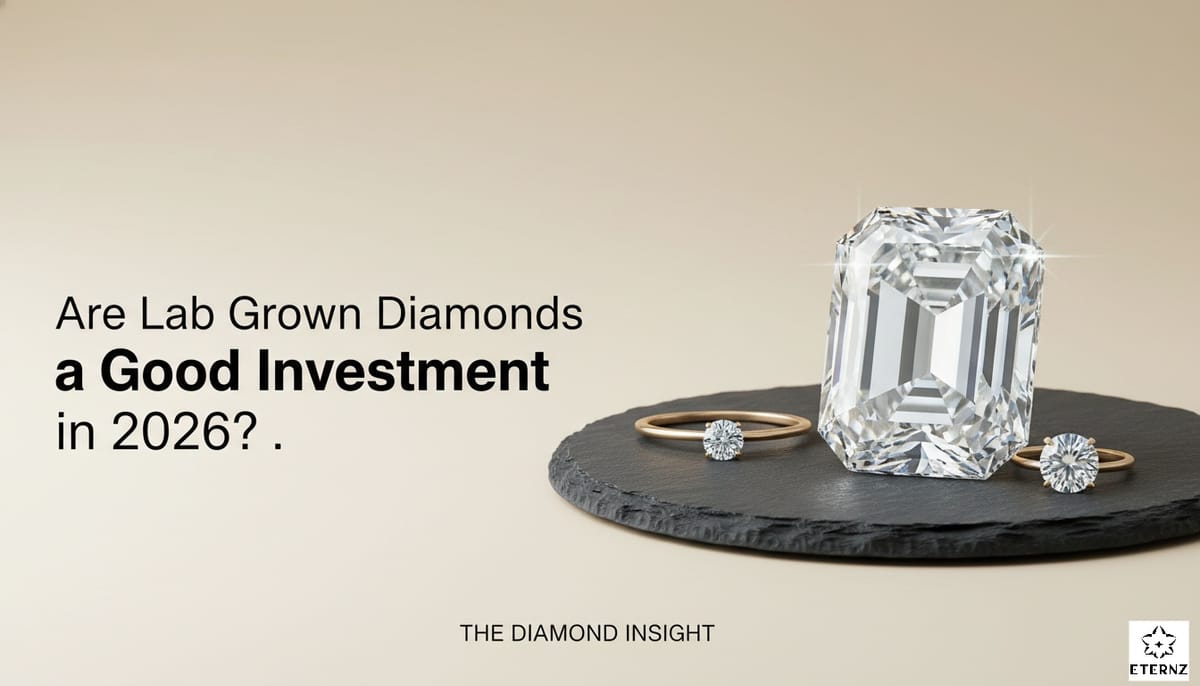
Diamonds have always carried a certain mystique. They sparkle, they symbolize love, and let us be honest, they often make wallets tremble. But in recent years, a new contender has stepped into the spotlight. Lab grown diamonds. Sleek, ethical, more affordable, and scientifically identical to mined stones. Sounds like a win win, right?
Well, not so fast.
A question that keeps popping up in conversations, investment forums, and jewelry stores alike is this. Are Lab Grown Diamonds a Good Investment in 2026? It is not just about sparkle anymore. It is about value, resale potential, supply and demand, and long term financial sense.
Some people swear by them. Others shrug and say diamonds are not investments at all. And then there are those sitting on the fence, wondering whether they are about to make a brilliant move or a costly mistake.
So, let us dig deep. Not with a shovel, of course, but with facts, logic, and a bit of plain speaking common sense. For more insights on diamond trends and investments, check out Eternz's jewelry blog.
Understanding Lab Grown Diamonds Before Talking Investment
What Exactly Are Lab Grown Diamonds?
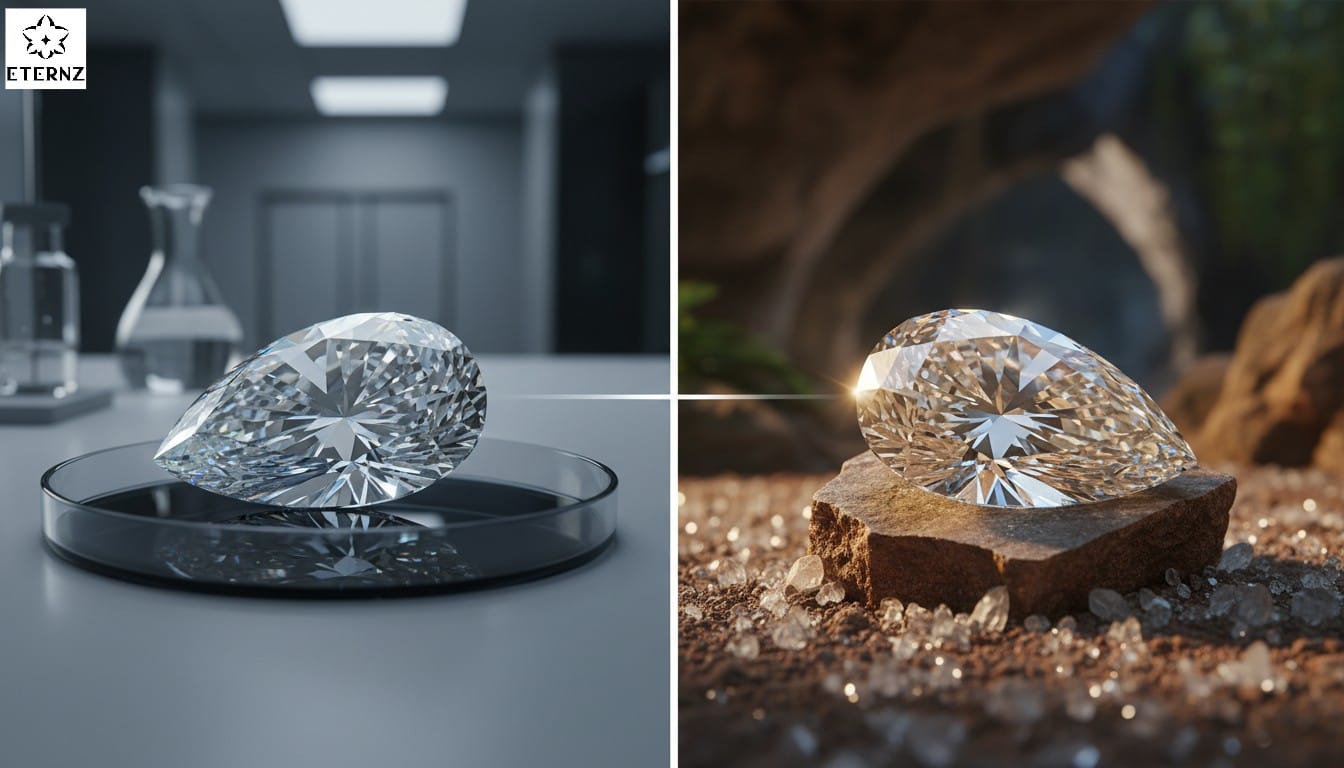
First things first. Lab grown diamonds are real diamonds. Not cubic zirconia. Not moissanite. Not some clever imitation. They are chemically, physically, and optically identical to natural diamonds.
Created in high pressure laboratories using advanced technology, these stones have the same crystal structure as mined diamonds. The only difference? Their origin story.
Instead of forming underground over billions of years, they are grown in controlled environments within weeks.
And here is the kicker. Even professional gemologists need specialized equipment to tell the difference. To understand the key differences and value comparisons, explore Lab Grown vs Natural Diamonds in India: 2026 Buyer's Guide.
The Emotional vs Financial Debate
Before answering Are Lab Grown Diamonds a Good Investment in 2026?, we need to separate emotion from economics.
Diamonds have traditionally been marketed as symbols of forever. Engagement rings, heirlooms, family treasures. That emotional weight often clouds the financial reality.
Truth be told, most diamonds are not stellar financial investments. Even natural diamonds rarely appreciate significantly unless they are rare, high quality, or historically significant.
So if natural diamonds struggle to behave like gold or real estate, what about lab grown ones?
Market Trends in 2026
Supply Is Rising Rapidly
Here is where things get interesting. Lab grown diamond production has increased dramatically over the past few years. Technology keeps improving. Costs keep dropping. More companies are entering the market.
When supply increases quickly, prices usually fall. It is simple economics.
In 2026, lab grown diamonds are more accessible than ever. That is great for buyers who want affordable jewelry. But from an investment standpoint, oversupply can limit long term price growth. For insights on how metal prices affect jewelry investments, explore why gold and silver prices are soaring in 2026.
Price Decline Over Time
One noticeable trend is that lab grown diamond prices have been declining year after year. A stone that cost a certain amount three years ago might cost significantly less today.
That is fantastic if you are shopping for an engagement ring. Not so fantastic if you are hoping the stone will double in value. Browse diamond rings including lab grown options for current trends.
Comparing Investment Potential
Natural Diamonds
Natural diamonds derive part of their value from rarity. The fact that they formed over billions of years adds a layer of perceived scarcity.
However, even natural diamonds are not guaranteed to appreciate. Retail markups are high. Resale values are often lower than purchase prices.
Lab Grown Diamonds
Lab grown diamonds are not rare. They can be produced in larger quantities. As technology improves, production becomes cheaper.
From an investment angle, that is a red flag. Scarcity drives long term value. Abundance typically does not.
So when people ask Are Lab Grown Diamonds a Good Investment in 2026?, the answer leans more toward caution than enthusiasm. Discover solitaire rings with certified lab grown diamonds for practical choices.
Short Term Value vs Long Term Wealth
Let us be honest. When you buy a lab grown diamond, you are getting excellent value for money in terms of size and quality.
You can often purchase:
- A larger carat size
- Higher clarity
- Better color grade
- Lower upfront cost
But that is consumption value, not investment value.
If you plan to enjoy wearing it, gifting it, or celebrating a milestone, then it delivers emotional return.
If you expect it to behave like a stock portfolio, you may be disappointed.
Liquidity and Resale Challenges
Can You Resell Lab Grown Diamonds Easily?
Resale is one of the biggest hurdles. Many jewelers do not buy back lab grown diamonds at attractive prices. The secondary market is still developing.
Unlike gold, which has clear melt value, or even discussions like 10k vs. 14k vs. 18k Gold: Which one is best for daily wear?, gold retains measurable intrinsic value. Diamonds do not function the same way.
If you attempt to resell a lab grown diamond, you may receive significantly less than you paid.
That is not necessarily a flaw. It is just the reality of how the market works today. For guidance on gold as an alternative investment, check out 10k vs. 14k vs. 18k Gold: Which one is best for daily wear?.
Technological Advancements and Their Impact
Better Technology Means Lower Costs
As production techniques improve, manufacturing costs decline. What was once cutting edge becomes standard practice.
Imagine buying a high tech gadget at launch price. Two years later, it costs half as much. That is similar to what is happening in the lab grown diamond industry.
From an investor perspective, rapidly falling production costs can undermine resale value.
Environmental and Ethical Appeal
Now here is where lab grown diamonds shine brightly.
Many buyers in 2026 care deeply about sustainability. Mining can have environmental consequences. Lab grown diamonds often require less land disruption.
Ethical sourcing concerns also drive demand.
So while Are Lab Grown Diamonds a Good Investment in 2026? might receive a cautious financial answer, they may be an excellent social or ethical investment.
If you value sustainability, that matters. See how this fits into broader trends like why 2026 brides are ditching heavy gold for neo-heritage pieces.
Consumer Demand in 2026
Younger Buyers Leading the Trend
Millennials and Gen Z buyers are embracing lab grown diamonds. They appreciate transparency, affordability, and modern innovation.
Engagement ring preferences are shifting. More couples are choosing lab grown stones because they can afford larger diamonds without stretching their budgets.
This growing acceptance strengthens the retail market. But retail popularity does not automatically translate into resale appreciation. For the latest on bridal preferences, explore Indian Bridal Jewelry Trends 2026: The New Rules of Luxury.
When Lab Grown Diamonds Might Make Sense Financially
Let us flip the script.
They might not be ideal for speculative profit. However, they can make financial sense in certain scenarios.
1. Lower Initial Cost
Spending less upfront means you can invest remaining funds elsewhere.
2. Better Cash Allocation
Instead of putting a large sum into a mined diamond, you could choose a lab grown stone and invest the difference in diversified assets.
3. Reduced Emotional Risk
If resale value is not your primary goal, you avoid unrealistic expectations.
In that sense, lab grown diamonds can indirectly support smarter financial decisions. Consider gifting options like 20 Perfect Couple Rings for Valentine's Day 2026 for emotional value.
Are Lab Grown Diamonds a Good Investment in 2026? A Realistic Verdict
If by investment you mean asset appreciation, then the answer is generally no.
If by investment you mean value for money, ethical alignment, and emotional satisfaction, then yes, they can absolutely be worth it.
Context is everything.
Unlike debates such as 10k vs. 14k vs. 18k Gold: Which one is best for daily wear?, which focus on durability and practicality, diamond investment discussions hinge on market forces and supply dynamics.
It is not black and white. It is layered. Learn more about gold purity for daily wear.
Risk Factors to Consider
Before making any decision, keep these risks in mind:
- Continued price decline
- Expanding supply
- Limited resale market
- Changing consumer trends
While demand is strong now, future market shifts are unpredictable.
Investments require stability and scarcity. Lab grown diamonds currently offer innovation and accessibility instead.
Who Should Buy Lab Grown Diamonds in 2026?
They are ideal for:
- Engagement rings
- Fashion jewelry
- Ethical conscious buyers
- Budget aware shoppers
- Those prioritizing size and sparkle
They may not suit:
- Speculative investors
- Those expecting appreciation
- Buyers focused solely on resale profit
Knowing your goal makes all the difference. Explore gold rings as complementary options.
So, Are Lab Grown Diamonds a Good Investment in 2026?
If you are chasing financial growth and long term appreciation, the answer is likely no. The market dynamics, increasing supply, and declining prices suggest limited upside.
But if you are seeking beauty, ethical sourcing, affordability, and personal meaning, then yes, they are a smart and modern choice.
At the end of the day, diamonds are not just numbers on a spreadsheet. They are symbols, memories, and milestones. Just make sure you are buying them for the right reasons.
When expectations align with reality, even a lab grown diamond can feel priceless. Ready to find the perfect piece? Explore Eternz for certified options.
Frequently Asked Questions (FAQs) About Lab Grown Diamonds
1. Are lab grown diamonds real diamonds?
Yes, lab grown diamonds are real diamonds.
They have the same physical, chemical, and optical properties as natural diamonds. Both are made of crystallized carbon and score 10 on the Mohs hardness scale. The only difference is their origin — one forms underground over billions of years, while the other is created in a laboratory using advanced technology.
2. Do lab grown diamonds increase in value over time?
In most cases, lab grown diamonds have not shown consistent price appreciation.
As production technology improves and supply increases, market prices have generally declined. Unlike certain rare natural diamonds, lab grown diamonds are not typically purchased with long-term resale appreciation in mind.
3. Are lab grown diamonds easier to resell?
The resale market for lab grown diamonds is still developing.
Many sellers find that resale offers are significantly lower than the original purchase price. Traditional secondary markets are more established for natural diamonds, while lab grown diamond resale channels continue to evolve.
4. Why are lab grown diamonds cheaper than natural diamonds?
Lab grown diamonds are usually more affordable because:
- They are produced in controlled environments
- There are no mining costs
- Supply can be scaled through technology
- Distribution chains are often shorter
This controlled production reduces overall scarcity and lowers retail pricing.
5. Should I buy a lab grown diamond for investment purposes?
Lab grown diamonds are generally not considered strong investment assets.
If your primary goal is financial appreciation, other asset classes — such as equities, real estate, or precious metals — historically offer more predictable long-term growth potential. Lab grown diamonds are better viewed as a value-focused purchase for personal wear rather than a financial investment.
6. Can you tell the difference between lab grown and natural diamonds?
To the naked eye, no.
Even professional jewelers cannot reliably distinguish them without specialized equipment. Gemological laboratories use advanced testing methods to determine origin.
7. Are lab grown diamonds environmentally friendly?
They eliminate traditional mining impacts; however, their environmental footprint depends on the energy source used during production. Facilities powered by renewable energy have a significantly lower carbon footprint than those using fossil fuels.
8. Do lab grown diamonds last as long as natural diamonds?
Yes.
Because they have the same hardness and structural composition, lab grown diamonds are equally durable and suitable for everyday jewelry, including engagement rings.